
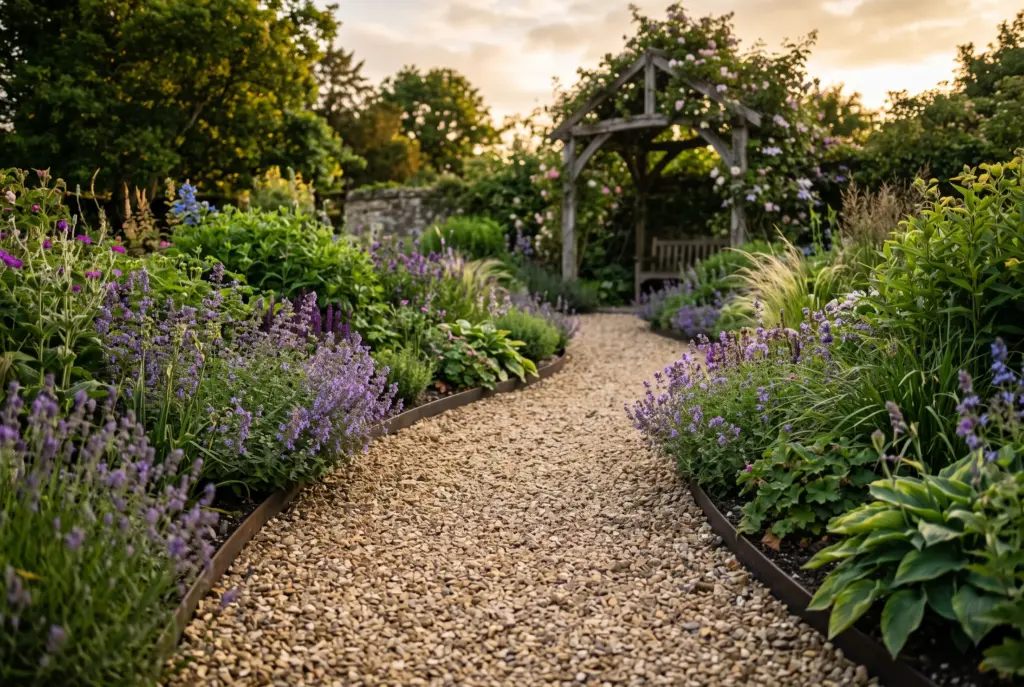
Choosing Walkway Gravel for a Portland, OR Path
Material picks, pricing, and pro tips for walkway gravel projects in Portland, OR.
Portland, OR homeowners choosing walkway gravel have more than one stone to pick from: pea gravel, decomposed granite, and #89 crushed stone each handle foot traffic differently, and all three are available for delivery here. This page walks through how to choose between them, how deep to lay the stone, and what ordering by the ton looks like once you're ready to build; for other ways to use the same stone around a property, see the Walkway Gravel hub.
Three Stone Options for a Portland Walkway
Pea Gravel is the softest option underfoot: small, rounded, 3/8 inch stone that's comfortable for bare feet but needs firm edging since it doesn't interlock on its own. Decomposed Granite compacts into a nearly solid surface, closer to a hard path than loose stone, which suits a route that gets wheelbarrows or strollers. #89 Crushed Stone suits a garden path that's walked more than rolled, and crushed stone suits a route that gets heavy use and can't be re-edged often.
What a Portland Path Has to Handle
Portland is the anchor city of its own metro area, and its older neighborhoods mix mature trees, narrow side yards, and clay heavy soil that holds water through the rainy season. A walkway here often has to survive root pressure from nearby trees as much as foot traffic, which is one more reason a firm, compacted base matters before any stone goes down. Many of the city's walkways run along the side of a house where roof runoff adds even more water to an already damp bed, so a path that starts a few inches proud of grade tends to hold up better than one set flush with the lawn.
Setting Depth and Figuring Quantity
Plan on two inches of stone across the walkway once the base is compacted. To work out volume, take length times width in feet, multiply by the depth in inches, and divide that number by 324 for cubic yards. Since all three materials on this page price out by the ton, run your numbers through the calculator to see exactly how many tons to order for whichever stone you pick.
Weather to Plan the Base Around
Portland's wet season runs long, and a path bed that isn't sloped to shed water will soften underneath the stone by late winter. Grade the excavation slightly before compacting it, and keep landscape fabric between the soil and the gravel so the two don't mix into mud over a rainy few months. Hard freezes are rare here, so the bigger risk to a gravel walkway is drainage, not frost heave.
Delivery and Next Steps
Delivery in Portland is priced to your ZIP code once you've settled on a material and a quantity, and it's scheduled separately from anything else, so nothing about picking up stone in person applies here. Free delivery is included on any order that reaches 15 tons; for a single walkway that's more stone than most projects call for, but combining a walkway with a patio or a driveway top up can get you there.
About Walkway Gravel projects
A walkway gravel project covers any loose stone path across a yard, from a straight run between the driveway and the front door to a curved route through planting beds. Portland's version of the project usually means picking between a few stone types rather than defaulting to one, since pea gravel, decomposed granite, and crushed stone are all common choices depending on how firm or how soft the finished path needs to feel.
Recommended materials for
How a walkway gravel project goes
- Choose a material and lay out the pathDecide between pea gravel, decomposed granite, or crushed stone based on how the path will be used, then mark its width and length with stakes and string before digging. Keep the layout consistent so the finished surface reads as one clean line rather than a wandering path.
- Excavate to depthDig out the marked area deep enough to hold a compacted base plus roughly two inches of stone on top. Set the excavation a touch deeper at any low point in the yard so water has somewhere to go besides sitting under the finished path.
- Install edgingRun edging along both sides of the excavation before adding fabric or stone. Pea gravel needs it most since it doesn't lock together on its own, but decomposed granite and crushed stone hold a cleaner line with a border too, especially where the path meets lawn.
- Add fabric and compact the baseLay landscape fabric over the exposed soil to block weeds, then tamp the base firmly, sloping it slightly so runoff moves away from the path rather than pooling underneath it. A soft base is the most common reason a Portland gravel walkway settles unevenly.
- Spread and compact the stonePour the chosen material over the fabric, rake it to an even two inch depth, and run a plate compactor or hand tamper over it so the surface firms up. Decomposed granite and crushed stone lock in tighter than pea gravel, so expect a slightly different feel underfoot once each has settled.
Estimate your material
Calculate Your Project
Estimate only. Add 10-15% for compaction and waste.
Walkway gravel in Portland's climate
Picking the right material for a walkway gravel project in Portland comes down to how the climate treats it. Wet winters and dry summers. Stone with strong drainage prevents winter saturation under traffic. For walkway gravel work specifically, that means choosing material that handles local moisture and traffic loads without re-dressing every season.
The small market profile of Portland also shapes how a project runs. Most jobs are residential, with the occasional school or municipal project. Truck access is usually wide and turnarounds run fast.
Where we deliver walkway gravel material in Portland
Our delivery footprint around Portland covers the core city plus a typical 35-mile radius. Recent walkway gravel drops have included:
- older single-family blocks in and around Portland
- newer subdivisions on the outskirts in and around Portland
- commercial pad sites near the freeway in and around Portland
- horse properties on the rural edge in and around Portland
If your address is outside that radius, send your ZIP through the contact form and we will confirm coverage within an hour.
Pricing for walkway gravel in Portland
Here is what the recommended walkway gravel materials are running in Portland right now. Full-truck orders (16 tons or more) typically save 15 to 20 percent off these per-ton rates.
| Material | Price from |
|---|---|
| Mulch Delivery in Portland, Oregon by the Cubic Yard | Quote on request |
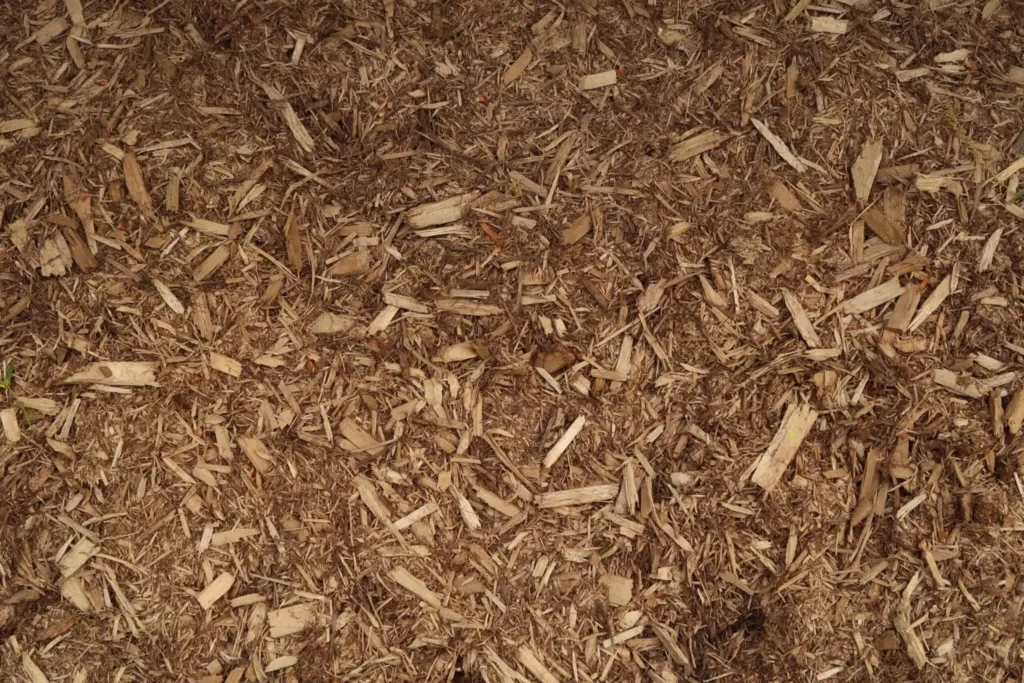
| Wood Chips Delivery in Portland, OR | Quote on request |
| Riprap Med Delivery in Portland, OR | Quote on request |
| Red Mulch Delivery in Portland, OR | Quote on request |
Browse more
Recommended materials in Portland
Same project in nearby cities
Tools to plan your project
Related guides
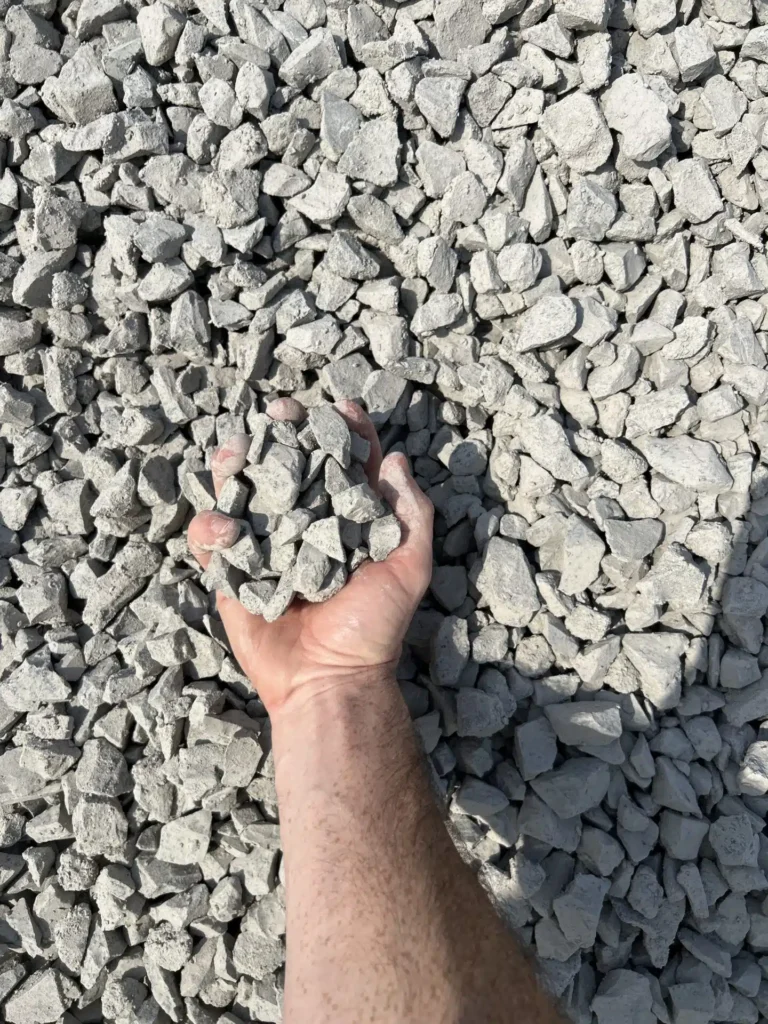 GUIDEGravel Size Chart: Pea Gravel to Crushed StoneA gravel size chart showing pea gravel, crushed stone and river rock diameters side by side, so you can match the right size to your project.Read guide →
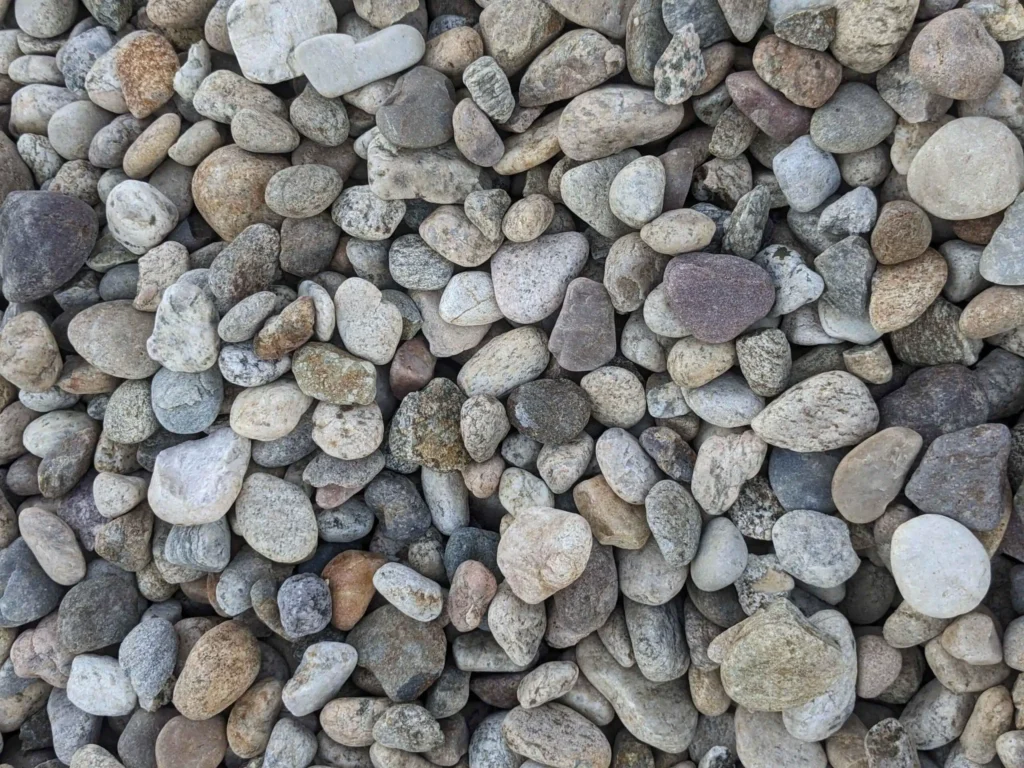 GUIDEThe Different Types of Gravel and How to ChooseA plain-language guide to the main types of gravel, covering pea gravel, crushed stone, river rock and decomposed granite.Read guide →
 GUIDEWhat Are Screenings? A Guide to Crushed Stone FinesScreenings are fine crushed stone used for paver bases, joint fill and walkways. See what screenings are, common types, and mistakes to avoid.Read guide →GUIDEWhat to Put Under River Rock for Landscaping BedsHere is what to put under river rock landscaping: a compacted base where needed, then landscape fabric, then rock, to stop weeds and settling.Read guide →
Frequently Asked Questions
Which walkway gravel is best for a Portland yard?
It depends on how the path gets used. Pea gravel is the most comfortable underfoot and suits a garden route, decomposed granite compacts into a firmer surface that handles wheelbarrows or strollers better, and #89 crushed stone locks together tightly enough to resist shifting on a path that sees heavy foot traffic. All three work in Portland's climate as long as the base is compacted and sloped to drain.
How deep should a gravel walkway be?
Two inches of stone over a compacted base is standard for foot traffic only. Go a little deeper in low spots where water tends to collect after rain, since a thin layer there will wash thin or let the base show through within a season.
Does decomposed granite need edging like pea gravel does?
Less of it, but it still helps. Decomposed granite compacts into a firmer surface than pea gravel and resists spreading better on its own, but edging still keeps a crisp line between the path and the lawn or beds beside it, and it stops the material from washing out at the edges during heavy rain.
How much stone do I need for my walkway?
Multiply the path's length by its width in feet, then by the depth in inches, and divide by 324 to get cubic yards. Enter those numbers into the walkway calculator and it converts the figure to tons, since pea gravel, decomposed granite, and crushed stone here are all sold by the ton.
Is #89 crushed stone comfortable to walk on?
It's rougher underfoot than pea gravel because the pieces are angular rather than rounded, but that same shape is what makes it lock together and stay put with less edging and less raking over time. It suits a utility path more than a barefoot garden route.
Can I mix materials on the same walkway?
You can, though it's more common to pick one material for a single path and save a second for a different area, like a patio or a side yard. If you do plan two zones, edging between them keeps the materials from working into each other as they settle.
How does delivery work for a Portland walkway order?
Delivery is scheduled to your Portland ZIP code once the order is placed, with the price reflecting how far the load has to travel. Orders that reach 15 tons come with delivery included at no charge, which is more stone than most single walkways need on their own.
Do I need a permit for a gravel walkway in Portland?
This page doesn't cover permitting, since requirements vary by property and by how the path connects to existing structures or drainage. Check with the city or your contractor before digging if the walkway ties into a driveway, a public sidewalk, or a slope that affects runoff.