
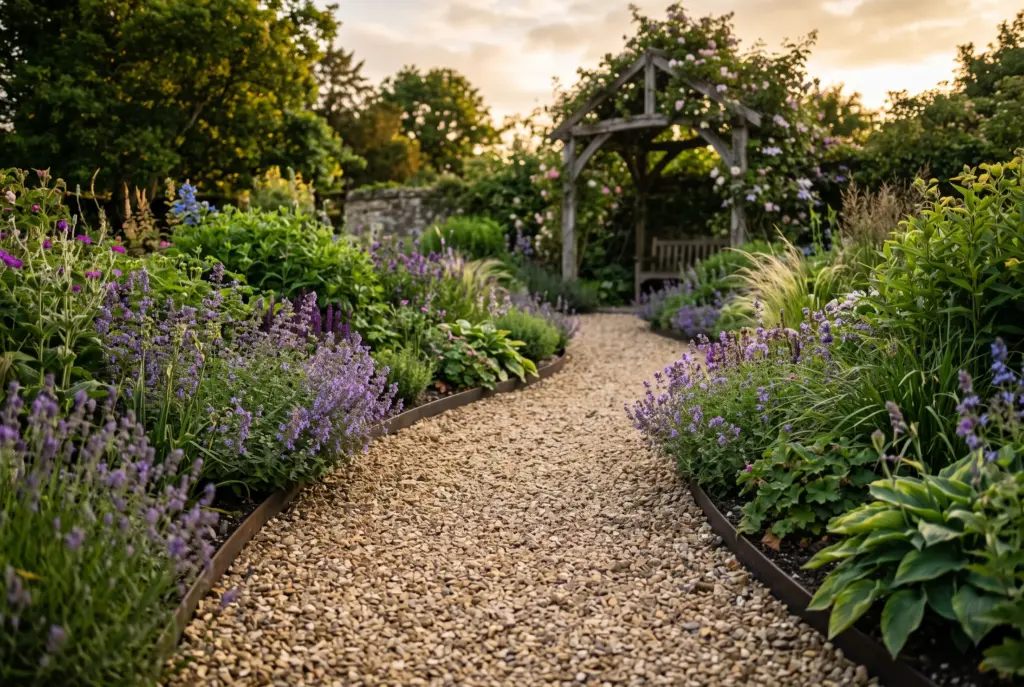
Walkway Gravel in Saint Louis, MO: Stone and Depth
Material picks, pricing, and pro tips for walkway gravel projects in Saint Louis, MO.
Picking the right stone for a walkway gravel project
Homeowners across Saint Louis, MO lean on three stone types for walkway gravel: pea gravel, decomposed granite, and #89 crushed stone. Pea gravel is smooth underfoot and easy on bare feet, a good fit for a path between a patio and a garden bed. Decomposed granite packs down tight and reads almost like a paved surface once it is compacted, which suits a front walk that gets daily use. #89 crushed stone is angular and locks together, so it resists rutting on a slope or a side yard shortcut. All three are sold by the ton, and the right pick usually comes down to foot feel, look, and how much traffic the path carries.
What a Saint Louis walkway project needs before you order
A walkway is one of the simpler stone projects to plan because the footprint is narrow and the load is light compared to a driveway. What matters most locally is drainage: Saint Louis gets humid, sticky summers and winters that swing through several freeze and thaw cycles, and standing water under a path will heave the stone out of place. Decide on your route first, including any turns around trees or beds, since curves and edges use more material per foot than a straight run. Confirm whether the path connects to a step, deck, or driveway edge so the finished height lines up cleanly.
Depth, base, and figuring your order
Set the finished gravel at 2 to 3 inches deep for a foot path, with more depth near gates or high traffic spots. To turn that into tons, multiply the path length in feet by its width in feet by the depth in inches, then divide by 324 to get cubic yards, and convert to tons using the material's weight per yard. The walkway calculator does that math for you once you enter your dimensions, and it is the fastest way to avoid a second delivery. Missouri clay compacts hard when it is dry but turns soft in wet weather, so budget extra base stone under the gravel layer rather than skimping on prep.
Local ground conditions worth planning around
Much of Saint Louis sits on heavy clay that drains slowly, and older neighborhoods near the river add a layer of fill soil on top of it. Both conditions call for a compacted base rather than gravel dropped straight onto bare dirt. Winters bring enough freeze and thaw swings to shift a poorly based path within a season or two, so tamping the base thoroughly matters more here than it would in a drier climate. If your lot slopes toward the house, grade the walkway route to carry water away rather than letting it pool along the edge.
Ordering and delivery in Saint Louis
Small walkway orders start at 3 tons, and the per ton rate steps down as the order grows, with orders of 15 tons or more shipping free. At that volume, delivered pricing starting from $91 a ton applies; smaller loads carry a delivery fee and typically arrive in a day or two. Check delivery in Saint Louis for current timing, then plan to spread material within a day of drop off so it does not sit and settle in the driveway. For the bigger picture on where walkway gravel fits among other paths and beds, the Walkway Gravel guide covers the basics.
About Walkway Gravel projects
A gravel walkway in Saint Louis connects your driveway, porch, or garden beds with a firm, well drained surface that holds up through the city's freeze and thaw cycles. The project comes down to picking a stone that suits how the path will be used, then setting it on a base deep enough to stop it from sinking into Missouri clay.
Recommended materials for
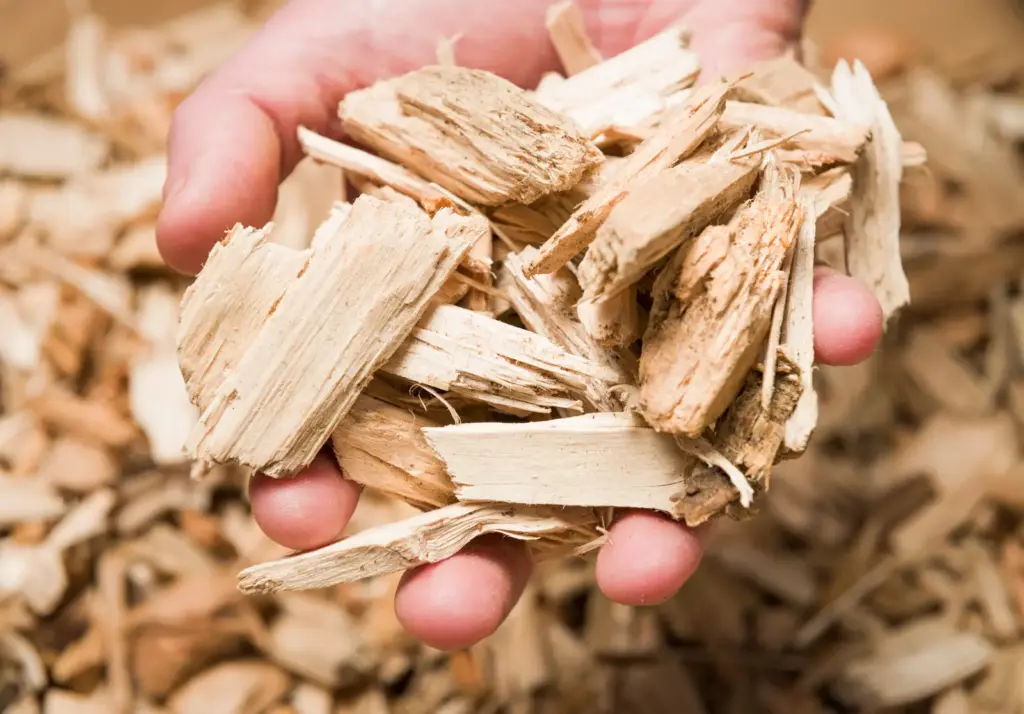 Price by ZIP
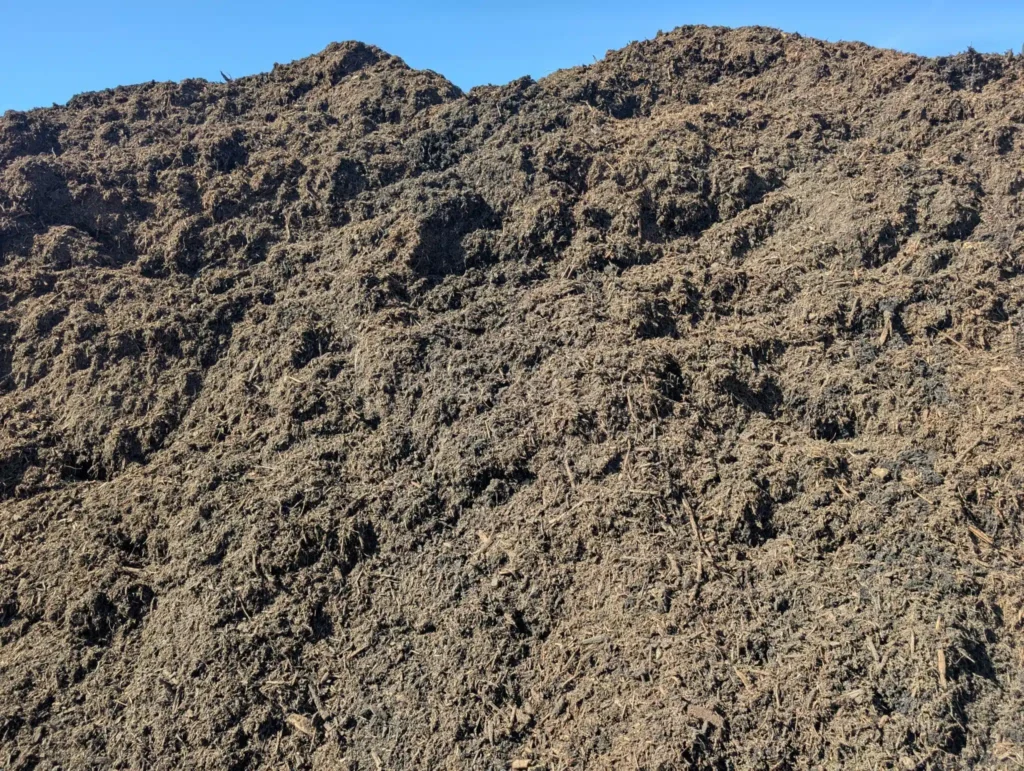
- Density600 lb/yd³
- ColorNatural wood
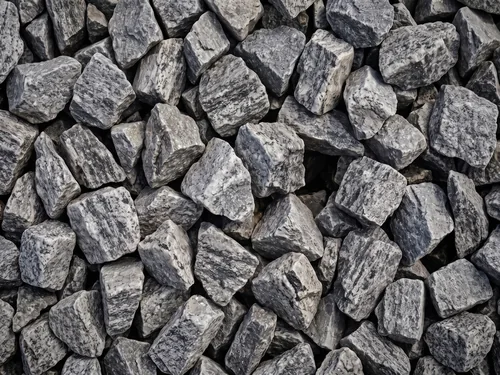 Price by ZIP
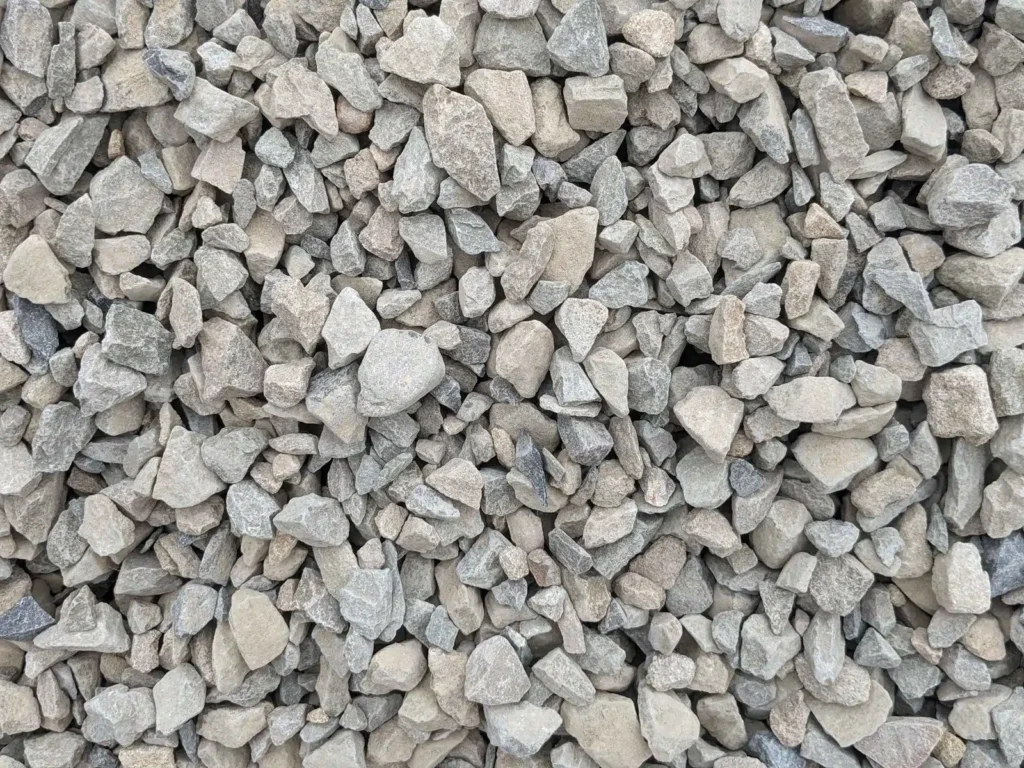
- Size2 - 3″
- Density2900 lb/yd³
- ColorGray
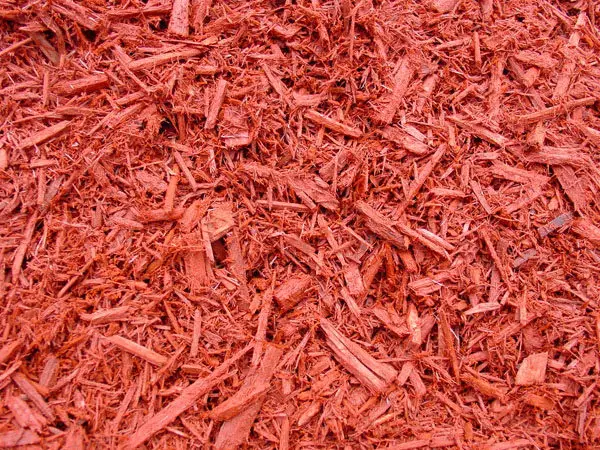 Price by ZIP
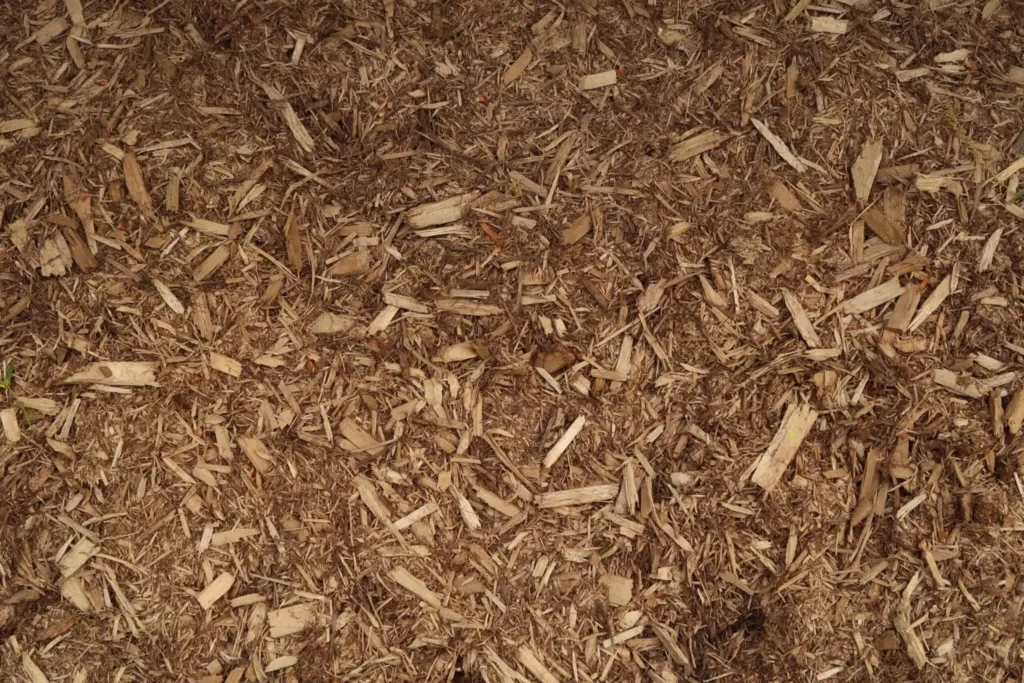
- Density800 lb/yd³
- ColorRed
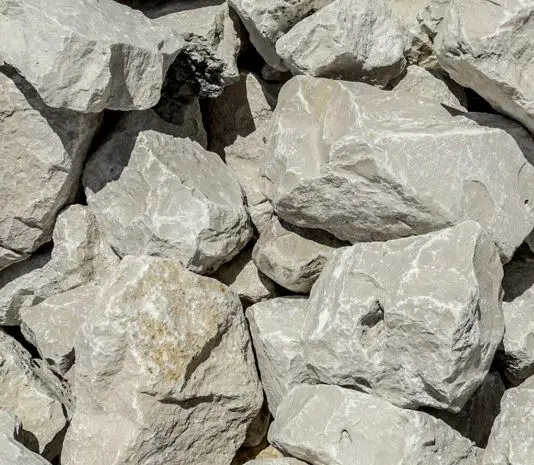 Price by ZIP
- Size4 - 9″
- Density2700 lb/yd³
- ColorGray
How a walkway gravel project goes
- Measure the path and run the numbersWalk the route and note the length, width, and how deep the finished gravel should sit, usually 2 to 3 inches for foot traffic. Plug those figures into the walkway calculator to see how many tons to order. Round up slightly so a late addition or a wider turn doesn't leave you short.
- Strip and compact the baseRemove sod, roots, and loose topsoil down to firm ground. Saint Louis clay holds water, so grade the trench to shed rain away from the house before you add anything on top. Compact the exposed soil with a plate compactor or hand tamper so the base does not shift once it is loaded.
- Lay a drainage layerSpread 2 to 3 inches of crushed stone or coarse sand over the compacted soil and tamp it flat. This layer keeps the finished gravel from working its way down into the clay beneath it. Skipping this step is the most common reason a Saint Louis walkway settles unevenly within its first year.
- Place and grade the gravelDump the material in small piles along the path, then rake it out to an even depth with a slight crown at the center. Work from one end to the other so you can check depth as you go. Sweep any stray stone off the lawn or garden bed edges as you finish.
- Tamp, then plan for upkeepRun a compactor over the finished surface to lock the stone together and cut down on shifting. Expect to top up low spots and re-rake after heavy spring rain, which is common in the region. A short seasonal check keeps the path looking even without a full rebuild.
Estimate your material
Calculate Your Project
Estimate only. Add 10-15% for compaction and waste.
Walkway gravel in Saint Louis's climate
Picking the right material for a walkway gravel project in Saint Louis comes down to how the climate treats it. Distinct seasons with humid summers and freezing winters. Quarried limestone is the regional default. For walkway gravel work specifically, that means choosing material that handles local moisture and traffic loads without re-dressing every season.
The small market profile of Saint Louis also shapes how a project runs. Most jobs are residential, with the occasional school or municipal project. Truck access is usually wide and turnarounds run fast.
Where we deliver walkway gravel material in Saint Louis
Our delivery footprint around Saint Louis covers the core city plus a typical 35-mile radius. Recent walkway gravel drops have included:
- central historic streets in and around Saint Louis
- cul-de-sac neighborhoods in and around Saint Louis
- small farms on the city edge in and around Saint Louis
- retail centers with parking expansions in and around Saint Louis
If your address is outside that radius, send your ZIP through the contact form and we will confirm coverage within an hour.
Pricing for walkway gravel in Saint Louis
Here is what the recommended walkway gravel materials are running in Saint Louis right now. Full-truck orders (16 tons or more) typically save 15 to 20 percent off these per-ton rates.
| Material | Price from |
|---|---|
| Wood Chips Delivery in Saint Louis, MO | Quote on request |
| Railroad Ballast Delivery Saint Louis Missouri | Quote on request |
| Red Mulch Delivery in Saint Louis Missouri | Quote on request |
| Riprap Med Delivery in Saint Louis, Missouri | Quote on request |
Browse more
Recommended materials in Saint Louis
Tools to plan your project
Related guides
 GUIDEHow to Lay a Gravel Driveway: Step-by-Step GuidePractical, field-tested guide: how to lay gravel driveway. Pulled from real US installer notes and 2026 supplier price data.Read guide →
 GUIDEDoes Gravel Stop Weeds? Honest Answer + What WorksPractical, field-tested guide: does gravel stop weeds. Pulled from real US installer notes and 2026 supplier price data.Read guide →
 GUIDEHow Much Gravel Do I Need? Quick Sizing GuidePractical, field-tested guide: how much gravel do i need. Pulled from real US installer notes and 2026 supplier price data.Read guide →
 GUIDEWhat Is #57 Stone? Uses, Size, and Cost ExplainedPractical, field-tested guide: what is 57 stone. Pulled from real US installer notes and 2026 supplier price data.Read guide →
Frequently Asked Questions
What is the best gravel for a walkway in Saint Louis?
Pea gravel, decomposed granite, and #89 crushed stone locks together and holds its shape best on a sloped or heavily used route. All three are priced by the ton delivered to your address.
How many inches of gravel do I need for a walkway?
Plan on 2 to 3 inches of finished gravel over a compacted base for typical foot traffic. Add another half inch if the path sees regular wheelbarrow or bike traffic, or if your soil is heavy clay, which is common around Saint Louis. Skimping on depth is the main reason a path feels loose or shifts within the first season.
How do I calculate how much gravel my walkway needs?
Measure the length and width of the path in feet and decide on a depth in inches, then use the walkway calculator to convert those numbers into tons. The math is length times width times depth in inches, divided by 324, which gives cubic yards before the tool converts that figure to tons for your chosen material.
Does a walkway need a gravel base layer underneath?
Yes, especially on Saint Louis clay, which holds water and shifts with the seasons. A 2 to 3 inch base of crushed stone or coarse sand under the finished gravel keeps the top layer from sinking or migrating into the soil beneath it. Skipping the base is the most common cause of an uneven path within a year.
Is decomposed granite better than pea gravel for a front walk?
Decomposed granite compacts tighter and feels closer to a paved surface once it is tamped, so it holds up well on a path that gets daily foot traffic. Pea gravel stays loose and rounded, which is more comfortable underfoot but shifts more over time. Neither is wrong; the choice comes down to how firm you want the surface to feel.
How much gravel does free delivery require?
Free delivery applies to orders of 15 tons or more, which is well above what a single walkway typically needs. Smaller loads still ship, usually within a day or two, but carry a delivery charge based on the order size. Combining a walkway with another gravel project on the same property is one way to reach the free tier.
Can I install a gravel walkway myself?
Most homeowners can handle a walkway without a contractor. The work is mainly digging out the path, compacting a base layer, spreading the gravel, and tamping it flat. A plate compactor or hand tamper, a rake, and a wheelbarrow cover most of the tools needed. Plan for a weekend on a typical residential path, longer if the route has curves or steps.
How often does a gravel walkway need maintenance?
Expect to rake the surface back into shape a few times a year, more often after heavy spring rain, which is common in the Saint Louis area. Topping up low spots with fresh material every year or two keeps the depth consistent. Regular light raking is easier than waiting until the path has flattened enough to need a full redo.