
Riprap Med Delivery in Washington DC
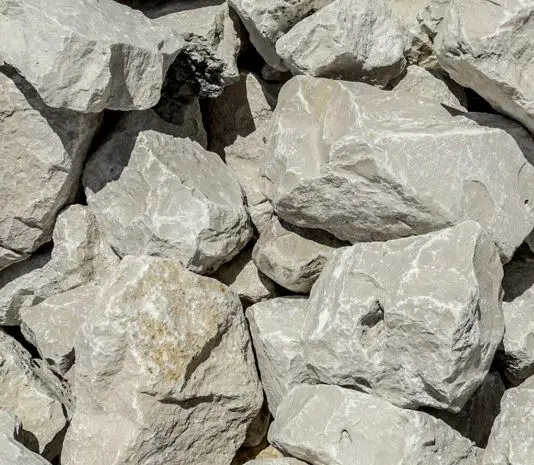
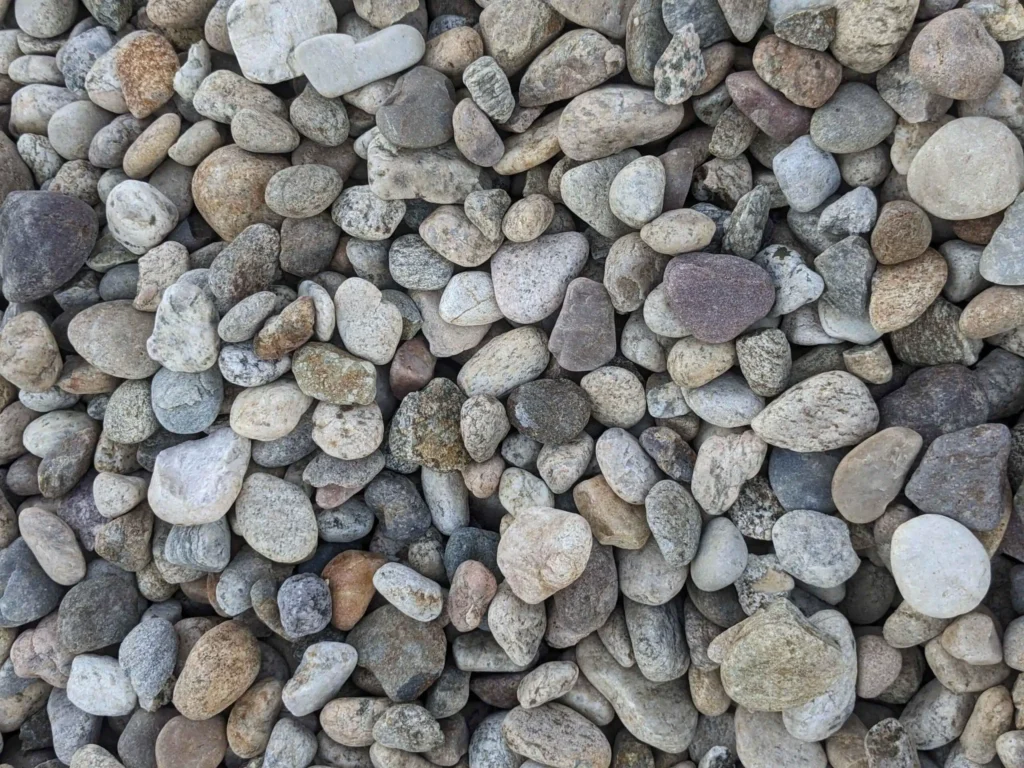
Bulk riprap med delivered in Washington DC, DC. Stone size 4 - 9. Gray color.
Riprap Med in Washington DC: Streambank and Stormwater Armor for the Capital
Washington DC sits at the head of tidewater where the Potomac and Anacostia rivers meet the coastal plain, a humid, storm-prone region laced with creeks, tributaries, and an aging stormwater network. The District gets heavy summer downpours, the remnants of Atlantic tropical systems in late summer and fall, and a winter freeze-thaw cycle that loosens soil. All of that water moving over the clay and sandy soils of the Mid-Atlantic carves banks, scours outfalls, and slumps slopes. Riprap Med, our gray angular armor stone graded at 4 to 9 inches and sold by the ton, is the material crews across the capital region use to hold that ground. It interlocks into a stable, free-draining mass, sheds intense rain, and stays put where smaller fill washes away. For contractors and property owners in the Washington-Arlington-Alexandria metro, this is the dependable choice.
We deliver Riprap Med throughout the District and across the metro, including Alexandria VA just 7 miles away and Baltimore 35 miles north.
Why Washington DC Sites Need Riprap Med
The capital region's erosion profile is shaped by water, regulation, and humid-climate soils, and medium riprap answers each piece:
- Streambank and shoreline protection: Along the Potomac, the Anacostia, Rock Creek, and the metro's many tributaries, high flows and tidal action undercut unprotected banks. The 4 to 9 inch grade resists that erosion where smaller stone migrates away.
- Stormwater and outfall armoring: The District has aggressive stormwater management requirements, and a lot of work involves armoring outfalls, channels, and bioretention overflow points. A riprap apron dissipates flow energy and stops scour.
- Slope and embankment armoring: On graded slopes, road shoulders, and detention banks, the angular interlock holds the face through humid-climate rain and winter freeze-thaw.
- Heavy drainage channels: Where flow is too fast for vegetation, medium riprap lines the channel and protects the grade.
For the subsurface drainage layer behind a wall or under a bioretention feature, capital-region crews commonly use Drain Rock alongside the riprap. For a decorative dry creek bed in an Alexandria yard, River Rock is the softer-looking pick. But when the job is true armor against a Potomac tributary or a scoured outfall, Riprap Med is the workhorse.
Local Delivery and Lead Times in the Capital Region
Delivering heavy stone into Washington DC means navigating dense urban streets, restricted zones, bridge and river crossings, and tight downtown access. We plan around it. Single-ton and small orders ship in 1-2 business days. Mid-size loads of 6 tons and up can often arrive same or next day depending on the day's routing. Full-truck orders of 16 tons and over qualify for free delivery into the core metro, which on a freight-heavy material like riprap is where the value concentrates.
Tell us about street access, staging space, and any restricted or permit-required zones near your site, and we will route accordingly. Suburban Virginia and Maryland addresses such as Alexandria often route more simply than tight in-District locations. We will match the right truck and timing to the site.
How Much Riprap Med Do You Need?
Riprap Med is sold by the ton, and the tonnage depends on placement thickness. For the 4 to 9 inch grade, plan on roughly 35 to 40 square feet of coverage per ton at a 12 inch placed depth, a typical thickness for streambank and channel armor in this climate.
Here is a real Washington DC example. Suppose you are armoring a 65 foot run of tributary bank, 8 feet up the slope face, at 12 inches thick. That is 520 square feet. At about 38 square feet per ton, you need roughly 14 tons. That sits in the 6-ton tier, and rounding up to 16 tons for a longer reach or a second outfall drops your per-ton price to the lowest level and waives the delivery fee. On a project this size, ordering to the free-delivery tier almost always costs less per ton.
Washington DC Pricing Context
Riprap Med in Washington DC. The three bulk tiers are:
- 1 ton minimum: plus a $273 delivery fee, arriving in 1-2 business days. For small spot repairs.
- 6 ton minimum: with a reduced $147 delivery fee, often same or next day. The practical choice for a single bank, slope, or outfall.
- 16 ton minimum: with free delivery. The best value for full channels, long banks, or multi-area work.
Heavy stone is dominated by freight cost, and urban delivery into the District is not cheap, so the gap between the 1-ton tier and the 16-ton tier is large once the waived fee is figured in. If your project is near 16 tons, order to that line.
Installation and Spreading Tips
Riprap is only as stable as its base, and the District's stormwater rules often dictate how an outfall or bank must be built. The standard sequence is to grade the bank or channel to a stable angle, lay non-woven geotextile filter fabric over the soil, then place the stone to thickness. For local conditions:
- Use filter fabric on Mid-Atlantic clay and sandy soils. Without it, fines pump up through the stone during heavy summer storms and the armor settles.
- Key the toe in. Start the stone in a trench at the bottom of the slope or below the channel invert so high flows cannot undercut the placement.
- Place the stone, do not dump it. The 4 to 9 inch pieces should be keyed together with smaller pieces filling the voids so the surface is tight.
- At an outfall, flare the apron wider than the pipe and carry it past the point where the discharge spreads, and check District stormwater guidance for the required apron dimensions on permitted work.
Where riprap ties into a path, walk, or hardscape, Crushed Concrete makes an economical, well-compacting base for the adjacent flatwork.
Seasonal Notes for the District of Columbia
The capital region's erosion risk peaks with the humid summer storm season and the late-summer-into-fall tropical window, roughly June through October, when downpours and storm remnants drive the heaviest flows. The smart play is to install armor in spring or early summer, before the peak storm season, so banks and outfalls are protected when the big rains arrive. Winter freeze-thaw also loosens soil, so early-season repairs are common. Demand for erosion-control stone climbs across the metro from spring on. Stone can be placed year-round since it is temperature-neutral, but frozen or muddy banks in deep winter are harder to grade and prep correctly.
Whether you are armoring a Potomac tributary bank, building a permitted stormwater outfall, or fixing a scoured culvert near Alexandria, Riprap Med delivered is the durable, code-friendly armor that Washington DC conditions demand.
About Riprap Med
Riprap Med (4 to 9 inch Gray Stone)
Riprap Med is a heavy, angular gray armor stone graded between 4 and 9 inches, sold by the ton. Its purpose is to stay in place under moving water and the steady pressure of a slope. Placed correctly, the angular faces interlock into a stable, free-draining mass that resists displacement far better than rounded or smaller aggregate.
This medium grade is the middle of the riprap family. It is larger and more durable than ditch-lining and filter stone, yet easier to place by hand or small machine than the heavy and grouted classes used on major rivers and bridge abutments. That balance makes it the most commonly specified riprap for residential, municipal, and light commercial erosion control.
Typical uses include streambank and shoreline protection, stormwater outfall and culvert aprons, slope and embankment armoring, detention and bioretention overflow points, and lining for high-velocity drainage channels. The gray color blends naturally into both engineered and natural settings.
is dense and durable, and because it is angular it is quantified by weight (the ton) rather than a clean volume figure. For best long-term performance, place it over a non-woven geotextile filter fabric on fine or sandy soils, key the toe of the placement into a trench, and build to the design thickness, usually a single stone layer to about 12 inches for medium-duty armor. Confirm required apron dimensions against local stormwater guidance on permitted work, and pair it with finer Drain Rock for subsurface drainage relief.
What Riprap Med costs in Washington DC
Around Washington DC, riprap med is quoted by the ton with delivery layered in based on distance from the closest yard. Send your ZIP and load size and we will send back a same-hour quote with the truck rate and the per-ton figure spelled out. Plan on roughly 80 sq ft of coverage per ton at 3 inches deep, which puts a single-car driveway in the 4 to 8 ton bracket.
How crews use Riprap Med in Washington DC
Washington DC contractors keep riprap med on the order sheet for a short list of standard installs. Top of the list is erosion control, where the material is rolled out in tight urban lots and infill builds and screeded to grade. Right behind that is drainage gravel, common in dense neighborhoods where curb access is short and often paired with edging or fabric below the lift. Washington DC sits at about 689,545 residents, which means we see steady weekday traffic from landscape crews and weekend pickups from owner-builders.
Delivery day in Washington DC
Delivery in Washington DC runs out of the nearest pit; you get a two hour arrival window the evening prior and a call when the driver leaves the scale. Plan for 12 ft of clear path for a tandem and 14 ft for a tri-axle, plus a level area at the dump point so the bed lifts straight. Standard lead time on this lane is Mon-Sat, with same-day windows held open for orders that hit the desk before 11 AM and clear payment.
Related materials we deliver in Washington DC

Estimate how much you need
Calculate Your Project
Estimate only. Add 10-15% for compaction and waste.
Browse more
Common uses for Riprap Med in Washington DC
Available in nearby cities
Plan your project
Related guides
 GUIDEHow Much Gravel Do I Need? Quick Sizing GuidePractical, field-tested guide: how much gravel do i need. Pulled from real US installer notes and 2026 supplier price data.Read guide →
 GUIDEWhat Is #57 Stone? Uses, Size, and Cost ExplainedPractical, field-tested guide: what is 57 stone. Pulled from real US installer notes and 2026 supplier price data.Read guide →
 GUIDEHow Deep Should a Gravel Driveway Be? Layer GuidePractical, field-tested guide: how deep should gravel driveway be. Pulled from real US installer notes and 2026 supplier price data.Read guide →
 GUIDEHow Much Does River Rock Cost? By Ton or YardRiver rock cost depends on your ZIP code, order size, and whether you buy by the ton or the cubic yard. Here is how pricing works.Read guide →
Frequently Asked Questions
How much Riprap Med do I need for a Washington DC project?
Plan on roughly 35 to 40 square feet of coverage per ton at a 12 inch placed depth, the typical thickness for streambank and channel armor here. A 520 square foot bank section works out to about 14 tons. Send us your length, slope height, and thickness and we will confirm the tonnage.
How does delivery work into the District's dense urban streets?
We plan around restricted zones, river and bridge crossings, and tight downtown access. Tell us about street access, staging space, and any permit-required zones near your site, and we will route accordingly. Suburban Virginia and Maryland addresses such as Alexandria often route more simply than tight in-District locations.
Can Riprap Med protect a Potomac or Anacostia tributary bank?
Yes, streambank protection is a core use. The 4 to 9 inch grade resists the undercutting that high flows and tidal action cause along the region's rivers and creeks. Grade the bank, lay filter fabric, key the toe into a trench, and place the stone to design thickness.
Does Riprap Med work for District stormwater outfalls?
Yes. The District's stormwater rules drive a lot of outfall and channel armoring, and a Riprap Med apron dissipates flow energy and stops scour at the discharge. On permitted work, check local stormwater guidance for the required apron dimensions before placing the stone.
Do I need filter fabric under riprap on Mid-Atlantic soils?
Yes. The region's clay and sandy soils will pump fines up through the stone during heavy summer storms and let the armor settle if you skip the fabric. A non-woven geotextile layer between the soil and the stone keeps the placement stable for the long term.
When is the best time to install riprap in Washington DC?
Install in spring or early summer, before the storm season peaks roughly June through October, including the late-summer tropical window. That way banks and outfalls are protected when the big rains arrive. Demand for erosion stone climbs across the metro from spring on, so order ahead.
How is Riprap Med different from Drain Rock and River Rock?
Riprap Med is large angular armor stone that holds ground under moving water. Drain Rock is smaller aggregate for subsurface drainage behind walls and under bioretention features. River Rock is smooth and rounded for decorative dry creek beds, not structural armor.
Can your trucks reach a site in downtown DC?
In most cases, yes, but we plan the delivery carefully. Let us know about street access, staging space, and any restricted or permit-required zones, and we will match the right truck and timing. We deliver throughout the District and across the metro into Virginia and Maryland.