
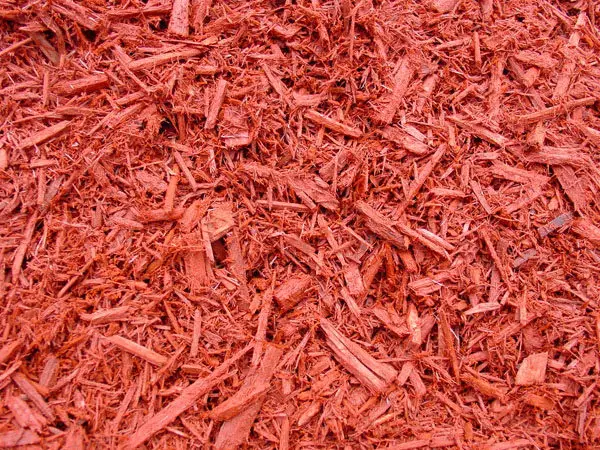
Red Mulch Delivery in Seattle, WA
Bulk red mulch delivered in Seattle, WA. Red color.
Red Mulch in Seattle: Warm Color for a Green, Rainy City
Seattle gardens are famously lush. The Pacific Northwest's long wet season keeps everything deeply green, which is exactly why a red mulch by the cubic yard throughout Seattle and the wider Seattle-Tacoma-Bellevue metro, with loads sized from a single bed refresh to full property and commercial jobs.
Why Seattle Yards Use Red Mulch
Contrast is the headline reason, but moisture management matters just as much in this climate. Seattle's frequent rain keeps beds damp, and a clean 3-inch mulch layer suppresses the weeds and liverwort that thrive in that constant moisture while still letting rain through to the roots. The typical local jobs are foundation and shrub beds, tree rings around the big conifers and maples that define Seattle streets, shade-garden borders under the canopy, and the spring color refresh homeowners do during the city's brief dry-weather windows.
Common local projects
- Foundation and entry beds where a red edge cuts through deep evergreen plantings.
- Tree rings protecting the roots of Seattle's many large conifers and maples from mower and string-trimmer damage.
- Shade-garden borders under canopy, where color is hard to get from flowers and mulch supplies it instead.
- Sloped-lot beds in West Seattle and hillside neighborhoods where a knitted layer resists washout in winter rain.
For a more naturalistic look that blends into wooded settings, many Seattle gardeners run Brown Shredded Mulch in the back garden or use Hardwood Mulch on utility paths, reserving red for the front beds where the contrast pays off most.
Local Delivery and Lead Times in Seattle
We run loads through the Seattle metro on a regular schedule. Smaller orders starting at 3 tons reach most Seattle addresses in 1-2 business days with a delivery fee of $260. Move up to an 8-ton load and most addresses get same or next day service with the fee dropping to $140. Order 15 tons or more and delivery is free, which is how most contractors and larger properties buy. We cover the city and the Eastside, with the longest regional run reaching down toward Portland, and far-distance hauls toward Sacramento and the Bay Area available only for the largest specialty orders given the distance.
The work rhythm here follows the weather. Seattle's heavy rain runs from fall through early spring, so the prime mulching window is the dry stretch from late spring through summer, when beds are workable and crews can spread without fighting mud. Demand peaks in those drier months, so booking a day or two ahead keeps your install on schedule.
How Much Red Mulch Do You Need?
Red mulch is sold by the cubic yard, and one yard covers about 100 square feet at a 3-inch depth, which is the standard for color and weed control. To estimate your order, measure your bed area in square feet, divide by 100, and that gives your yard count for a 3-inch layer.
A practical Seattle example: a typical bungalow front bed wrapping the porch and walkway often runs about 450 square feet, which is roughly 4.5 cubic yards at 3 inches. A larger sloped lot in West Seattle with terraced beds and several tree rings can reach 12 to 15 yards, which is exactly where the free-delivery tier becomes the smart buy.
Seattle Pricing Context
Bulk red mulch in Seattle starts at our best volume tier. Consolidating pays off. A single 15-ton load beats three small ones on per-ton cost and eliminates the $260 delivery fee a small order carries, so if you are mulching the whole property in one go, one larger drop is the clear choice.
Installation and Spreading Tips
Pull weeds and rake back any old, matted mulch first; in Seattle's damp climate, a thick old layer can hold moisture against crowns and stay soggy, so it is worth breaking it up so water moves through. Edge beds cleanly with a spade line or steel edging. Spread to a consistent 3 inches and keep mulch pulled two to three inches off trunks and stems, which is especially important in a wet climate where bark rot is a real risk. Try to spread during a dry window, and water lightly after only if the forecast is dry, to settle the red color and reduce the brief dye runoff fresh mulch can show.
Holding color in the Northwest
Seattle's frequent overcast skies mean lower UV than sunnier regions, so red mulch tends to hold its tone well here through the season. A light top-dress the following spring refreshes the look. If you want to improve the heavy, often-clay soils common around the city while you are at it, work a thin layer of Compost into the bed before mulching to feed the plants without disturbing the finished red surface.
Seasonal Notes for Washington
Western Washington's marine climate brings mild temperatures and a long, wet season rather than hard freezes. That moisture is the main thing to plan around: a 3-inch red layer still lets rain through to roots while suppressing the weeds and moss that flourish in damp ground. Avoid spreading on saturated beds, which is most of the rainy season, because walking wet soil compacts it; wait for a dry window and lay mulch on workable ground. For gardeners who prefer a darker, more modern look against all that green, Black Shredded Mulch is the usual alternative, but red remains the standout choice in Seattle for the sheer contrast it brings to an evergreen landscape.
Planning a Bulk Delivery in the Seattle Metro
The biggest single thing you can do to make a bulk delivery go smoothly is to plan where the pile lands. A driveway or a tarped section of lawn near your beds is ideal, and on the typical Seattle lot the driveway is the obvious staging spot. Think about the barrow run, too. Seattle's many sloped and split-level lots can put your beds well above or below the street, so stage the drop on the side that makes the wheelbarrow work easiest, and on a steep grade, plan to move material downhill rather than up wherever you can. For larger Eastside properties, splitting a 15-ton load into two staging points cuts the longest barrow runs roughly in half.
Because Seattle's spreading window depends on catching dry weather, watch the forecast and order so your install lands in a dry stretch. Doing the bed prep ahead of time, pulling weeds, edging, and breaking up any matted old mulch, means you can move straight from drop to spread when a dry day arrives. A full 15-ton load spread to 3 inches covers roughly 1,500 square feet of beds, a comfortable one-day job for two or three people that can completely reset the front of a property.
Buying for the dry-season window
Once you have measured your beds, your yard count is easy to reuse year to year. Keep it handy so you can reorder the same volume each season and hold the better per-ton tier. Because Seattle's dry spreading window is relatively short, ordering close to your planned install date is wise; fresh material spreads and colors best, and a pile left under a tarp through a wet stretch is less pleasant to work with than one delivered the day you spread.
About Red Mulch
About Red Mulch
Red Mulch is a shredded wood mulch finished with a colorfast red colorant that gives beds a bold, uniform tone. It is produced from clean, recycled wood fiber that is ground, screened, and dyed with iron-oxide and vegetable-based colorants that are safe for plants, pets, and people once cured. The result is a consistent brick-red product that resists the dull, patchy fading that undyed mulch shows as it ages.
The material weighs about 800 pounds per cubic yard, light enough to handle and spread by hand yet dense enough to stay put on slopes and in wind. It is sold in bulk by the cubic yard, so you order exactly the volume your beds need without the waste and expense of bagged material. A 3-inch application is standard for both color impact and weed suppression, and one cubic yard covers roughly 100 square feet at that depth.
also moderates soil temperature, conserves moisture, and suppresses weeds while it slowly breaks down to improve the soil beneath. For a more natural appearance it pairs well with Brown Shredded Mulch or Hardwood Mulch in adjacent areas, and a base layer of Compost can be worked in beneath it when soil enrichment is part of the project.
What Red Mulch costs in Seattle
Around Seattle, red mulch is quoted by the ton with delivery layered in based on distance from the closest yard. Send your ZIP and load size and we will send back a same-hour quote with the truck rate and the per-ton figure spelled out. Plan on roughly 270 sq ft of coverage per ton at 3 inches deep, which puts a single-car driveway in the 3 to 5 ton bracket.
How crews use Red Mulch in Seattle
Seattle contractors keep red mulch on the order sheet for a short list of standard installs. Top of the list is planting bed gravel, where the material is rolled out in tight urban lots and infill builds and screeded to grade. Right behind that is weed barrier gravel, common in dense neighborhoods where curb access is short and often paired with edging or fabric below the lift. Seattle sits at about 749,256 residents, which means we see steady weekday traffic from landscape crews and weekend pickups from owner-builders.
Delivery day in Seattle
Delivery in Seattle runs out of the nearest pit; you get a two hour arrival window the evening prior and a call when the driver leaves the scale. Plan for 12 ft of clear path for a tandem and 14 ft for a tri-axle, plus a level area at the dump point so the bed lifts straight. Standard lead time on this lane is Mon-Sat, with same-day windows held open for orders that hit the desk before 11 AM and clear payment.
Related materials we deliver in Seattle
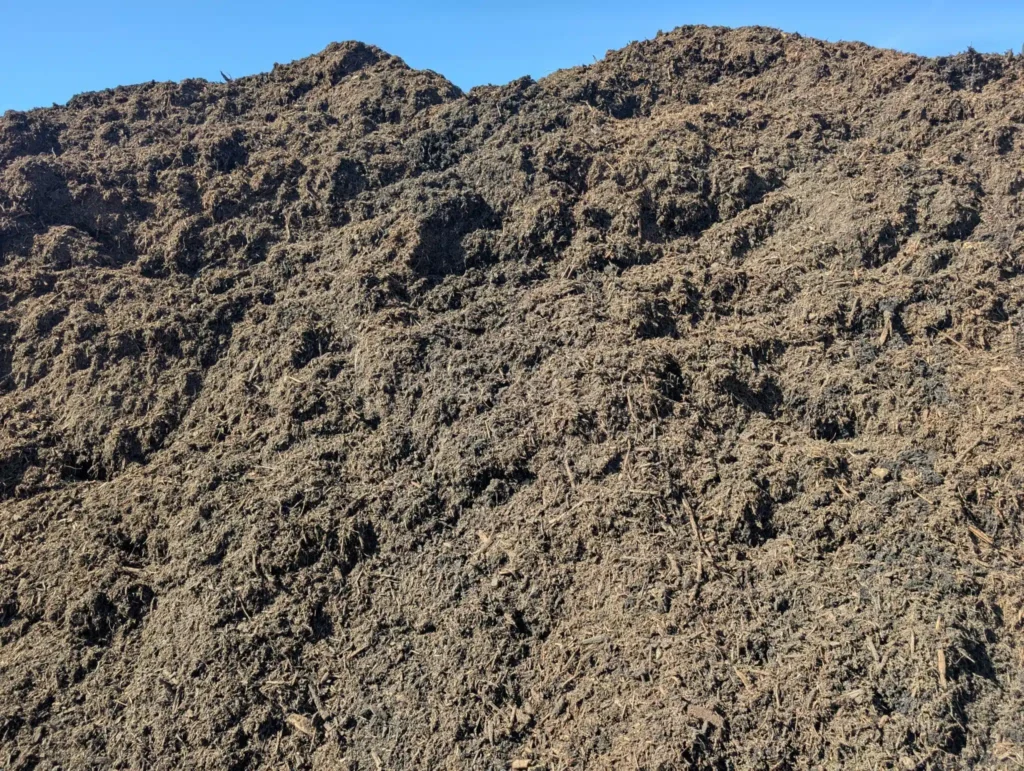
Estimate how much you need
Calculate Your Project
Estimate only. Add 10-15% for compaction and waste.
Browse more
Available in nearby cities
Plan your project
Related guides
 GUIDEHow Much Gravel Do I Need? Quick Sizing GuidePractical, field-tested guide: how much gravel do i need. Pulled from real US installer notes and 2026 supplier price data.Read guide →
 GUIDEWhat Is #57 Stone? Uses, Size, and Cost ExplainedPractical, field-tested guide: what is 57 stone. Pulled from real US installer notes and 2026 supplier price data.Read guide →
 GUIDEHow Deep Should a Gravel Driveway Be? Layer GuidePractical, field-tested guide: how deep should gravel driveway be. Pulled from real US installer notes and 2026 supplier price data.Read guide →
 GUIDEHow Much Does River Rock Cost? By Ton or YardRiver rock cost depends on your ZIP code, order size, and whether you buy by the ton or the cubic yard. Here is how pricing works.Read guide →
Frequently Asked Questions
How much red mulch do I need for a Seattle front bed?
Measure the bed in square feet and divide by 100 for a 3-inch depth. A typical bungalow front bed wrapping the porch and walkway, around 450 square feet, needs about 4.5 cubic yards. Larger sloped lots with terraced beds can reach 12 to 15 yards.
How fast can you deliver red mulch in Seattle?
A 3-ton order arrives in 1 to 2 business days. An 8-ton load usually qualifies for same or next-day delivery to most Seattle addresses. During the dry-season peak we recommend booking a day or two ahead.
Does red mulch work in Seattle's wet climate?
Yes. A 3-inch layer still lets rain pass through to the roots while suppressing the weeds and moss that thrive in damp ground. Keep mulch pulled back from trunks and stems, since bark rot is a real risk in a wet climate.
When is the best time to mulch in Seattle?
The dry stretch from late spring through summer is best, when beds are workable and you are not fighting mud. Avoid spreading during the long fall-to-spring rainy season when soil is saturated and compacts underfoot.
Will the red color fade in Seattle?
Seattle's frequent overcast skies mean lower UV than sunnier regions, so red mulch tends to hold its tone well through the season. A light top-dress the following spring refreshes the look without a full strip-out.
Is red mulch good for sloped lots in West Seattle?
Yes. The shredded texture knits together as it settles, so it resists washout and holds on a grade better than loose nugget products. That makes it well suited to the terraced and hillside lots common in West Seattle and similar neighborhoods.
How deep should I spread red mulch in Seattle?
Three inches is the standard depth for color and weed suppression. In Seattle's damp climate it is especially important to keep mulch two to three inches off trunks and stems to prevent bark rot, and to break up any thick old layer first.
Do you deliver red mulch to the Eastside and beyond?
Yes. We cover the full Seattle-Tacoma-Bellevue metro including the Eastside. The longest regular regional run reaches toward Portland, and very long hauls toward Sacramento and the Bay Area are possible only for the largest specialty orders.