
Red Mulch Delivery in Phoenix, AZ
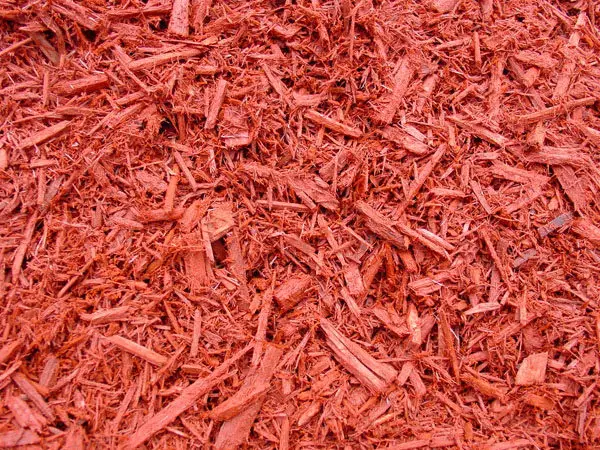
Bulk red mulch delivered in Phoenix, AZ. Red color.
From $88.00/ton delivered, free delivery on full loads
Red Mulch in Phoenix, AZ: Color and Moisture Control for the Desert Yard
In the Sonoran Desert, a mulch layer is not a luxury, it is part of keeping plants alive through brutal summers, and Red Mulch adds bold brick-red color on top of that working function. Across the Phoenix-Mesa-Chandler region we deliver Red Mulch by the cubic yard to homeowners softening gravel yards with planting beds, landscape crews building desert-adapted designs, HOAs maintaining common areas, and commercial sites dressing up entries and medians. While much of the Valley leans on rock, plenty of Phoenix landscapes use organic Red Mulch around trees, shrubs, and bed plantings precisely because of what it does for soil moisture and root temperature in a climate that punishes both.
Why Phoenix Yards Use Red Mulch
Moisture retention is the headline. A 2 to 3 inch layer of Red Mulch dramatically slows evaporation from drip-irrigated beds, which is critical when summer highs sit above 110 degrees and water is precious. It also shields root zones and soil microbes from the scorching surface temperatures that build under the desert sun. Visually, the red tone brings warmth and contrast against the tans and grays of decomposed granite and desert stone, and it frames trees, shrubs, and accent plantings without the glare that light gravel throws back. Typical Phoenix jobs include tree rings around desert-adapted trees, planting beds carved out of gravel yards, playground and park borders, and HOA color refreshes. Many homeowners run Red Mulch in showcase beds and use Brown Shredded Mulch in shaded courtyards or Black Shredded Mulch around modern hardscape for contrast.
Local Delivery and Lead Times Across the Valley
We deliver throughout Phoenix and the surrounding Valley every day, including over to Tempe about 8 miles southeast and Scottsdale roughly 9 miles northeast, with regular routes reaching Glendale, Mesa, Peoria, and Chandler. Smaller 3 ton orders ship in 1 to 2 business days, while orders of 8 tons and up often go out same or next day. Because Valley summers are extreme, we schedule drops early in the day when crews want to spread before the afternoon heat sets in. If you are running projects in more than one Valley city, we can stage deliveries so every site stays supplied without overstocking.
How Much Red Mulch Do You Need?
Red Mulch is sold by the cubic yard. One yard covers about 100 square feet at a 3 inch depth, which is the standard for color beds and worthwhile in the desert where a deeper layer pays off in moisture savings. Take a typical Phoenix yard with a few planting beds and three tree rings totaling 450 square feet: at 3 inches that is roughly 4.5 cubic yards. A larger HOA frontage running 1,200 square feet at the same depth lands near 12 yards. For a 2 inch top-dress over existing mulch you stretch coverage to about 150 square feet per yard. Measure length times width, divide by your coverage figure, and round up so you have enough for tree rings and bed edges.
Phoenix Pricing on Bulk Red Mulch
Pricing is tiered so the per-unit cost drops as the load grows, which suits HOAs and landscape crews buying for the season. Red Mulch in Phoenix starts from $88 per yard. The entry tier is a 3 ton minimum at $118 per ton with a $229 delivery fee and 1 to 2 business day turnaround. Step up to 8 tons and the rate falls to $100 per ton with delivery cut to $123 and same or next day service. At 15 tons the rate reaches $88 per ton with free delivery. For an HOA mulching all common areas at once, or a landscaper supplying several Valley jobs in a single run, consolidating into the 15 ton tier is usually the smartest way to drop both the rate and the freight charge to zero.
Spreading and Installation Tips for Desert Beds
Clear weeds and lightly rake the surface so the new layer settles in. Spread Red Mulch 2 to 3 inches deep, and keep it pulled back a couple of inches from trunks and stems; even in dry Phoenix air, piling mulch against bark can trap drip-line moisture and invite problems. Make sure your drip emitters sit at the soil surface beneath the mulch so water reaches roots rather than just wetting the mulch top. Phoenix soils are often alkaline and low in organic matter, so for new planting beds work a layer of Compost into the soil first to build structure and water-holding capacity before topping with Red Mulch. The shredded texture mats and grips, which helps it stay put when the occasional monsoon gust or downpour rolls through. For high-traffic walkways and play borders, Hardwood Mulch holds up longer underfoot than dyed shredded mulch.
Organic Mulch in a Gravel-Yard City
Phoenix is famous for decomposed-granite and rock yards, and there is a good reason so many Valley homeowners are now adding organic Red Mulch back into their planting beds. Rock looks tidy and lasts forever, but it bakes in the sun, radiates heat back into the yard, and does nothing for the soil beneath living plants. Trees, shrubs, and bed plantings do measurably better with an organic layer over their root zones, because Red Mulch cools the soil, feeds it slowly as it breaks down, and holds the drip-irrigation water that gravel simply lets evaporate. The smart Valley approach is often a hybrid: keep gravel in the wide passive areas and low-traffic zones, but ring your trees and fill your active planting beds with Red Mulch so the plants you actually care about get the moisture and root protection they need. The brick-red color also breaks up the monotony of an all-gravel lot and gives the yard a warmer, more designed feel.
One Supplier Across the Valley
Landscape crews working metro Phoenix cover a lot of distance, and pulling every drop from one yard keeps both freight and color consistent. A crew might mulch tree rings in Phoenix in the morning, finish an HOA common area in Tempe about 8 miles southeast by midday, and dress a commercial entry in Scottsdale roughly 9 miles northeast that afternoon, with Mesa and Chandler on the week's schedule. Sourcing it all from us means the grade and red tone match across every site, which matters when a property manager expects identical beds throughout a community. We can also split a load so you get Red Mulch for showcase beds and Hardwood Mulch for high-traffic paths in a single early-morning delivery, beating the worst of the Valley heat.
Seasonal Notes for Arizona
Phoenix landscapes are worked nearly year-round, but the calendar bends around the heat. The biggest push runs the cooler months, roughly October through April, when planting and bed work are comfortable and homeowners refresh color ahead of and through the prime growing window. Getting a fresh mulch layer down before the summer onslaught is the single best thing you can do to protect drip-irrigated beds; from May through September, that layer cuts evaporation and keeps roots cooler when surface temperatures are brutal. Because the desert sun is intense, dyed Red Mulch fades gradually, so a light top-dress in fall or early spring restores the color without rebuilding the bed. The monsoon season can also scatter loose material, which is another reason the matting shredded grade beats nugget products here. Whether you are softening a single gravel yard in Phoenix, supplying a crew working from the city over to Tempe and Scottsdale, or maintaining HOA grounds across the Valley, we will size the load, schedule an early drop ahead of the heat, and keep your Phoenix beds bold in color and protected against the desert sun.
About Red Mulch
About Red Mulch
Red Mulch is produced from clean, recycled wood fiber that is ground, screened, and color-treated for an even, durable finish. It weighs roughly 800 pounds per cubic yard, light enough to move with a wheelbarrow and rake yet heavy enough to stay put on graded beds through wind and monsoon gusts.
The material is a standard shredded grade that mats together well, which helps it resist wind scatter and stay in place on slopes far better than chunky nugget products, a real advantage in monsoon country. Typical uses include residential planting beds, tree rings around desert-adapted trees, commercial frontage beds, playground and park borders, and color accents around hardscape and signage. A 2 to 3 inch layer suppresses weeds, conserves soil moisture, moderates soil temperature in extreme heat, and gives beds a clean, uniform look that holds color for most of a growing season.
is sold in bulk by the cubic yard, which is far more economical for medium and large jobs than bagged product and leaves much less plastic to dispose of. For customers who want other looks or longer service life, it sits alongside Brown Shredded Mulch and Black Shredded Mulch for color variety, Hardwood Mulch for high-traffic durability, and Compost for soil building beneath the mulch layer. As with any dyed mulch, keep it slightly back from plant stems and tree trunks, and water beds in after spreading to help the color set and settle any loose dust.
What Red Mulch costs in Phoenix
Local Phoenix yards quote red mulch by the ton; the delivered number includes fuel, the truck, and the haul. Pricing in Phoenix starts at $88 per ton on full-truck loads, which works out to roughly $35 per cubic yard at the typical density of 800 lb per yard. A ton of this material spreads across about 270 sq ft when laid 3 inches deep, useful when you are sizing a patio base or a walkway run.
How crews use Red Mulch in Phoenix
In and around Phoenix, red mulch shows up most often on two project types. The most common deployment is planting bed gravel, often in tight urban lots and infill builds in two to three inch lifts. Second on the list is weed barrier gravel, which we see in dense neighborhoods where curb access is short on partial-truck deliveries. At roughly 1,608,139 people, the Phoenix order mix leans toward 3 to 8 ton residential drops with the occasional 16 ton job for a contractor.
Delivery day in Phoenix
A typical Phoenix drop is dispatched from the closest yard with a two hour window and a heads-up call once the truck is loaded. Tandem trucks want a 12 ft lane in and out; tri-axles need 14 ft, and both want firm ground at the tipping spot so the load releases cleanly. Standard lead time on this lane is Mon-Sat, with same-day windows held open for orders that hit the desk before 11 AM and clear payment.
Related materials we deliver in Phoenix
Delivered pricing in Phoenix
| Order size | Price / ton | Delivery fee | Lead time |
|---|---|---|---|
| 3+ tons | $118 | $229 | 1-2 business days |
| 8+ tons | $100 | $123 | Same/next day |
| 15+ tons | $88.00 | Included | Free delivery |
Estimate how much you need
Calculate Your Project
Estimate only. Add 10-15% for compaction and waste.
Browse more
Available in nearby cities
Plan your project
Related guides
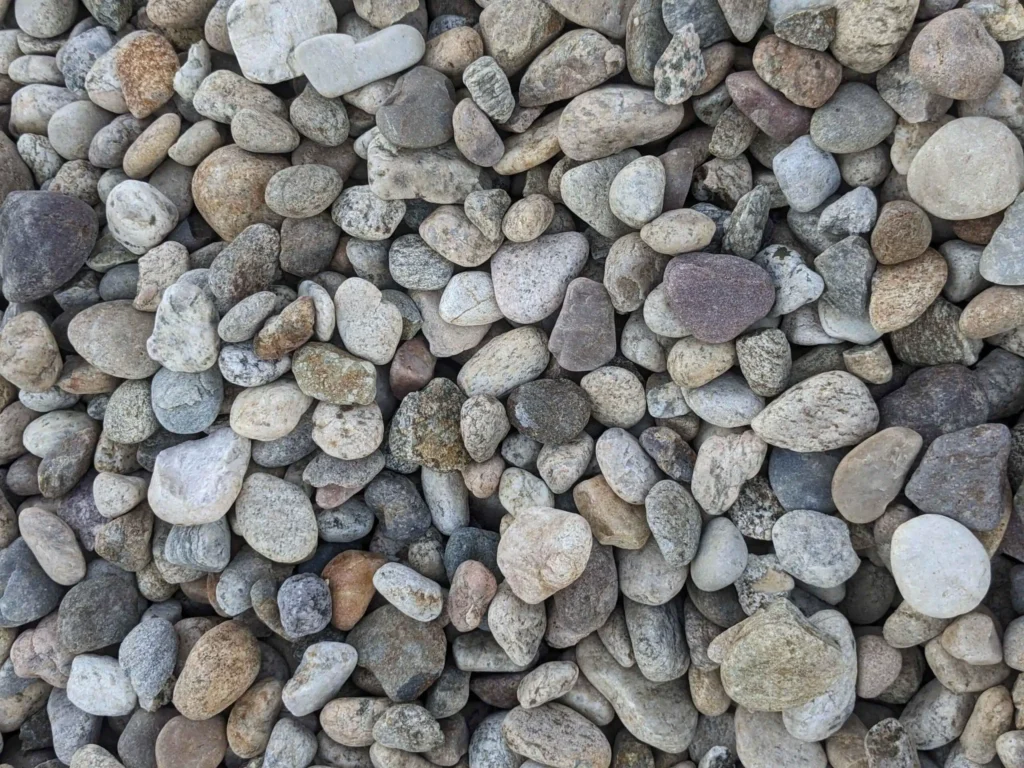 GUIDEThe Different Types of Gravel and How to ChooseA plain-language guide to the main types of gravel, covering pea gravel, crushed stone, river rock and decomposed granite.Read guide →
 GUIDEWhat Are Screenings? A Guide to Crushed Stone FinesScreenings are fine crushed stone used for paver bases, joint fill and walkways. See what screenings are, common types, and mistakes to avoid.Read guide →GUIDEWhat to Put Under River Rock for Landscaping BedsHere is what to put under river rock landscaping: a compacted base where needed, then landscape fabric, then rock, to stop weeds and settling.Read guide →GUIDEHow to Clean River Rock and Restore Its ColorLearn how to clean river rock landscaping with rinsing, soap and vinegar methods, plus common mistakes to avoid for a brighter, longer lasting rock bed.Read guide →
Frequently Asked Questions
How much Red Mulch do I need for a typical Phoenix yard?
One cubic yard covers about 100 square feet at a 3 inch depth. A yard with a few planting beds and three tree rings totaling 450 square feet needs about 4.5 yards, while a 1,200 square foot HOA frontage runs near 12 yards. Measure length times width, divide by 100, and round up.
What is the minimum order for Red Mulch delivery in Phoenix?
The entry tier is a 3 ton minimum at $118 per ton with a $229 delivery fee. At 8 tons the rate drops to $100 per ton, and at 15 tons it reaches $88 per ton with free delivery. Larger loads cost noticeably less per unit.
How fast can you deliver Red Mulch across the Valley?
Smaller 3 ton orders typically arrive in 1 to 2 business days. Orders of 8 tons and up often ship same or next day. We schedule drops early in the day so crews can spread before the afternoon heat sets in.
Does Red Mulch really help in the desert heat?
Yes. A 2 to 3 inch layer dramatically slows evaporation from drip-irrigated beds and shields root zones from scorching surface temperatures. Getting mulch down before summer is one of the most effective, low-cost ways to protect plantings and save water in Phoenix.
Is Red Mulch safe around children and pets?
Yes. The red color comes from iron-oxide colorant, widely used in landscaping and considered safe around plants, pets, and children once cured. Watering the bed in after spreading helps the color set and settles any loose dust.
Where should my drip emitters go under the mulch?
Place drip emitters at the soil surface beneath the Red Mulch so water reaches the roots rather than just wetting the mulch top. Keep the layer 2 to 3 inches deep and pull it back a couple of inches from trunks and stems to avoid trapping moisture against bark.
Will Red Mulch work with Phoenix's alkaline, low-organic soil?
When is the best time to mulch in Phoenix?
The biggest push runs the cooler months, roughly October through April, when bed work is comfortable and homeowners refresh color. Getting a fresh layer down before May is ideal, since it cuts evaporation and protects roots through the brutal summer.
How long does the red color last in the desert sun?
Dyed Red Mulch generally holds its color for most of a growing season, though intense desert sun fades it gradually. A light top-dress in fall or early spring restores the fresh look without rebuilding the whole bed.
Will monsoon storms wash the mulch away?
The shredded grade we supply mats together and grips graded beds far better than chunky nugget products, so it holds up to monsoon gusts and downpours much better. Spreading it 2 to 3 inches deep and watering it in after install helps it settle and stay in place.