
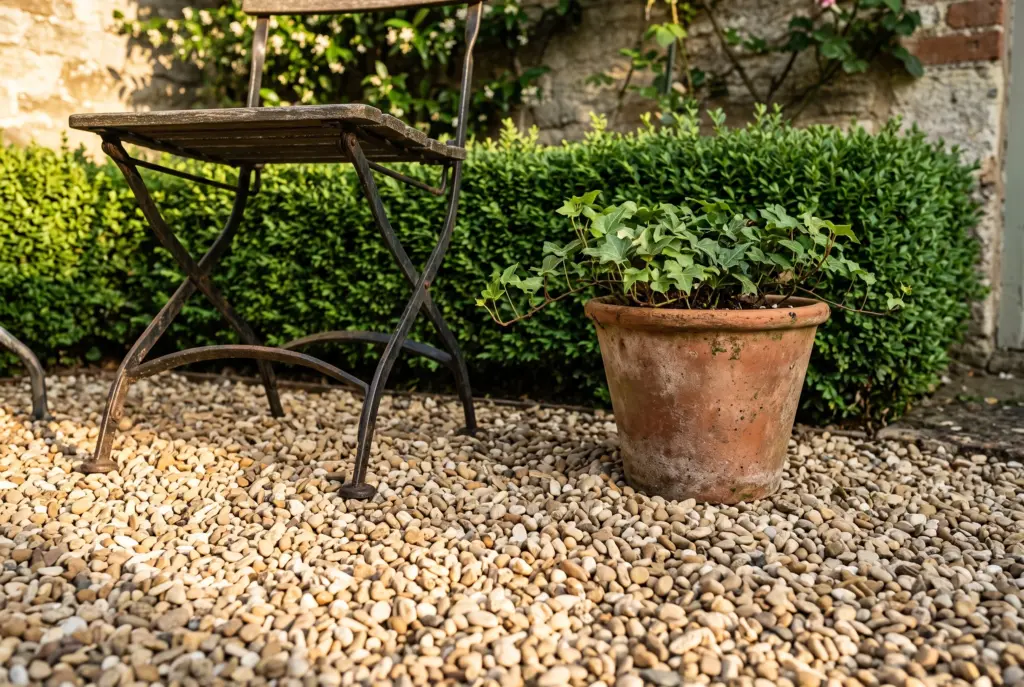
Patio Gravel for Salem, Oregon Homes
Material picks, pricing, and pro tips for patio gravel projects in Salem, OR.
Patios in Salem's growing residential market
Salem, Oregon's state capital, sits in the heart of the Willamette Valley. The area has seen steady growth with new neighborhoods and renovation projects throughout the city. A pea gravel patio is an affordable, practical choice for homeowners looking to add outdoor living space without the cost and labor of concrete or pavers.
The valley's climate is mild but wet. Fall and winter bring frequent rain. A well-built pea gravel patio with a proper base layer and slope handles this moisture reliably. Your success depends less on the gravel itself and more on what goes underneath.
Planning your patio dimensions and base
Start with accurate measurements. Take length and width measurements of your patio in feet. Understand how water flows across your property. Most Salem properties slope gently toward creeks or ditches, so use that slope to your advantage.
Dig down 4 inches and remove any grass, roots, or soft soil. Lay a base of crushed stone stable for years. Walk it, tamp it, or drive over it multiple times to lock it in place.
Materials and pea gravel options
Pea gravel comes in a range of sizes and colors. Small pea size, about a pea-sized stone or slightly larger, is the most popular for residential patios. Medium and large sizes are available. Most pea gravel in the Salem area is warm tan, rust, or gray tones that blend naturally with landscaping.
Smaller pebbles feel nicer underfoot and stay in place better during heavy traffic. Larger marble-chip sizes drain faster and look more open and spacious. Patio gravel is sold by the ton, not cubic yards. Know your tonnage when you contact a supplier for a quote.
Tonnage calculation and ordering
To find your tonnage, multiply length times width times depth in inches, then divide by 324. This gives you cubic yards. Pea gravel weighs about 1.4 tons per cubic yard. Add 10 percent to account for settling and minor displacement. Use the calculator to convert your patio dimensions to tons if you prefer not to do the math.
At 15 tons or more, you qualify for free delivery to Salem. Orders below the free delivery threshold carry a delivery fee. Get a quote for your ZIP code and exact tonnage to see the total landed cost, including the delivery fee if applicable.
Delivery and installation in Salem
Most deliveries to the Salem area arrive within 1 to 2 business days. The truck will back into your driveway or drop the material at the street, depending on access and your preference. Have a clear path for the truck and a spot ready to receive the load.
Delivery in Salem includes the truck arriving at your address, backing to a safe spot, and dropping the material. From there, you'll spread it with a shovel or rake, water it lightly to help settle, and level out any high spots after a few days. Within a week, your patio will be fully usable.
Maintenance and long-term care
Pea gravel patios need little maintenance, but they do settle and compress over time. Rake occasionally to keep the surface level and attractive. Most patios need a small top-up load every 2 to 3 years. Track your original tonnage and cost so you can order a refresh load when depth starts to decline.
About Patio Gravel projects
Patio gravel projects work well throughout the Willamette Valley where rain and clay soil demand good drainage. Pea gravel creates an inviting outdoor patio surface that handles the climate, remains easy to maintain, and complements homes and gardens year-round.
Recommended materials for
 Price by ZIP
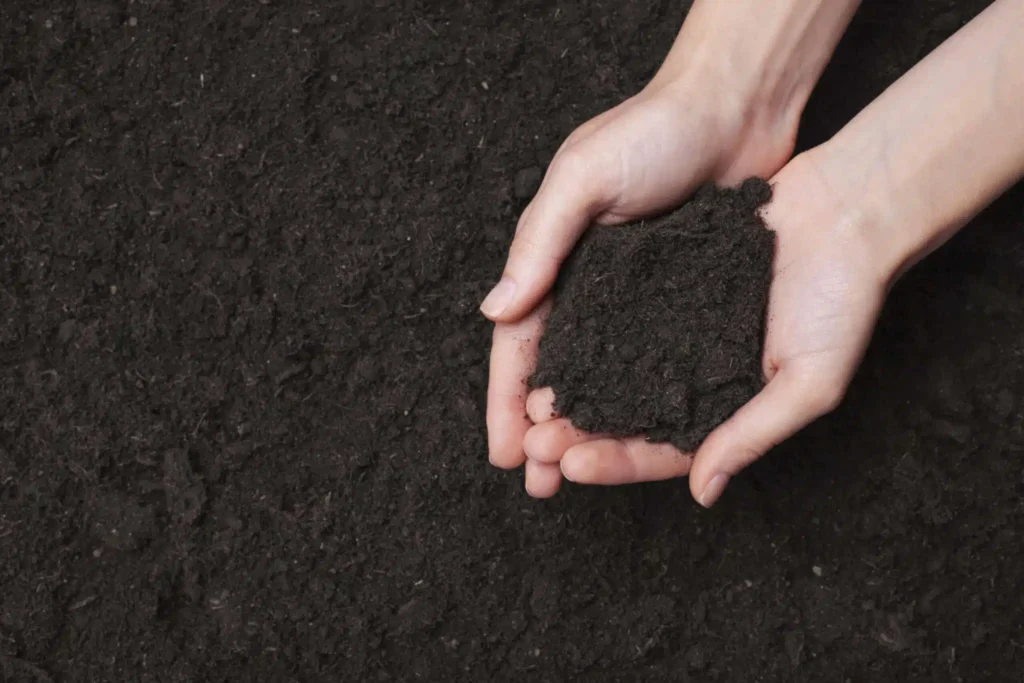
- SizeScreened, no size grade
- Density2200 lb/yd³
- ColorDark brown
 Price by ZIP
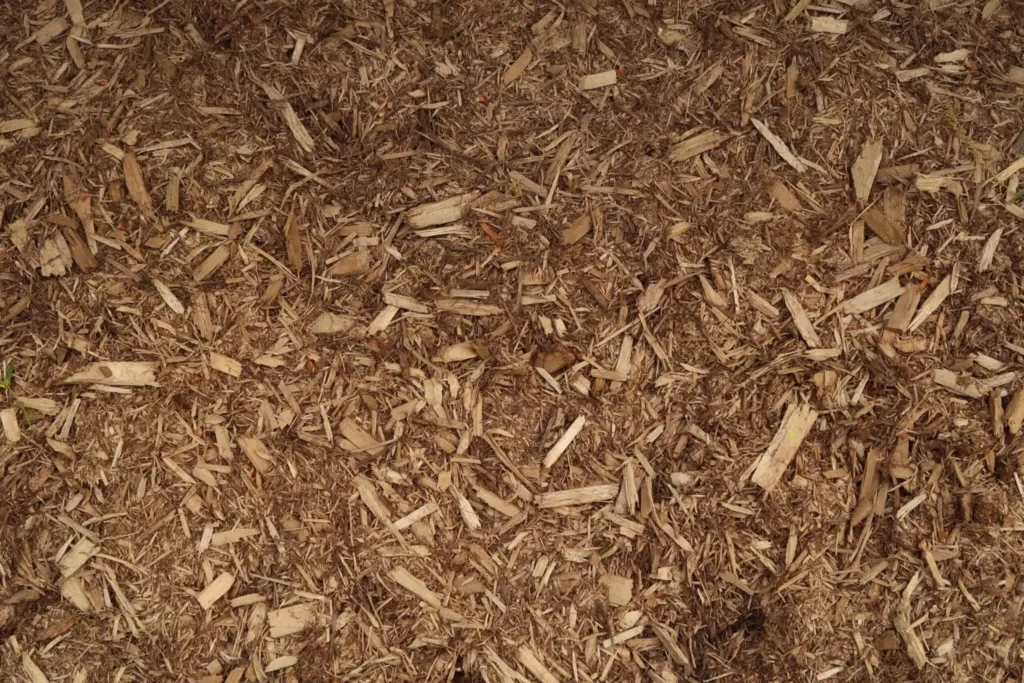
- Density800 lb/yd³
- ColorBrown, black, red
 Price by ZIP
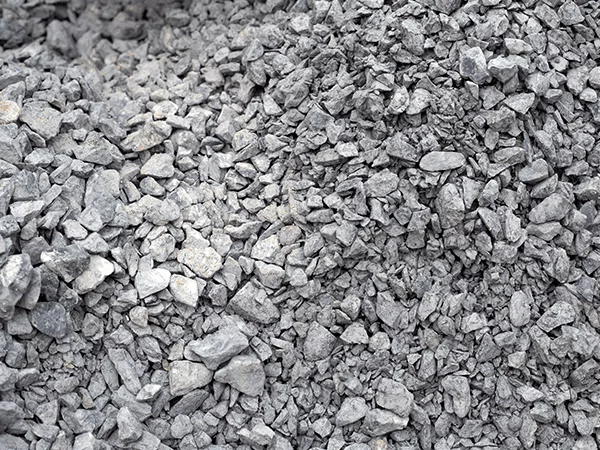
- SizeDense-graded, varies
- Density2500 lb/yd³
- ColorGray / white
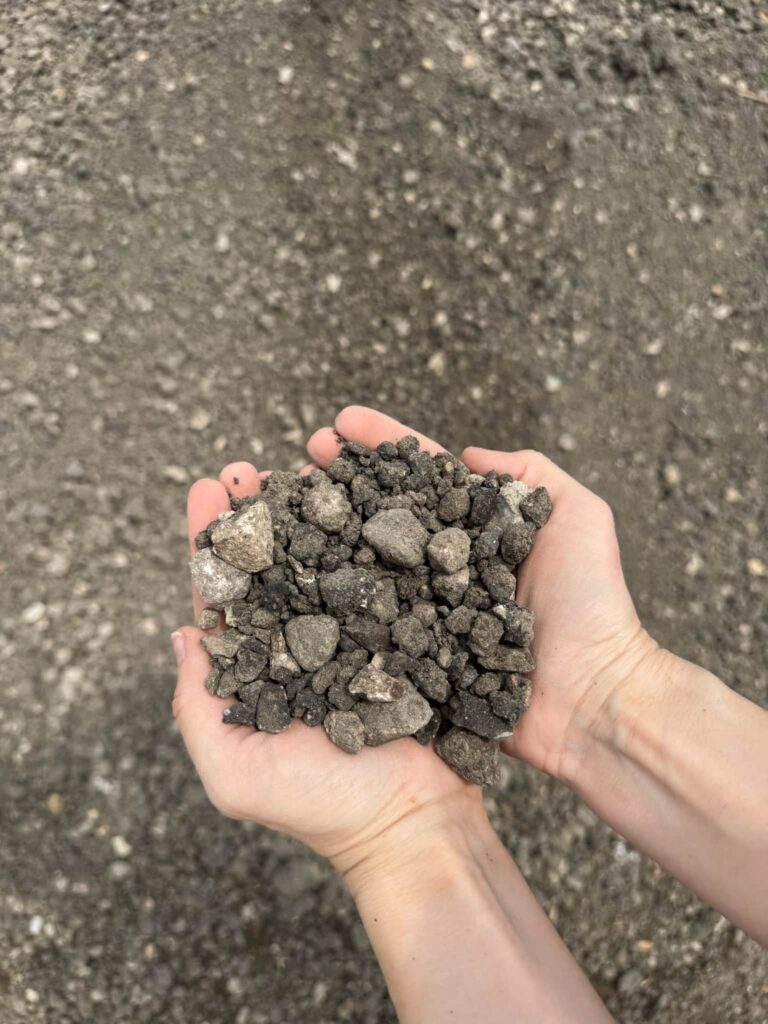 Price by ZIP
- SizeDense-graded, varies
- Density2400 lb/yd³
- ColorBlack
How a patio gravel project goes
- Map out your patio sizeMeasure your patio's length and width in feet at your Salem site. Identify shade from trees and nearby structures. Determine your target depth, usually 2 to 3 inches. These specifics drive your tonnage order and help you picture the finished patio.
- Prepare the ground and baseRemove grass, weeds, and surface matter from your Salem patio location. Dig 4 inches down to bare earth. Lay a compacted base of crushed stone or recycled concrete. Tamp it firmly with every pass. This base supports drainage and prevents the pea gravel from sinking into the Salem area's clay-silt soil.
- Calculate your pea gravel orderMultiply patio length by width by depth in inches. Convert cubic feet to cubic yards by dividing by 324. Convert to tons by multiplying by 1.4. A 15 by 12 foot patio at 3 inches needs about 1.9 cubic yards or 2.7 tons. Add 10 percent for settling and minor waste.
- Pick your pea gravel stylePea gravel ranges from small pea-sized to large marble chips. Small sizes nest and stay in place. Large sizes drain quickly and look more decorative. Pick based on comfort, drainage needs and aesthetic preference. Both work well in Salem's climate.
- Finalize and installArrange your delivery, clear property access, and gather spreading tools. The truck deposits material at your property edge. Spread, rake, and level the gravel. Water lightly and allow several days for settling before enjoying your finished patio.
Estimate your material
Calculate Your Project
Estimate only. Add 10-15% for compaction and waste.
Patio gravel in Salem's climate
Picking the right material for a patio gravel project in Salem comes down to how the climate treats it. Wet winters and dry summers. Stone with strong drainage prevents winter saturation under traffic. For patio gravel work specifically, that means choosing material that handles local moisture and traffic loads without re-dressing every season.
The small market profile of Salem also shapes how a project runs. Most jobs are residential, with the occasional school or municipal project. Truck access is usually wide and turnarounds run fast.
Where we deliver patio gravel material in Salem
Our delivery footprint around Salem covers the core city plus a typical 35-mile radius. Recent patio gravel drops have included:
- central historic streets in and around Salem
- cul-de-sac neighborhoods in and around Salem
- small farms on the city edge in and around Salem
- retail centers with parking expansions in and around Salem
If your address is outside that radius, send your ZIP through the contact form and we will confirm coverage within an hour.
Pricing for patio gravel in Salem
Here is what the recommended patio gravel materials are running in Salem right now. Full-truck orders (16 tons or more) typically save 15 to 20 percent off these per-ton rates.
| Material | Price from |
|---|---|
| Bulk Topsoil Delivery in Salem, Oregon | Quote on request |
| Mulch Delivery in Salem, Oregon | Quote on request |
| Crushed Concrete Delivery in Salem, Oregon | Quote on request |
| Asphalt Millings Delivery in Salem, OR | Quote on request |
Browse more
Recommended materials in Salem
Same project in nearby cities
Tools to plan your project
Related guides
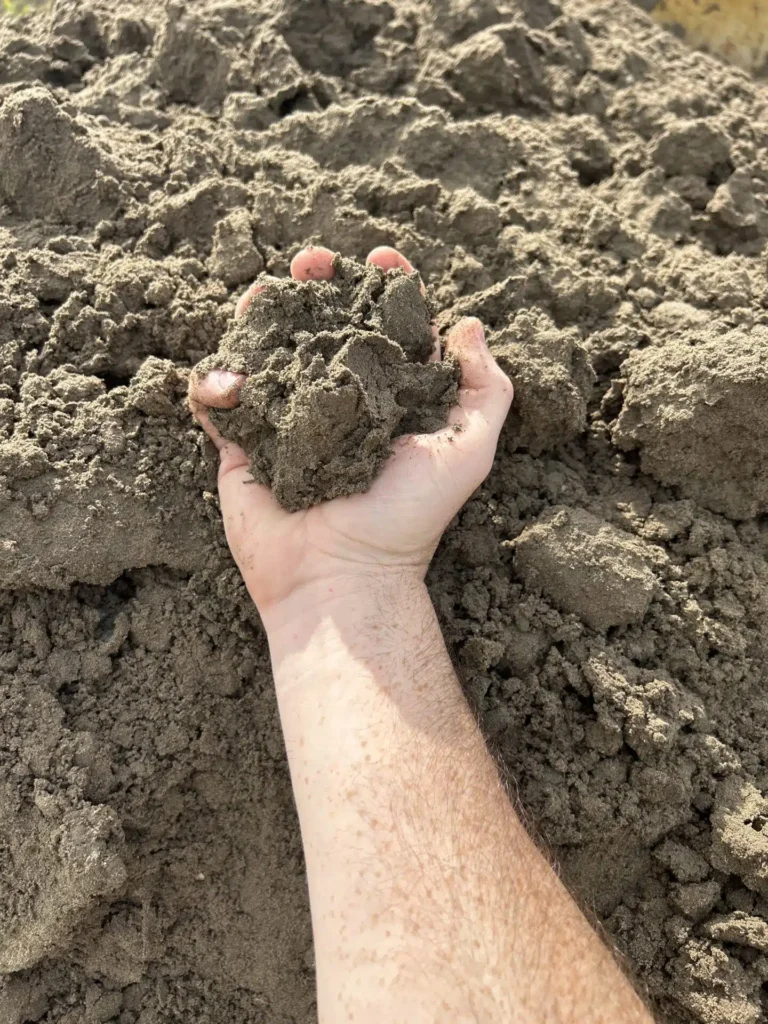 GUIDEWhat Is #57 Stone? Uses, Size, and Cost ExplainedPractical, field-tested guide: what is 57 stone. Pulled from real US installer notes and 2026 supplier price data.Read guide →
 GUIDEHow Deep Should a Gravel Driveway Be? Layer GuidePractical, field-tested guide: how deep should gravel driveway be. Pulled from real US installer notes and 2026 supplier price data.Read guide →
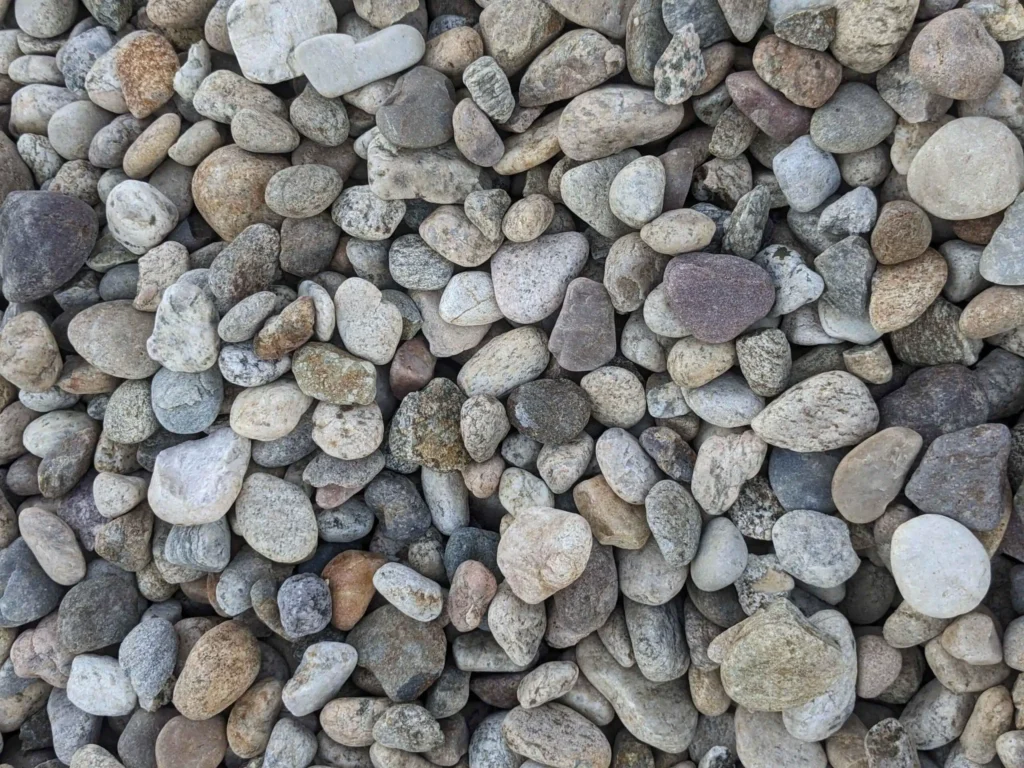 GUIDEHow Much Does River Rock Cost? By Ton or YardRiver rock cost depends on your ZIP code, order size, and whether you buy by the ton or the cubic yard. Here is how pricing works.Read guide →
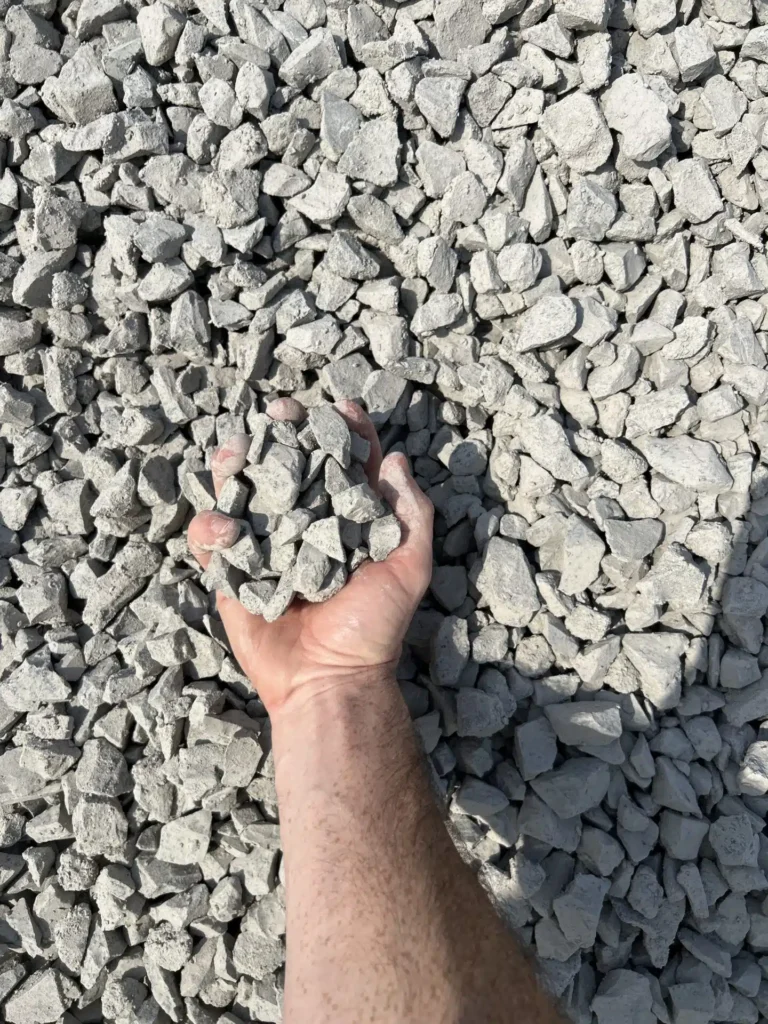 GUIDEWhat Size Crushed Stone Goes Under a Concrete SlabMost slabs need 4 to 6 inches of compacted crushed stone underneath. What size crushed stone under a concrete slab needs, and why it matters.Read guide →
Frequently Asked Questions
What's the difference between pea gravel and river rock?
Pea gravel is weathered river rock can be mixed sizes.
How long does a pea gravel patio last in Salem?
A well-built patio with a solid base lasts many years. The top layer settles and compresses over 2 to 3 years depending on traffic. Refresh with a top-up load to maintain depth and appearance. The base layer lasts indefinitely if properly compacted.
Can I mix pea gravel sizes?
Yes. Some suppliers offer mixed sizes that include both small pea and larger marble chips. This can improve drainage while maintaining some compaction. Ask your supplier what mixes they stock and what they recommend for your climate and foot traffic.
Does Salem's clay soil affect pea gravel installation?
Yes. Clay compacts hard and doesn't drain. Dig deeper than normal and use extra base material to break up the clay layer. A 6-inch base of mixed stone and gravel, worked into the clay, improves drainage significantly. A solid base prevents puddling.
What equipment do I need to install pea gravel?
A shovel, rake, wheelbarrow if hauling yourself, and a tamper or heavy tools to compact the base. You can rent a plate compactor if your patio is large. Many homeowners hire the spreading work out, which is quick and affordable.
Can I install pea gravel over an existing concrete pad?
Yes. Clean the concrete to remove moss and debris. Lay landscape fabric to prevent gravel from settling into cracks. Spread pea gravel 1 to 2 inches deep. This creates a softer surface while using the concrete as your base.
How do I prevent weeds in a pea gravel patio?
Use landscape fabric underneath. Lay permeable landscape fabric over your compacted base before spreading gravel. This blocks most weed seeds from reaching soil while allowing water to drain. Some persistent weeds still find their way through, but far fewer than without the barrier.
What size pea gravel is best for high-traffic areas?
Small pea size holds up better under heavy use. The stones nest together, resist movement, and feel more solid. You might need a refresh sooner in high-traffic areas, but the initial installation will be more stable. Large marble chips work fine for decorative or low-traffic zones.