
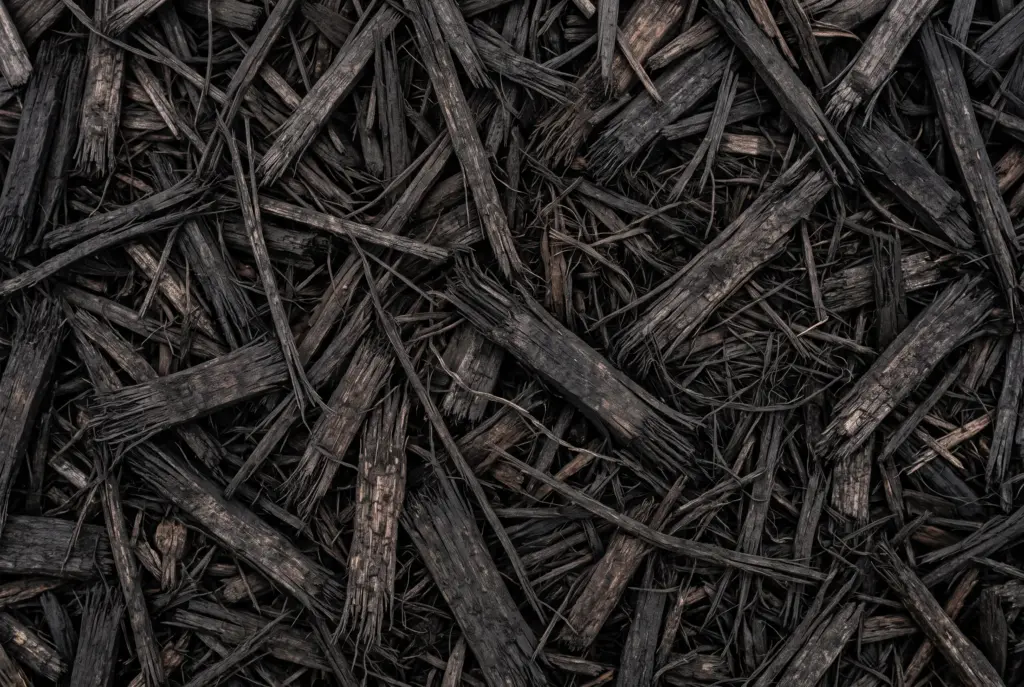
Mulch Delivery in Tuscaloosa, AL
Bulk mulch delivered in Tuscaloosa, AL. Brown, black, red color.
Mulch for Tuscaloosa yards and landscaping
Tuscaloosa's warm, humid climate creates ideal conditions for mulch to perform as a landscape staple. Whether you're protecting newly planted shade trees along the Black Warrior River bottomland or preparing garden beds for the growing season, mulch helps retain moisture and moderate soil temperature year-round. We deliver mulch to Tuscaloosa in cubic yards, with several color and grade options to match your project's look and budget.
Local overview for Tuscaloosa
Tuscaloosa sits in Alabama's hilly interior, where summer heat and humidity demand smart irrigation choices. The city's residential neighborhoods and institutional grounds benefit from mulch that reduces watering frequency while adding organic matter to soils that can lean toward clay. Our deliveries reach home gardeners, landscape contractors, and grounds keepers throughout the metro area and surrounding communities.
Best uses in this area
Mulch in Tuscaloosa works hard on several fronts. Shredded hardwood mulch breaks down naturally, feeding the soil as it protects against weeds and temperature swings. It's the standard choice for tree beds, shrub borders, and perennial gardens. Black and red mulch options appeal to homeowners seeking a finished, color-coordinated look that complements new construction or renovated landscapes. For playground safety or erosion control on steeper sites, coarser mulch grades perform well. Wood chips offer a similar color palette at a comparable price point, with a chunkier texture that some prefer for rustic or naturalistic settings around shaded areas and shade trees.
Delivery and lead times
We maintain delivery availability across Tuscaloosa seven days a week. Small orders of 3 to 7 cubic yards typically arrive within 1 to 2 business days. Larger shipments of 8 to 14 cubic yards qualify for faster routing and same-day or next-day delivery. Orders of 15 cubic yards or more arrive with delivery in Tuscaloosa handled at no extra charge, again within the same window. Exact timing depends on current demand and the day you place your order, but we'll confirm the delivery slot before we load the truck. Most deliveries happen during business hours, though weekend and evening windows are available in some areas.
How much mulch you need
A quick way to estimate is the depth rule: aim for 2 to 3 inches of mulch in most beds, or 4 to 6 inches if erosion or moisture retention is the priority. Multiply the bed's length and width in feet, then multiply by your desired depth in inches, and divide by 324 to get cubic yards. For example, a 10-foot by 20-foot bed at 3 inches deep needs about 1.85 cubic yards. A common front-yard renovation using 500 to 600 square feet of beds works out to roughly 4 to 6 cubic yards. Our the calculator, once, inside the how-much-you-need section does the math for you and returns a bulk quote for your quantity and location.
Pricing notes
Mulch is sold by the cubic yard, not by weight. Your price depends on three factors: quantity, delivery distance, and the specific mulch color or grade you choose. Small quantities carry a modest per-yard markup and a delivery charge. Bulk orders starting at 15 cubic yards clear the delivery fee entirely, reducing your per-yard cost considerably. We quote delivered pricing by ZIP code, so enter yours on our product page to see the exact rate for your order size. Most customers find that buying in bulk saves money compared to filling beds piecemeal from a local garden center.
Ordering
Start by selecting your mulch type and color on our Mulch in Alabama (link up to the state hub once) page, then enter your quantity and ZIP. We'll show you available delivery windows and your all-in price, including any applicable fees. Confirm your order online, and we'll dispatch the truck from our nearest distribution point. Questions about grades, colors, or whether mulch fits your project? Call or chat with our team before you order; most decisions can be made in a few minutes.
About topsoil and mulch together
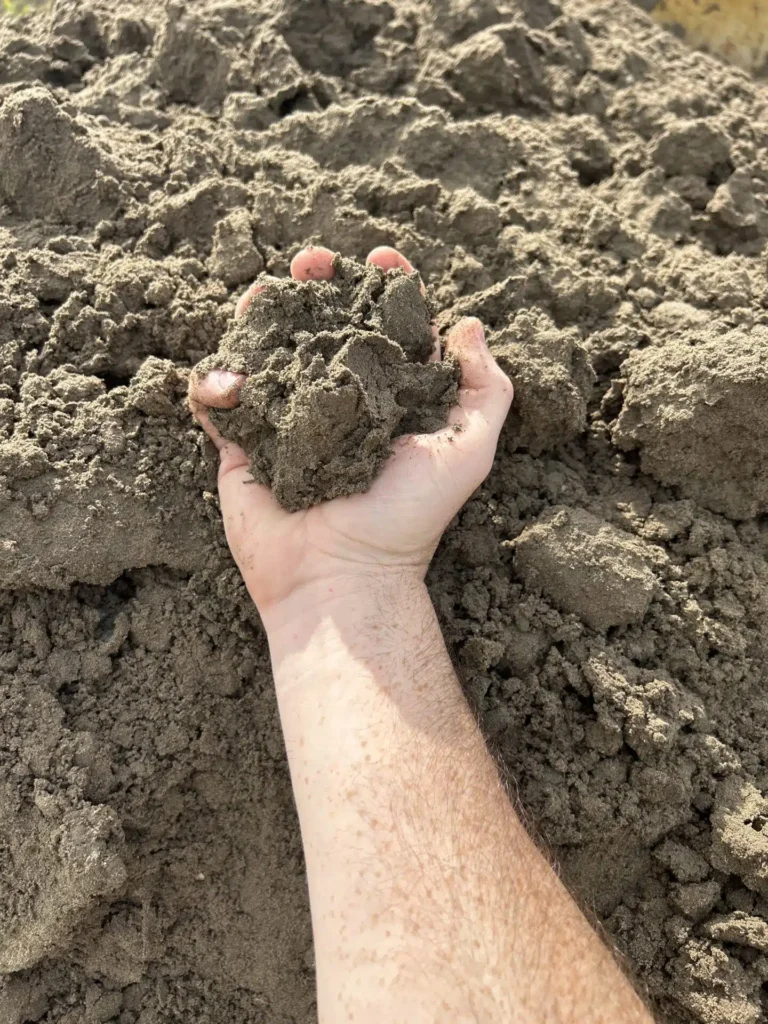
Many Tuscaloosa projects benefit from layering both materials. Install fresh topsoil in Tuscaloosa as a foundation if your native soil is compacted or poor, then top it with mulch for appearance and protection. This combination is common in foundation plantings, landscape renovation, and vegetable garden setup. The topsoil provides nutrients and structure; the mulch locks in moisture and suppresses weeds.
About Mulch
Mulch encompasses shredded wood, wood bark, or combinations thereof, used widely in landscaping and gardening to reduce weed growth, stabilize soil temperature, minimize evaporation, and enhance visual appeal. Sold by the cubic yard, mulch is available in various grades and colors suited to different design goals and budgets.
Natural shredded hardwood, the most widely used variety, degrades gradually over one to three seasons while enriching soil with organic matter. Homeowners favor it for perennial beds, foundation plantings, around tree bases, and anywhere a natural, low-maintenance aesthetic is desired. Over time, it becomes darker and more compact, giving landscapes a neat, established appearance.
Dyed varieties (black and red) hold color longer than undyed wood, maintaining vibrant tones for two to three years. These work well for formal designs, color-coordinated schemes, and beds where visual definition is important. The pigments used are typically natural or FDA-approved, posing no risk to vegetation or soil health. Dyed options often cost similarly to high-grade natural mulch.
The key advantages of any mulch are threefold: suppressing annual weeds, locking in soil moisture, and moderating root-zone temperature. A 2- to 3-inch layer blocks most weed seeds from sprouting. Thicker applications (4 to 6 inches) maximize water savings in dry settings or on eroded slopes. Below trees and shrubs, mulch provides insulation, keeping roots protected during both summer heat and winter cold, which reduces transplant shock and increases longevity.
Keep mulch a safe distance from tree trunks and foundation walls (6 to 12 inches) to prevent moisture-induced rot and pest problems. Maintain a slightly domed profile to ensure proper drainage. Replenish annually as the mulch settles and breaks down, typically with 1 to 2 inches of fresh material each spring to maintain effectiveness and appearance.
What Mulch costs in Tuscaloosa
In the Tuscaloosa market, mulch is sold by the ton and priced at the gate before delivery is added on. Send your ZIP and load size and we will send back a same-hour quote with the truck rate and the per-ton figure spelled out. One ton covers about 270 sq ft at a 3 inch finished depth, so a 400 sq ft driveway pad runs roughly 2 tons.
How crews use Mulch in Tuscaloosa
Crews working out of Tuscaloosa tend to call for mulch on a few repeat jobs each week. Order size in Tuscaloosa averages 4 to 8 tons for homeowner jobs and climbs into full-truck loads for contractor work.
Delivery day in Tuscaloosa
On the day of the drop, the dispatcher pulls the closest yard, batches your ticket with other Tuscaloosa stops, and sends a window the night before. Tandem-axle dumps need at least 12 ft of clear width and 14 ft overhead to set the bed; tri-axles need 14 ft of clearance on both counts and a level pad to tip safely. Standard lead time on this lane is 24-48h, with same-day windows held open for orders that hit the desk before 11 AM and clear payment.
Related materials we deliver in Tuscaloosa
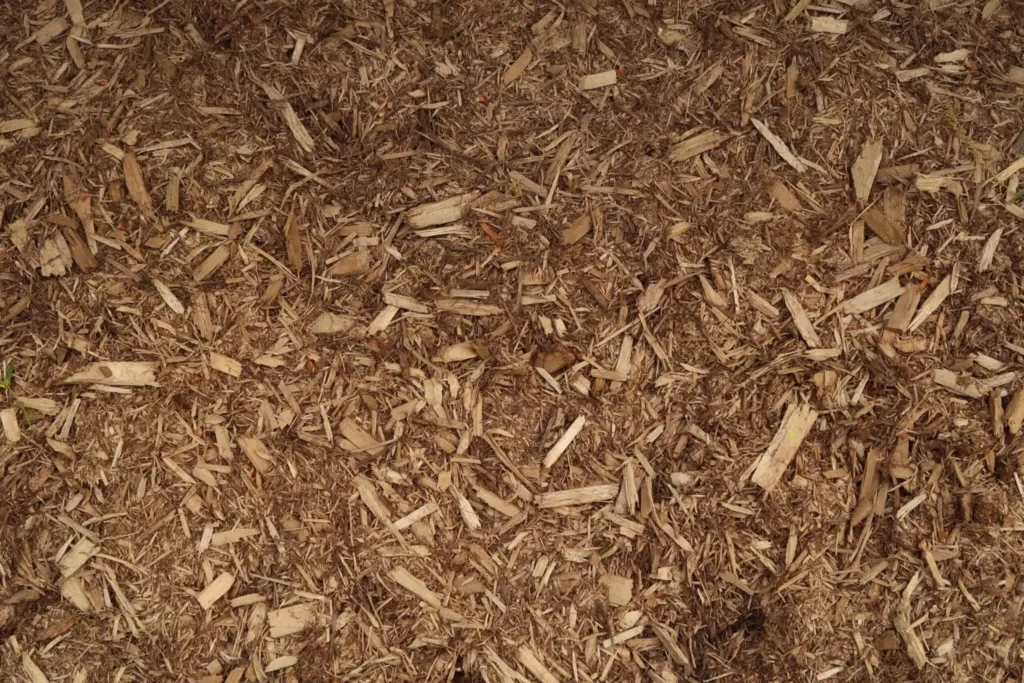
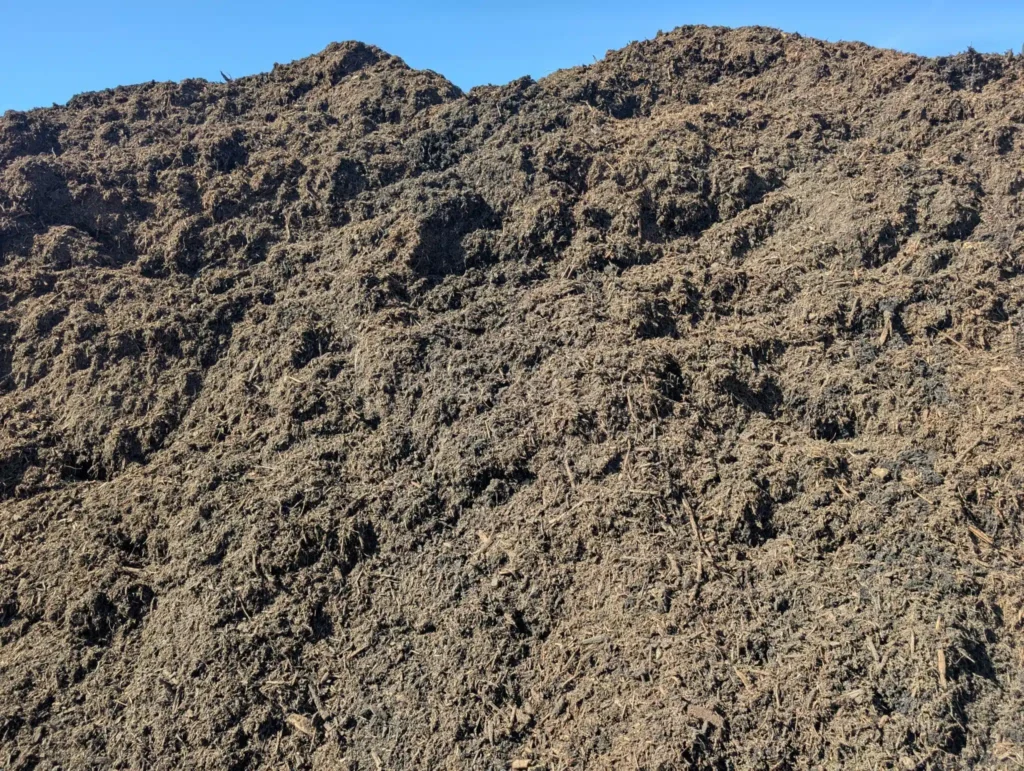
Estimate how much you need
Calculate Your Project
Estimate only. Add 10-15% for compaction and waste.
Browse more
Common uses for Mulch in Tuscaloosa
Available in nearby cities
Plan your project
Related guides
 GUIDEWhat Is #57 Stone? Uses, Size, and Cost ExplainedPractical, field-tested guide: what is 57 stone. Pulled from real US installer notes and 2026 supplier price data.Read guide →
 GUIDEHow Deep Should a Gravel Driveway Be? Layer GuidePractical, field-tested guide: how deep should gravel driveway be. Pulled from real US installer notes and 2026 supplier price data.Read guide →
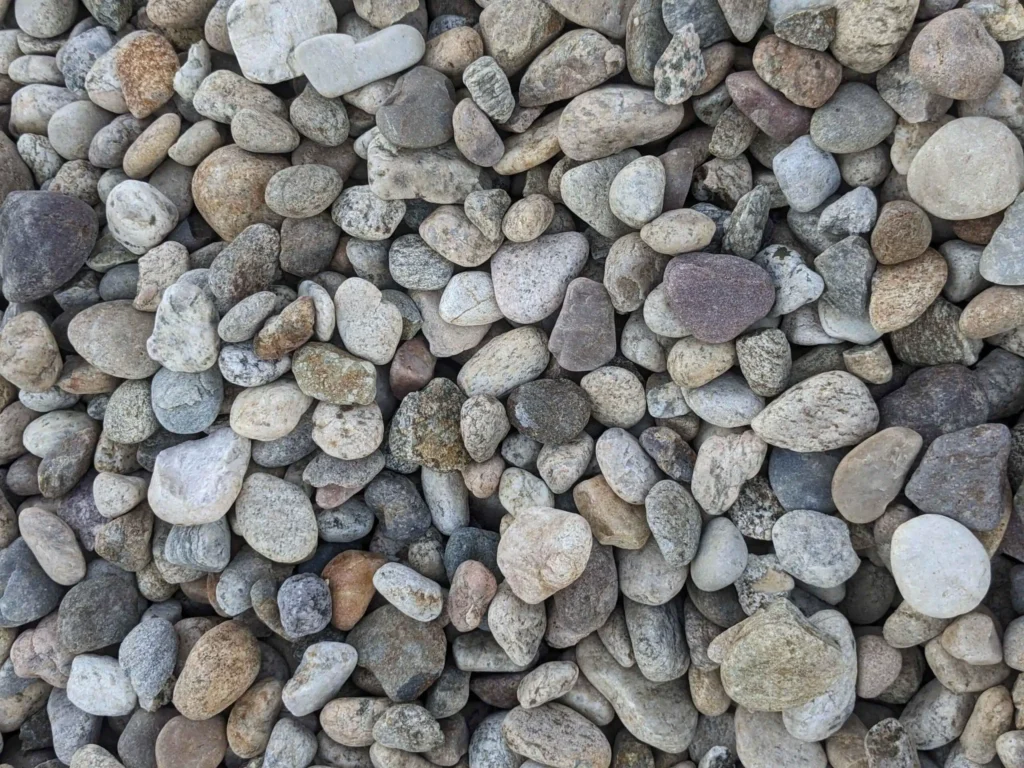 GUIDEHow Much Does River Rock Cost? By Ton or YardRiver rock cost depends on your ZIP code, order size, and whether you buy by the ton or the cubic yard. Here is how pricing works.Read guide →
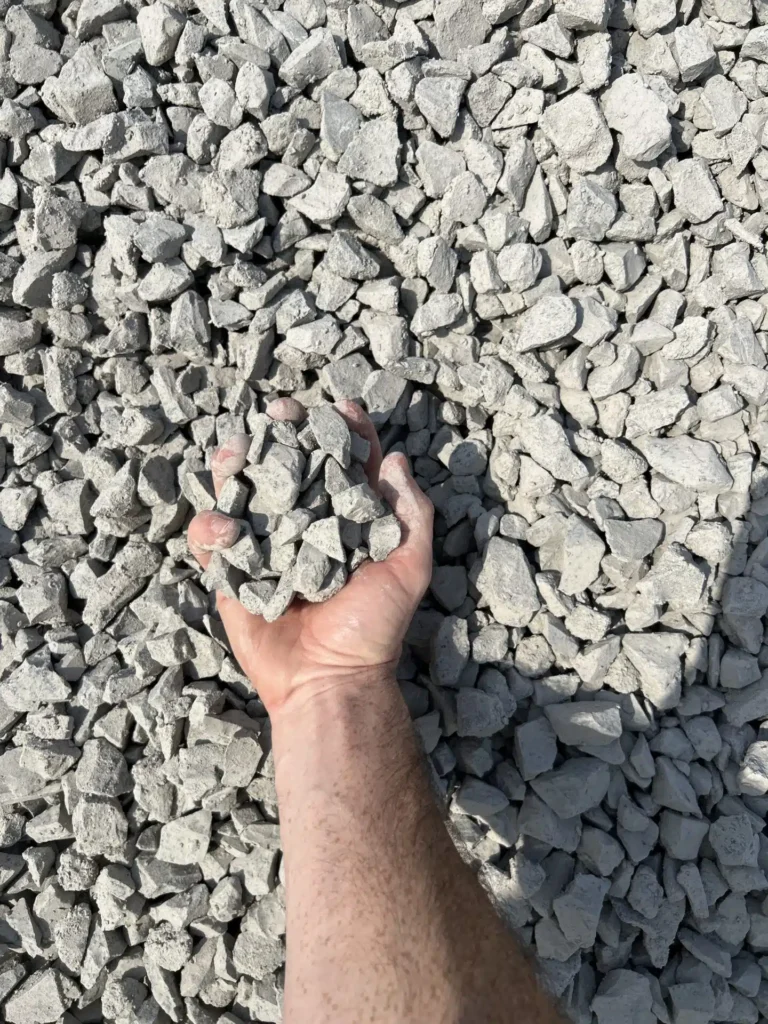 GUIDEWhat Size Crushed Stone Goes Under a Concrete SlabMost slabs need 4 to 6 inches of compacted crushed stone underneath. What size crushed stone under a concrete slab needs, and why it matters.Read guide →
Frequently Asked Questions
How deep should mulch be in a garden bed?
Apply 2 to 3 inches for standard weed suppression and moisture retention in most flower and shrub beds. Go to 4 to 6 inches if your area is very hot, dry, or prone to erosion, or if the soil is poor and you want maximum water conservation. Deeper is not always better; beyond 6 inches, mulch can hold too much moisture and restrict air flow, encouraging rot. Refresh it annually with 1 to 2 inches of new material.
Can I use mulch around trees?
Yes, mulch is excellent for tree health. Ring newly planted trees with a 2- to 3-inch layer of mulch, extending from the trunk out to the drip line. This moderates soil temperature, reduces water loss, and protects against lawn mower damage. Never pile mulch against the trunk itself; keep it 6 to 12 inches away to prevent bark rot and pest entry. As the tree matures and shading increases, you may need less frequent renewal.
What's the difference between brown and dyed mulch?
Brown mulch is natural shredded wood or bark that breaks down visibly over one to three seasons. It looks rustic and natural, darkening as it ages. Dyed black or red mulch retains its color longer, staying vibrant for two to three years, and works well in formal landscapes or where you want a specific color scheme. Both types suppress weeds and retain moisture equally well; the choice is aesthetic.
How much mulch do I need for my yard?
Measure your bed in feet (length times width), multiply by your desired depth in inches, then divide by 324 to get cubic yards. A 10-by-20-foot bed at 3 inches deep needs about 1.85 cubic yards. If you have multiple beds, calculate each separately and add them up. Use our calculator for faster math, or call with photos and measurements and we'll estimate for you.
When is the best time to apply mulch?
Spring is ideal, just as soil warms and plants break dormancy. Mulch applied in late spring (May to early June) can help with drought resistance through summer. Fall applications (September through November) work too, especially in preparation for winter. Avoid applying fresh mulch while the ground is frozen or waterlogged; wait for drainage to improve and soil to warm slightly.
Will mulch attract termites or pests?
Mulch does not attract termites in the way many assume. Termites already live in soil and dead wood. The risk is highest when mulch is piled directly against wooden structures like siding or deck frames, creating a bridge and moisture trap. Keep mulch 6 to 12 inches away from house foundations, deck footings, and other wood. Using the right mulch depth and distance eliminates this concern for ground-level landscaping.
How often do I need to reapply mulch?
Plan on refreshing mulch annually, or every 12 to 18 months depending on your local climate and mulch type. Natural brown mulch breaks down faster in hot, humid climates like Tuscaloosa's, so you may need yearly top-ups. Dyed mulch lasts longer, requiring renewal every two to three years. A simple 1- to 2-inch top-dressing each spring keeps beds looking full and maintains weed suppression.
Can mulch be used for play areas or pet runs?
Coarse wood chips and specialty playground mulch are made for these uses. Standard shredded mulch is less ideal for areas where children or pets dig and disperse material frequently. If you're considering mulch for a play space, ask about playground-grade chips or engineered wood fiber; these are engineered for impact attenuation and are kept in place more reliably. Standard mulch works fine for pet exercise yards with good containment.