
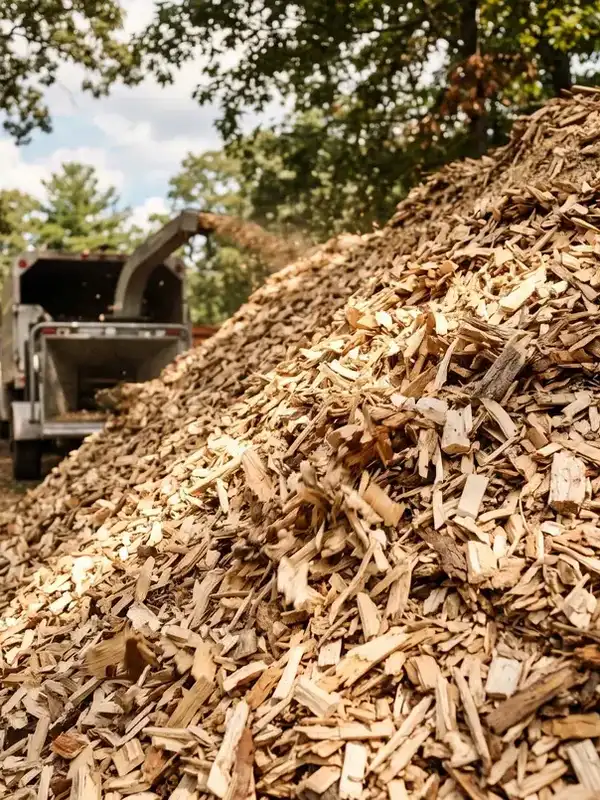
Mulch Delivery in Anchorage, Alaska: Pricing and Depth Guide
Bulk mulch delivered in Anchorage, AK. Brown, black, red color.
Starting from $526.55 delivered to Anchorage for 2 yards, our minimum order
Mulch in Anchorage, Alaska
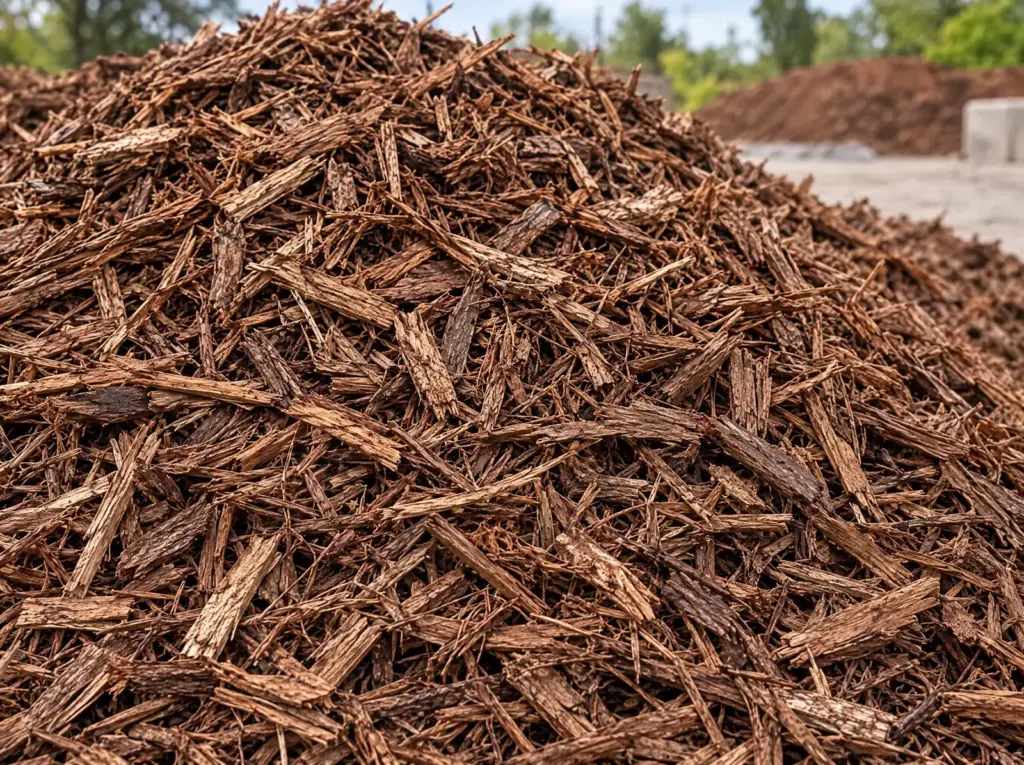
Anchorage sits through a short, cool growing season with long winters, and mulch is one of the most reliable ways local yards protect plant roots and hold soil moisture as conditions swing from bright summer days to early fall frost. Bulk mulch delivery in Anchorage covers home gardens, foundation beds, playgrounds, dog runs and larger landscape beds across the city. Because the ground here freezes and thaws through the colder months, a mulch layer that insulates root zones and slows moisture loss matters more here than it does in milder climates. Mulch is sold by the cubic yard, delivered ready to spread, in brown, black or red.
Best Uses for Mulch in Anchorage Yards
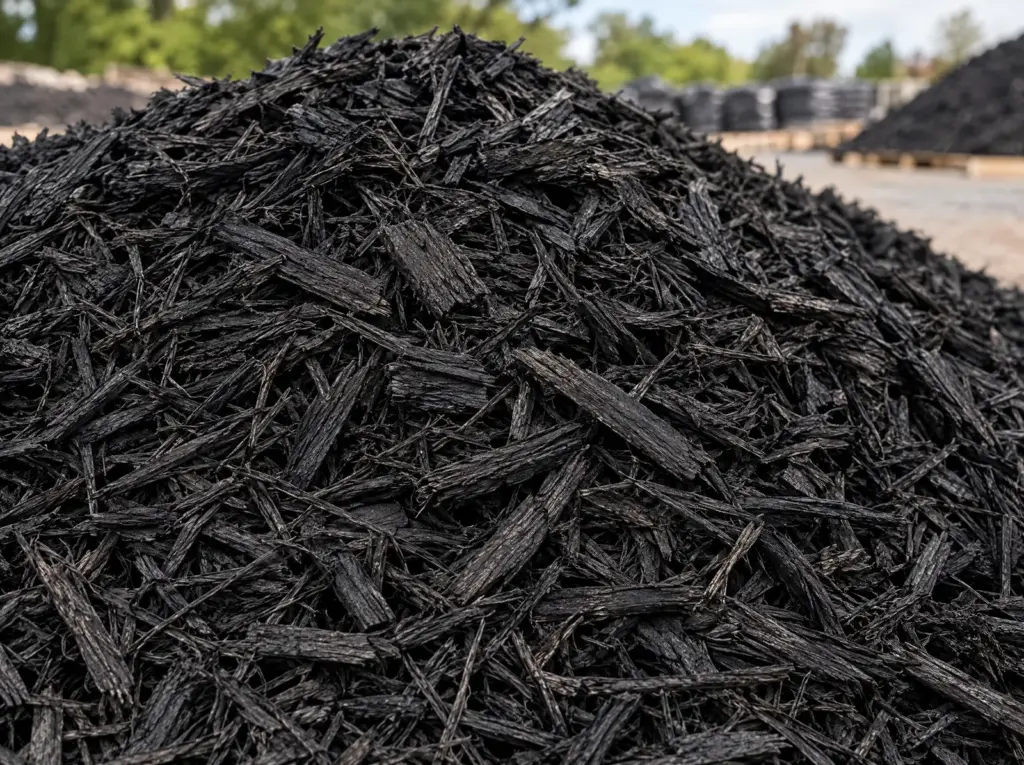
Mulch works well around perennial beds, shrub borders, tree rings and vegetable garden paths in Anchorage yards. A consistent layer suppresses weeds during the short but intense summer growing season, so beds need less hand weeding between mowing and watering. Around trees and shrubs, mulch keeps the root zone from drying out during long daylight hours in June and July and helps buffer roots against the sharp temperature drops that arrive with fall. Black and red mulch are common choices for defined garden beds and entryways, while brown mulch blends into naturalized plantings, playgrounds and larger landscaped areas where a neutral, woodland look fits better.
Delivery and Lead Times
Delivery timing in Anchorage depends on order size. Orders of 3 cubic yards or more typically arrive in 1 to 2 business days. Orders of 8 cubic yards or more move faster, often same day or next day. Orders of 15 cubic yards or more, the size many larger landscaping and multi bed projects need, ship with free delivery included. Mulch arrives in bulk at the driveway or job site rather than in bags, so plan for a spot a delivery truck can reach and unload directly. For current scheduling and delivery in Anchorage, check the city delivery page before placing an order.
How Much Mulch You Need
Mulch coverage depends on the depth spread and the square footage of the bed. A cubic yard covers about 108 square feet at a 3 inch depth, or about 162 square feet at a 2 inch depth, which is a common refresh depth for an existing bed. New beds generally need the deeper 3 to 4 inch layer to suppress weeds effectively. Measure the length and width of each bed in feet, decide on a depth in inches, then run the numbers through the calculator to get a cubic yard total before you order, so the right amount arrives in one delivery instead of two.
Mulch Pricing Notes
Mulch pricing in Anchorage runs in three tiers based on order size. Orders starting at 3 cubic yards are priced, with a 211 dollar delivery fee, and typically arrive in 1 to 2 business days. Orders of 8 cubic yards or more drop to, with a 113 dollar delivery fee, and usually move same day or next day. Orders of 15 cubic yards or more reach the bulk rate of, with free delivery included. Every price on this page is per cubic yard, matching how Mulch in Alaska is priced and delivered statewide.
Ordering Mulch in Anchorage
Ordering mulch for an Anchorage address takes a few minutes online or by phone. Pick a quantity based on your calculator total, choose a color of brown, black or red, and confirm the delivery address so the truck has a clear spot to unload. Many Anchorage projects mulch a bed right after laying fresh soil, so if a bed also needs grading or amendment, pair this order with topsoil in Anchorage and have both delivered together. Ordering in one of the larger tiers, 8 cubic yards or more, brings down the per cubic yard rate and often speeds up the delivery window too.
About Mulch
Mulch is shredded wood ground cover used to top garden beds, tree rings, playgrounds and landscaped areas. It is sold in bulk by the cubic yard rather than bagged, and comes in brown, black or red so it can be matched to a home's siding, stone or existing plantings. In Anchorage, mulch does a practical job beyond its finished look: it insulates the soil against the wide swings between bright summer daylight and early fall frost, and it holds moisture during the shorter, more intense growing season the region gets. A consistent mulch layer over garden beds and around shrubs and trees also suppresses weed growth, cutting down on the hand weeding needed between spring planting and fall cleanup. Because the ground in Anchorage freezes and thaws through the colder months, a mulch layer around perennial roots and shrub bases adds a buffer against that freeze and thaw cycle, which can otherwise heave roots and stress plants. Mulch is lightweight compared to stone or gravel, at roughly 800 pounds per cubic yard, so it spreads easily by wheelbarrow or by hand across beds, playgrounds and pathways. It breaks down gradually over a season or two and feeds organic matter back into the soil, which is why most Anchorage yards refresh their mulch layer on an annual or biennial basis rather than replacing it outright.
What Mulch costs in Anchorage
Local Anchorage yards quote mulch by the ton; the delivered number includes fuel, the truck, and the haul. Send your ZIP and load size and we will send back a same-hour quote with the truck rate and the per-ton figure spelled out. A ton of this material spreads across about 270 sq ft when laid 3 inches deep, useful when you are sizing a patio base or a walkway run.
How crews use Mulch in Anchorage
In and around Anchorage, mulch shows up most often on two project types. At roughly 291,000 people, the Anchorage order mix leans toward 3 to 8 ton residential drops with the occasional 16 ton job for a contractor.
Delivery day in Anchorage
A typical Anchorage drop is dispatched from the closest yard with a two hour window and a heads-up call once the truck is loaded. Tandem trucks want a 12 ft lane in and out; tri-axles need 14 ft, and both want firm ground at the tipping spot so the load releases cleanly. Standard lead time on this lane is Mon-Sat, with same-day windows held open for orders that hit the desk before 11 AM and clear payment.
Related materials we deliver in Anchorage
Estimate how much you need
Work out your material
A planning figure, not a guarantee. Order roughly a tenth extra to cover settling and uneven ground.
Browse more
Available in nearby cities
Plan your project
Related guides
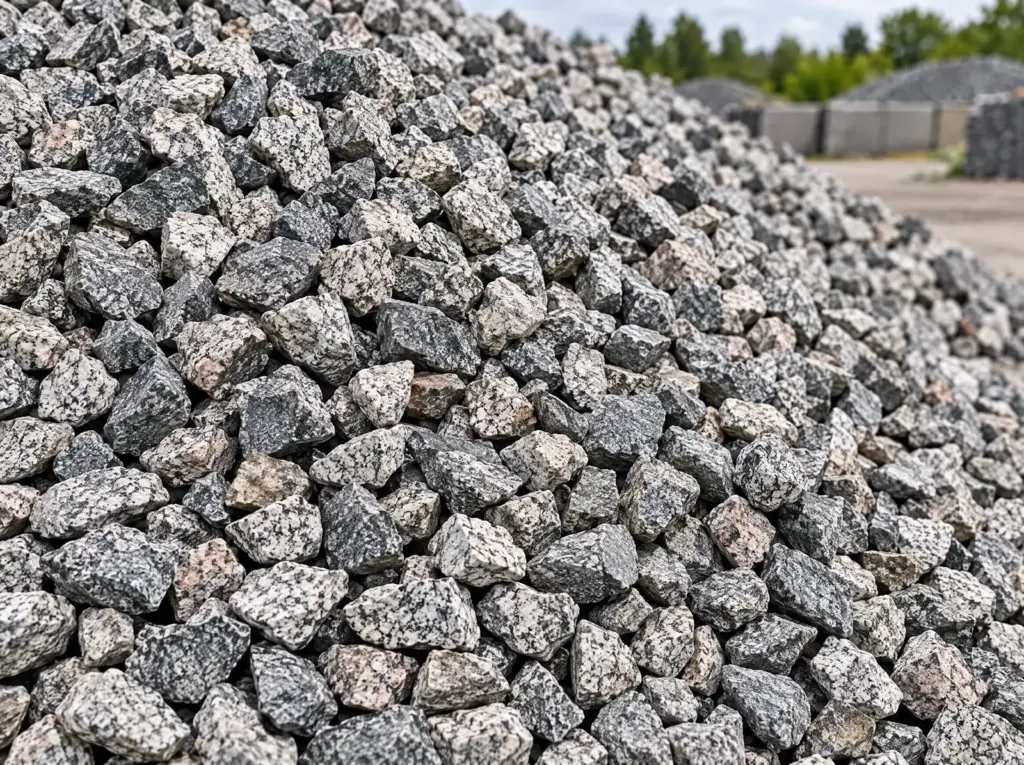 GUIDEWhat Size Crushed Stone Goes Under a Concrete SlabMost slabs need 4 to 6 inches of compacted crushed stone underneath. What size crushed stone under a concrete slab needs, and why it matters.Read guide →GUIDEWhat Is Crushed Stone? Sizes, Uses and Buying BasicsCrushed stone is quarried rock crushed and screened into angular pieces sold by the ton. Here is what it is, how it is graded, and where to use it.Read guide →
 GUIDEHow Much Does Gravel Cost? A Practical Pricing GuideHow much does gravel cost and why does it vary? See the real factors behind ton pricing, delivery, and order size before you buy.Read guide →GUIDEGravel Size Chart: Pea Gravel to Crushed StoneA gravel size chart showing pea gravel, crushed stone and river rock diameters side by side, so you can match the right size to your project.Read guide →
Frequently Asked Questions
What size mulch orders qualify for free delivery in Anchorage?
Orders of 15 cubic yards or more qualify for free delivery in Anchorage. Below that tier, a 3 cubic yard order carries a 211 dollar delivery fee, and an 8 cubic yard order carries a 113 dollar delivery fee. If a project already needs 15 cubic yards or more of mulch, ordering at that tier removes the delivery charge entirely and lowers the per cubic yard rate as well.
How many cubic yards of mulch does a typical Anchorage bed need?
It depends on bed size and depth. A cubic yard covers about 108 square feet at a 3 inch depth or about 162 square feet at 2 inches. Measure each bed's length and width in feet, pick a depth in inches, and run the total through the mulch calculator to get an exact cubic yard figure before ordering.
What mulch colors are available for delivery to Anchorage?
Mulch delivered to Anchorage comes in brown, black and red. Brown blends into naturalized beds, tree rings and larger landscaped areas where a woodland look fits. Black and red are common for defined garden beds, borders and entryways, giving a more finished, contrasted look against siding, stone or concrete edging.
How fast can mulch reach an Anchorage address?
Delivery speed depends on order size. Orders of 3 cubic yards or more typically arrive in 1 to 2 business days, while orders of 8 cubic yards or more often move same day or next day. Orders of 15 cubic yards or more follow the same faster scheduling and include free delivery on top of it.
Is mulch sold by the cubic yard in Anchorage?
Yes. Mulch is sold and delivered by the cubic yard, not by the bag. Bulk density runs about 800 pounds per cubic yard, which is much lighter than stone or gravel by volume. Every price and quantity on this page is per cubic yard, and orders are measured and loaded the same way at delivery.
Can mulch and topsoil be ordered together for an Anchorage project?
Yes. Many Anchorage projects lay fresh topsoil in Anchorage for its own pricing and request both on the same delivery date if the schedule allows it.
How deep should mulch be spread in a new Anchorage bed?
New beds generally need 3 to 4 inches of mulch to suppress weeds and hold moisture through the growing season. Existing beds that already have a mulch layer underneath usually only need a 1 to 2 inch refresh layer added on top each year, rather than a full depth application.
Does a mulch layer help protect plants through Anchorage winters?
A mulch layer insulates root zones and moderates soil temperature swings, which reduces stress on perennial roots as the ground freezes and thaws. It also slows moisture loss during the shorter summer growing season, so beds need less frequent watering between rain and irrigation.