
French Drain Gravel for Quincy, MA Homes
Material picks, pricing, and pro tips for french drain gravel projects in Quincy, MA.
French drain gravel for Quincy drainage
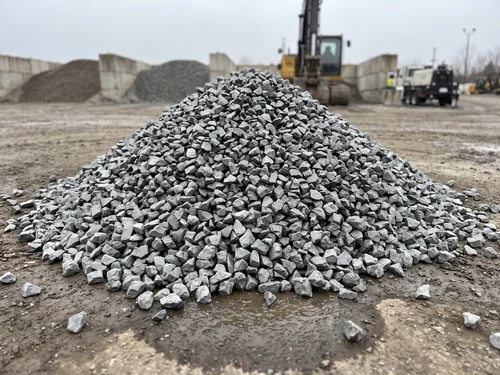
Quincy's location on Boston's southern edge means glacial soils, underlying bedrock and urban drainage issues. Most homes were built on fill or clay that doesn't absorb water well, so groundwater moves sideways rather than down. A French drain intercepts this water and channels it away from your house before it can seep into the basement. French Drain Gravel installations are common in Quincy neighborhoods, and many older homes have been retrofitted with drains to solve chronic basement moisture. #57 crushed stone is the recommended material because it provides reliable drainage year-round and resists the compaction that happens in New England's freeze-thaw cycles.
Material selection for Quincy
#57 crushed stone is sold by the ton in the Quincy area and is the standard choice for residential French drains. The stone's size (approximately 1/2 inch to 3/4 inch across) allows water to flow quickly while the angular edges lock together and prevent settling. Order through a local supplier and confirm the delivery date. Most suppliers deliver same-day or next-day in the Boston metro area, where Quincy is located. The reliability of these local suppliers is one advantage of living in a densely populated region with established building practices.
How much stone to order
Start by measuring your planned trench in feet (length, width and depth). To calculate the cubic yards needed for your Quincy french drain, multiply the three measurements together, then divide by 324. Since #57 stone weighs approximately 1.5 tons per cubic yard, multiply your cubic yards by 1.5 to find how many tons you need. Use the calculator to verify your calculation and to account for spillage and settling during installation. A typical Quincy home with a 35-foot perimeter drain needs about 3 to 5 tons. If you're not sure, order on the higher side because you can always use extra stone for other landscape work.
Quincy's soil and building conditions
Quincy has a mix of soil types. Some areas are sandy and some are clay-based, with frequent bedrock near the surface in many neighborhoods. If you hit rock while digging, you have two options: break it up with a jackhammer or change the drain route to avoid it. The town's mature neighborhoods have old trees with aggressive roots that can interfere with digging, so call 811 beforehand and get a clear picture of what's underground. Late spring and summer are the best times to dig because the ground is less waterlogged. Many Quincy homeowners also find that a sump pump in the basement helps move water that does penetrate, giving you a backup plan while the exterior drain works.
Getting stone delivered
Quincy is in the Boston metro area, so delivery is usually fast and reliable. Check available delivery dates and current pricing for your location. Most residential deliveries can access a driveway or yard, but confirm before the truck leaves to avoid a missed appointment. Have your trench dug and compacted before the truck arrives so the stone can be dumped directly into place. Orders of 15 tons and above qualify for complimentary delivery in Quincy. Once the stone is on site, you can work at your own pace to spread it, install the fabric and backfill the drain.
About French Drain Gravel projects
A French drain redirects groundwater away from your foundation. It's a trench filled with gravel that sits 12 to 18 inches below grade and channels water downslope, protecting your basement and crawl space from seepage.
Recommended materials for
 Price by ZIP
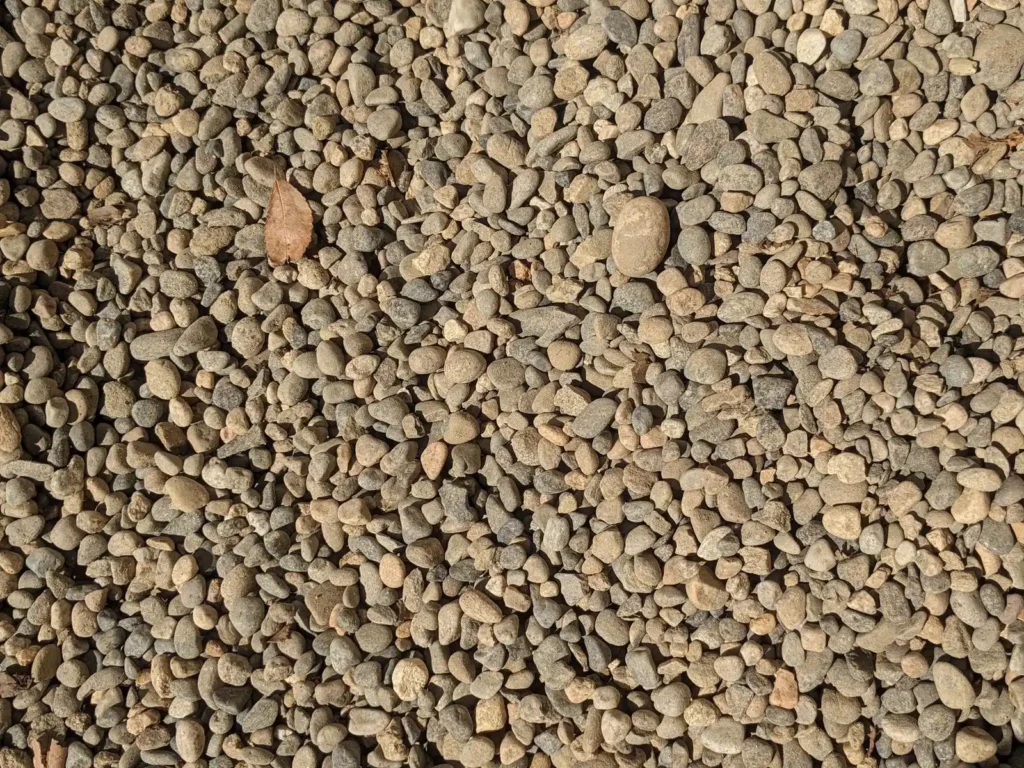
- Size1/4 - 3/8″
- Density2800 lb/yd³
- ColorTan / mixed
 Price by ZIP
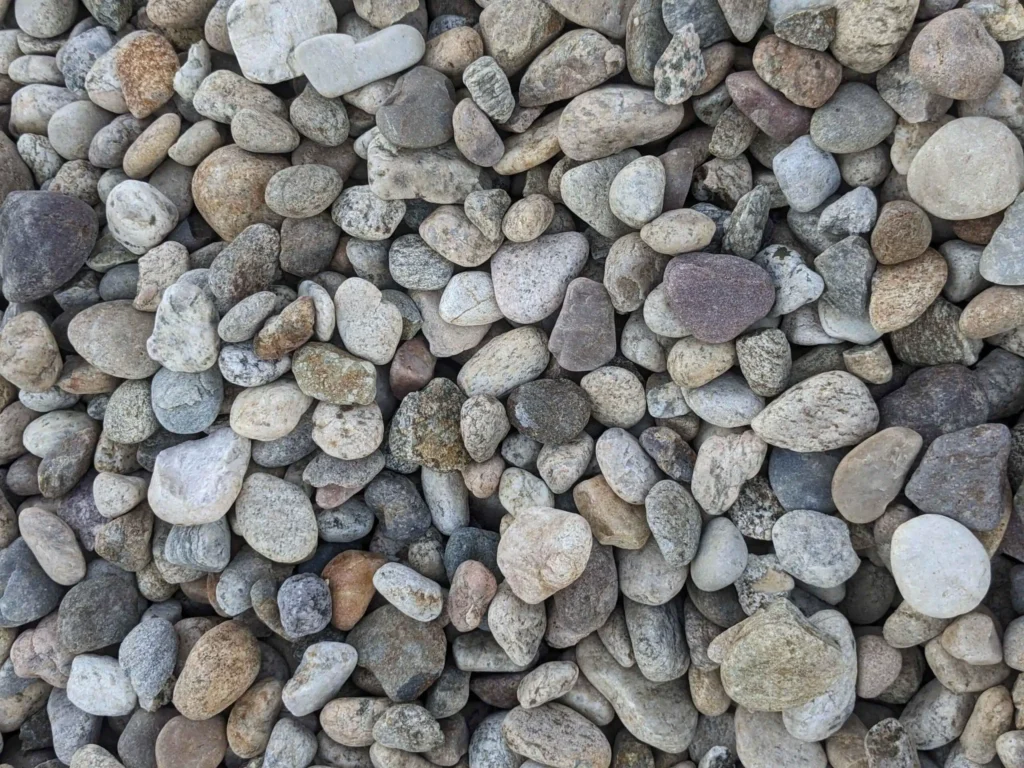
- Size1 - 3″
- Density2700 lb/yd³
- ColorMixed natural
 Price by ZIP
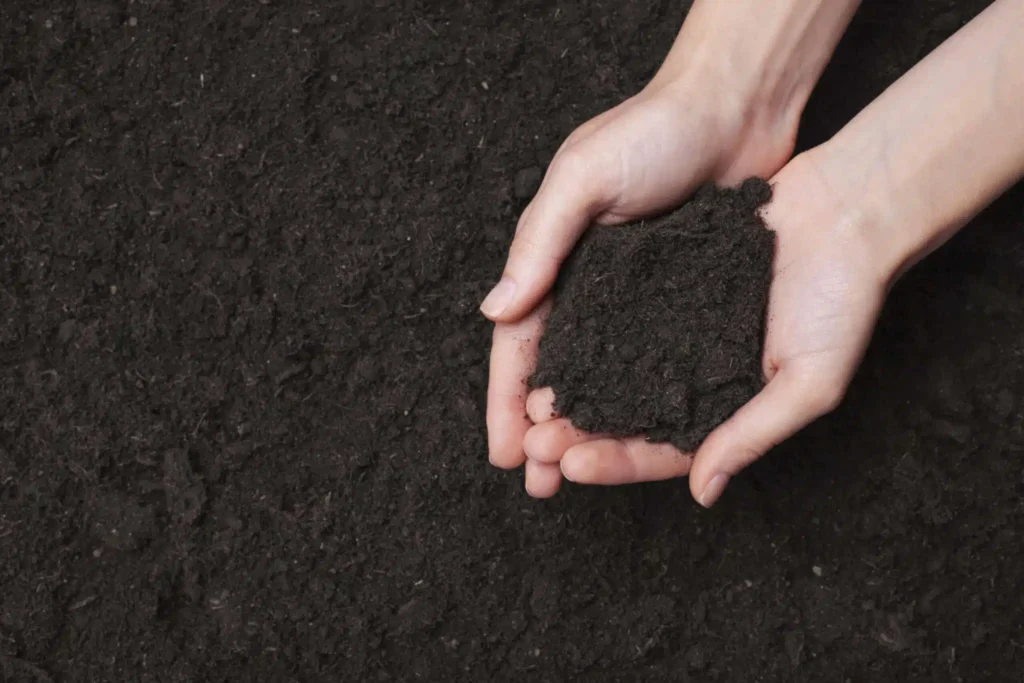
- SizeScreened, no size grade
- Density2200 lb/yd³
- ColorDark brown
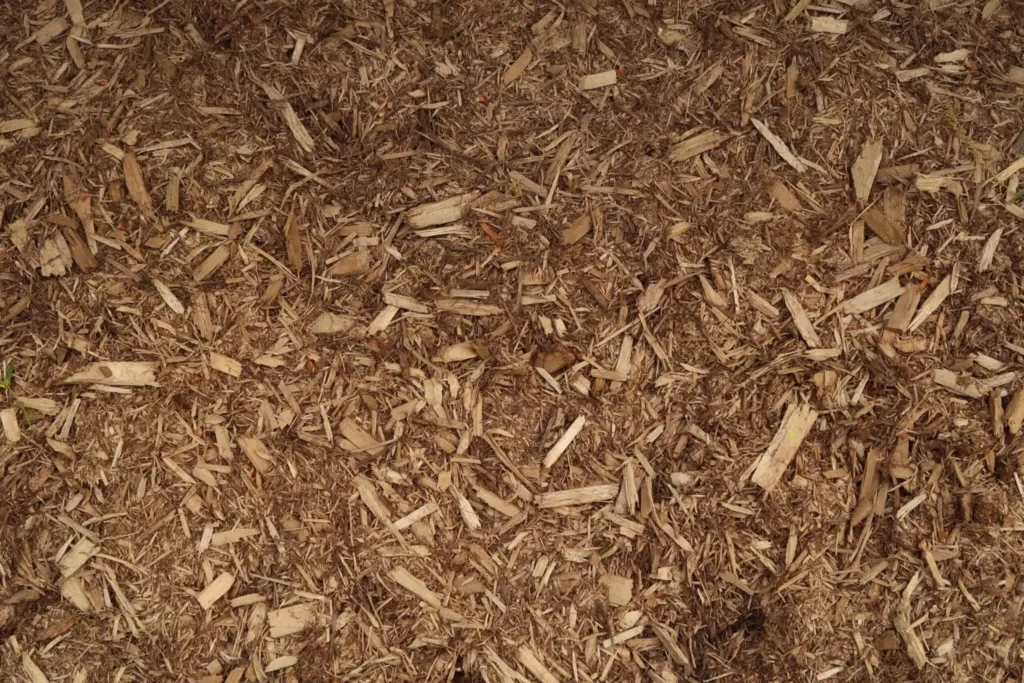 Price by ZIP
- Density800 lb/yd³
- ColorBrown, black, red
How a french drain gravel project goes
- Walk your lotDuring or after rain, observe where water pools in your yard and how close it comes to your house. Check if the basement or crawl space shows any moisture or efflorescence (white mineral stains). These signs tell you whether you need a full perimeter drain or a targeted interior solution.
- Get quotes for stoneContact local suppliers in Quincy and request pricing for #57 crushed stone delivered to your address. Prices vary by ton, and Quincy's proximity to Boston usually means fast service. Ask about same-day or next-day delivery and whether the truck can access your yard.
- Lay out and digStretch a string from the problem area downhill or toward a drainage outlet. Call 811 to mark underground utilities. Dig 12 to 18 inches deep and 6 to 8 inches wide, then compact the bottom with a hand tamper or your feet.
- Fabric, stone and coverLay landscape fabric on the trench bottom and partway up the sides. Pour #57 stone to fill 4 inches. Fold the fabric over the stone and backfill with topsoil. Slope the surface away from your house so surface water runs away.
- Check and adjustAfter the first heavy rain, confirm that water is draining from the trench outlet and not pooling near the foundation. Inspect the trench monthly during the first year. Add topsoil if the drain settles, and clean gutters regularly to keep the drain from getting overloaded.
Estimate your material
Calculate Your Project
Estimate only. Add 10-15% for compaction and waste.
French drain gravel in Quincy's climate
Picking the right material for a french drain gravel project in Quincy comes down to how the climate treats it. Standard mixed seasonal conditions, with rainfall and freeze-thaw varying by zone. For french drain gravel work specifically, that means choosing material that handles local moisture and traffic loads without re-dressing every season.
The small market profile of Quincy also shapes how a project runs. Most jobs are residential, with the occasional school or municipal project. Truck access is usually wide and turnarounds run fast.
Where we deliver french drain gravel material in Quincy
Our delivery footprint around Quincy covers the core city plus a typical 35-mile radius. Recent french drain gravel drops have included:
- in-town craftsman homes in and around Quincy
- townhouse rows in newer developments in and around Quincy
- light industrial yards near the rail line in and around Quincy
- rural acreage outside the limits in and around Quincy
If your address is outside that radius, send your ZIP through the contact form and we will confirm coverage within an hour.
Pricing for french drain gravel in Quincy
Here is what the recommended french drain gravel materials are running in Quincy right now. Full-truck orders (16 tons or more) typically save 15 to 20 percent off these per-ton rates.
| Material | Price from |
|---|---|
| Pea Gravel Delivery in Quincy, MA: Sizes and Ton Pricing | Quote on request |
| River Rock Delivery in Quincy, MA: Pricing by Ton | Quote on request |
| Topsoil Delivery in Quincy, MA | Quote on request |
| Mulch Delivery in Quincy, Massachusetts | Quote on request |
Browse more
Recommended materials in Quincy
Same project in nearby cities
Tools to plan your project
Related guides
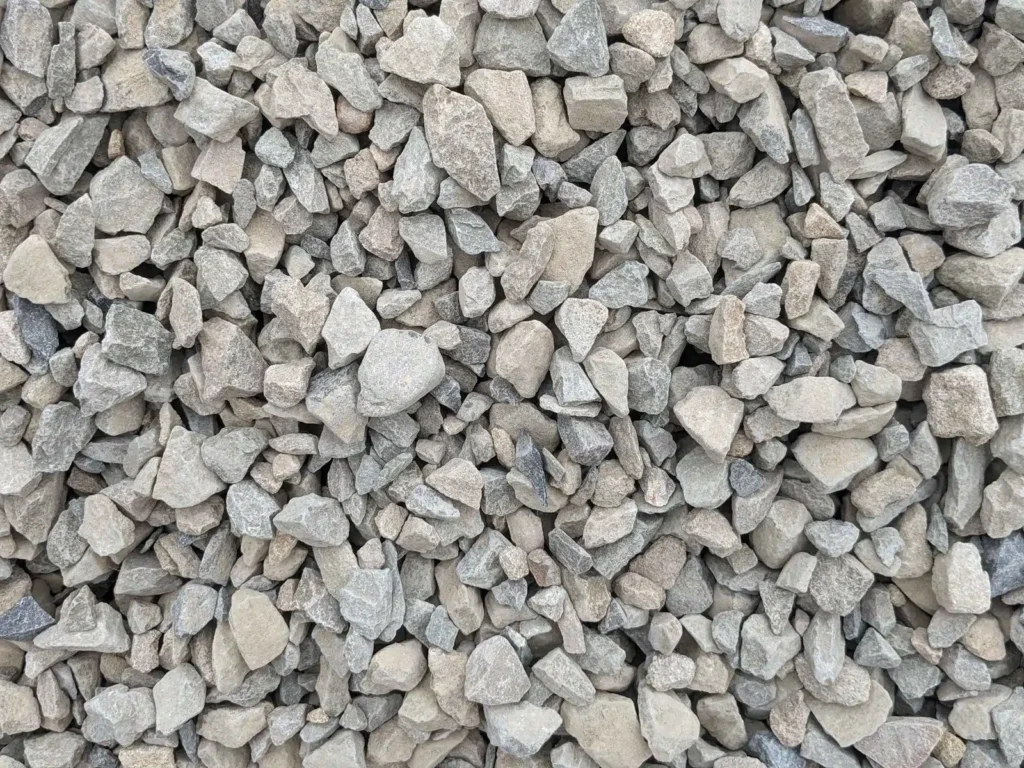 GUIDEDoes Gravel Stop Weeds? Honest Answer + What WorksPractical, field-tested guide: does gravel stop weeds. Pulled from real US installer notes and 2026 supplier price data.Read guide →GUIDEHow Much Gravel Do I Need? Quick Sizing GuidePractical, field-tested guide: how much gravel do i need. Pulled from real US installer notes and 2026 supplier price data.Read guide →
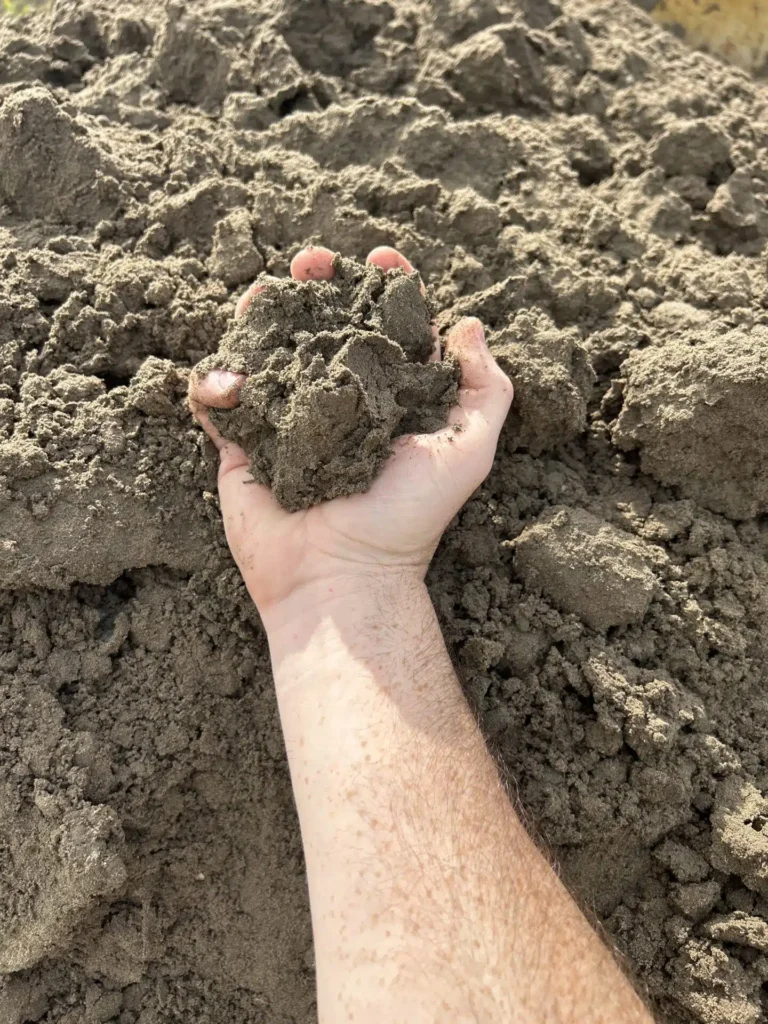 GUIDEWhat Is #57 Stone? Uses, Size, and Cost ExplainedPractical, field-tested guide: what is 57 stone. Pulled from real US installer notes and 2026 supplier price data.Read guide →
 GUIDEHow Deep Should a Gravel Driveway Be? Layer GuidePractical, field-tested guide: how deep should gravel driveway be. Pulled from real US installer notes and 2026 supplier price data.Read guide →
Frequently Asked Questions
What makes #57 stone different from other gravel?
#57 crushed stone is angular and roughly 1/2 inch to 3/4 inch in size. The angular shape causes the pieces to lock together, creating stable drainage paths. Rounded gravel compacts too easily and blocks water flow. This makes #57 the right choice for French drains.
How much does a French drain cost in Quincy?
Cost depends on the length of the drain and the amount of stone needed. Material cost varies by ton, and delivery fees apply. Most homeowners spend between a few hundred and a few thousand dollars. Get quotes from local suppliers for an accurate estimate.
Can tree roots damage my French drain?
Tree roots can push into the fabric and disrupt the drain. Avoid installing a drain directly under or beside large trees. If roots do penetrate, the fabric may tear, allowing soil to mix with the stone. Replace the fabric or reroute the drain to a clearer area.
What is the best width for a French drain?
Most residential drains are 6 to 8 inches wide. This width is deep enough to collect water but narrow enough to minimize digging. Wider drains use more stone and material. For most homeowner projects, 6 to 8 inches is the standard.
Should I hire a contractor or DIY?
Digging a French drain is labor-intensive but straightforward. If you're comfortable with a shovel and jackhammer, you can do it yourself. Contractors finish faster and can handle rocky soil better. For a 50-foot drain, professional installation might take a day versus your weekend.
What's the outlet of a French drain?
The outlet is the end of the trench where water exits. It should be at the lowest point of your property, downslope from your house. It can empty into a rain garden, a dry well, a storm drain or a creek. Keep the outlet clear so water doesn't back up.
How do I maintain a French drain after installation?
Inspect it a few times a year, especially in spring when snowmelt occurs. Clear any debris from the outlet. If the trench settles, add topsoil to bring it level. Keep gutters and downspouts clean so they don't overwhelm the drain. A well-maintained drain lasts decades.
Will frost heave damage my French drain?
Frost heave (ground expansion during freezing) can shift soil and disturb a trench. To minimize damage, compact the bottom of your trench well before adding stone. The angular shape of #57 stone is more resistant to heave than rounded gravel. A stable, well-built drain handles frost cycles better.