
French Drain Gravel in Richmond, CA
Material picks, pricing, and pro tips for french drain gravel projects in Richmond, CA.
French Drain Gravel for East Bay Properties
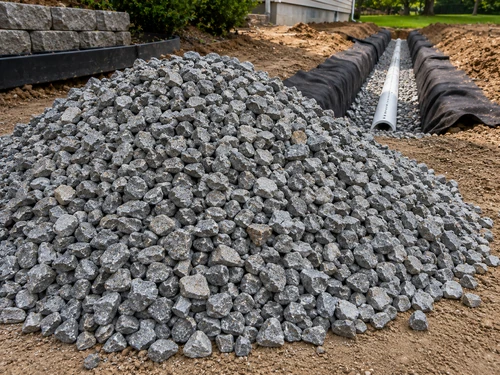
French drain systems are essential infrastructure for Richmond homeowners and property managers. The East Bay experiences intense winter rainfall and, in many areas, naturally poor soil drainage. A French drain captures water at a source point, and whether that is a swale, a low corner of the yard, or along a foundation, and conveys it to daylight or to a lower area where water can safely dissipate. Without this system, water pools, undermines foundations, and erodes soil structure. Richmond's location in the East Bay foothills means water management is not optional; it is essential for protecting your property.
Why #57 Crushed Stone is Non-Negotiable for Drains
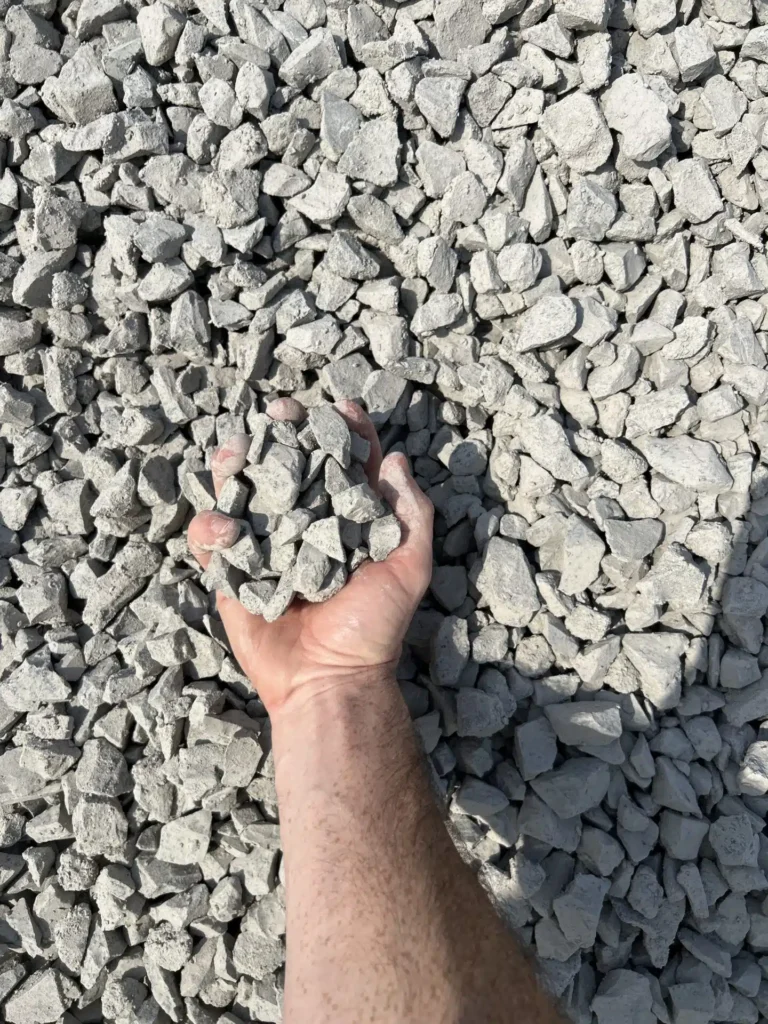
#57 Crushed Stone is the professional standard for French drains throughout the Bay Area because it maintains its structure and flow capacity indefinitely. The material is angular, ranging in size from roughly half inch to one inch, which creates consistent airspace that water moves through easily. Round gravel, smooth river rock, and fine stone from landscape suppliers will compact and clog. Many contractors and engineers in the Richmond area specify #57 Crushed Stone by product number because consistency matters. When you order, ask for #57 by name; do not accept a substitute based on price or convenience. French Drain Gravel suppliers in your area should stock this material regularly.
East Bay Winter Rains and Seasonal Drainage Demands
Richmond sits between Berkeley and Concord, in a region where fall and winter rains are relentless. The regional soil composition includes clay, silt, and consolidated minerals that resist water infiltration. Many Richmond properties sit on steep slopes where water concentrates, or in valleys where it accumulates. During the dry season (usually June through September) you may not see any drainage issue. But when rains return, water problems appear immediately. A French drain system designed for the East Bay climate must handle peak flow rates during winter and spring, then remain structurally sound through dry seasons and seasonal freeze and thaw cycles.
Calculating Your Trench Depth and Material Volume
A typical French drain runs 12 to 18 inches deep and 9 to 12 inches wide. Longer drains may need to be wider to handle higher flow. Measure your trench length in feet. Multiply length by width (in feet) by depth (in inches), then divide by 324 to get cubic yards. For example, a 60-foot drain that is 1.5 feet wide and 18 inches deep requires about 5 cubic yards, or roughly 7.5 tons. #57 Crushed Stone is sold by the ton, so confirm the weight-to-volume ratio with your supplier. The calculator tool simplifies these conversions and helps you avoid costly mistakes.
Getting #57 Crushed Stone Delivered and Installed in Richmond
#57 Crushed Stone pricing is based on tonnage, with significant discounts for larger orders. At 15 tons or more, delivery to the Richmond area is free. Smaller orders (say 8 to 14 tons) still qualify for lower per-ton rates but incur a delivery fee. Many East Bay contractors time French drain projects for late summer or early fall, when the weather is stable and soil conditions are easier to work. This strategy also allows them to test the system and make adjustments before winter rains arrive. Confirm delivery dates and rates for Richmond to coordinate your project and avoid delays.
About French Drain Gravel projects
French drain systems solve drainage problems by intercepting groundwater and directing it away from vulnerable areas. In the East Bay, where winter rains are intense and soils resist infiltration, these gravity-fed systems protect foundations and prevent property damage without pumps or maintenance.
Recommended materials for
 Price by ZIP
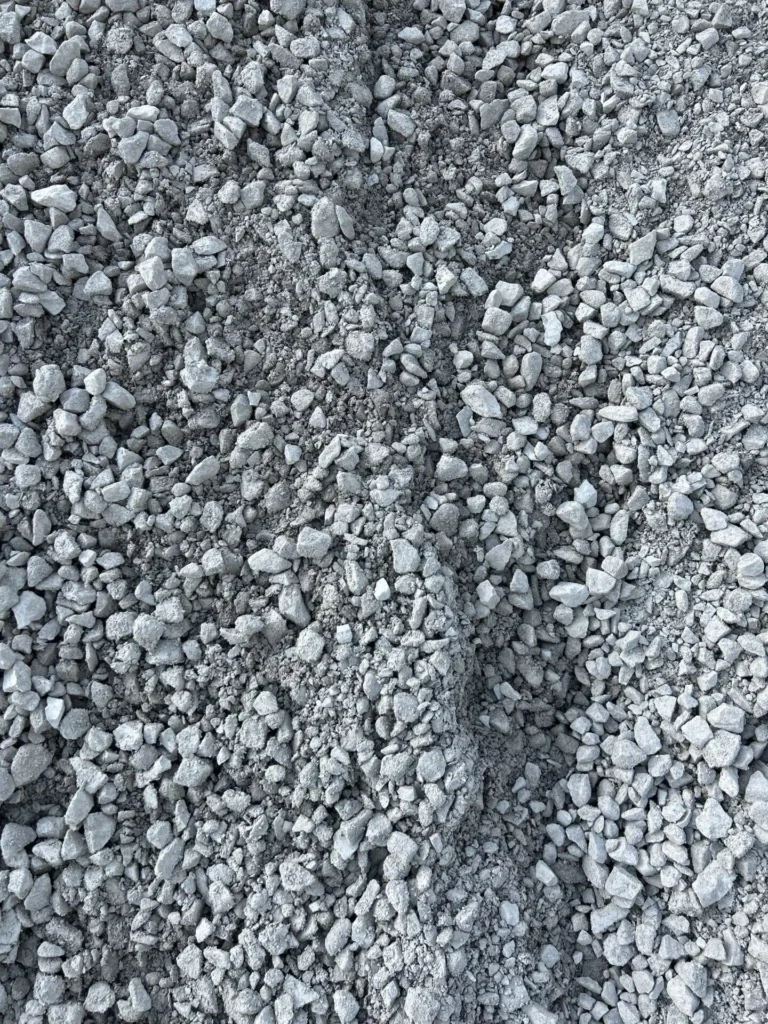
- SizeDense-graded, varies
- Density2850 lb/yd³
- ColorGray
 Price by ZIP
- Size3/4 - 1″
- Density2700 lb/yd³
- ColorGray
 Price by ZIP
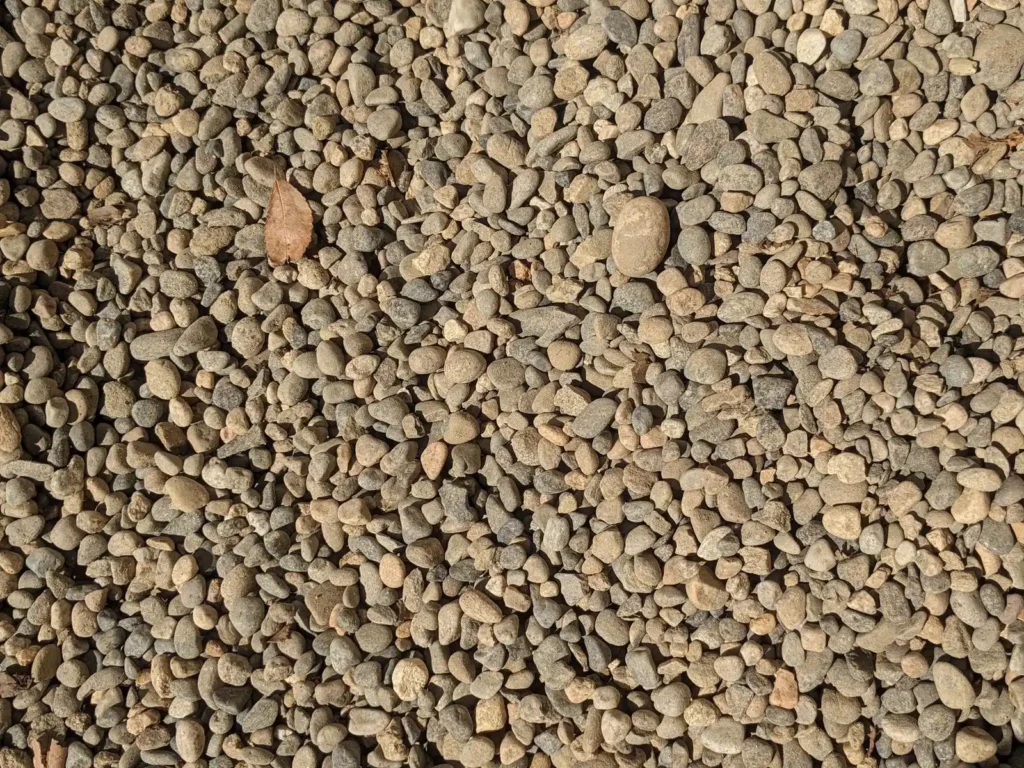
- Size1/4 - 3/8″
- Density2800 lb/yd³
- ColorTan / mixed
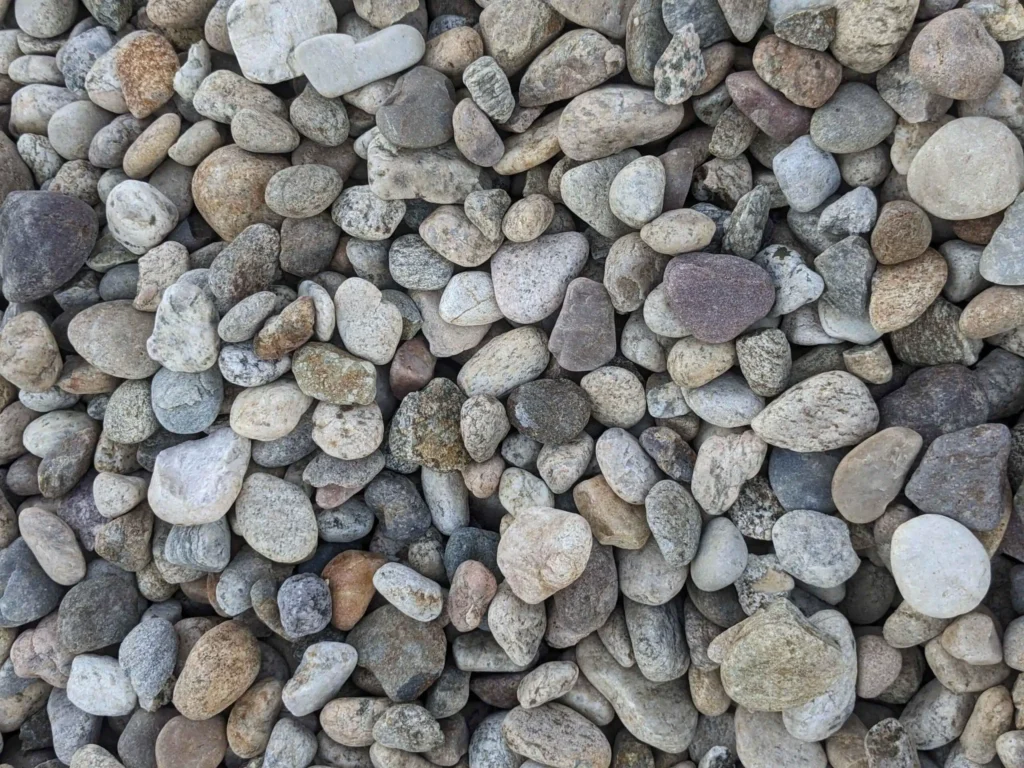 Price by ZIP
- Size1 - 3″
- Density2700 lb/yd³
- ColorMixed natural
How a french drain gravel project goes
- Identify Drainage Problems in Your the East Bay LotWalk your property during or after winter rain to see where water concentrates. Look for soggy areas, erosion, or water against the foundation. Check soil type and slope. In the East Bay, clay soils often need French drains. Mark where you want the drain to start and end.
- Measure and Calculate Your VolumeMeasure the trench length in feet, width in feet, and depth in inches. Use the formula: (length ft × width ft × depth in) ÷ 324 = cubic yards. One cubic yard of #57 stone weighs about 1.5 tons. A 60-foot drain, 1.5 feet wide, 18 inches deep needs roughly 7.5 tons.
- Order and Receive #57 Stone in the East BaySource #57 Crushed Stone from a local supplier, specifying drainage use. Confirm delivery to the East Bay. Richmond orders over 15 tons get free delivery. Smaller orders incur a $280+ fee. Time the delivery for late summer or early fall when you can install before winter rains.
- Excavate and Prepare the Drainage BedDig the trench to your planned depth and width, with a gentle slope toward the outlet. Clear away all loose soil, rocks, and debris. Install landscape fabric along the bottom and sides. This fabric is the key to keeping your drain functional for 20+ years by preventing soil clogging.
- Add Stone, Compact, and BackfillPour the #57 crushed stone into the fabric-lined trench. Spread it evenly and compact lightly. Backfill soil above the fabric, sloping away from your house. Test the system when the next rain comes; water should flow through the system without pooling or backing up.
Estimate your material
Calculate Your Project
Estimate only. Add 10-15% for compaction and waste.
French drain gravel in Richmond's climate
Picking the right material for a french drain gravel project in Richmond comes down to how the climate treats it. Long dry spells with brief heavy rain. Erosion control on slopes is more critical than freeze resistance. For french drain gravel work specifically, that means choosing material that handles local moisture and traffic loads without re-dressing every season.
The small market profile of Richmond also shapes how a project runs. Most jobs are residential, with the occasional school or municipal project. Truck access is usually wide and turnarounds run fast.
Where we deliver french drain gravel material in Richmond
Our delivery footprint around Richmond covers the core city plus a typical 35-mile radius. Recent french drain gravel drops have included:
- central historic streets in and around Richmond
- cul-de-sac neighborhoods in and around Richmond
- small farms on the city edge in and around Richmond
- retail centers with parking expansions in and around Richmond
If your address is outside that radius, send your ZIP through the contact form and we will confirm coverage within an hour.
Pricing for french drain gravel in Richmond
Here is what the recommended french drain gravel materials are running in Richmond right now. Full-truck orders (16 tons or more) typically save 15 to 20 percent off these per-ton rates.
| Material | Price from |
|---|---|
| Road Base Material Delivery in Richmond, CA | Quote on request |
| Order #57 Crushed Stone Delivery in Richmond, CA | Quote on request |
| Pea Gravel Delivery in Richmond, CA: What It Costs by the Ton | Quote on request |
| River Rock Delivery in Richmond, CA for Flat Bay-Area Lots | Quote on request |
Browse more
Recommended materials in Richmond
Same project in nearby cities
Tools to plan your project
Related guides
 GUIDEHow Deep Should a Gravel Driveway Be? Layer GuidePractical, field-tested guide: how deep should gravel driveway be. Pulled from real US installer notes and 2026 supplier price data.Read guide →GUIDEHow Much Does River Rock Cost? By Ton or YardRiver rock cost depends on your ZIP code, order size, and whether you buy by the ton or the cubic yard. Here is how pricing works.Read guide →GUIDEWhat Size Crushed Stone Goes Under a Concrete SlabMost slabs need 4 to 6 inches of compacted crushed stone underneath. What size crushed stone under a concrete slab needs, and why it matters.Read guide →GUIDEWhat Is Crushed Stone? Sizes, Uses and Buying BasicsCrushed stone is quarried rock crushed and screened into angular pieces sold by the ton. Here is what it is, how it is graded, and where to use it.Read guide →
Frequently Asked Questions
Why is #57 crushed stone used for French drains instead of other materials?
The specific size and angular shape of #57 stone creates stable airspace that water flows through easily. Smaller stone compacts and clogs; larger stone creates voids. Round or smooth materials settle under load. Engineers and contractors in the East Bay specify #57 by number because the consistency is proven over decades of use.
How do I know if my {city_name} property needs a French drain?
Look for standing water, soggy areas, or erosion after heavy rain. Foundation cracks, damp basements, or moss growth indicate moisture problems. Poor drainage around landscape features like patios or plantings shows a need for intervention. If water pools anywhere on your property, a French drain could solve the problem.
How deep should a French drain be in Richmond?
East Bay French drains typically run between 12 and 18 inches deep depending on site conditions. Foundation protection usually requires 18 inches, while landscape feature drainage might work at 12 inches. Properties with steep slopes or high water tables may need deeper drains. Local soil and drainage patterns guide the final depth.
What's the ideal depth for a French drain in the East Bay?
Depth ranges from 12 to 18 inches depending on your Richmond property's slope and soil. Bay Area properties with clay soils or high water tables often need the deeper range. Foundation drainage usually warrants 18 inches; landscape features might work at 12 inches. Steeper slopes and better drainage allow shallower installations.
Can a French drain handle the East Bay's winter rains?
Yes, if properly designed and sized. The system must accommodate peak winter flow rates by having adequate depth, width, and slope. Professional landscape or civil engineers size the drain based on your property's drainage area and regional rainfall. Over-sizing prevents overflow; under-sizing will fail during heavy storms.
What maintenance does a French drain require?
French drains require minimal maintenance. Keep the inlet area clear of leaves and debris. In heavy clay soils, perforated pipe inside the gravel helps water reach the drain. Landscape fabric prevents soil migration. With these protections and professional-grade #57 stone, the system lasts 20 to 40 years without repairs.
How much does #57 crushed stone cost in the {city_name} area?
Pricing varies by supplier and order volume. Bulk orders receive significant discounts. At 15 tons or more, delivery is free in {city_name}, reducing total cost. Smaller orders incur delivery fees. Contact local suppliers for current pricing. Factor in installation labor, which varies by contractor and project complexity.
Do I need a permit to install a French drain in {city_name}?
Check with {city_name} Building and Safety. Some jurisdictions require permits for subsurface improvements; others do not. Permit requirements vary by location within the city. Consulting your local building department before digging prevents code violations and ensures the project meets current standards.