Fill Dirt Delivery in Washington, DC
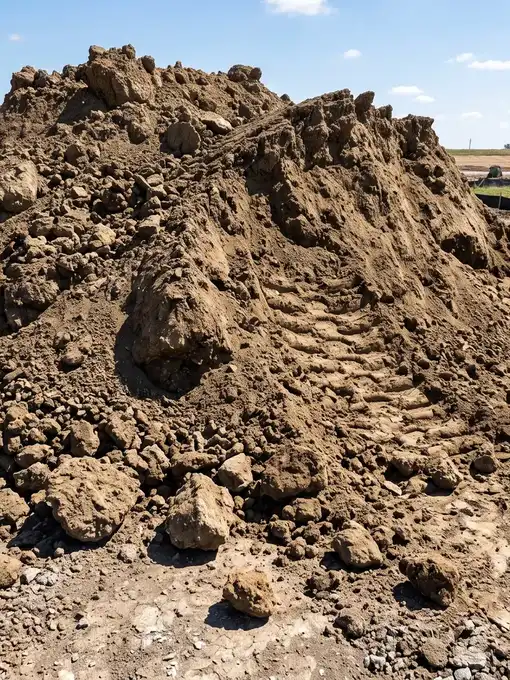
Bulk fill dirt delivered in Washington, DC. Brown color.
Starting from $504 delivered to Washington for 2 tons, our minimum order
Washington, DC homeowners and contractors order fill dirt delivery for foundation leveling, yard grading and basement excavation backfill across neighborhoods built on the Piedmont plateau overlooking the Potomac. Fill Dirt comes from the closest yard and is priced by the ton, with a lower per-ton rate for larger orders. Below is what fill dirt is used for around Washington, how fast it arrives, how many tons a typical job takes, and how the delivered rate is put together.
Soil and Terrain in Washington, DC
Washington sits on the Piedmont plateau, with soils that range from clay loam in the western neighborhoods to sandy, silty mixtures near the Chesapeake drainage system. The city's older neighborhoods often have mixed soil profiles from decades of underground work, and newer infill projects regularly encounter unsuitable subgrade that needs to be dug out and replaced with clean, compacted fill dirt. The relatively flat central core and rolling grades toward the edges of the District mean that most grading projects are modest, but they are common in a city where so many buildings date from the eighteen hundreds and early nineteen hundreds and sit on shallow foundations. Fill dirt is the standard choice for these grade corrections and for lining the bottom of shallow excavations.
Best Uses in Washington, DC
Around Washington, fill dirt is most commonly ordered for basement backfill after foundation repair or waterproofing work, and for grading and leveling in yards and around building bases. The District's many townhouses and row houses have tight lot lines and basements that often need careful excavation and backfill, and fill dirt is cheaper and safer than trying to reuse excavated material of unknown composition. New construction infill projects use it for grade adjustments and subgrade prep before concrete slabs. Homeowners with settling yards or uneven grades around their homes bring in fill dirt to level things out before laying a patio or regrading for drainage. It is also ordered for these same purposes at small commercial sites, renovation contractors' staging areas and parking corrections.
How Much Fill Dirt You Need
In Washington, Fill Dirt is sold and priced by the ton, so figure your job in tons rather than cubic yards. A cubic yard of fill dirt weighs about 2,200 pounds, which works out to roughly 320 square feet of coverage at 2 inches deep, 160 square feet at 4 inches, and 107 square feet at 6 inches, all per ton. A typical basement backfill for a 20 by 30 foot footprint at 4 inches deep runs close to 4 tons.For your Washington fill dirt project, skip the math and use the calculator to enter your square footage and depth for the tons you need.
Delivery and Lead Times
Delivery windows in Washington follow three tiers tied to order size. Orders between 3 and 7 tons usually arrive within 1 to 2 business days. Orders from 8 to 14 tons typically depart the same day or the next business day. Orders of 15 tons or more qualify for the fastest delivery windows and no delivery charge. Delivery in Washington has the current service area and scheduling detail for this city.
Pricing Notes
Fill Dirt pricing in Washington breaks into three ton-based tiers. Order 3 tons or more and the rate is $183 a ton, delivered in 1 to 2 business days. Order 8 tons or more and the rate drops to $95 a ton, with same or next day delivery in most cases. Order 15 tons or more, the volume rate most basement and grading jobs land in, and the rate is $71 a ton with free delivery included. Once you provide your Washington delivery address at checkout, we calculate the final price based on the haul distance.
Ordering Fill Dirt in Washington, DC
Ordering fill dirt delivery in Washington takes a ZIP code, a ton count and a delivery date. Select your tier based on your total ton count, since moving into a higher tier can sometimes cost less overall even if you round up slightly. For fill dirt in the rest of the District and nearby areas, the Fill Dirt in District of Columbia hub lists the current service area and available cities. Most residential jobs in Washington land in the 3 to 8 ton range, whether the fill dirt is going under a basement or out into a yard.
About Fill Dirt
Fill dirt is a soil-based material used to build up grade, backfill excavations and level uneven ground. It is typically composed of clay, sand and silt in varying proportions, depending on the source. Unlike topsoil, which contains organic matter and is intended to support plant growth, fill dirt has little to no organic content and serves purely structural purposes. It is compacted in layers to provide stable, long-term support for buildings, slabs, driveways and other structures.
A cubic yard of fill dirt weighs approximately 2,200 pounds, which is the standard conversion for pricing and ordering. It ships and prices by the ton, not the cubic yard, because of that weight. Fill dirt from a known, consistent source is preferable to reusing excavated soil of uncertain composition, especially in areas with old foundations and decades of underground work like Washington, DC. Clean, predictable fill dirt compacts reliably and does not settle unexpectedly over time the way mixed or contaminated excavation spoil sometimes does.
What Fill Dirt costs in Washington
In the Washington market, fill dirt is sold by the ton and priced at the gate before delivery is added on. Send your ZIP and load size and we will send back a same-hour quote with the truck rate and the per-ton figure spelled out. One ton covers about 98 sq ft at a 3 inch finished depth, so a 400 sq ft driveway pad runs roughly 5 tons.
How crews use Fill Dirt in Washington
Crews working out of Washington tend to call for fill dirt on a few repeat jobs each week. The first is erosion control, typically laid in tight urban lots and infill builds with a base lift compacted before the finish course goes on. The second is driveway gravel, which lands here in dense neighborhoods where curb access is short and usually ships as a 4 to 8 ton order. With a population around 689,545, Washington pulls a mix of single-truck homeowner orders and contractor full-loads through the season.
Delivery day in Washington
On the day of the drop, the dispatcher pulls the closest yard, batches your ticket with other Washington stops, and sends a window the night before. Tandem-axle dumps need at least 12 ft of clear width and 14 ft overhead to set the bed; tri-axles need 14 ft of clearance on both counts and a level pad to tip safely. Standard lead time on this lane is Mon-Sat, with same-day windows held open for orders that hit the desk before 11 AM and clear payment.
Related materials we deliver in Washington
 Price by ZIP
- SizeScreened, no size grade
- Density2200 lb/yd³
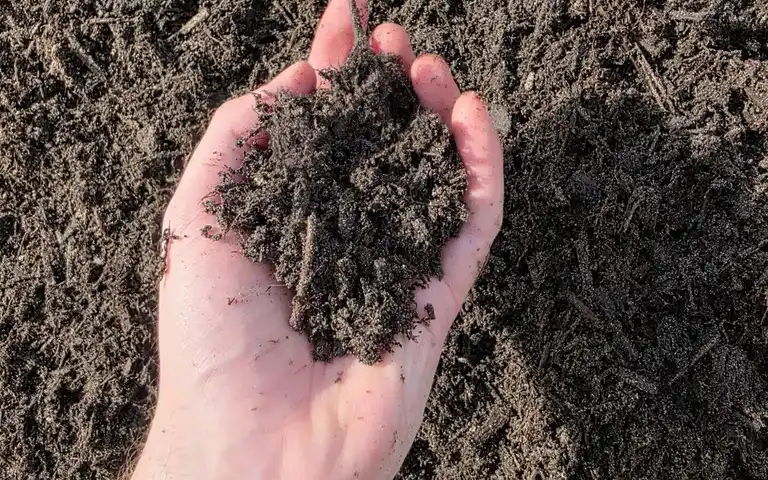
- ColorDark brown
 Price by ZIP
- Density2000 lb/yd³
- ColorDark brown
 Price by ZIP
- Density1000 lb/yd³
- ColorDark brown
Estimate how much you need
Calculate Your Project
Estimate only. Add 10-15% for compaction and waste.
Browse more
Common uses for Fill Dirt in Washington
Available in nearby cities
Plan your project
Related guides
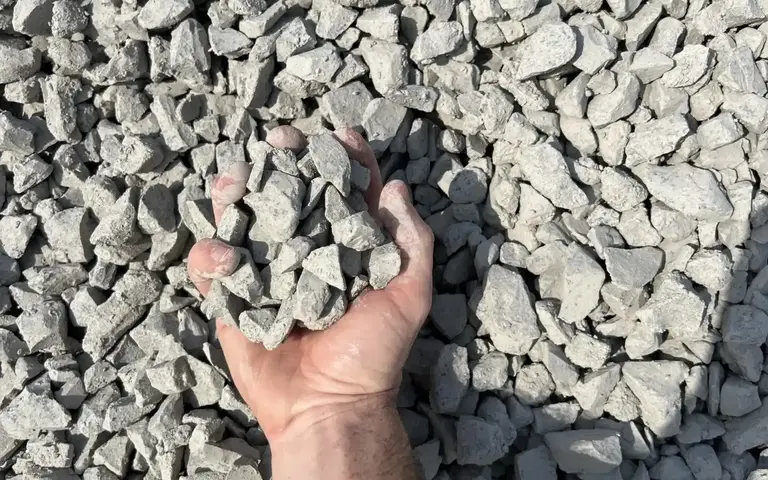
 GUIDEHow Much Does Gravel Cost? A Practical Pricing GuideHow much does gravel cost and why does it vary? See the real factors behind ton pricing, delivery, and order size before you buy.Read guide →
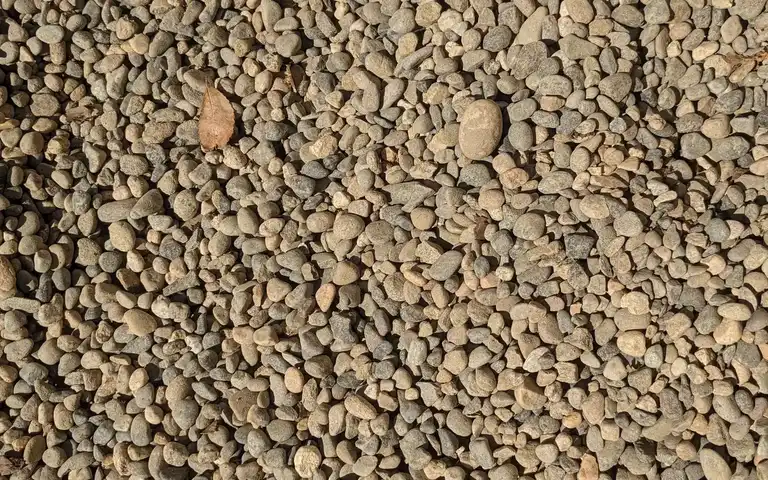
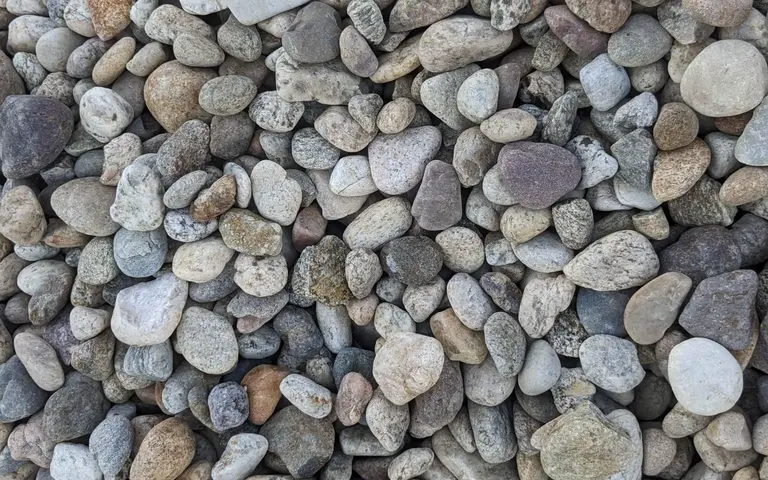
 GUIDEGravel Size Chart: Pea Gravel to Crushed StoneA gravel size chart showing pea gravel, crushed stone and river rock diameters side by side, so you can match the right size to your project.Read guide →
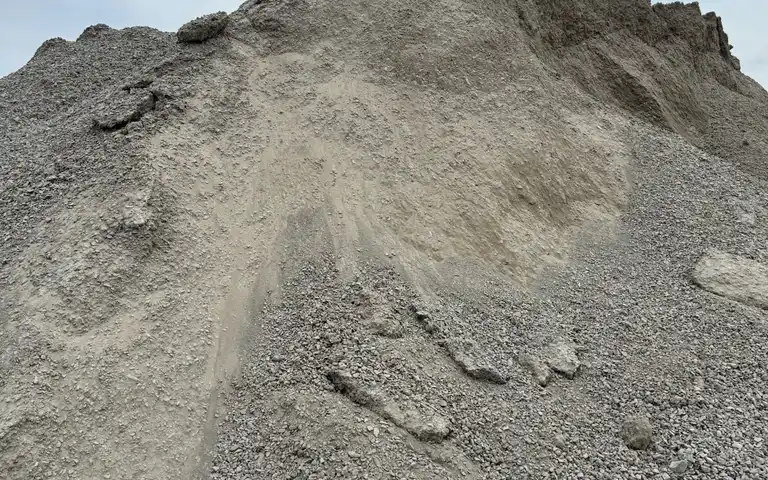
 GUIDEThe Different Types of Gravel and How to ChooseA plain-language guide to the main types of gravel, covering pea gravel, crushed stone, river rock and decomposed granite.Read guide →
 GUIDEWhat Are Screenings? A Guide to Crushed Stone FinesScreenings are fine crushed stone used for paver bases, joint fill and walkways. See what screenings are, common types, and mistakes to avoid.Read guide →
Frequently Asked Questions
What is fill dirt?
Fill dirt is compacted soil used to build up grade, backfill excavations or level uneven ground. It is typically a mix of clay, sand and silt, and it comes from sources where it is stripped as overburden before reaching usable material. Unlike topsoil, which has organic matter and supports plants, fill dirt has little to no organic content and is meant purely for structural use and grade work.
Is fill dirt sold by the ton or the cubic yard?
Washington, DC fill dirt is sold by the ton rather than cubic yard. A cubic yard of fill dirt weighs about 2,200 pounds, which is the standard conversion. Pricing and delivery are both figured in tons. Every quote for fill dirt in Washington is built the same way, starting from a ton count based on the square footage and depth of the project.
What is the difference between fill dirt and topsoil?
Fill dirt is subsoil or overburden with little organic content, used for grade correction and backfill. Topsoil second if the goal is to grow lawn or plants over the filled area. Ordering the right material for the job saves money and gets better results.
How much fill dirt does a typical basement backfill need?
It depends on the footprint and depth, but a basement backfill for a 20 by 30 foot foundation at 4 inches deep runs close to 4 tons. Wider excavations or deeper backfill needs more. The Washington, DC calculator converts your measurements into tonnage before ordering. Most basement projects in Washington land in the 3 to 8 ton range.
How fast can I get fill dirt delivered in Washington, DC?
Washington, DC delivery speed varies based on your order size. Washington, DC orders of 3 to 7 tons ship in 1 to 2 business days; 8+ ton orders move same day or next day. Washington, DC orders of 15 tons or more receive priority scheduling, best rates, and free delivery.
Does the price per ton change based on order size?
Washington, DC rates decrease as your ton count increases. Orders of 15 tons or more get the lowest per ton rate along with free delivery, and smaller orders of 3 to 7 tons pay a higher per ton rate plus a delivery charge. For Washington, DC orders, rounding up to the next tier often costs less than staying below it.
Can I use excavated soil instead of ordered fill dirt?
For some projects, yes, but for others it is risky. Excavated soil of unknown composition might contain contaminants, unsuitable clay, or organic debris that breaks down over time and causes settling. In Washington, many old building sites have mixed soils from decades of underground work. Using clean, consistent fill dirt from a known source ensures stable, predictable compaction.
Do I need to be home for fill dirt delivery in Washington, DC?
The delivery page for Washington has the current scheduling and access details for this city, including lead time windows tied to your order size. Larger orders of 15 tons or more typically get the fastest scheduling, so it helps to know your rough ton count and available delivery window before you place an order.