
Driveway Gravel in Allen, TX: Materials and Installation
Material picks, pricing, and pro tips for driveway gravel projects in Allen, TX.
What driveway gravel projects need in Allen
Allen sits in the Dallas-Fort Worth metroplex, where suburban driveways handle everything from daily commutes to contractor vehicles. Driveway gravel must withstand summer heat and occasional heavy rain, plus the ongoing traffic of a growing community. Your driveway base needs to resist settling and ruts under truck weight. Quality driveway gravel starts with the right material selection and proper installation depth.
Choosing the right material and size
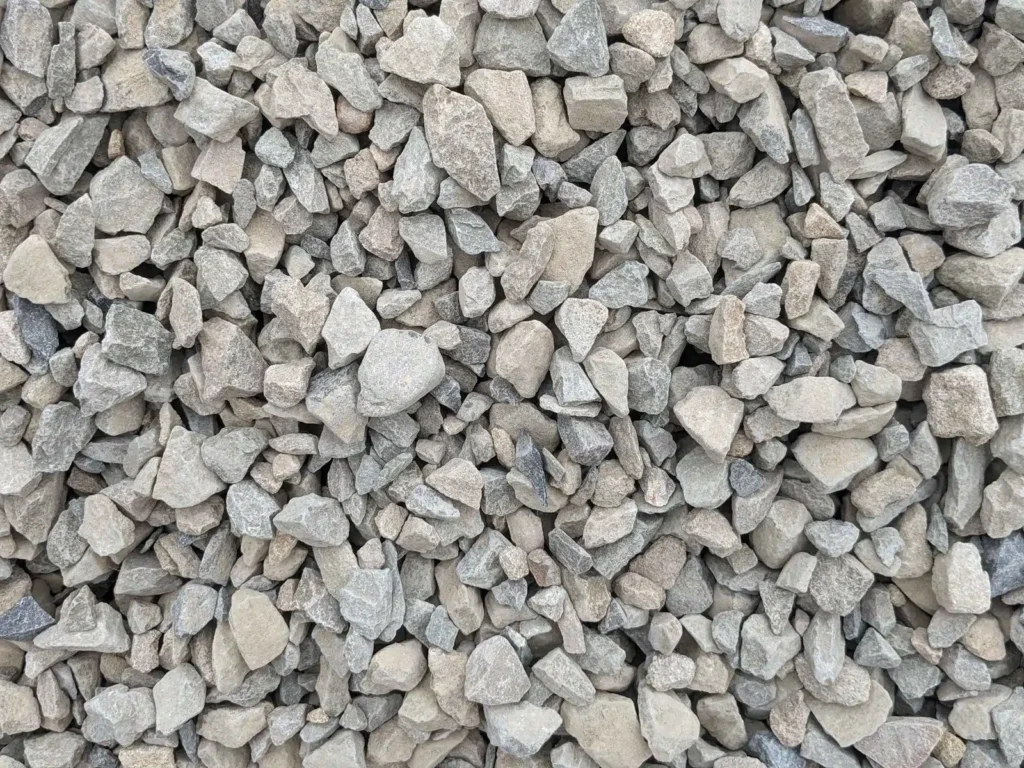
The best driveway materials are sold by the ton: #57 Crushed Stone and Asphalt Millings both compact well and lock together. Stone is sharp-edged and angular, which helps it pack down firmly under traffic. Asphalt millings contain a binding agent that hardens slightly over time, creating a firmer surface as it ages. Size matters: crushed stone works best at half-inch to three-quarter-inch diameter for stability and drainage.
Angular stone pieces resist rolling and displacement better than rounded gravel. This is why number 57 stone is the standard for driveway bases across Texas. Asphalt millings work similarly, with the added benefit of slight hardening. Both materials lock together when compacted, creating a more stable surface than loose aggregate.
Depth, base and how much to order
A proper gravel driveway starts with landscape fabric over soil, then a 4-6 inch layer of base stone. Top it with 2-3 inches of your finish material. Calculate your volume using the formula: length in feet times width in feet times depth in inches, divided by 324. Use the calculator for precision if your driveway is oversized or has an irregular shape. Orders of 15 tons or more qualify for free delivery in Allen.
Professional contractors often increase base depth in high-traffic areas. If your driveway will see heavy truck use, consider an additional inch of base material. The extra investment in base preparation prevents ruts and extends your driveway's lifespan significantly.
Local conditions that affect the build
Allen's clay soil drains slowly, so adequate base preparation prevents standing water and washout. Gravel driveways in the Dallas area benefit from regular raking and occasional recompaction, especially after heavy rain. The Dallas metroplex experiences temperature swings that can loosen material, so tamping your stone properly on installation creates a more durable surface. Settling is common in clay soils, which is why starting with a thick base layer prevents future ruts.
Summer heat in Allen rarely damages gravel directly, but it does accelerate evaporation and material migration. Regular maintenance becomes more important in hot months. Keep an eye on areas near downspouts where water flow concentrates material movement.
Delivery and getting started
Once you've measured your driveway and selected your material, check delivered pricing for your ZIP code. Quantities below 15 tons include a delivery charge; bulk orders ship free. Our service area covers McKinney, Frisco, Plano and the surrounding suburbs. Schedule your delivery to match your installation timeline, and have the site prepped and ready so unloading goes smoothly. Staging your material near the driveway reduces labor and extends your unloading window.
About Driveway Gravel projects
Driveway gravel projects involve installing or maintaining a gravel driveway surface. Homeowners and contractors select material by size and type, calculate volume based on driveway dimensions, and arrange delivery. The project requires site prep, base layering, and proper drainage to ensure durability.
Recommended materials for
 Price by ZIP
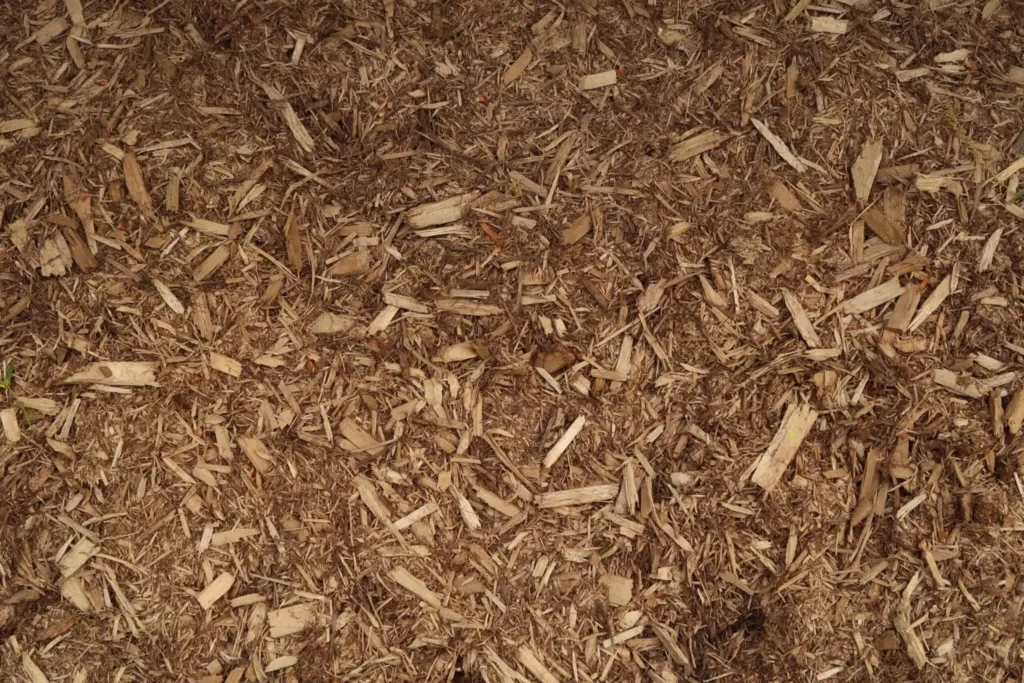
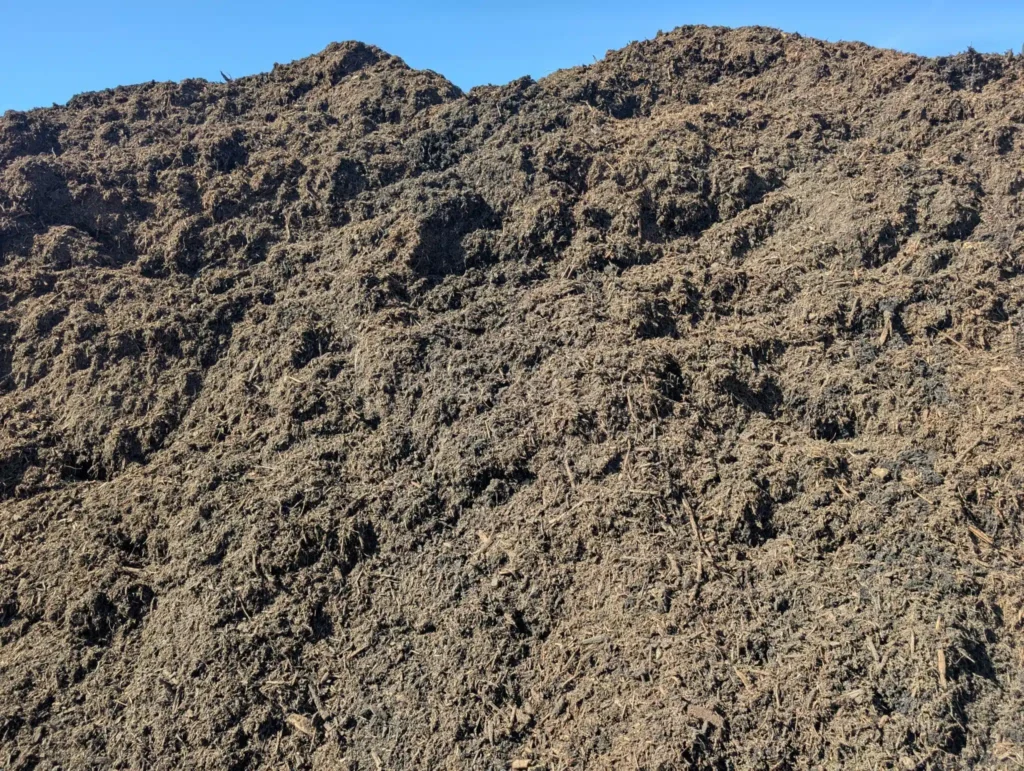
- Density800 lb/yd³
- ColorBrown, black, red
 Price by ZIP
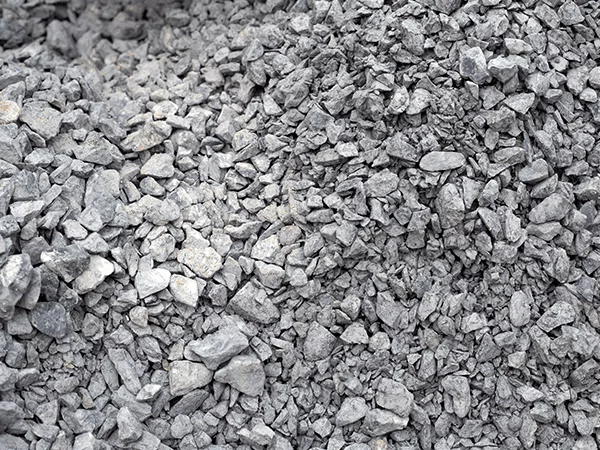
- SizeDense-graded, varies
- Density2500 lb/yd³
- ColorGray / white
 Price by ZIP
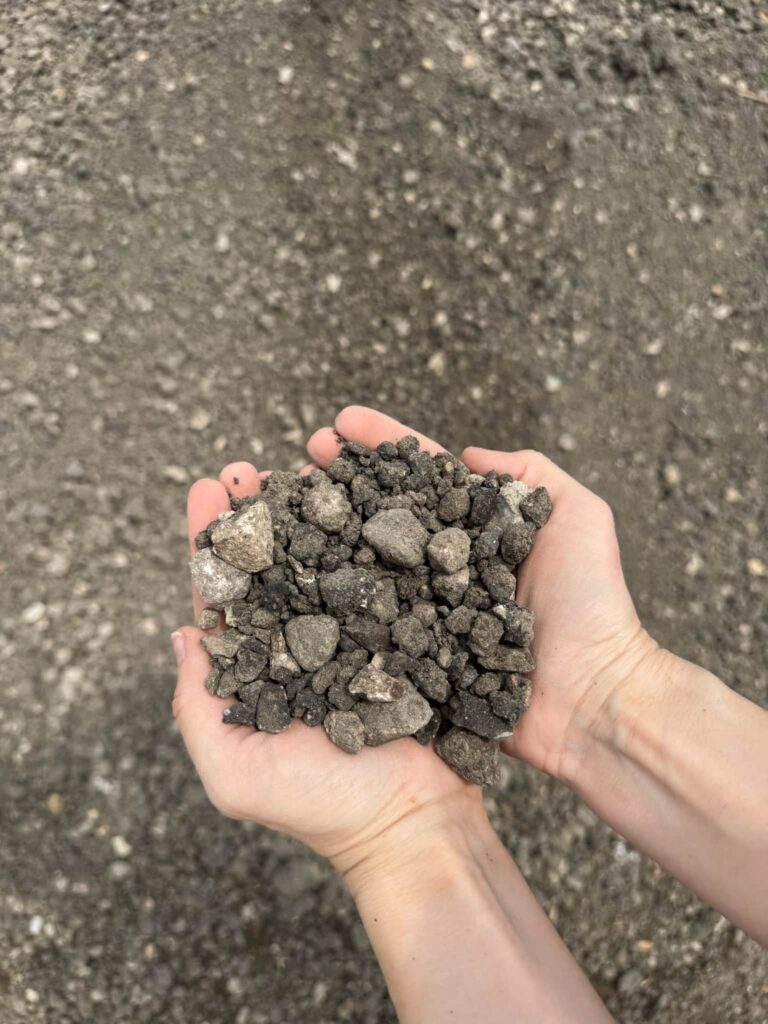
- SizeDense-graded, varies
- Density2400 lb/yd³
- ColorBlack
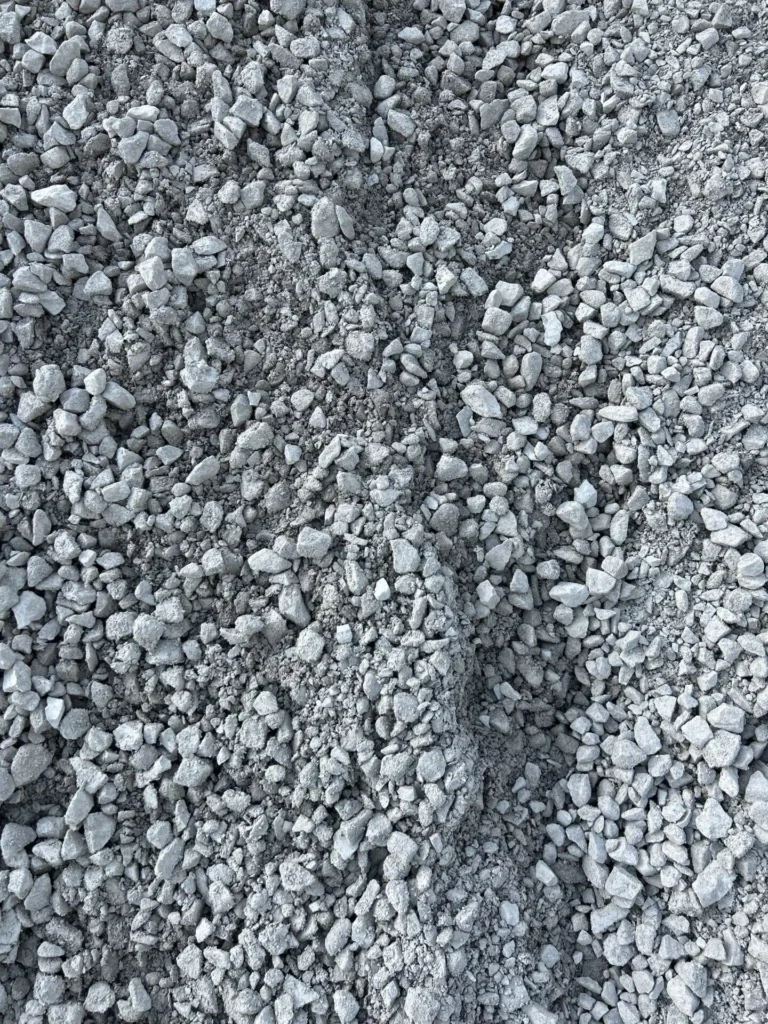 Price by ZIP
- SizeDense-graded, varies
- Density2850 lb/yd³
- ColorGray
How a driveway gravel project goes
- Measure your driveway and gather site detailsRecord the length, width, and any slopes or irregular sections. Note soil type and drainage patterns. Check for utilities underground. This information lets you calculate material volume and plan delivery timing and staging.
- Prepare the base with landscape fabric and stoneClear and level the driveway area. Lay landscape fabric to prevent soil migration. Spread 4-6 inches of larger base stone, then compact it firmly. A solid base prevents settling and ruts under truck weight.
- Order and arrange delivery of finish materialSelect your material: crushed stone or asphalt millings, both sold by the ton. Calculate the depth you want and use an online calculator if needed. Arrange delivery to arrive when your base is ready, ensuring you're home to oversee unloading.
- Spread and compact the finish layerDump material evenly across the driveway. Spread it to your target depth, typically 2-3 inches. Use a hand tamper or rent a plate compactor to lock the material down. Proper compaction reduces ruts and prolongs driveway life.
- Plan ongoing maintenance and schedule retoppingRake your driveway every few months to redistribute settled gravel. Watch for bare spots and low areas after rain. Plan to add a fresh top layer every 2-3 years. Regular maintenance keeps the surface firm and extends the driveway's usable life.
Estimate your material
Calculate Your Project
Estimate only. Add 10-15% for compaction and waste.
Driveway gravel in Allen's climate
What works in Allen starts with how Texas weathers a year. Hot, dry summers and short mild winters. Drainage runs through dry topsoil quickly, so coarser stone holds shape better than fine grit. For driveway gravel work specifically, that means choosing material that handles local moisture and traffic loads without re-dressing every season.
The small market profile of Allen also shapes how a project runs. Most jobs are residential, with the occasional school or municipal project. Truck access is usually wide and turnarounds run fast.
Where we deliver driveway gravel material in Allen
Our delivery footprint around Allen covers the core city plus a typical 35-mile radius. Recent driveway gravel drops have included:
- central historic streets in and around Allen
- cul-de-sac neighborhoods in and around Allen
- small farms on the city edge in and around Allen
- retail centers with parking expansions in and around Allen
If your address is outside that radius, send your ZIP through the contact form and we will confirm coverage within an hour.
Pricing for driveway gravel in Allen
Here is what the recommended driveway gravel materials are running in Allen right now. Full-truck orders (16 tons or more) typically save 15 to 20 percent off these per-ton rates.
| Material | Price from |
|---|---|
| Mulch Delivery Allen, Texas for New and Established Yards | Quote on request |
| Crushed Concrete Delivery in Allen TX | Quote on request |
| Asphalt Millings Delivery for Allen Driveways | Quote on request |
| Road Base Delivery in Allen, TX | Quote on request |
Browse more
Recommended materials in Allen
Tools to plan your project
Related guides
 GUIDEHow to Lay a Gravel Driveway: Step-by-Step GuidePractical, field-tested guide: how to lay gravel driveway. Pulled from real US installer notes and 2026 supplier price data.Read guide →
 GUIDEDoes Gravel Stop Weeds? Honest Answer + What WorksPractical, field-tested guide: does gravel stop weeds. Pulled from real US installer notes and 2026 supplier price data.Read guide →GUIDEHow Much Gravel Do I Need? Quick Sizing GuidePractical, field-tested guide: how much gravel do i need. Pulled from real US installer notes and 2026 supplier price data.Read guide →
 GUIDEWhat Is #57 Stone? Uses, Size, and Cost ExplainedPractical, field-tested guide: what is 57 stone. Pulled from real US installer notes and 2026 supplier price data.Read guide →
Frequently Asked Questions
How long does gravel last in a Texas driveway?
Well-installed driveway gravel typically lasts two to three years before needing topping. Regular maintenance like raking and spot-filling extends its life. Heavy traffic and poor drainage shorten the cycle. Heat in Allen summers doesn't degrade stone, but foot and vehicle traffic move material over time.
Do I need a base layer under the gravel?
Yes. A 4-6 inch base of larger stone prevents gravel from sinking into clay soil. Allen's clay-heavy soil needs good drainage, so lay landscape fabric first, then base stone, then your finish material. This layering prevents material migration and ruts under truck weight.
What is #57 Crushed Stone?
Number 57 stone ranges from half-inch to three-quarter-inch diameter. It's crushed limestone or granite with sharp, angular pieces that lock together. This size works well for driveway bases and finish layers. The angular shape prevents rolling and settling, giving you a firmer surface than rounded gravel.
How much does driveway gravel cost to deliver?
Delivered pricing depends on your ZIP code, material, and quantity. Free shipping is available when you order 15 tons or more. A delivery charge applies to orders below the free-shipping threshold. Check the pricing block on this page for your ZIP to see current rates and quantity discounts.
Can I use gravel on a slope?
Gravel works on gentle slopes if you prepare the base well and compact it thoroughly. Steep slopes shed water and gravel, so consider fabric pinning or edging to hold material in place. Sloped driveways benefit from slightly deeper layers and regular tamping to stay firm.
How do I know if I need topsoil before gravel?
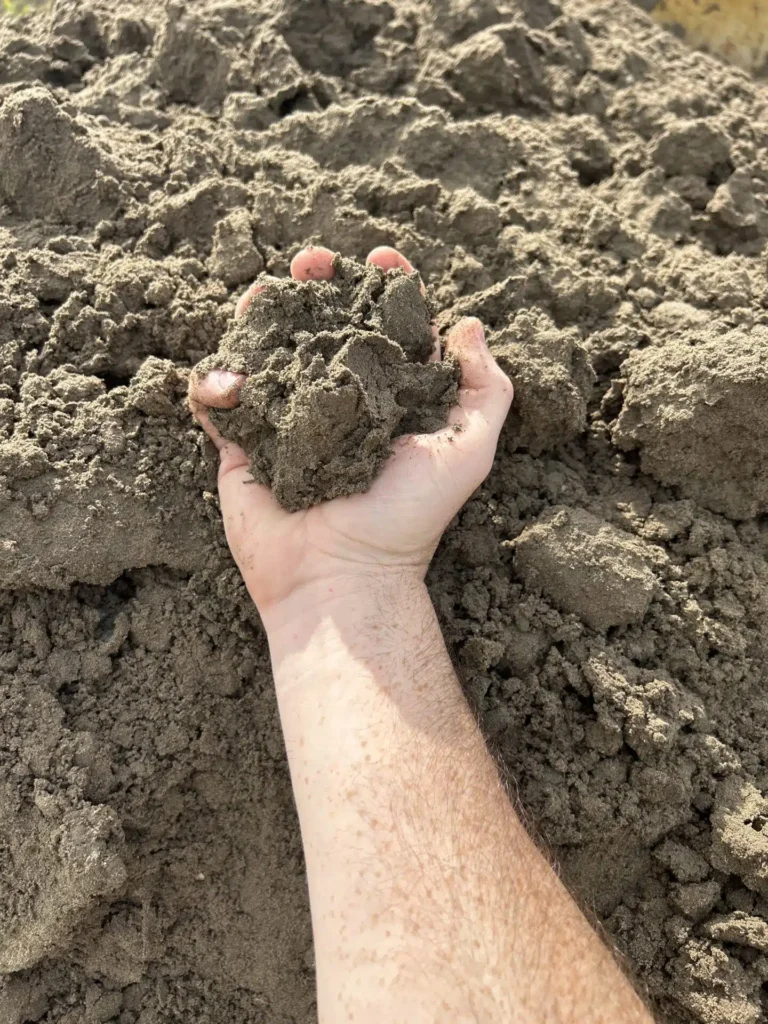
If your driveway area has severe erosion or deep ruts, a thin layer of topsoil can level the ground. In Allen, most yards have adequate soil, so you likely start with landscape fabric directly on the existing grade, then add stone. Fill major low spots with dirt first if needed.
What is the difference between Asphalt Millings and Crushed Stone?
Crushed stone is solid mineral aggregate that stays inert. Asphalt millings are recycled asphalt with a binder that hardens over time, creating a semi-solid surface. Both are sold by the ton and work for driveways. Millings tend to lock better and require less raking, while stone demands more maintenance.
How often should I rake my gravel driveway?
Rake every three to six months to redistribute settled material and fill ruts. After heavy rain, check for washouts and top-fill bare spots. Regular maintenance keeps your surface level and extends the life of the gravel, preventing it from migrating to the edges.