

Driveway Gravel in Saint Louis, MO
Material picks, pricing, and pro tips for driveway gravel projects in Saint Louis, MO.
Gravel driveway materials for Saint Louis homeowners
Saint Louis is a major metropolitan center in Missouri with nearly 280,000 residents and a strong regional presence across the St. Louis area. Driveway gravel projects here must account for the city's location in the Mississippi River valley, characterized by heavy clay and silt soils, humid summers, and wet springs. These conditions make material selection and proper installation critical for lasting performance.
A successful gravel driveway in Saint Louis relies on understanding the region's drainage patterns and seasonal weather. Both homeowners and small contractors benefit from choosing proven materials and construction methods suited to valley conditions. The foundation of durability starts with the right base material.
Material selection for clay-heavy soil
#57 Crushed Stone provides a reliable base layer in Saint Louis clay, where water drainage is a constant concern. The angular stone pieces interlock, creating a stable platform while allowing water to percolate downward. Asphalt Millings excel as a topping material, binding together and hardening over time. In Saint Louis, both crushed stone and asphalt millings are billed by the ton, making it easy to calculate project costs. The choice between them often comes down to aesthetic preference and intended maintenance schedule.
Saint Louis's clay-heavy soils drain slower than sandy or loamy alternatives, making the base layer especially important. Water management is the cornerstone of durable gravel driveway design in this region. Investing in proper material selection upfront saves money on repairs later.
Calculating depth and ordering quantities
A sound gravel driveway requires a 4-inch base layer of larger aggregate beneath a 2-inch finish layer of finer material or asphalt millings. To determine how many tons to order, take your driveway dimensions in feet (length times width), multiply by depth in inches, and divide by 324. A 15-foot-wide, 30-foot-long driveway needing 6 inches of depth would call for 8 to 9 tons total.
Use our calculator to avoid estimation errors. After calculating your tonnage, get a quote for your specific ZIP code to understand final delivery cost and timing. Orders exceeding 15 tons receive complimentary delivery to your location.
Saint Louis weather and seasonal maintenance
Spring rains and winter freeze-thaw cycles affect gravel driveways more in Saint Louis than in drier climates. A properly crowned driveway (slightly higher in the center) sheds water to the shoulders and prevents pooling. Compaction during installation matters enormously, as loose aggregate shifts more readily in wet conditions. Plan to refresh your top layer annually or every other year, depending on traffic and local rainfall.
The clay soil also means that grading and drainage work before you spread gravel pays dividends in the long run. Spending time on site prep reduces maintenance headaches later and ensures your driveway performs as intended.
Delivery to your Saint Louis location
We deliver driveway aggregate throughout Saint Louis with straightforward pricing based on your ZIP code. Orders from 3 to 8 tons arrive within 1 to 2 business days, while orders of 15 tons or more typically ship same-day or next-day for free. The delivery truck dumps material onto your driveway; grading, spreading, and compaction are handled by you or your contractor. Start by identifying your tonnage needs and request a delivery quote for your address today.
About Driveway Gravel projects
Build a gravel driveway by selecting the right stone size and depth for your region's weather and soil type, ordering the aggregate by the ton, and arranging delivery and installation. Proper material selection and compaction create years of reliable performance.
Recommended materials for
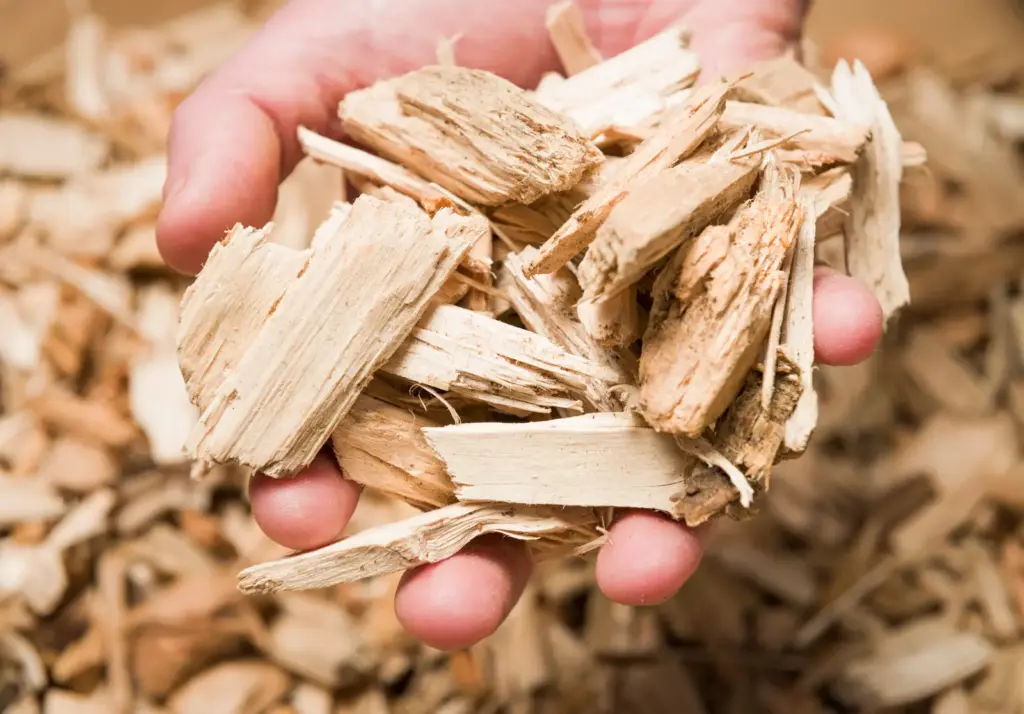 Price by ZIP
- Density600 lb/yd³
- ColorNatural wood
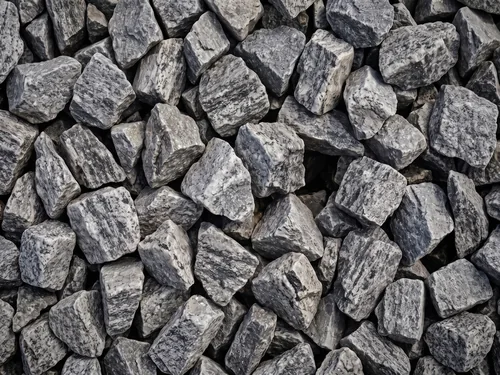 Price by ZIP
- Size2 - 3″
- Density2900 lb/yd³
- ColorGray
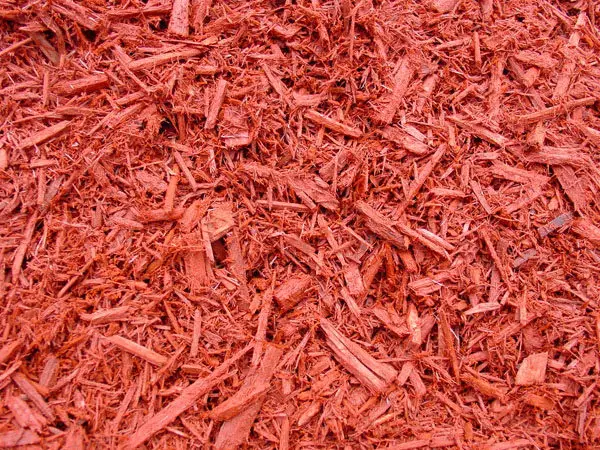 Price by ZIP
- Density800 lb/yd³
- ColorRed
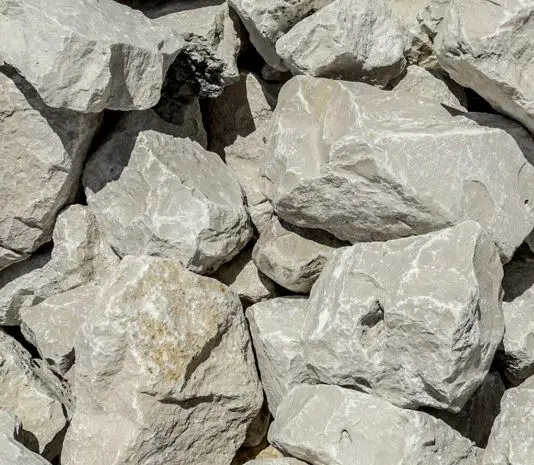 Price by ZIP
- Size4 - 9″
- Density2700 lb/yd³
- ColorGray
How a driveway gravel project goes
- Assess your site and soil typeSaint Louis sits in the heart of the Mississippi River valley with heavy clay and silt soils. The region experiences humid summers, moderate winters, and significant spring precipitation. Examine your drainage conditions and existing subgrade before selecting materials and depth.
- Pick the right aggregate materialYou can order #57 Crushed Stone for a stable base or Asphalt Millings for a finished riding surface. Costs are quoted by the ton for each material with delivered pricing to your address. Factor in Saint Louis's wet springs and clay soil when choosing between these options.
- Compute your material requirementsMultiply your driveway length by width in feet, then by depth in inches, then divide by 324 to find tons needed. A 15-by-30-foot driveway 6 inches thick requires roughly 8 to 9 tons. Use our online tool to verify your calculations.
- Arrange for bulk deliverySaint Louis delivery is free when you order 15 tons or more. Smaller loads include a delivery surcharge. Confirm your site access and preferred arrival window with our team before finalizing your purchase.
- Spread, compact, and maintainDeploy material in even layers and compact thoroughly using a mechanical roller or plate compactor. Saint Louis's wet climate makes compaction especially important. Plan to refresh the top surface annually or as needed.
Estimate your material
Calculate Your Project
Estimate only. Add 10-15% for compaction and waste.
Driveway gravel in Saint Louis's climate
Picking the right material for a driveway gravel project in Saint Louis comes down to how the climate treats it. Distinct seasons with humid summers and freezing winters. Quarried limestone is the regional default. For driveway gravel work specifically, that means choosing material that handles local moisture and traffic loads without re-dressing every season.
The small market profile of Saint Louis also shapes how a project runs. Most jobs are residential, with the occasional school or municipal project. Truck access is usually wide and turnarounds run fast.
Where we deliver driveway gravel material in Saint Louis
Our delivery footprint around Saint Louis covers the core city plus a typical 35-mile radius. Recent driveway gravel drops have included:
- central historic streets in and around Saint Louis
- cul-de-sac neighborhoods in and around Saint Louis
- small farms on the city edge in and around Saint Louis
- retail centers with parking expansions in and around Saint Louis
If your address is outside that radius, send your ZIP through the contact form and we will confirm coverage within an hour.
Pricing for driveway gravel in Saint Louis
Here is what the recommended driveway gravel materials are running in Saint Louis right now. Full-truck orders (16 tons or more) typically save 15 to 20 percent off these per-ton rates.
| Material | Price from |
|---|---|
| Wood Chips Delivery in Saint Louis, MO | Quote on request |
| Railroad Ballast Delivery Saint Louis Missouri | Quote on request |
| Red Mulch Delivery in Saint Louis Missouri | Quote on request |
| Riprap Med Delivery in Saint Louis, Missouri | Quote on request |
Browse more
Recommended materials in Saint Louis
Tools to plan your project
Related guides
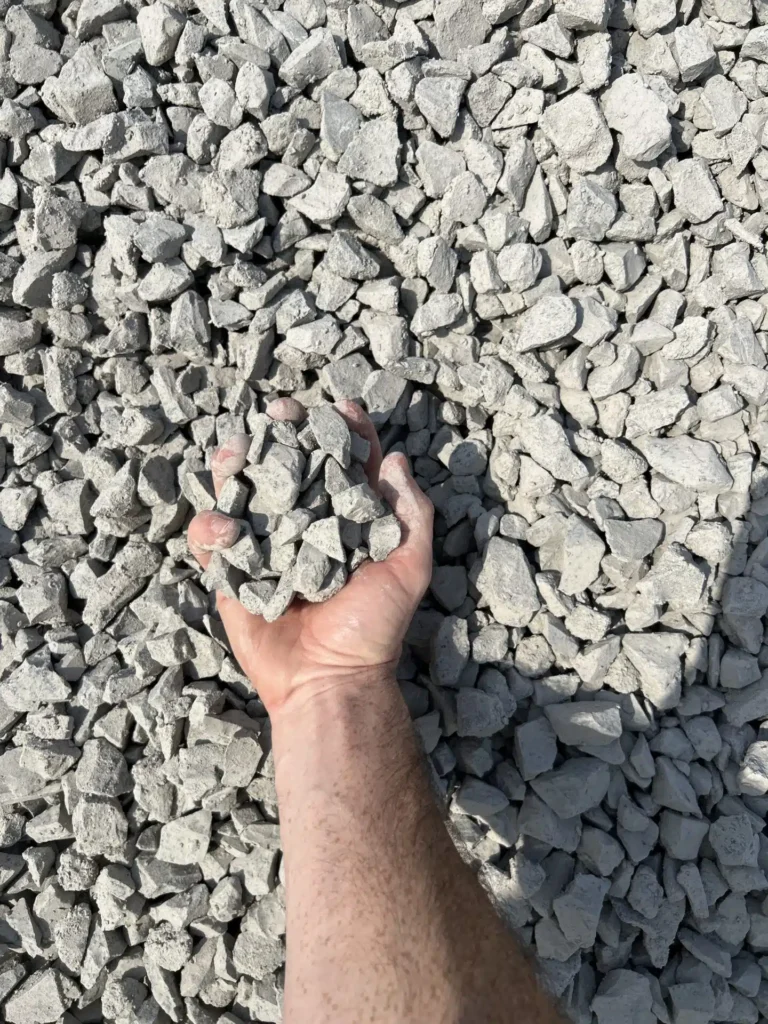 GUIDEWhat Is Crushed Stone? Sizes, Uses and Buying BasicsCrushed stone is quarried rock crushed and screened into angular pieces sold by the ton. Here is what it is, how it is graded, and where to use it.Read guide →
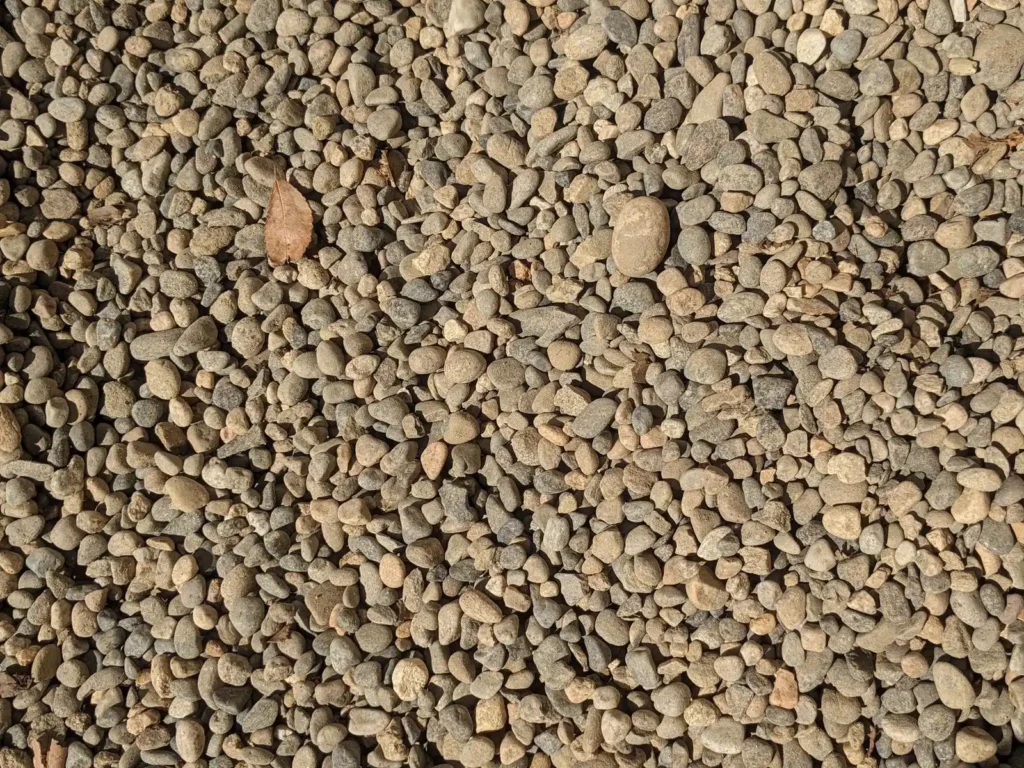 GUIDEHow Much Does Gravel Cost? A Practical Pricing GuideHow much does gravel cost and why does it vary? See the real factors behind ton pricing, delivery, and order size before you buy.Read guide →GUIDEGravel Size Chart: Pea Gravel to Crushed StoneA gravel size chart showing pea gravel, crushed stone and river rock diameters side by side, so you can match the right size to your project.Read guide →
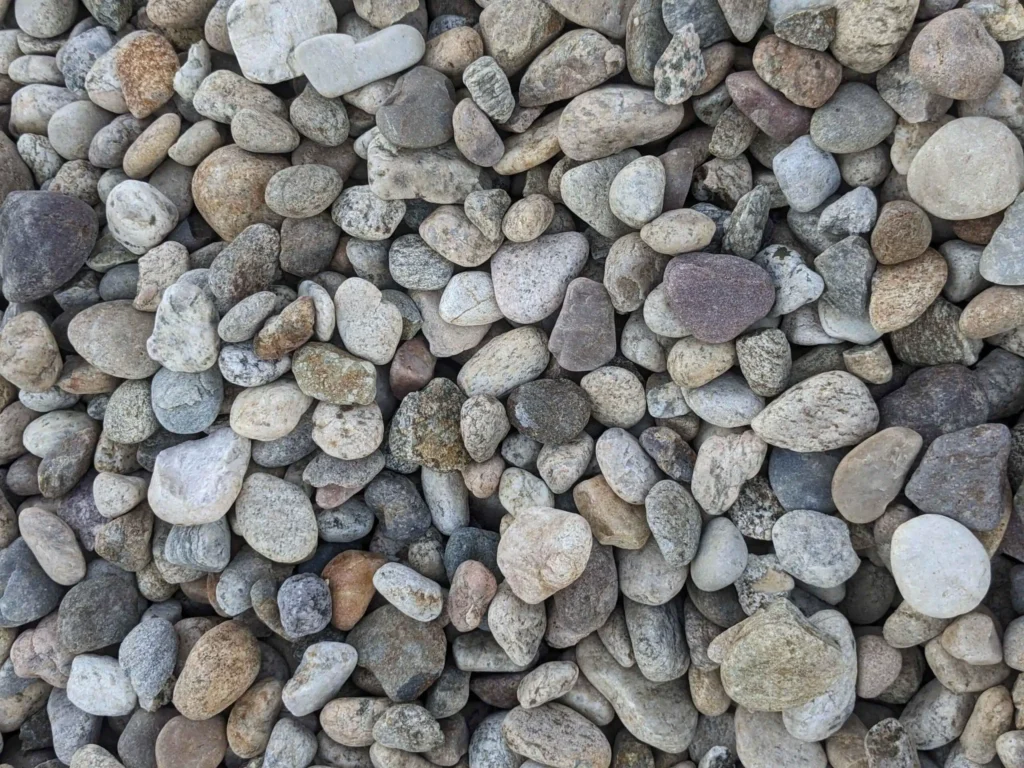 GUIDEThe Different Types of Gravel and How to ChooseA plain-language guide to the main types of gravel, covering pea gravel, crushed stone, river rock and decomposed granite.Read guide →
Frequently Asked Questions
Why is crushed stone better than plain dirt for a driveway base?
Crushed stone interlocks and sheds water, while dirt compacts into an impermeable layer that puddles in rain. Stone provides a stable, permeable base that supports vehicles and drains water downward. This mineral base prevents the rutting and soft spots common in clay-only driveways.
How thick should my driveway be in Saint Louis?
A 6-inch depth is standard: 4 inches of crushed stone base plus 2 inches of finish material. Saint Louis's wet climate and clay soil may warrant 7 to 8 inches for higher-traffic or heavily-loaded applications. A thicker base improves drainage and reduces ruts.
Can I mix crushed stone and asphalt millings?
Mixing materials works, but layering them performs better. Place crushed stone as your base layer, then spread asphalt millings on top. This arrangement optimizes the strengths of each material. Both materials are measured by the ton.
How do Saint Louis's springs affect driveway gravel?
Heavy spring rainfall can saturate clay soils and cause gravel to shift or sink. Proper drainage and compaction reduce this risk. A well-crowned driveway with good base drainage handles spring rains much better than a flat surface.
How long does a gravel driveway last in this climate?
With proper base construction and annual maintenance, 4 to 6 years is typical. Saint Louis's wet springs and traffic wear aggregate faster than in drier regions. Spot-filling ruts and refreshing the top layer yearly extends service life.
Should I use recycled asphalt for the entire driveway?
No. Asphalt Millings work best as a topping layer bonding to a crushed stone base. Using millings alone leaves you without proper drainage and stability. A two-layer design optimizes durability and reduces future problems.
What size is #57 crushed stone?
Number 57 stone ranges from 1/2 inch to 3/4 inch in diameter. This size interlocks well and drains water efficiently. Larger pieces might not compact as tightly, while smaller pieces may wash away in heavy rain.
How often should I re-compact my gravel driveway?
Initial compaction during installation is essential. In Saint Louis, consider re-compacting in spring after winter settling and freeze-thaw heave. Annual or biennial topping keeps the surface smooth and fills ruts created by traffic.