
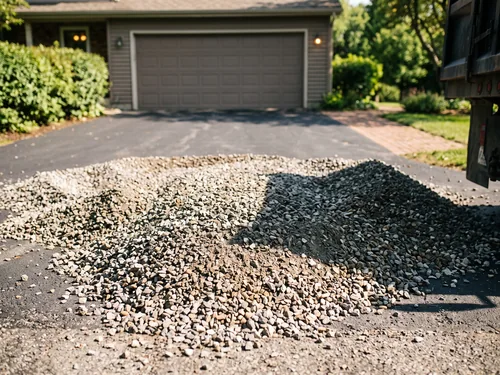
Driveway Gravel Solutions for Honolulu
Material picks, pricing, and pro tips for driveway gravel projects in Honolulu, HI.
What Honolulu driveways require
Building a durable driveway in Honolulu means accounting for tropical weather, volcanic soil, and year-round moisture. The islands' abundant rainfall demands excellent drainage, while mineral-rich volcanic substrates can shift under conventional gravel. Choose driveway gravel that works with Honolulu's climate. Crushed stone performs well here because angular particles lock together and allow water to flow through rather than pooling on the surface. Asphalt millings provide a dark, stable alternative that compacts firmly and resists the kind of settling that plagues flat gravel in wet climates.
Choosing your material and size
The two main options for driveway surfaces are #57 crushed stone are recycled asphalt fragments that compact into a solid surface and darken over time as they set.
#57 Crushed Stone is ideal if drainage is your priority. The angular edges grip each other and won't shift under vehicle weight. Asphalt Millings bond together as they cure, creating a smoother, more finished appearance. Either choice works for tropical climates when properly installed with a solid base layer.
Gravel grain sizes matter. Avoid fine sand or dust, which traps water rather than draining it. Stick with materials sized 0.5 to 1.5 inches for the best results in Honolulu's moisture-heavy environment.
Depth, base, and how much to order
A typical driveway needs 4 to 6 inches of compacted gravel on top of a prepared base. Honolulu's soft volcanic soils call for an extra-solid foundation, so lay down 4 to 6 inches of compacted native soil or sand first, then your gravel on top. Use the calculator to figure out your total volume: multiply length in feet by width in feet by depth in inches, then divide by 324. That gives you cubic yards. To convert to tons, multiply cubic yards by 1.3 (stone material is roughly 1.3 tons per cubic yard).
For example, a 20-by-30-foot driveway at 5 inches deep is 92 cubic yards, or about 120 tons of crushed stone. Orders under 3 tons carry a delivery fee plus a per-ton charge. At 15 tons and above, you qualify for our bulk rate of about $78 per ton with free delivery included.
Local conditions and installation tips
Honolulu's tropical rains are frequent and heavy, so compact your gravel thoroughly to prevent washout. Use a hand tamper on small areas or a powered compactor for the whole driveway. After the first heavy rain, check for settled spots and add more material as needed. The volcanic rock beneath also tends to absorb heat, so choose a light-colored material like crushed stone if you want to reduce surface temperature on hot days.
Wet soil is easier to work with than bone-dry, so plan your installation for the dry season or the day after rain. Avoid working in the middle of heavy downpours, as moving equipment becomes difficult and gravel spreads unevenly when mud is present.
Getting started with delivery
Delivery in Honolulu is available for orders of 3 tons or more. Small orders under 8 tons arrive in 1 to 2 business days. Mid-sized orders of 8 to 15 tons ship same-day or next-day. Orders meeting the bulk threshold of 15 tons or higher qualify for free delivery along with the per-ton bulk rate. Contact us to check availability for your delivery ZIP code and confirm your order details.
About Driveway Gravel projects
Installing driveway gravel in tropical climates requires attention to drainage and moisture. You'll evaluate materials designed for your region, determine how many tons you need based on measurements, and coordinate delivery to complete the project.
Recommended materials for
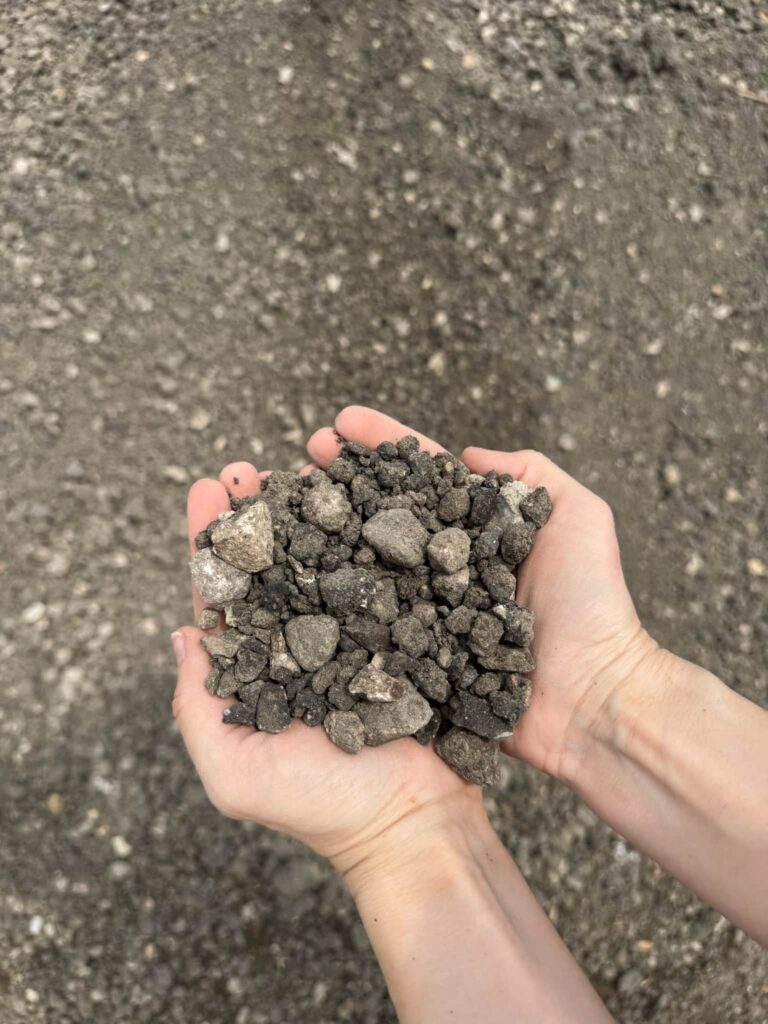 Price by ZIP
- SizeDense-graded, varies
- Density2400 lb/yd³
- ColorBlack
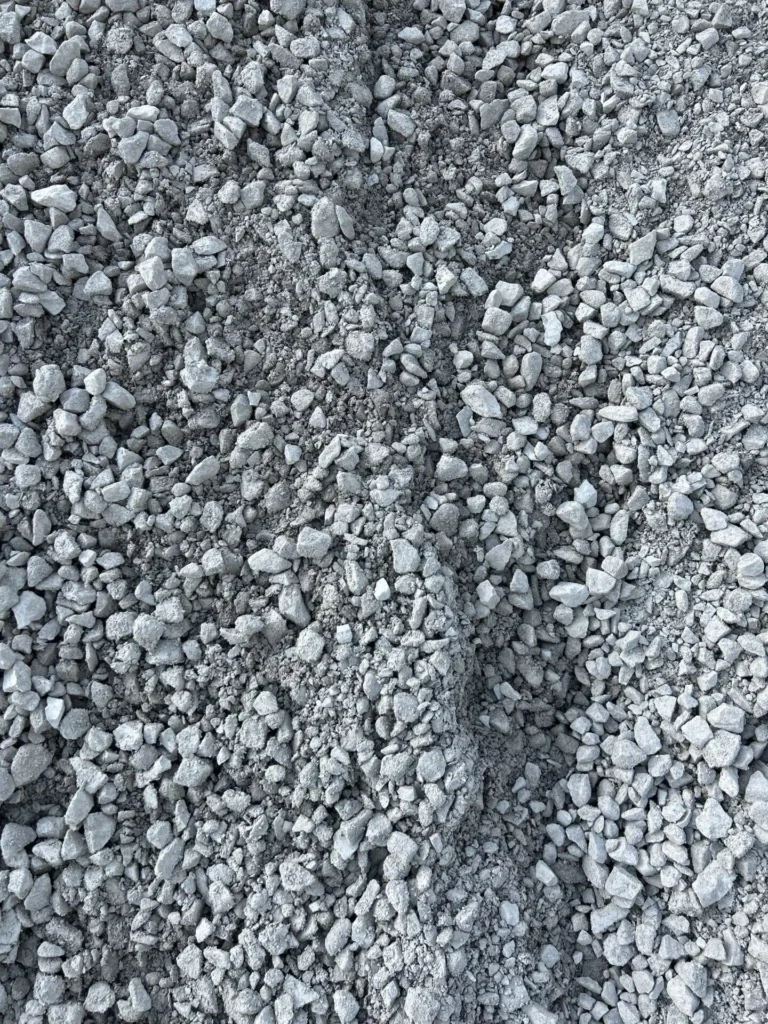 Price by ZIP
- SizeDense-graded, varies
- Density2850 lb/yd³
- ColorGray
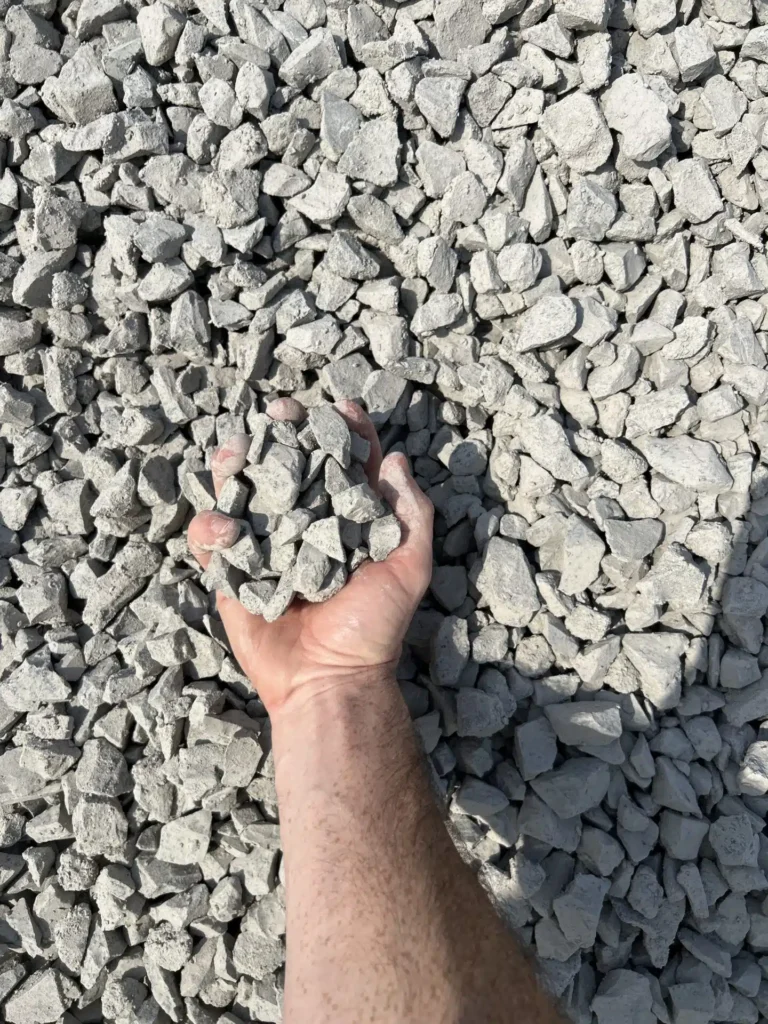 Price by ZIP
- Size3/4 - 1″
- Density2700 lb/yd³
- ColorGray
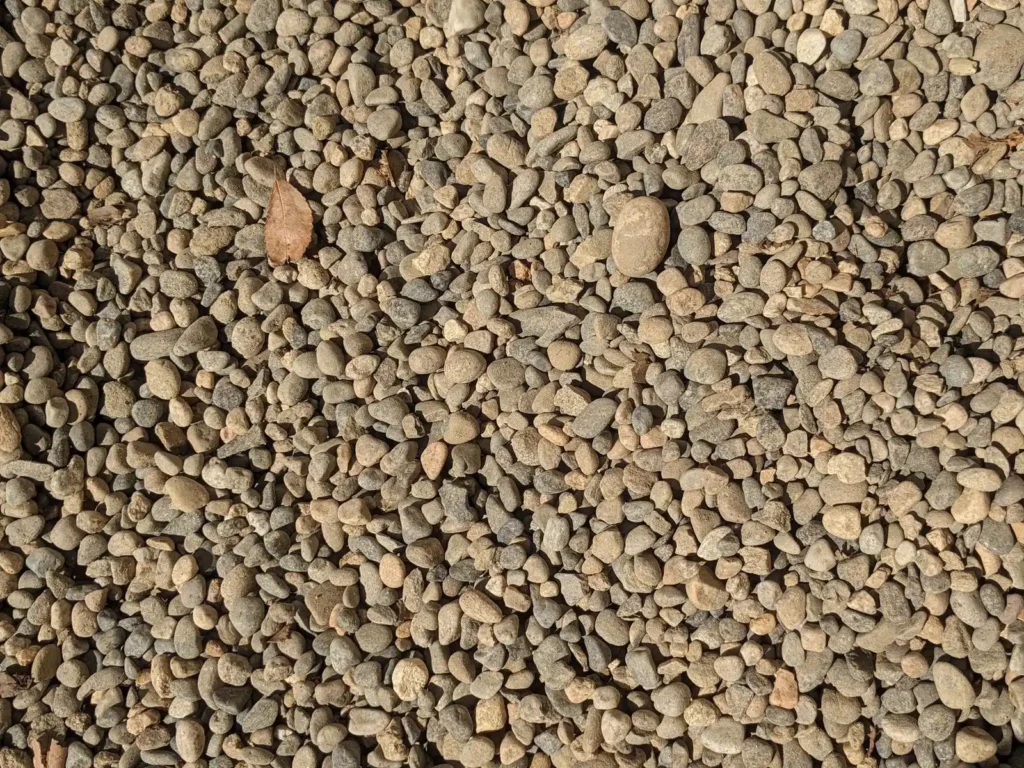 Price by ZIP
- Size1/4 - 3/8″
- Density2800 lb/yd³
- ColorTan / mixed
How a driveway gravel project goes
- Select Your MaterialCrushed stone and asphalt millings are the top choices for Honolulu driveways. Crushed stone provides excellent drainage crucial in tropical areas, while asphalt millings offer a darker appearance and strong compaction.
- Plan Your BaseHonolulu's climate demands a solid base to prevent settling and drainage problems. A compacted base layer of 4 to 6 inches supports the driveway surface and extends its lifespan in humid conditions.
- Calculate Your VolumeMultiply your driveway's length by width by desired depth, then use the calculator to determine how many tons you'll need. In Honolulu, bulk rates for driveway gravel apply at 15 tons and above, with free delivery included.
- Arrange DeliveryOrder your material through our delivery service in Honolulu. We deliver in 1-2 business days for smaller orders and offer same-day or next-day service for mid-sized projects.
- Install and CompactSpread the gravel evenly and compact it thoroughly using a hand tamper or compaction equipment. Proper compaction prevents rutting and keeps your driveway surface stable through heavy tropical rain seasons.
Estimate your material
Calculate Your Project
Estimate only. Add 10-15% for compaction and waste.
Driveway gravel in Honolulu's climate
What works in Honolulu starts with how HI weathers a year. Standard mixed seasonal conditions, with rainfall and freeze-thaw varying by zone. For driveway gravel work specifically, that means choosing material that handles local moisture and traffic loads without re-dressing every season.
The small market profile of Honolulu also shapes how a project runs. Most jobs are residential, with the occasional school or municipal project. Truck access is usually wide and turnarounds run fast.
Where we deliver driveway gravel material in Honolulu
Our delivery footprint around Honolulu covers the core city plus a typical 35-mile radius. Recent driveway gravel drops have included:
- older single-family blocks in and around Honolulu
- newer subdivisions on the outskirts in and around Honolulu
- commercial pad sites near the freeway in and around Honolulu
- horse properties on the rural edge in and around Honolulu
If your address is outside that radius, send your ZIP through the contact form and we will confirm coverage within an hour.
Pricing for driveway gravel in Honolulu
Here is what the recommended driveway gravel materials are running in Honolulu right now. Full-truck orders (16 tons or more) typically save 15 to 20 percent off these per-ton rates.
| Material | Price from |
|---|---|
| Asphalt Millings Delivery in Honolulu | Quote on request |
| Road Base Delivery in Honolulu, HI | Quote on request |
| #57 Crushed Stone Delivery in Honolulu, HI | Quote on request |
| Pea Gravel Delivery in Honolulu, HI: Tons and Pricing | Quote on request |
Browse more
Recommended materials in Honolulu
Same project in nearby cities
Tools to plan your project
Related guides
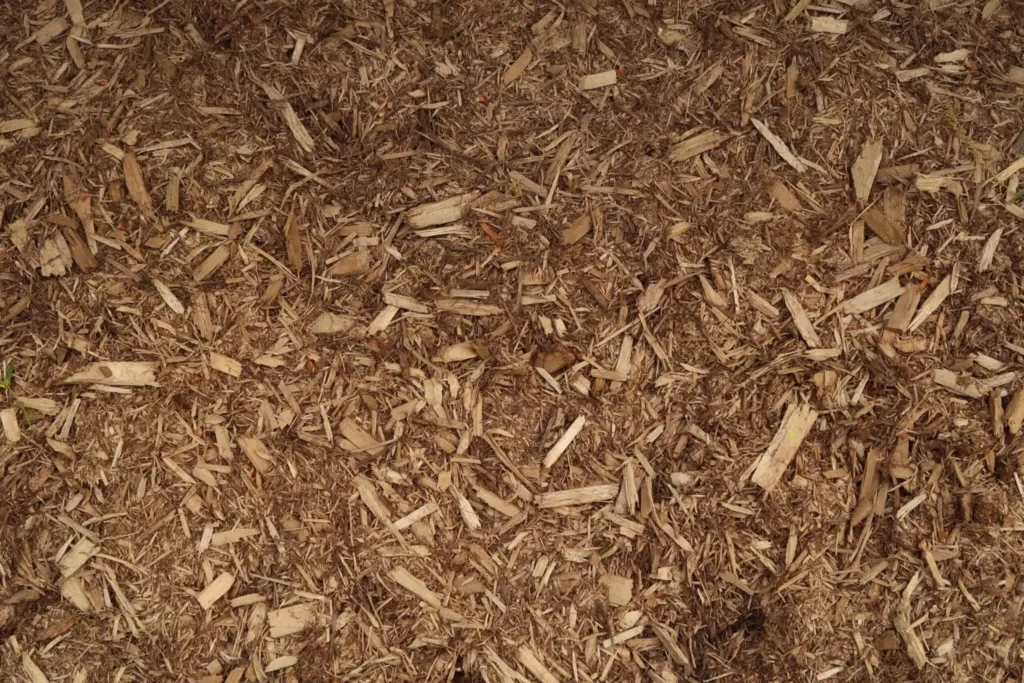 GUIDEHow Much Gravel Do I Need? Quick Sizing GuidePractical, field-tested guide: how much gravel do i need. Pulled from real US installer notes and 2026 supplier price data.Read guide →
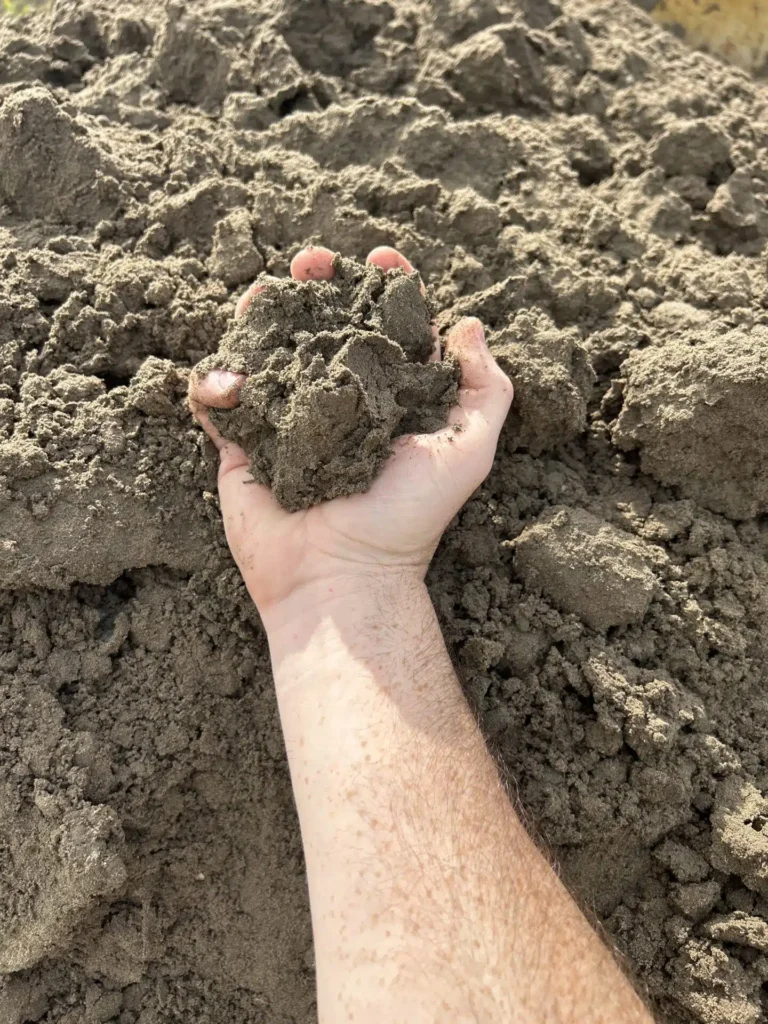 GUIDEWhat Is #57 Stone? Uses, Size, and Cost ExplainedPractical, field-tested guide: what is 57 stone. Pulled from real US installer notes and 2026 supplier price data.Read guide →
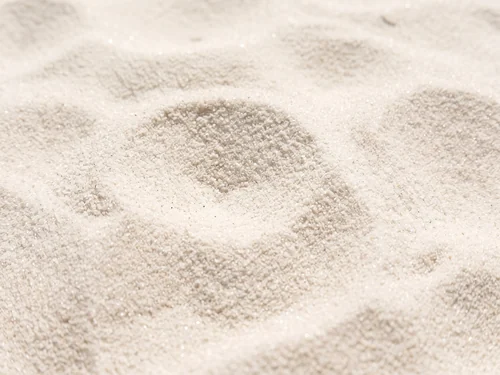 GUIDEHow Deep Should a Gravel Driveway Be? Layer GuidePractical, field-tested guide: how deep should gravel driveway be. Pulled from real US installer notes and 2026 supplier price data.Read guide →
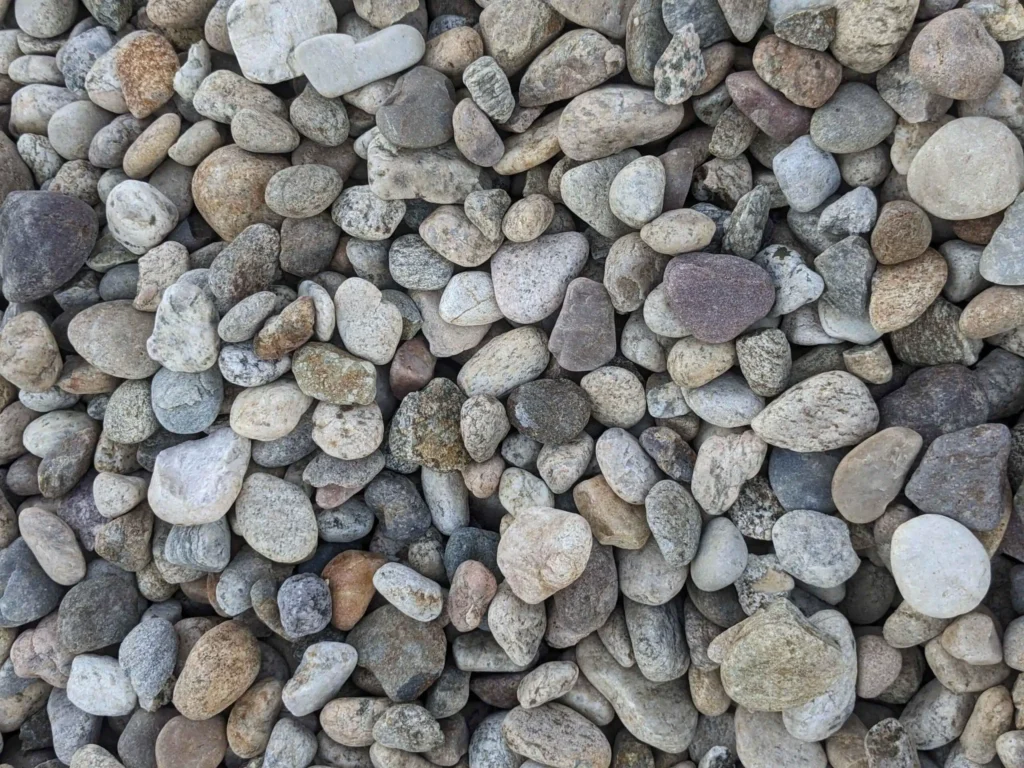 GUIDEHow Much Does River Rock Cost? By Ton or YardRiver rock cost depends on your ZIP code, order size, and whether you buy by the ton or the cubic yard. Here is how pricing works.Read guide →
Frequently Asked Questions
Is crushed stone or asphalt millings better for a Honolulu driveway?
Crushed stone excels at drainage and won't shift in heavy rain. Asphalt millings if you prefer a darker, more refined surface.
How many tons of gravel do I need for my driveway?
Calculate your driveway's length, width, and desired depth in inches. Take your driveway's length and width in feet, multiply by depth in inches, then divide by 324 to get cubic yards. A cubic yard of crushed stone weighs roughly 1.3 tons. A typical 20-by-30-foot driveway at 5 inches deep requires roughly 120 tons of material before compaction.
What is the delivery cost from MyGravelBuddy?
Your truck charge depends on how many tons you order for Honolulu delivery. Small orders under 8 tons have a delivery charge plus per-ton pricing. Orders of 8 to 15 tons include lower per-ton rates and smaller delivery fees. At 15 tons and above, delivery is free and you get the bulk per-ton rate.
How thick should my driveway base be?
Honolulu's volcanic soils benefit from a 4 to 6 inch compacted base of sand or native soil before you add gravel. Compact the base thoroughly so the gravel layer sits on a firm, stable foundation. This prevents settling and reduces the need to add more material after the first rainy season.
Can I install driveway gravel myself?
Yes, most homeowners can tackle this project with a wheelbarrow and hand tamper. Spread the gravel evenly across your prepared base, then compact by working the tamper in overlapping rows. For larger driveways, renting a powered compactor saves time and produces better results.
How long does driveway gravel last?
Properly installed and maintained crushed stone or asphalt millings can last 3 to 5 years in Honolulu before needing a refresh. Tropical rains and traffic wear the surface, so adding a top dressing of fresh material every 2 to 3 years keeps it looking neat and level.
What base should I prepare for my driveway?
Start by removing vegetation and leveling the ground. Add 4 to 6 inches of compacted sand or native soil. Make sure water drains away from your foundation and any structures. Compact the base firmly so it doesn't settle when you add gravel and drive on it.
Does crushed stone compact down over time?
Yes, crushed stone settles gradually under traffic and rain. Compact it well during installation, then monitor for low spots after heavy use or rain. Add fresh material to sunken areas to maintain a level surface and prevent water from pooling.