

Driveway Gravel for Goodyear Homes
Material picks, pricing, and pro tips for driveway gravel projects in Goodyear, AZ.
In Goodyear, a properly built gravel driveway withstands extreme desert climate while remaining economical to install and maintain. Goodyear's rapid growth means new homes and residential driveways continue expanding throughout the Phoenix-Mesa-Chandler area. Summer temperatures regularly exceed 110 degrees, making material selection critical. A well-designed gravel driveway requires less upkeep than asphalt in these conditions and costs significantly less to install.
Driveway gravel Goodyear AZ with quality materials
Driveway gravel options for Goodyear include #57 Crushed Stone and Asphalt Millings, both reliable workhorses for local driveways. Crushed stone delivers rock-solid performance and lasts for years under Arizona conditions. Its angular edges lock together under compaction. Millings bind during hot weather and create a more finished surface resembling true asphalt. Both materials handle Goodyear's environment effectively.
A two-layer approach works best. Place larger foundation stone first, then cap it with smaller, finished-looking material. This strategy provides stability, durability, and aesthetic appeal. Goodyear homeowners appreciate how either option maintains integrity under the region's intense summer heat and rare but heavy monsoon rains.
Choosing the material and size
works well as a top layer providing a clean, finished appearance. Larger 2.5 to 3 inch stone goes underneath for drainage and base support, allowing water to percolate while remaining locked in place. Asphalt millings compact tightly and darken over time, mimicking asphalt without the upfront cost. They actually improve with traffic as they bind more tightly.
Consider your timeline and budget. Crushed stone offers immediate visual appeal and consistent quality. Millings require patience as they gradually harden but eventually develop superior binding. Either choice suits Goodyear's climate and performs reliably for many years.
Depth, base and how much to order
Most Goodyear driveways benefit from 3 to 4 inches of total depth. Multiply length in feet by width in feet by depth in inches, then divide by 324 to get tonnage. A 25-foot driveway that is 12 feet wide and 3.5 inches deep needs roughly 3.5 tons of material. The calculator handles this calculation instantly. Round up slightly for settling and variations in your subgrade.
Proper preparation matters. A 4 to 6 inch base layer of larger stone creates excellent drainage and prevents gravel from mixing with soil below. This foundation step determines how long your driveway lasts and how stable it remains under heavy traffic.
Local conditions that affect the build
Goodyear summers reach over 110 degrees, potentially softening lower-grade materials. A quality crushed stone or recycled millings base resists rutting and deformation that develops under traffic. The area's monsoon season brings sudden heavy rain, making a properly crowned driveway essential for drainage. Water must shed to the edges rather than pool in low spots.
The Goodyear location in the Phoenix basin means sun exposure intensifies heat at ground level. Material color affects temperature slightly; lighter stone stays somewhat cooler than darker millings. Both handle the heat well when properly installed and maintained.
Delivery and getting started
Delivery to Goodyear in most cases arrives next day or same day for bulk orders. Orders reaching 15 tons or more in Goodyear qualify for no-cost delivery. Once your material lands, compact it in layers using a plate compactor for best results and longest life. Spread evenly, water lightly to help it set, and then compact again.
Establish drainage by sloping your finished surface toward the edges. Proper compaction prevents ruts and extends your driveway's useful life significantly. Rake smooth and maintain by adding refresher layers every two to three years. This approach keeps your Goodyear driveway stable and attractive for many years.
About Driveway Gravel projects
Goodyear driveway projects demand careful material selection to withstand extreme summer heat exceeding 110 degrees. Start by assessing your site and calculating proper depth and tonnage using local conditions. Choose between crushed stone and asphalt millings based on your budget and timeline. Installation requires solid compaction technique and good drainage design to prevent rutting under Goodyear's intense sun.
Recommended materials for
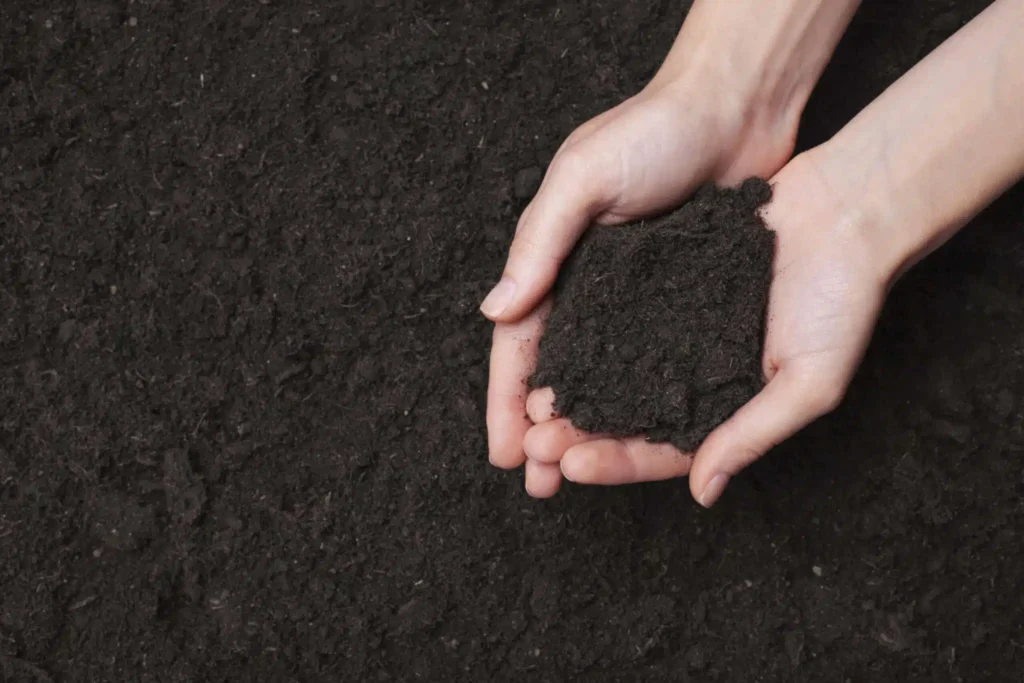 Price by ZIP
- SizeScreened, no size grade
- Density2200 lb/yd³
- ColorDark brown
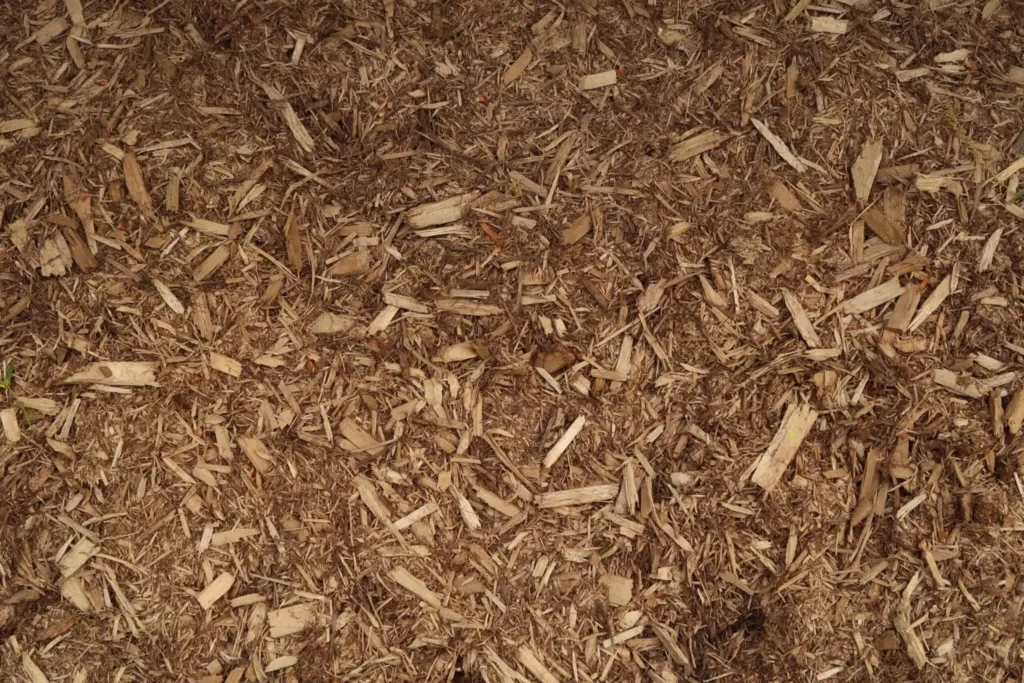 Price by ZIP
- Density800 lb/yd³
- ColorBrown, black, red
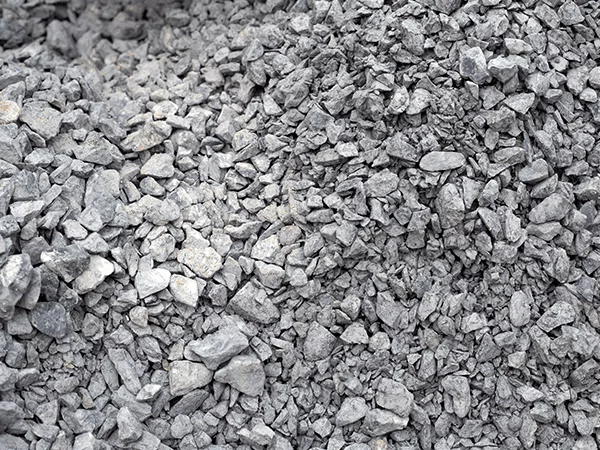 Price by ZIP
- SizeDense-graded, varies
- Density2500 lb/yd³
- ColorGray / white
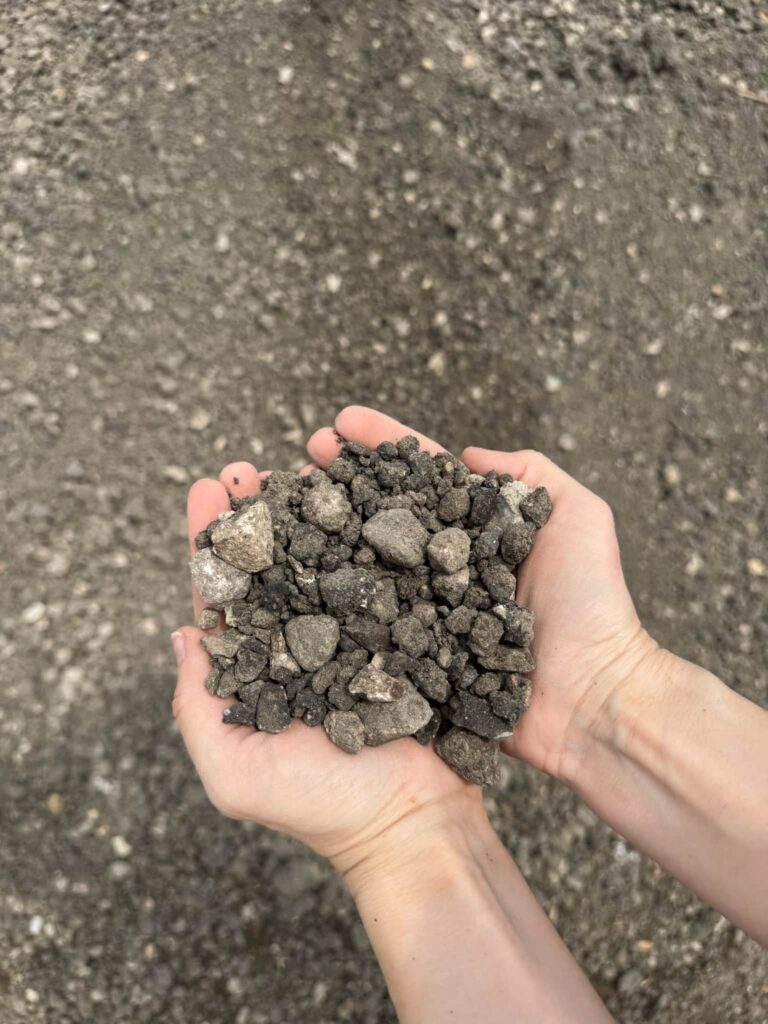 Price by ZIP
- SizeDense-graded, varies
- Density2400 lb/yd³
- ColorBlack
How a driveway gravel project goes
- Evaluate your Goodyear driveway siteTake measurements of length and width in feet. Examine the current surface for drainage patterns and identify any problem areas. Clear away vegetation, rocks, and debris thoroughly. A clean, compacted subgrade prepares your site for material placement and compaction.
- Calculate your material requirementEnter your dimensions into the calculator, accounting for 3 to 4 inches of depth. Factor in settling and compaction reduction. Round your tonnage estimate upward to ensure adequate material. Larger orders qualify for better per-ton pricing in Goodyear.
- Pick your material typeDecide between crushed stone and recycled asphalt millings for your Goodyear driveway. Crushed stone provides immediate durability and visual impact. Millings develop strength over time as they bind under heat and traffic. Both materials perform reliably.
- Layer, water, and compactBegin with a 4 to 6 inch foundation of larger stone, spreading it evenly. Add the finished top layer with smaller material. Use a plate compactor to densify each layer. Apply light watering between layers to aid settling and binding.
- Shape for drainage and finishSlope the driveway surface toward the edges so water flows away from the center. Rake the surface smooth and properly level. Periodic maintenance with refresher layers keeps your investment stable and prevents deterioration.
Estimate your material
Calculate Your Project
Estimate only. Add 10-15% for compaction and waste.
Driveway gravel in Goodyear's climate
Picking the right material for a driveway gravel project in Goodyear comes down to how the climate treats it. Arid, sun-intense, monsoon downpours. Aggregates need UV stability and quick drainage during seasonal storms. For driveway gravel work specifically, that means choosing material that handles local moisture and traffic loads without re-dressing every season.
The small market profile of Goodyear also shapes how a project runs. Most jobs are residential, with the occasional school or municipal project. Truck access is usually wide and turnarounds run fast.
Where we deliver driveway gravel material in Goodyear
Our delivery footprint around Goodyear covers the core city plus a typical 35-mile radius. Recent driveway gravel drops have included:
- older single-family blocks in and around Goodyear
- newer subdivisions on the outskirts in and around Goodyear
- commercial pad sites near the freeway in and around Goodyear
- horse properties on the rural edge in and around Goodyear
If your address is outside that radius, send your ZIP through the contact form and we will confirm coverage within an hour.
Pricing for driveway gravel in Goodyear
Here is what the recommended driveway gravel materials are running in Goodyear right now. Full-truck orders (16 tons or more) typically save 15 to 20 percent off these per-ton rates.
| Material | Price from |
|---|---|
| Topsoil Delivery in Goodyear, AZ | Quote on request |
| Mulch Delivery in Goodyear, AZ by the Cubic Yard | Quote on request |
| Crushed Concrete Delivery in Goodyear, AZ | Quote on request |
| Asphalt Millings Delivery in Goodyear, AZ | Quote on request |
Browse more
Recommended materials in Goodyear
Same project in nearby cities
Tools to plan your project
Related guides
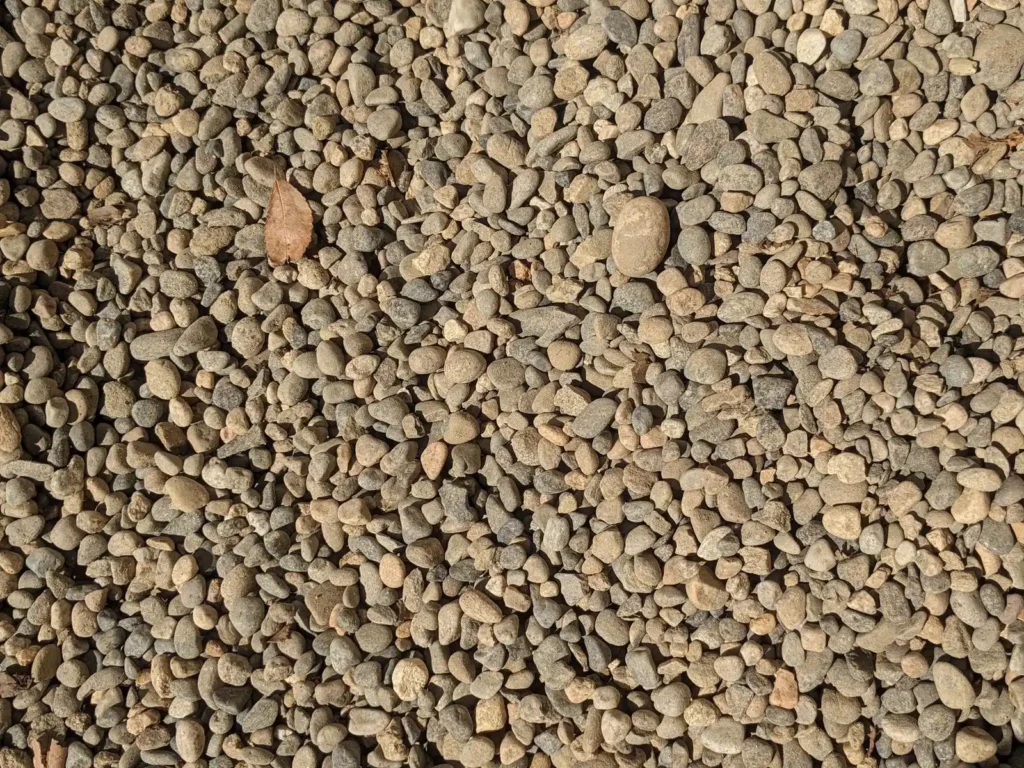 GUIDEHow Much Does Gravel Cost? A Practical Pricing GuideHow much does gravel cost and why does it vary? See the real factors behind ton pricing, delivery, and order size before you buy.Read guide →
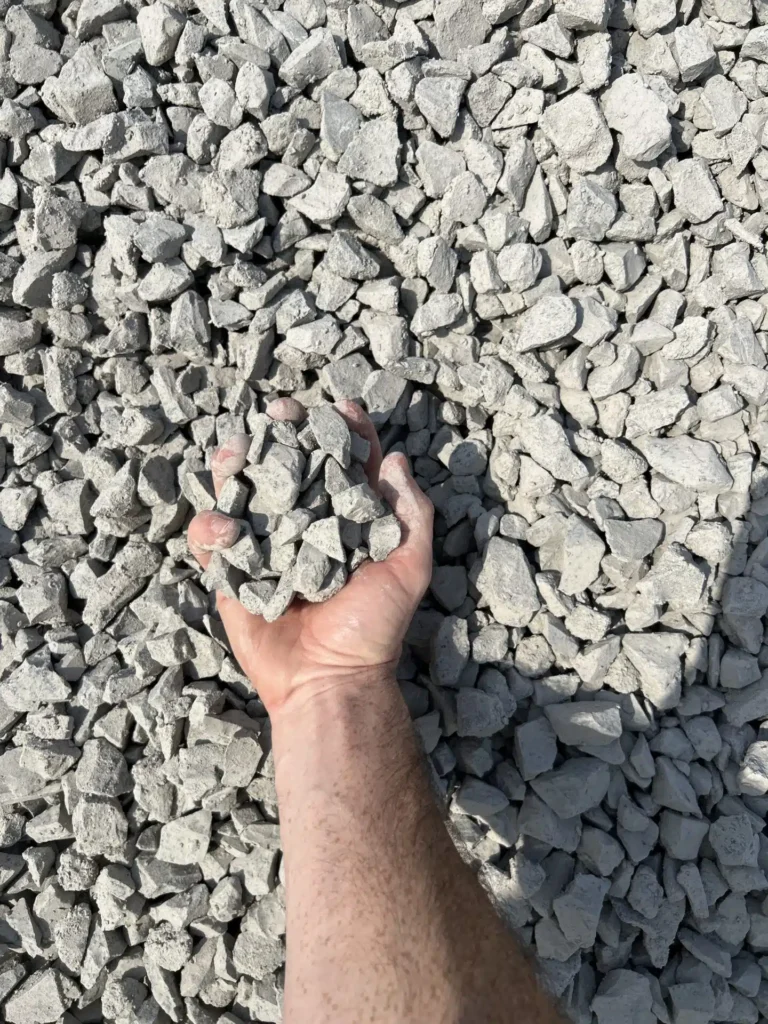 GUIDEGravel Size Chart: Pea Gravel to Crushed StoneA gravel size chart showing pea gravel, crushed stone and river rock diameters side by side, so you can match the right size to your project.Read guide →
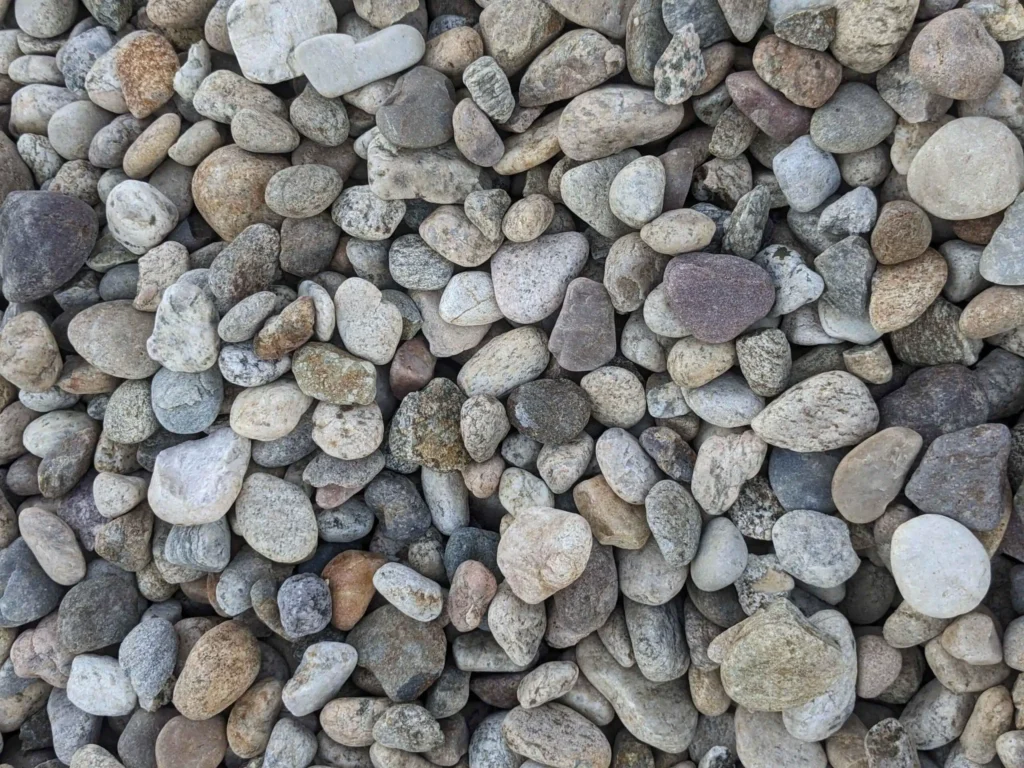 GUIDEThe Different Types of Gravel and How to ChooseA plain-language guide to the main types of gravel, covering pea gravel, crushed stone, river rock and decomposed granite.Read guide →
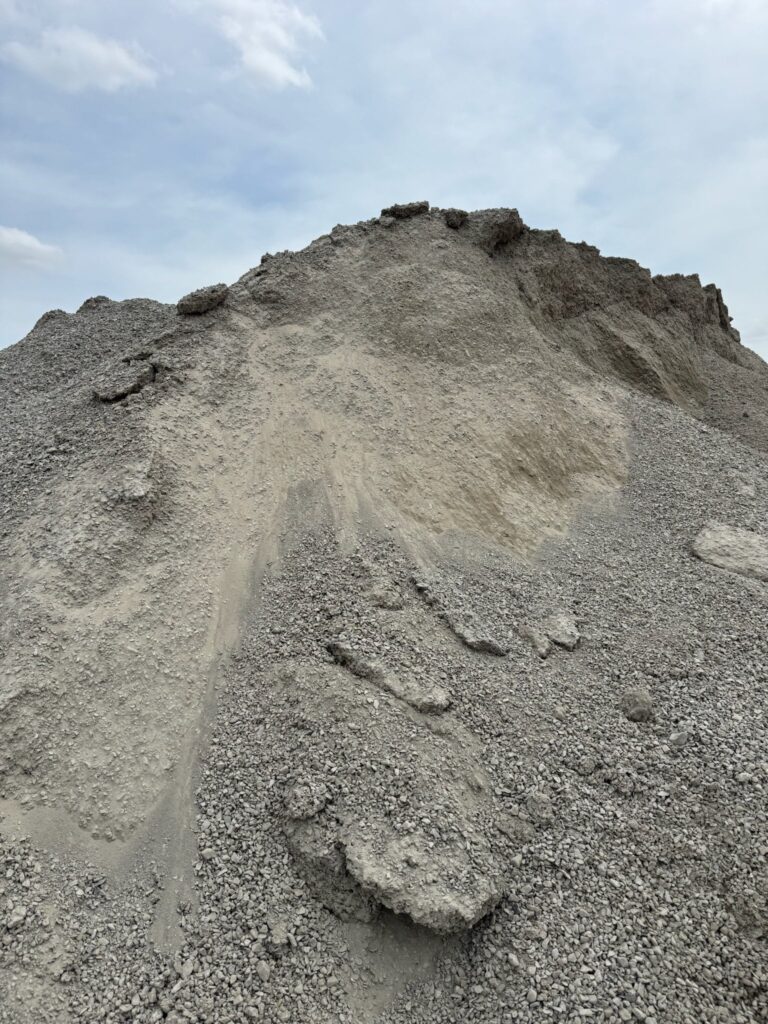 GUIDEWhat Are Screenings? A Guide to Crushed Stone FinesScreenings are fine crushed stone used for paver bases, joint fill and walkways. See what screenings are, common types, and mistakes to avoid.Read guide →
Frequently Asked Questions
What depth of gravel is right for Goodyear driveways?
Three to four inches of settled gravel is the standard for the Goodyear area. The depth resists rutting under extreme summer heat and handles monsoon rains without washout. Compact in layers to reach proper density. Traffic and settling compress material over time.
How do crushed stone and asphalt millings differ?
Crushed stone is angular, quarried rock offering uniform size and excellent drainage. Asphalt millings are recycled pavement that compress into a hard, dark surface resembling asphalt. Both suit Goodyear's climate; choose based on appearance and maintenance preferences.
What's included in my delivery cost?
Shipment charges apply to Goodyear driveway orders below the 15-ton threshold. Small orders of 3 to 7 tons carry a flat delivery charge. Orders of 8 to 14 tons see lower per-ton pricing plus a reduced fee. At 15 tons or higher, delivery is included free.
Should I prepare the ground before delivery?
Absolutely. Clear away vegetation, rocks, and old pavement debris. Compact the subgrade and remove any high spots. A 4 to 6 inch layer of larger stone creates a stable, draining base that prevents gravel from mixing into soil.
How often do Goodyear driveways need refreshing?
Plan to add a refresher layer every two to three years, especially during dry season when materials settle and compress. Rake ruts and washouts flat twice yearly. This regular care keeps your driveway looking finished and prevents potholes.
Can gravel withstand Goodyear's summer heat?
High-quality crushed stone and recycled asphalt millings both handle extreme heat without softening or deforming. Proper compaction and a solid base layer are key to resisting ruts. Lighter-colored stone tends to stay slightly cooler than darker millings.
What size gravel works best on top?
One-and-a-half to two inch crushed stone creates a stable, finished top layer. These sizes compact tightly and feel secure underfoot. Avoid fine dust on the surface; it blows away in wind and washes out in rare heavy rains.
How do I calculate how many tons I need?
Multiply your driveway length in feet by width in feet by depth in inches, then divide the result by 324. This gives you tonnage accounting for compaction. The online calculator does this instantly; round up slightly for settling.