
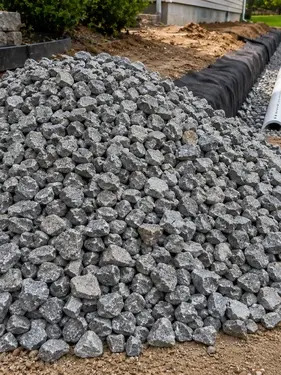
Drainage Gravel for Coastal Ventura, California Yards
Material picks, pricing, and pro tips for drainage gravel projects in Ventura, CA.
Drainage gravel Ventura CA for coastal yards
Ventura sits on the Ventura coast where ocean air brings persistent moisture and salt spray, even on dry days. Summer brings irrigation for gardens and turf; winter and spring rains concentrate more water at the base of slopes and around foundations. Ventura soils tend toward sandy loam, which drains faster than inland clay, but standing water still damages landscaping, patios, and building foundations if drainage is neglected.
Coastal homeowners use drainage gravel to move water off patios and away from pool decks, vegetable gardens, and foundation corners. The material works just as well in Ventura's sandy soil as crushed stone or gravel works inland, but the coastal environment demands good fabric protection to keep salt and organic debris from clogging the stone layer.
Choosing between crushed stone and river rock materials
#57 Crushed Stone is the fastest-draining choice and stands up to foot traffic without settling. River Rock for speed and stability under hardscape, then river rock in visible planting beds for aesthetic contrast.
Size affects both drainage rate and appearance. Larger stone (around 1 inch) drains fast and looks bold in modern landscape designs. Smaller crushed stone (half inch) drains more slowly but stays put and blends into softer, more traditional plantings. For coastal yards exposed to wind, the smaller, heavier stone stays in place better than larger pieces.
Depth and trench width are equally important. A narrow, deep trench moves water faster than a wide, shallow one. Use the calculator to compare options for your specific yard layout and dimensions.
Sizing, base prep, and quantity needed
Most Ventura residential drainage trenches run 12 to 18 inches deep. In Ventura's faster-draining sandy soils, moderate depth is usually sufficient. A 12-inch trench in sand may handle the same water load as an 18-inch trench in clay. Still, deeper is safer when trenches run near structures or in spots where standing water causes foundation concern.
Before laying stone, dig out the trench clean: remove roots, rocks, and compacted soil. A clean base helps water penetrate downward into the surrounding soil instead of pooling on a hard bottom. Line the entire trench with landscape fabric to keep sand and organic matter from washing into the gravel. This step is critical in Ventura where coastal dust and debris settle constantly.
Visit the calculator and enter your trench length, width, and depth to determine tons needed. Ventura projects typically use between 3 and 8 tons for residential work. The calculator accounts for actual material weight and compaction, giving you an accurate delivery quantity.
Coastal soil and seasonal water patterns
Ventura soils vary from sandy loam near the coast to silty clay inland. Sandy soils offer the advantage of fast water percolation but the challenge of wind-blown settling; you may need to refresh the gravel every few years. Silt-based soils hold their shape better and require less maintenance but drain slightly slower than pure sand.
Winter and spring bring concentrated rains; summer months are dry despite coastal moisture in the air. This pattern means drainage systems see cyclical load: heavy during rainy season, minimal during summer. Design trenches for the wet-season peak, and they will perform effortlessly the rest of the year. Nearby Oxnard, Simi Valley, and Thousand Oaks face nearly identical seasonal patterns.
Delivery and getting started in Ventura
Material delivered in Ventura typically arrives within 1 to 2 business days for 2-ton minimum orders. Orders of 8 tons or more receive next-day service with reduced per-ton pricing. For 15-ton orders and larger, Ventura receives free delivery. Most residential projects fit in the 3 to 8-ton range and qualify for fast turnaround.
Spring is the ideal time to install drainage before the rainy season; summer and early fall allow you to observe how water behaves in your yard without rushing the job. Plan excavation and fabric installation a day or two before delivery, then schedule the material to arrive when you are ready to spread and compact it.
Contact delivery in Ventura to confirm your address and provide your preferred delivery date. The truck will drop material in one accessible location; you spread it as needed into your trenches. For questions about tonnage or material selection, use the calculator or call before ordering.
About Drainage Gravel projects
Water is routed away from buildings and subsurface areas by drainage gravel. When installed under Ventura-area driveways, patios, and landscaping, drainage gravel lets water percolate instead of sitting or damaging soil.rable areas.
Recommended materials for drainage gravel
 Price by ZIP
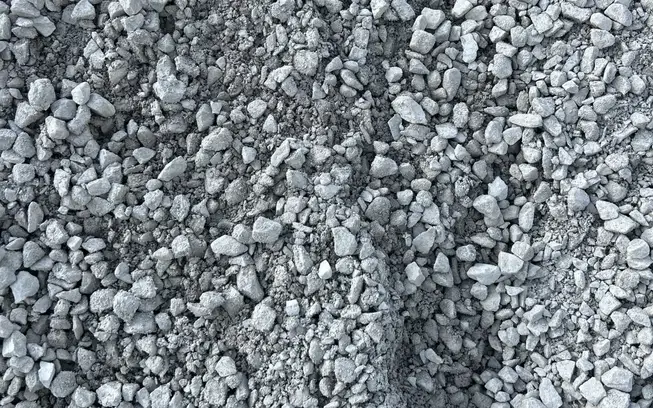
- SizeDense-graded, varies
- Density2850 lb/yd³
- ColorGray
 Price by ZIP
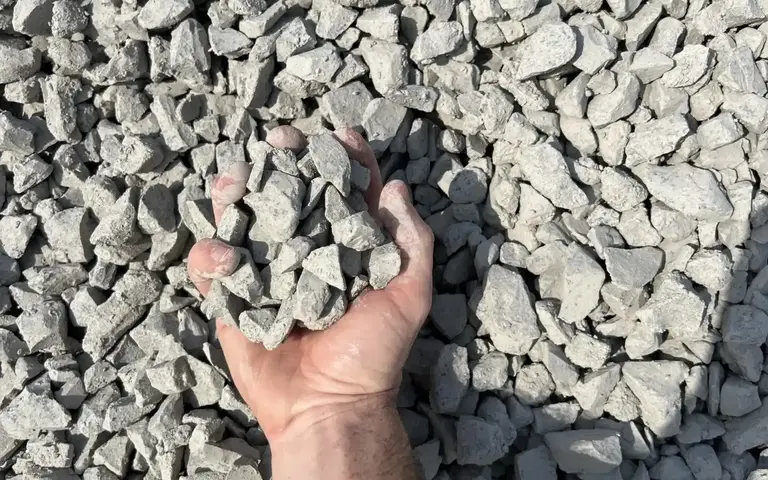
- Size3/4 - 1″
- Density2700 lb/yd³
- ColorGray
 Price by ZIP
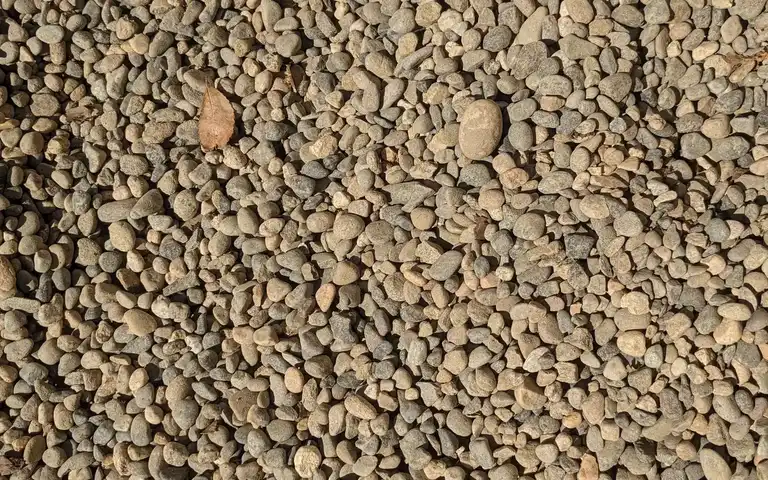
- Size1/4 - 3/8″
- Density2800 lb/yd³
- ColorTan / mixed
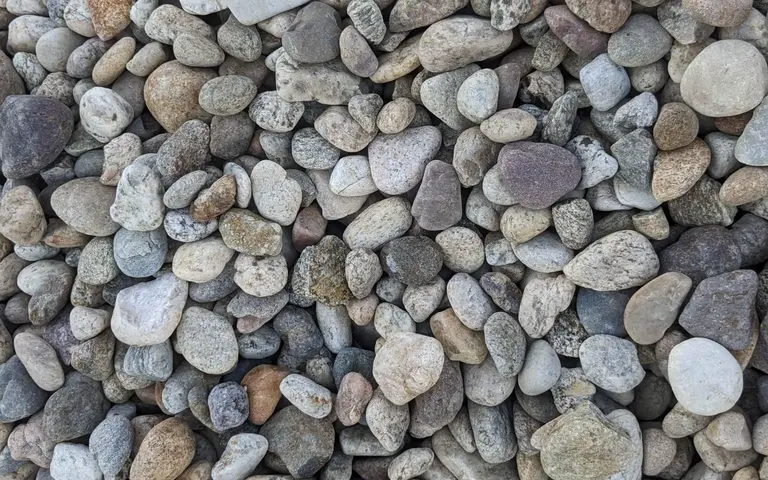 Price by ZIP
- Size1 - 3″
- Density2700 lb/yd³
- ColorMixed natural
How a drainage gravel project goes
- Identify water problem zonesWalk your yard on a foggy morning or after light rain to spot soft, damp, or muddy areas. Mark spots where water clings to concrete edges, foundation corners, or landscape beds. Coastal Ventura air holds moisture; even without heavy rain, poor drainage traps water.
- Plan trench routing and depthDrainage trenches in Ventura typically run 12 to 18 inches deep. Route them away from the house foundation and toward natural low points or storm drains. In sandy or silty Ventura soils, water moves faster than in clay, so moderate depth is often sufficient.
- Select crushed stone or river rockCrushed stone provides fast, reliable drainage in Ventura soils and stays visible and neat. River rock blends with landscape plants and drains equally well. Ton-based pricing applies to both stone types. For visible beds, river rock looks refined; under hardscape, crushed stone is practical.
- Prepare and line the trenchExcavate, remove roots and debris, then line the trench with landscape fabric. Coastal conditions favor fabric even more than inland areas because salt spray and organic matter in the air can accelerate clogging without a barrier protecting the gravel.
- Fill, compact lightly, and monitorSpread gravel evenly and tamp lightly. After heavy rains or irrigation, inspect for standing water nearby. Ventura summers are dry, but spring irrigation can load drainage systems; a well-built trench adjusts smoothly to seasonal cycles.
Estimate your material
Calculate Your Project
Estimate only. Add 10-15% for compaction and waste.
Drainage gravel in Ventura's climate
Picking the right material for a drainage gravel project in Ventura comes down to how the climate treats it. Long dry spells with brief heavy rain. Erosion control on slopes is more critical than freeze resistance. For drainage gravel work specifically, that means choosing material that handles local moisture and traffic loads without re-dressing every season.
The small market profile of Ventura also shapes how a project runs. Most jobs are residential, with the occasional school or municipal project. Truck access is usually wide and turnarounds run fast.
Where we deliver drainage gravel material in Ventura
Our delivery footprint around Ventura covers the core city plus a typical 35-mile radius. Recent drainage gravel drops have included:
- older single-family blocks in and around Ventura
- newer subdivisions on the outskirts in and around Ventura
- commercial pad sites near the freeway in and around Ventura
- horse properties on the rural edge in and around Ventura
If your address is outside that radius, send your ZIP through the contact form and we will confirm coverage within an hour.
Pricing for drainage gravel in Ventura
Here is what the recommended drainage gravel materials are running in Ventura right now. Full-truck orders (16 tons or more) typically save 15 to 20 percent off these per-ton rates.
| Material | Price from |
|---|---|
| Road Base Delivery Ventura CA | Quote on request |
| #57 Crushed Stone Delivery in Ventura, CA | Quote on request |
| Pea Gravel Delivery in Ventura, CA | Quote on request |
| River Rock Delivery in Ventura, CA | Quote on request |
Browse more
Recommended materials in Ventura
Same project in nearby cities
Tools to plan your project
Related guides
GUIDEGravel Size Chart: Pea Gravel to Crushed StoneA gravel size chart showing pea gravel, crushed stone and river rock diameters side by side, so you can match the right size to your project.Read guide →GUIDEThe Different Types of Gravel and How to ChooseA plain-language guide to the main types of gravel, covering pea gravel, crushed stone, river rock and decomposed granite.Read guide → GUIDEWhat Are Screenings? A Guide to Crushed Stone FinesScreenings are fine crushed stone used for paver bases, joint fill and walkways. See what screenings are, common types, and mistakes to avoid.Read guide →GUIDEWhat to Put Under River Rock for Landscaping BedsHere is what to put under river rock landscaping: a compacted base where needed, then landscape fabric, then rock, to stop weeds and settling.Read guide →
Frequently Asked Questions
Does coastal salt air damage drainage gravel?
Salt does not damage stone, but it accelerates clogging by promoting algae growth and attracting dust. Landscape fabric becomes critical in coastal Ventura yards. Without fabric, salt-laden air and organic debris from nearby trees can plug gravel in a year or two. With fabric, the system remains clear for years.
How deep should a drainage trench be in Ventura's sandy soils?
Twelve to 18 inches is typical. Ventura soils drain faster than inland clay, so you do not need the 24-inch trenches that clay areas require. A 12-inch trench in sand moves water nearly as fast as an 18-inch trench. Check your yard during rainy season to see where water pools, then dig deeper in low spots.
Should I use crushed stone or river rock on my Ventura patio?
Crushed stone is faster-draining, stays put under foot traffic, and looks modern. River rock is smoother, needs more frequent raking for a neat appearance, but offers a more natural, coastal feel. Both work equally well in Ventura soils. Choose based on your landscape style and how much maintenance you'll do.
How often does coastal drainage gravel need replacing?
With landscape fabric and proper installation, a Ventura drainage system lasts 5 to 8 years or longer. Coastal debris and salt spray can gradually clog gravel without fabric; with fabric protection, the system remains functional for years. Fabric is the most cost-effective step you can take.
Do I need different sizing for areas exposed to ocean wind?
Yes, use smaller stone (around half inch) in very windy areas near the coast. Larger stone can shift with strong Santa Ana winds and concentrate in low spots. Smaller, heavier crushed stone stays more stable and maintains even coverage over time.
What are typical order sizes for coastal Ventura drainage projects?
Most residential projects in Ventura use 3 to 5 tons. Orders of 8 tons or more receive faster, more economical delivery. Orders of 15 tons or more qualify for complimentary delivery to Ventura addresses. The calculator helps you estimate your exact needs based on your site dimensions.
When is the best time to install drainage in Ventura?
Spring, before the rainy season, is ideal. This allows you to observe how water behaves during heavy rains and fix issues immediately if needed. Summer installation works well too, allowing you to verify the system functions properly in dry months before fall and winter rains put it to the test.
Can I combine river rock and crushed stone in one trench?
Yes, this is common in Ventura yards. Use crushed stone for speed and stability under hardscape, then river rock in visible planting beds for aesthetics. Mixing works fine as long as you use similar sizes. Large and small particles together separate over time, reducing efficiency.