

Gravel, Soil and Mulch Delivery in Portland, ME
MyGravelBuddy Portland delivers crushed stone, gravel, topsoil, sand, and mulch throughout Portland, ME and surrounding areas. Typical delivery Mon-Sat.
Gravel delivery in Portland, ME comes down to three materials: pea gravel, premium screened topsoil and mulch. Portland is a city of roughly 70,000 people on Casco Bay, and most jobs here are driveways, garden beds, drainage runs and backyard projects, which is what this page is organized around.
Gravel delivery in Portland, ME: what you can order
Three materials are available for Portland addresses right now. Each one has its own page with photos, specs and the live price lookup. This page is the starting point, and it stays the same whichever one you choose.
Pea Gravel
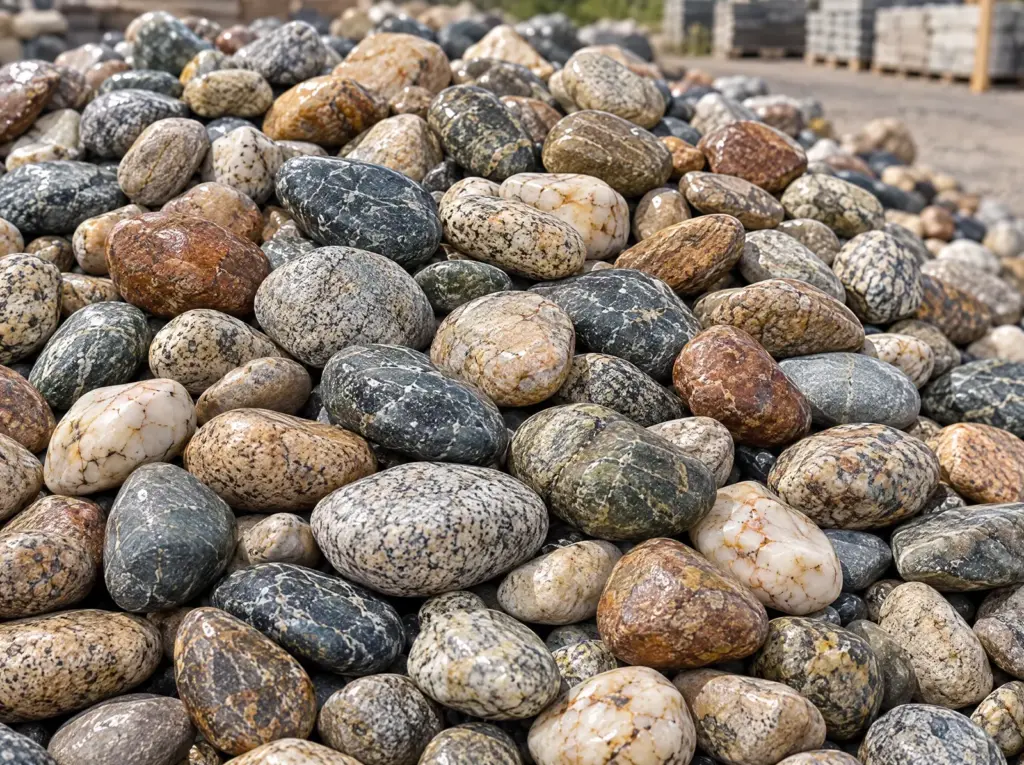
Smooth, rounded stone that drains well and feels comfortable underfoot. It is sold by the ton, so a load is weighed rather than measured by volume. Around Portland, pea gravel suits walkways, patios, play areas and drainage trenches. See Pea Gravel in Portland for sizes and ordering.
Premium Screened Topsoil
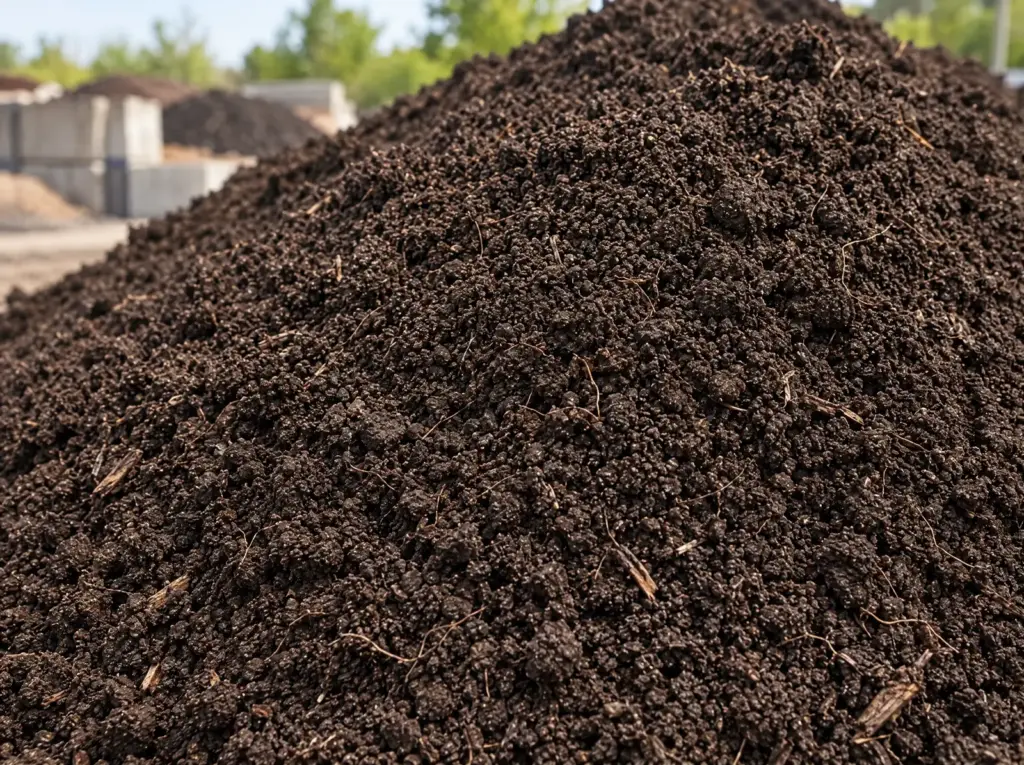
Dark, screened soil for lawns, raised beds and low spots that need filling before seed. Portland topsoil is also sold by the ton. Open Premium Screened Topsoil in Portland to check it against your project.
Mulch
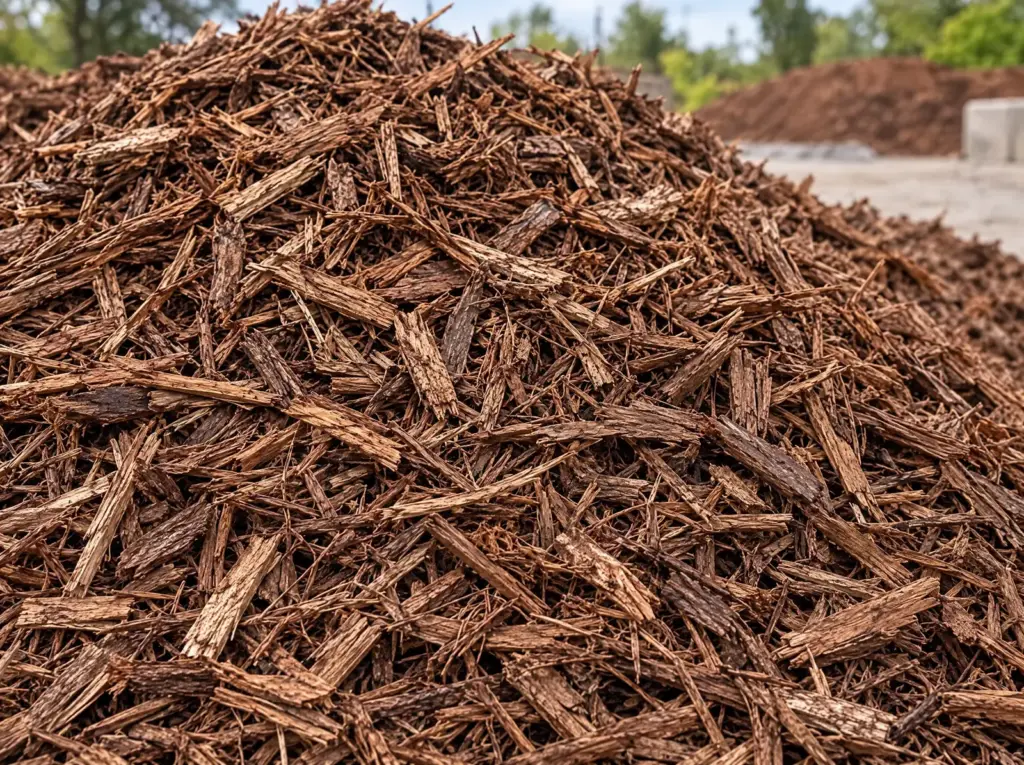
Mulch is the one material on this list sold by the cubic yard instead of the ton. Spread it over beds, around trees and along fence lines to hold moisture and slow weeds. Details are on the Mulch in Portland page.
Minimum order and how pricing works
The smallest order is 2 tons for the ton materials and 2 cubic yards for mulch. Every price on the site is a delivered price, meaning the haul to your door is already folded in. Because the number depends on where the truck is going, it only appears once you enter your ZIP. Bigger orders get a lower rate per unit, so a single combined load usually beats several small ones.
Planning a Portland delivery
A loaded dump truck needs room to back in and a firm place to tip. In older Portland neighborhoods, narrow streets, overhead wires and tight driveways are common, so look at the approach before you order. If the truck cannot get close, pick a spot at the curb or the nearest clear apron and plan to move the pile by wheelbarrow.
Coastal weather shapes the calendar. Spring thaw leaves soft ground, and a heavy truck can rut a wet lawn. Late spring through early fall is the easier window for topsoil and mulch work, while gravel paths and drive repairs can go in any dry stretch. Cover a topsoil pile with a tarp if rain is coming so it does not wash into the street.
Much of the peninsula and the neighborhoods around it sit on slopes that run toward the water, so think about where runoff goes before you spread anything. Pea gravel at the base of a downspout or along a foundation gives the water somewhere to go instead of pooling at the wall.
Where this fits in Maine
Portland is one stop in a statewide network. If you are comparing towns or have a second property elsewhere, the delivery across Maine page lists the other places we serve and what each one can order.
Unsure how much to order for a Portland project? Each material page has a calculator that turns your measurements into units, so you can work out the order there and bring a number back to the ZIP lookup.
How much do you need?
Work out your material
A planning figure, not a guarantee. Order roughly a tenth extra to cover settling and uneven ground.
Materials available in Portland
 Price by ZIP
- Size1/4 - 3/8″
- Density2800 lb/yd³
- ColorTan / mixed
 Price by ZIP
- SizeScreened, no size grade
- Density2200 lb/yd³
- ColorDark brown
 Price by ZIP
- Density800 lb/yd³
- ColorBrown, black, red
Common gravel projects in Portland
Nearby cities we serve
Local supplier
Where we deliver in Portland
Our service radius from Portland, ME covers the metro area and nearby outlying neighborhoods. Outside the marked area, send your ZIP and we will quote the haul.
Helpful calculators
Related guides
 GUIDEThe Different Types of Gravel and How to ChooseA plain-language guide to the main types of gravel, covering pea gravel, crushed stone, river rock and decomposed granite.Read guide →
 GUIDEWhat Are Screenings? A Guide to Crushed Stone FinesScreenings are fine crushed stone used for paver bases, joint fill and walkways. See what screenings are, common types, and mistakes to avoid.Read guide →GUIDEWhat to Put Under River Rock for Landscaping BedsHere is what to put under river rock landscaping: a compacted base where needed, then landscape fabric, then rock, to stop weeds and settling.Read guide →GUIDEHow to Clean River Rock and Restore Its ColorLearn how to clean river rock landscaping with rinsing, soap and vinegar methods, plus common mistakes to avoid for a brighter, longer lasting rock bed.Read guide →
Frequently Asked Questions
How deep should a pea gravel walkway be?
Two to three inches of pea gravel over a firm, level base is a common depth for walkways and patios. Thinner layers let the stones scatter and show the soil underneath, while a much deeper layer feels loose and tiring to walk on.
Is screened topsoil different from ordinary fill dirt?
Screening sifts out larger stones, roots and debris, so the soil is finer and easier to rake smooth. That makes it a better fit for lawns and planting beds, while rough fill is meant for building up low ground that will be covered later.
Is pea gravel a good choice for a driveway?
It works for light-duty areas, but the round stones shift under steady tire traffic and can migrate toward the edges. For a full driveway, many homeowners use it in the walkway or border and choose an angular stone for the wheel path.
How much topsoil do I need for a new lawn?
Most seed and sod jobs want a few inches of soil over the existing ground. Loosen hard, compacted ground first so roots can reach down, then rake the new soil level before seeding. Skipping that step is a common reason new lawns look patchy.
What should go under a gravel path to stop weeds?
Pull existing weeds and level the ground first, then lay landscape fabric before the stone goes down. The fabric slows weeds from pushing up through the gravel. Expect an occasional seedling to root in the stone itself and pull it by hand.
How thick should I spread mulch around plants?
Two to three inches is enough to hold moisture and slow weeds. Keep mulch a few inches back from tree trunks and plant stems, because a pile against the bark stays damp and can invite rot or pests.
Can I leave bare topsoil over winter?
Bare soil washes and crusts over, so it is better to seed it, or cover it with a layer of mulch until you are ready to plant. A thin cover crop of grass seed also holds the surface together through a cold, wet winter and gives you a head start in spring.
Will the pile damage my driveway?
A full load is heavy, so thin or cracked asphalt can mark. Placing plywood or a tarp under the tip area spreads the weight and makes sweeping up the leftover bits much easier afterward.