

Compost Delivery in Vancouver, WA
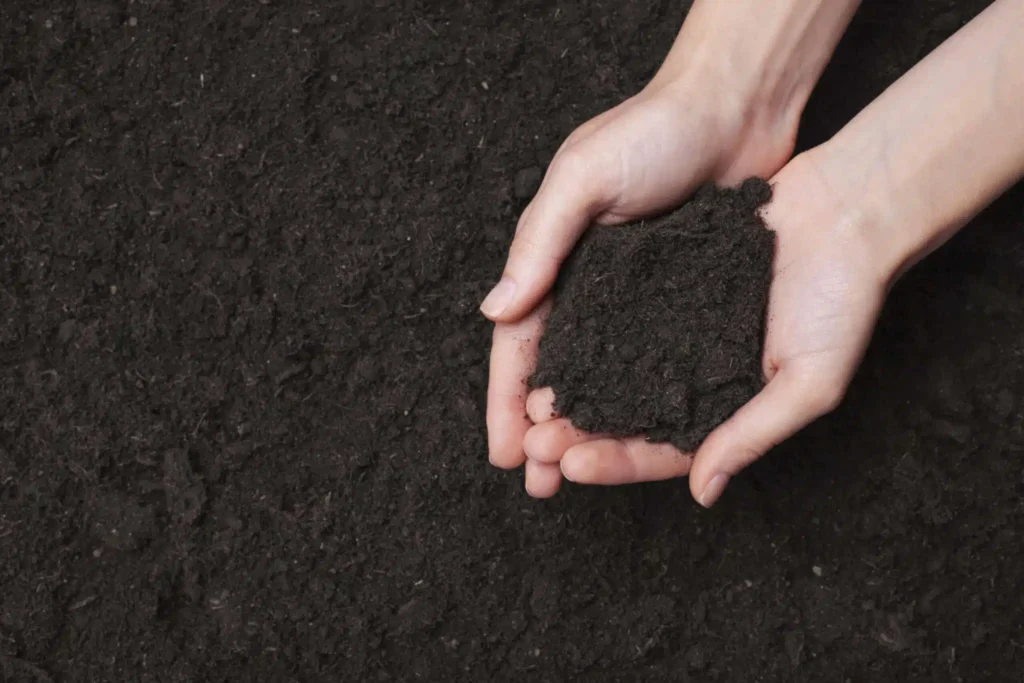
Bulk compost delivered in Vancouver, WA. Dark brown color.
Compost Delivery in Vancouver and the Portland Metro Area
Vancouver sits just across the Columbia River from Portland, Oregon, creating a shared metropolitan region where suburban growth and established neighborhoods coexist. The Pacific Northwest's moderate, wet climate supports year-round gardening and landscape projects. Local soils are rich volcanic loam mixed with clay and drainage challenges common to the region. Compost delivery to Vancouver serves homeowners, landscapers, and contractors throughout Clark County and into Multnomah County. Ordering compost delivery to your ZIP code supports the gardens, landscape restoration, and planting projects that thrive in this climate.
Best Uses for Compost in This Area
Vancouver's neighborhoods benefit from compost in multiple ways. Fall and winter rains create drainage challenges that compost addresses by improving soil aggregation. Spring gardens need organic amendment for healthy seedling establishment. Homeowners use compost to build raised beds, amend foundation plantings, and support the perennial gardens that flourish in the mild Pacific Northwest climate. Contractors apply compost to landscape restoration, new subdivision development, and grounds improvement projects throughout the Portland-Vancouver corridor.
Compost sells by the cubic yard throughout the region. A suburban landscape bed 25 feet by 12 feet, 2.5 inches deep, requires approximately 2.3 cubic yards. Vegetable gardens benefit from deeper application: a 4-by-8-foot raised bed at 12 inches deep needs about 1.2 cubic yards. Lawn top-dressing over 2,500 square feet at 1 inch depth requires roughly 7 to 8 cubic yards. Large residential property amendments for new construction often use 15 to 25 cubic yards.
Delivery and Lead Times
Vancouver's location between Portland and the broader Clark County suburbs means efficient delivery across the region. Orders of 3 cubic yards typically ship within 1 to 2 business days. Orders of 8 cubic yards often ship same-day or next-day depending on demand. Large orders of 15 cubic yards or more qualify for free delivery throughout Vancouver and surrounding areas. Weekend scheduling is available for contractors working on accelerated timelines.
Provide your ZIP code when ordering, and our system confirms delivery to your location and calculates your final price. Most residential projects lock in delivery within the same week. We serve neighborhoods throughout Vancouver, Camas, Washougal, and into the Portland metropolitan area regularly. Rush delivery can sometimes be arranged for time-sensitive projects with 24-hour notice.
How Much Compost You Need
Calculate your compost quantity using the standard formula: length in feet x width in feet x depth in inches, divided by 324, equals cubic yards. Open the calculator for fast estimates. A 40-by-50-foot residential lot amended to 2 inches deep needs about 12 cubic yards. For multiple raised bed gardens, calculate each separately: a 4-by-8-foot frame at 12 inches equals 1.2 cubic yards; three frames total 3.6 cubic yards.
Vancouver's loamy soils typically benefit from 1.5 to 2 inches for lawn amendment and 2 to 3 inches for vegetable and perennial gardens. The region's winter rainfall means good drainage is essential; compost improves both water-holding capacity and drainage simultaneously. Over-compacted sites from construction need 3 to 4 inches worked into the top 6 inches of soil for optimal improvement.
Pricing Notes
Compost pricing in Vancouver is calculated based on your specific ZIP code to reflect delivery distance and logistics. Small orders of 3 cubic yards come with competitive delivery fees. Orders of 8 cubic yards reduce the per-yard cost and offer faster scheduling options. Orders of 15 cubic yards or more receive free delivery across Vancouver and the Portland-metro service area. Enter your ZIP code and quantity, and our system instantly generates your total delivered price.
Ordering Your Compost
Place your order by entering your ZIP code and desired quantity. Our delivery in Vancouver network confirms availability and provides scheduling windows from your first inquiry. Most clients book delivery within the same week. For large landscaping projects, contractor bulk orders, or property-specific questions, contact us with your address and project timeline. We handle same-week and weekend delivery for urgent landscaping work.
Compost in Washington
Washington's Willamette Valley and neighboring regions benefit from established compost in Washington sources. Vancouver's location at the edge of the Pacific Northwest makes it a natural hub for soil amendment and landscape restoration. In this region's wet climate, compost supports healthy plant establishment and long-term soil biology.
About Compost
Compost is dark brown, fully decomposed organic material created from plant waste, food scraps, and yard debris. It's nutrient-rich and improves soil structure, water retention, and microbial activity. Unlike topsoil, which is mineral-based, compost is a living amendment that continues to break down and feed soil ecosystem for years.
At about 1,000 pounds per cubic yard, compost spreads to cover roughly 324 square feet when applied 1 inch deep. In Vancouver's volcanic loam and clay soils, compost is essential for improving drainage and supporting root systems. It works equally well in raised beds, landscape amendments, or mixed into existing soil.
Compost breaks down slowly over 1 to 2 years, releasing nutrients and building stable humus. Planting can begin immediately after application. Blend it into the top 4 to 6 inches of existing earth, or make it the sole growing medium for raised beds. In the Pacific Northwest climate, fall and spring are peak application seasons, though compost improves soil any time of year. Store deliveries on a tarp or compacted surface to prevent settling into adjacent soil during the wet season.
What Compost costs in Vancouver
Around Vancouver, compost is quoted by the ton with delivery layered in based on distance from the closest yard. Send your ZIP and load size and we will send back a same-hour quote with the truck rate and the per-ton figure spelled out. Plan on roughly 216 sq ft of coverage per ton at 3 inches deep, which puts a single-car driveway in the 3 to 5 ton bracket.
How crews use Compost in Vancouver
Vancouver contractors keep compost on the order sheet for a short list of standard installs. Top of the list is planting bed gravel, where the material is rolled out on rural drives and acreage projects and screeded to grade. Local Vancouver orders cluster around the partial-truck range, with full loads booked for paving prep and base courses.
Delivery day in Vancouver
Delivery in Vancouver runs out of the nearest pit; you get a two hour arrival window the evening prior and a call when the driver leaves the scale. Plan for 12 ft of clear path for a tandem and 14 ft for a tri-axle, plus a level area at the dump point so the bed lifts straight. Standard lead time on this lane is 24-48h, with same-day windows held open for orders that hit the desk before 11 AM and clear payment.
Related materials we deliver in Vancouver
Estimate how much you need
Calculate Your Project
Estimate only. Add 10-15% for compaction and waste.
Browse more
Available in nearby cities
Plan your project
Related guides
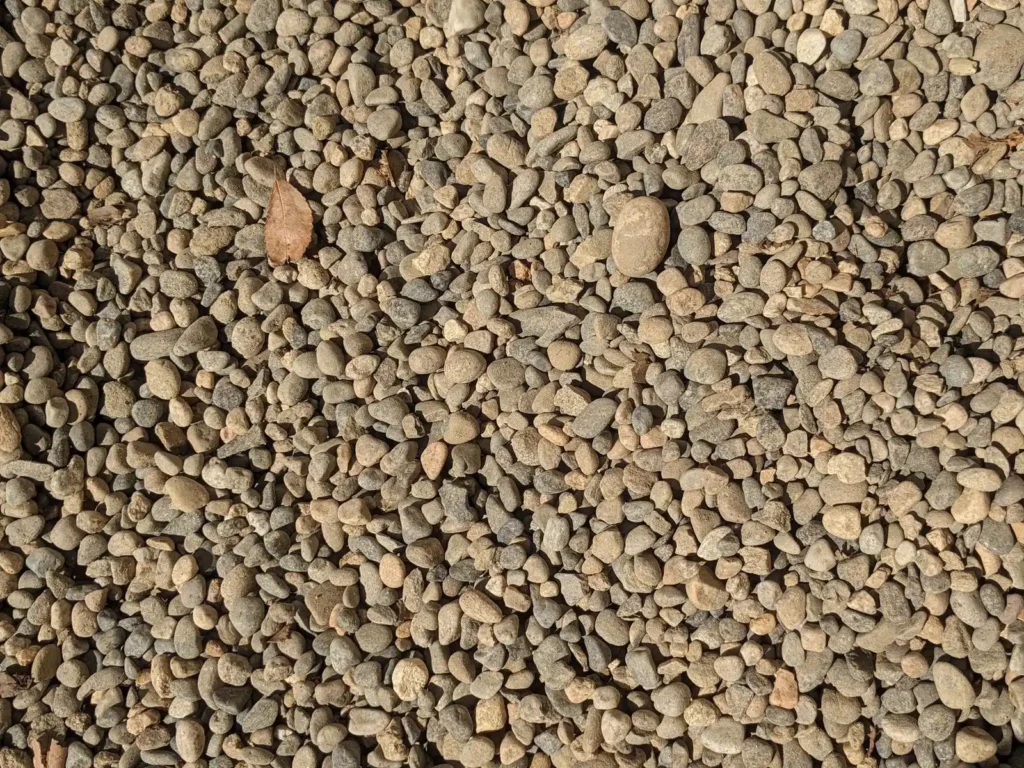 GUIDEHow Much Does Gravel Cost? A Practical Pricing GuideHow much does gravel cost and why does it vary? See the real factors behind ton pricing, delivery, and order size before you buy.Read guide →
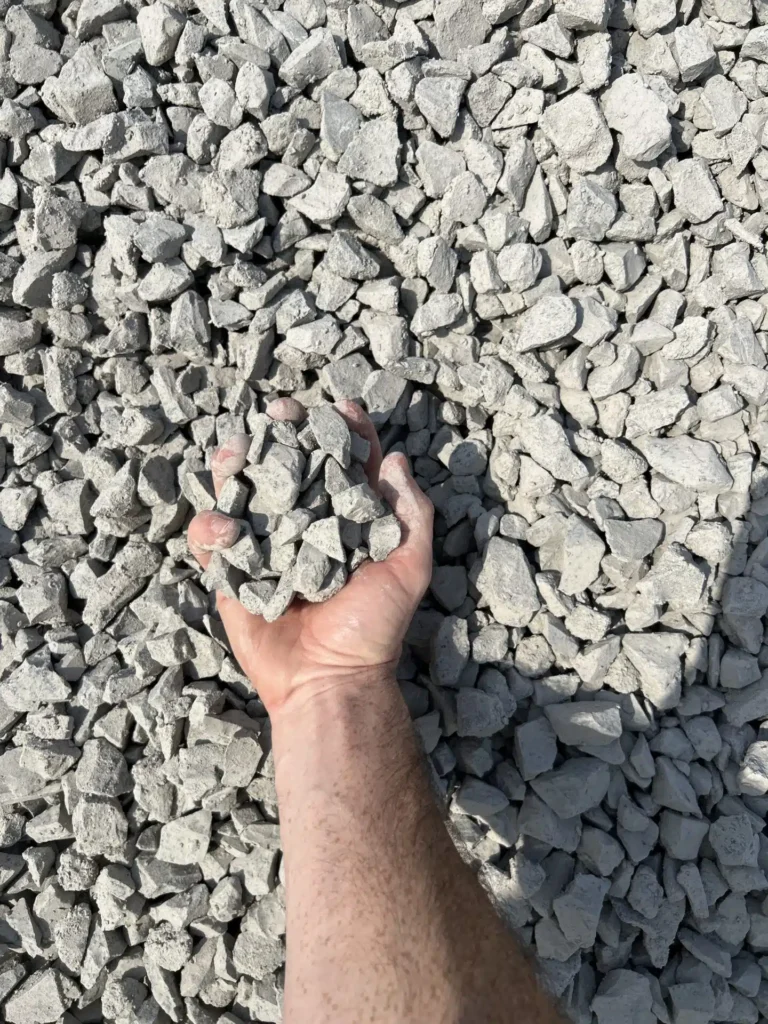 GUIDEGravel Size Chart: Pea Gravel to Crushed StoneA gravel size chart showing pea gravel, crushed stone and river rock diameters side by side, so you can match the right size to your project.Read guide →
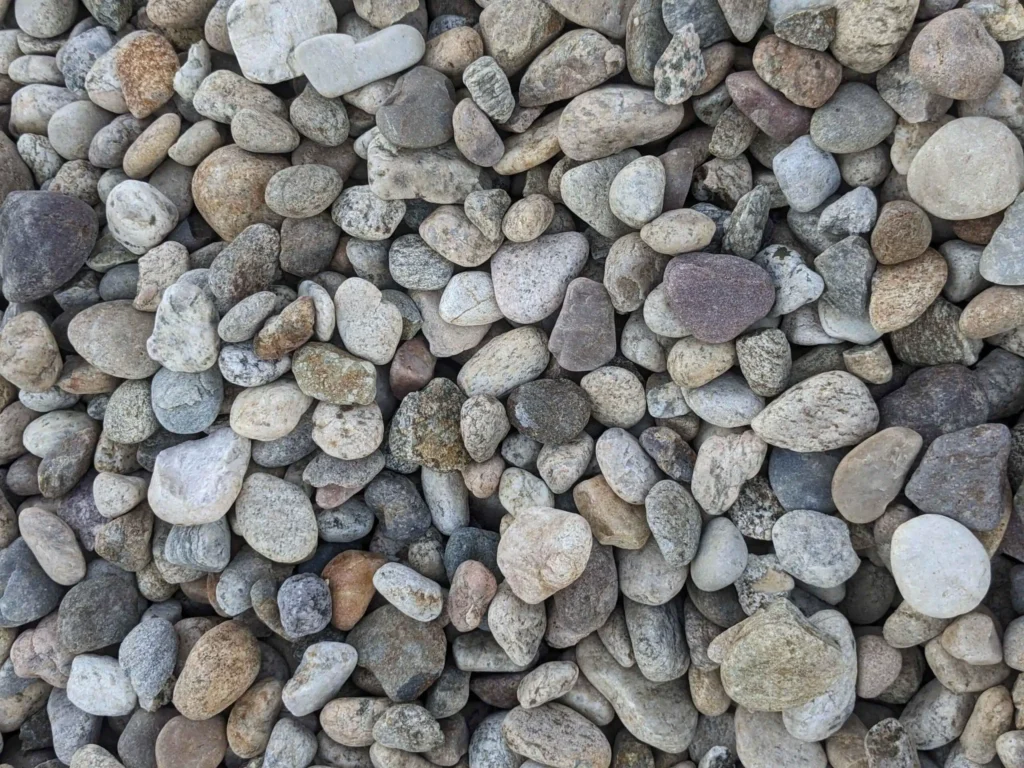 GUIDEThe Different Types of Gravel and How to ChooseA plain-language guide to the main types of gravel, covering pea gravel, crushed stone, river rock and decomposed granite.Read guide →
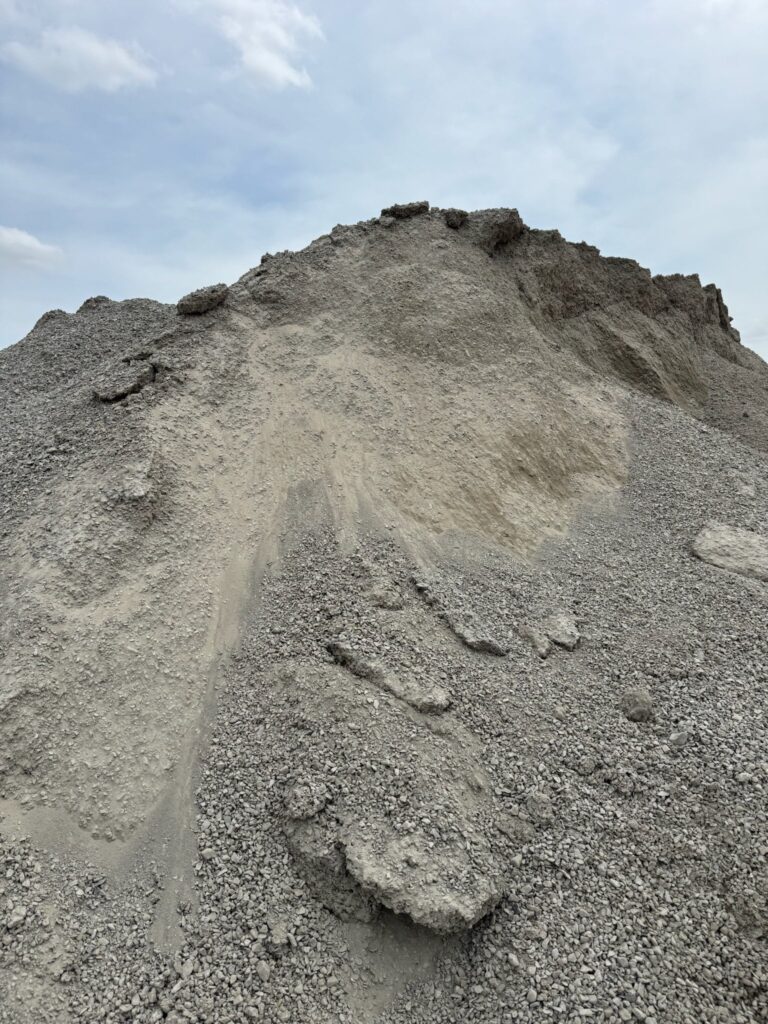 GUIDEWhat Are Screenings? A Guide to Crushed Stone FinesScreenings are fine crushed stone used for paver bases, joint fill and walkways. See what screenings are, common types, and mistakes to avoid.Read guide →
Frequently Asked Questions
Why does Vancouver's wet climate need compost?
The region's winter rainfall creates drainage challenges. Compost improves soil aggregation and permeability, allowing water to move through soil instead of pooling. It also feeds beneficial microbes that stabilize soil structure. Gardens and landscapes amended with compost drain better and establish stronger root systems.
Can I apply compost in fall and plant in spring?
Yes, fall application works well in Vancouver. Apply compost in September or October, and it will integrate over winter. By spring, beds are ready for planting with improved structure and established microbe communities. This is a common approach for vegetable gardens and perennial plantings in the region.
How does compost help with clay soils?
Compost loosens clay, improves drainage, and increases microbial activity that breaks down clay aggregates. Mix compost into the top 8 inches of clay soil. Multiple applications over seasons create lasting improvement. Vancouver's volcanic clay responds especially well to sustained organic amendment.
Can I use compost for vegetable gardens?
Yes, it's ideal. Work compost into beds at 3 to 4 inches deep for vegetables. The nutrient content supports fruiting and leafy crops, and the water retention helps during dry spells. Vancouver's mild climate supports year-round gardening with proper compost amendment.
Should I use compost or mulch for landscaping?
Use both. Work compost into the soil beneath, then layer 2 to 3 inches of mulch on top. This creates landscape beds that improve soil, retain moisture, and suppress weeds simultaneously. Vancouver contractors often specify this approach on new residential and commercial projects.
How much compost for a raised bed garden?
Plan on 1.2 cubic yards for a standard 4-by-8-foot frame at 12 inches deep. Multiple frames add incrementally: two frames need 2.4 cubic yards, three need 3.6 cubic yards. Raised beds are popular in Vancouver and the Portland area for season extension and soil control.
What's the best time to order compost?
Spring and fall bring the strongest demand. Best availability windows are March through May and September through October. Then again, compost improves soil any time of year. Fall orders allow integration over winter; spring orders support immediate planting.
Can I mix compost with mulch at delivery?
No, but you can layer them. Request compost delivery, then arrange mulch separately. Blend them on site by working compost into soil first, then mulching on top. This gives you maximum control over amendment depth and mulch coverage for your landscaping beds.