Compost Delivery in Chesapeake, VA
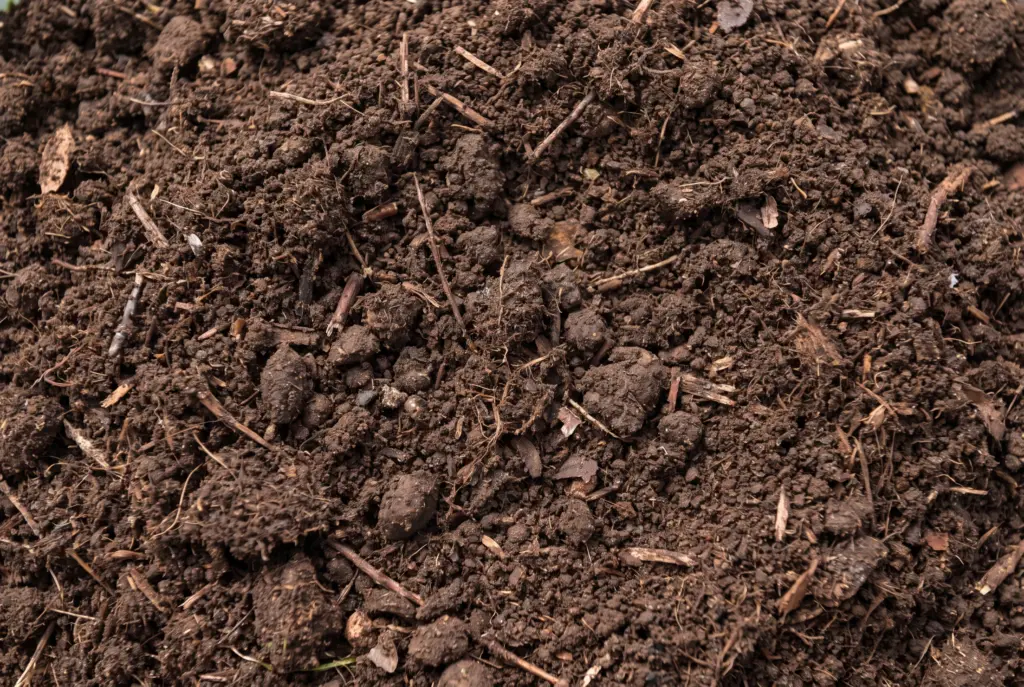
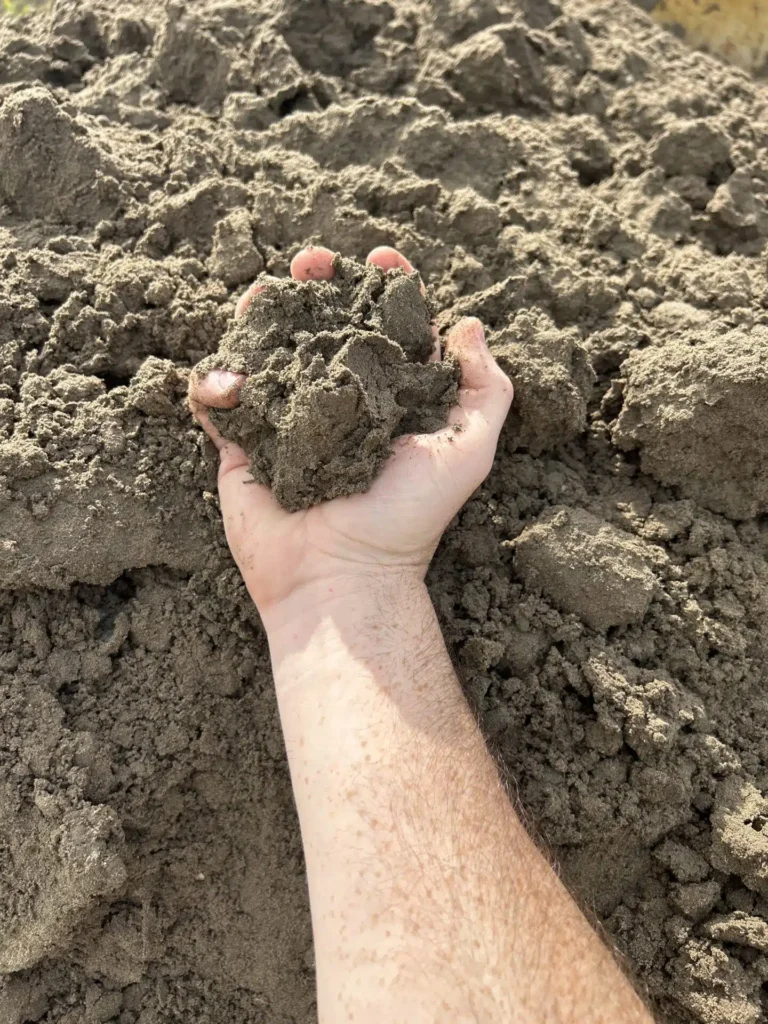
Bulk compost delivered in Chesapeake, VA. Dark brown color.
Compost Delivery in Chesapeake and Hampton Roads
Chesapeake is Virginia's largest city by area and sits at the heart of the Hampton Roads metropolitan region. The area includes Norfolk, Virginia Beach, Newport News, and Hampton, all within easy reach. The temperate mid-Atlantic climate and moderate rainfall support lush landscaping year-round. The region's sandy, iron-rich soils benefit significantly from compost amendment. Homeowners and contractors throughout Chesapeake order compost delivery to support gardens, new plantings, and landscape restoration projects in one of the East Coast's most established communities.
Best Uses for Compost in This Region
Chesapeake's diverse neighborhoods, from waterfront communities to inland suburbs, share common soil challenges. Sandy soils dominate, and they require compost to retain moisture and support plant growth. Homeowners use compost for vegetable gardens, perennial beds, and foundation plantings. Contractors apply compost to landscape restoration projects, new construction sites, and grounds management for commercial properties. The region's established trees and mature neighborhoods often need soil amendment to support additional plantings or renovation work.
This material is sold by the cubic yard throughout the region. A typical suburban garden bed 20 feet by 15 feet, 2 inches deep, needs about 1.8 cubic yards. Vegetable gardens benefit from deeper application: a 4-by-8-foot raised bed at 12 inches deep requires approximately 1.2 cubic yards. Larger residential lots amended for lawn improvement at 1.5 inches deep over 3,000 square feet need roughly 13 to 14 cubic yards. Commercial landscaping projects for retail centers or office parks typically use 25 to 40 cubic yards depending on scope.
Delivery and Lead Times
Chesapeake's suburban layout and proximity to Norfolk, Virginia Beach, and Hampton mean we can serve the entire region efficiently. Orders of 3 cubic yards typically arrive within 1 to 2 business days. Mid-range orders of 8 cubic yards often receive same-day or next-day scheduling. Large orders of 15 cubic yards or more qualify for free delivery throughout Chesapeake and the surrounding area. Weekend scheduling is available for contractors and commercial projects requiring specific timelines.
Provide your ZIP code when ordering, and our system confirms delivery within your neighborhood and calculates your final price. Most residential projects confirm delivery within the same week. We navigate waterfront neighborhoods, inland cul-de-sacs, and commercial corridors throughout the region regularly. For time-sensitive landscaping projects, we often can accelerate delivery with 24-hour notice.
How Much Compost You Need
The depth formula for compost is length in feet x width in feet x depth in inches, divided by 324, equals cubic yards. Run the calculator for instant estimates. A 50-by-60-foot residential lot amended to 1.5 inches deep requires approximately 14 cubic yards. For raised bed gardening, common in the region, calculate each frame separately: a 4-by-8-foot frame at 12 inches needs 1.2 cubic yards; two frames need 2.4 cubic yards.
Chesapeake's sandy soils typically need 1.5 to 2 inches for lawn amendment and 2 to 3 inches for garden beds to create lasting improvement. Waterfront properties with saltwater influence sometimes benefit from deeper compost application to buffer soil chemistry. Don't underestimate quantity on new construction sites where soil is compacted or stripped. When in doubt, order slightly more rather than less.
Pricing Notes
Compost delivery pricing in Chesapeake is calculated by your ZIP code to reflect exact delivery distance and logistics. Small orders of 3 cubic yards come with reasonable delivery fees included. Orders of 8 cubic yards reduce the per-yard cost and offer faster scheduling. Orders of 15 cubic yards or more receive free delivery throughout Chesapeake and the Hampton Roads area. Once you submit your address and desired quantity, our system generates your total delivered price immediately.
Ordering Your Compost
Order by entering your ZIP code and desired quantity. Our delivery in Chesapeake network confirms availability and provides scheduling options same day. Most clients reserve their delivery slot within the first week. For large residential projects, contractor bulk orders, or site-specific questions, contact us with your address and project timeline. We accommodate weekend delivery and rush scheduling for time-sensitive landscaping work.
Compost in Virginia
Virginia's diverse regions, from the coast through the piedmont to the mountains, all benefit from reliable compost in Virginia sources. Chesapeake and Hampton Roads are part of a larger network served by established soil improvement suppliers. In this region's temperate climate, compost works year-round to build healthy soils and support long-term landscape success and plant establishment.
About Compost
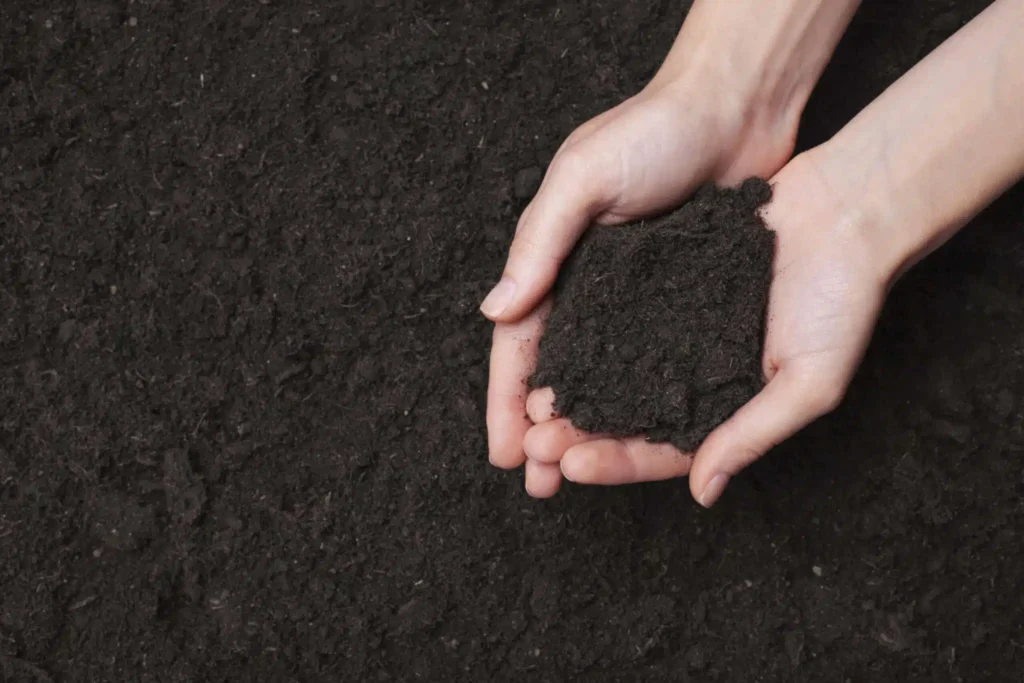
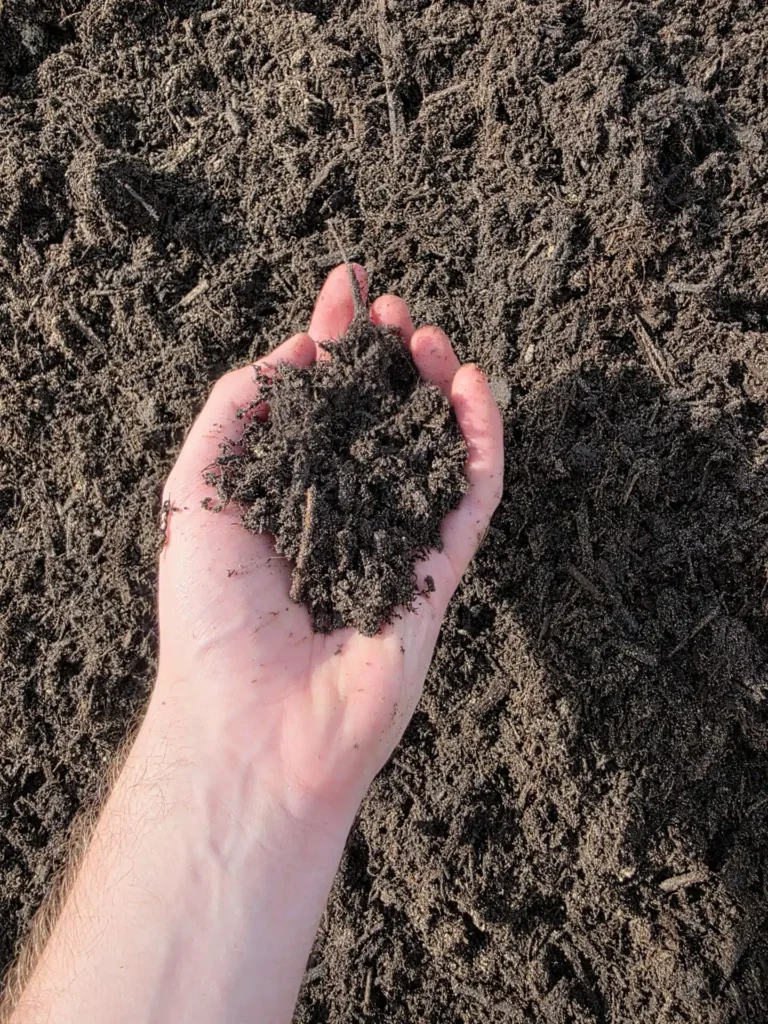
Compost is dark brown, fully decomposed organic material made from plant waste, food scraps, and yard debris. It's rich in beneficial microbes and improves soil structure, water retention, and nutrient availability. Unlike topsoil, which is primarily mineral-based, compost is a living amendment that continues to break down and feed soil ecosystem indefinitely.
Each cubic yard weighs roughly 1,000 pounds and provides coverage of about 324 square feet when applied at 1 inch deep. In Chesapeake's sandy soils, compost is essential for moisture retention and nutrient cycling. It improves drainage in compacted sites and loosens tight clay in isolated low-lying areas.
Compost breaks down over 1 to 2 years, releasing nutrients slowly and building stable humus. You can begin planting right away after application. Work it into the top 4 to 6 inches of existing soil, or use it as the primary growing medium in raised beds. In the mid-Atlantic climate, spring and fall are peak application seasons, but compost improves soil any time of year. Store deliveries on a tarp or compacted surface to prevent settling.
What Compost costs in Chesapeake
Around Chesapeake, compost is quoted by the ton with delivery layered in based on distance from the closest yard. Send your ZIP and load size and we will send back a same-hour quote with the truck rate and the per-ton figure spelled out. Plan on roughly 216 sq ft of coverage per ton at 3 inches deep, which puts a single-car driveway in the 3 to 5 ton bracket.
How crews use Compost in Chesapeake
Chesapeake contractors keep compost on the order sheet for a short list of standard installs. Top of the list is planting bed gravel, where the material is rolled out on rural drives and acreage projects and screeded to grade. Local Chesapeake orders cluster around the partial-truck range, with full loads booked for paving prep and base courses.
Delivery day in Chesapeake
Delivery in Chesapeake runs out of the nearest pit; you get a two hour arrival window the evening prior and a call when the driver leaves the scale. Plan for 12 ft of clear path for a tandem and 14 ft for a tri-axle, plus a level area at the dump point so the bed lifts straight. Standard lead time on this lane is 24-48h, with same-day windows held open for orders that hit the desk before 11 AM and clear payment.
Related materials we deliver in Chesapeake
Estimate how much you need
Calculate Your Project
Estimate only. Add 10-15% for compaction and waste.
Browse more
Available in nearby cities
Plan your project
Related guides
 GUIDEWhat Is #57 Stone? Uses, Size, and Cost ExplainedPractical, field-tested guide: what is 57 stone. Pulled from real US installer notes and 2026 supplier price data.Read guide →
 GUIDEHow Deep Should a Gravel Driveway Be? Layer GuidePractical, field-tested guide: how deep should gravel driveway be. Pulled from real US installer notes and 2026 supplier price data.Read guide →
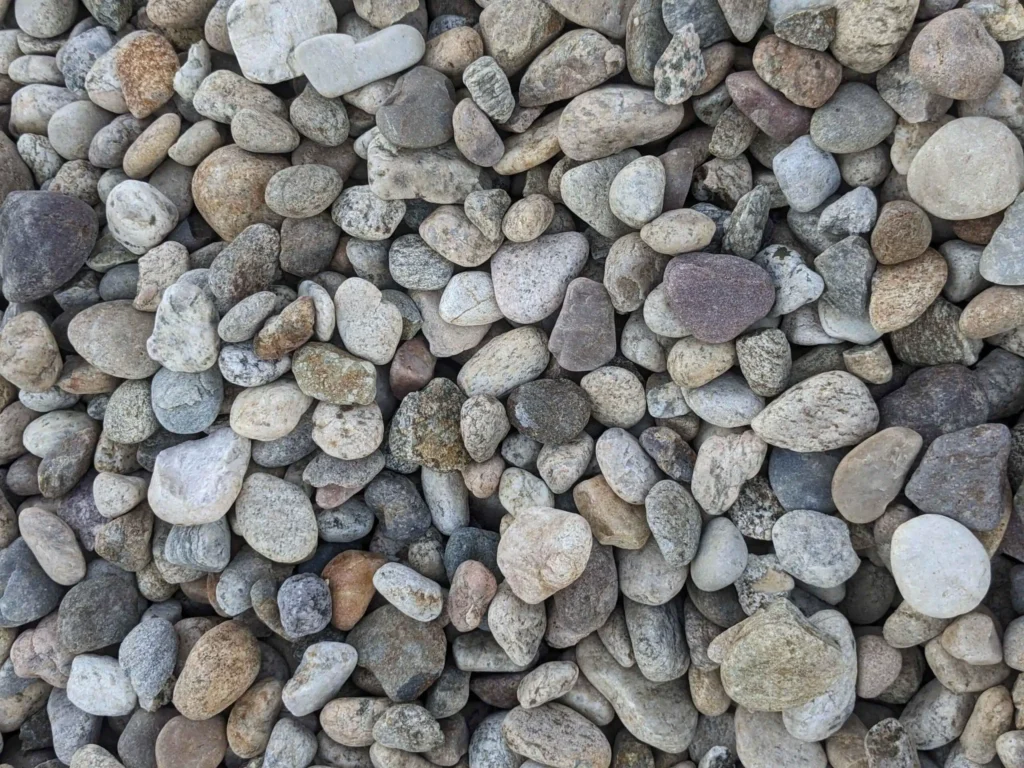 GUIDEHow Much Does River Rock Cost? By Ton or YardRiver rock cost depends on your ZIP code, order size, and whether you buy by the ton or the cubic yard. Here is how pricing works.Read guide →
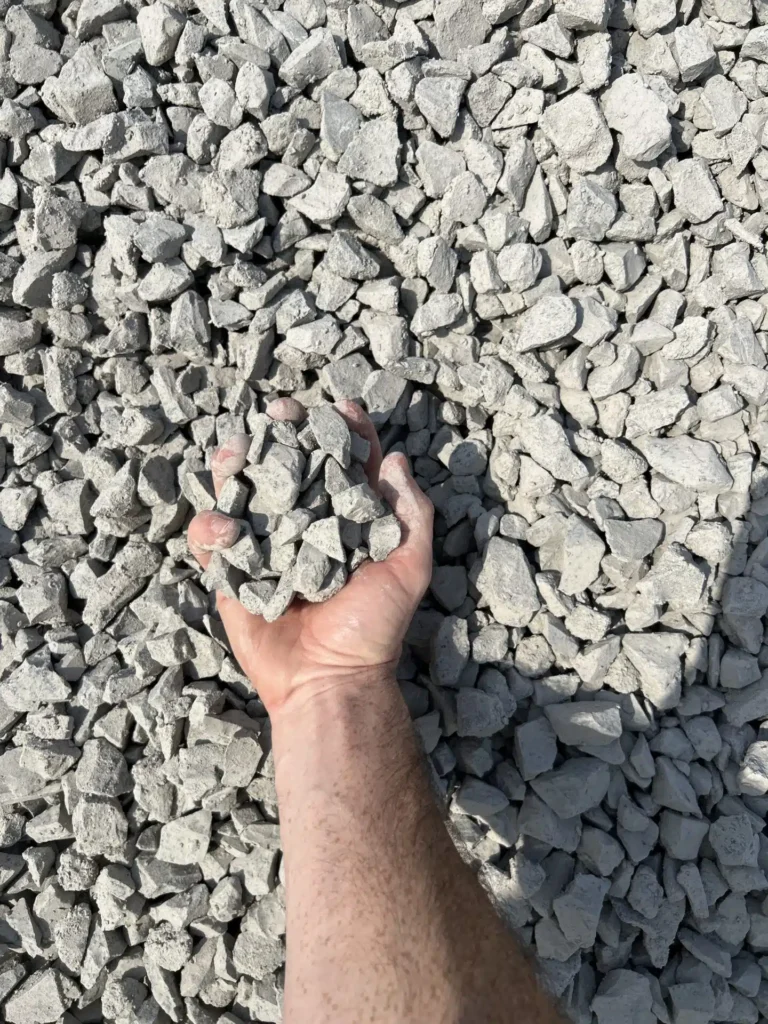 GUIDEWhat Size Crushed Stone Goes Under a Concrete SlabMost slabs need 4 to 6 inches of compacted crushed stone underneath. What size crushed stone under a concrete slab needs, and why it matters.Read guide →
Frequently Asked Questions
How does compost help with Chesapeake's sandy soils?
Sandy soils drain too quickly and don't hold nutrients. Compost acts as a sponge, retaining moisture and feeding microbes that stabilize soil structure. Mixed into sandy garden beds and lawns, compost creates a balanced growing medium. One application improves water retention significantly; multiple applications over seasons create lasting soil quality improvements.
Can I use compost in the fall for spring planting?
Yes. Fall is an ideal time to amend beds for spring planting. Work compost into the soil in October or November, and it will integrate over winter. By spring, the beds are ready to plant, with improved structure and established microbe communities. This approach is common in Chesapeake and Hampton Roads landscaping.
Is compost safe for waterfront properties?
Yes. Compost supports vegetation in waterfront settings and helps stabilize soil near water's edge. It feeds beneficial microbes and improves root zones for salt-tolerant plantings. For properties with saltwater influence, compost acts as a buffer, gradually improving soil chemistry over time.
How much compost do I need for a vegetable garden?
For a raised bed garden, plan on 1.2 cubic yards per 4-by-8-foot frame at 12 inches deep. For in-ground gardens, work 3 to 4 inches into existing soil. Chesapeake's climate supports year-round gardening with proper amendment. Spring gardens benefit from fall compost application; fall gardens benefit from spring amendment.
Can I blend compost with mulch for landscaping beds?
Yes, this is a common practice in the region. Work compost into the soil beneath, then top with 2 to 3 inches of mulch. This creates beds that retain moisture, suppress weeds, and improve soil simultaneously. The combination is especially effective in Chesapeake's suburban landscapes.
How does compost support new construction landscaping?
New construction sites have compacted or stripped soil. Compost loosens compaction, supports tree and shrub establishment, and jump-starts soil biology. Apply 2 to 3 inches and work it into the top 6 inches of earth before planting. Contractors throughout the Hampton Roads region use compost on every new residential and commercial project.
What's the best time to order in Chesapeake?
Spring and fall bring peak demand. Top availability windows are March through May and September through October. Of course, compost improves soil any time of year. Winter orders let you prepare beds for spring; summer orders support fall planting projects.
Will compost work in compacted or clay-heavy sites?
Yes, compost loosens both compacted soils and isolated clay pockets. It improves drainage and supports root penetration. On heavily compacted sites, incorporate compost at 3 to 4 inches and repeat annually until soil texture improves. Heavy clay sites benefit from multiple seasons of amendment.