Compost Delivery in Savannah Georgia
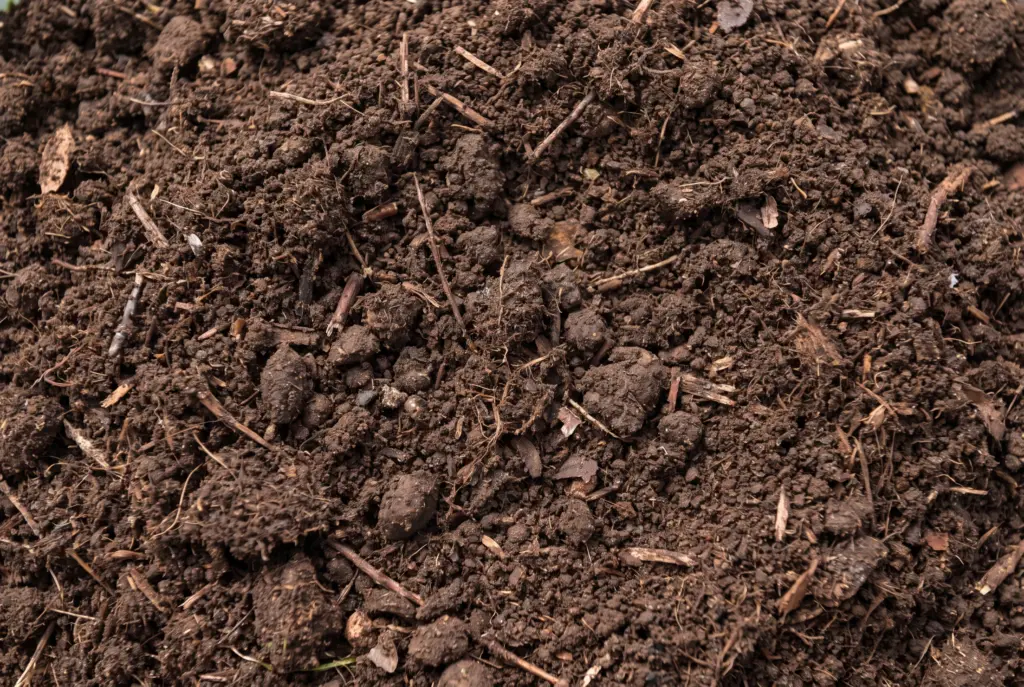
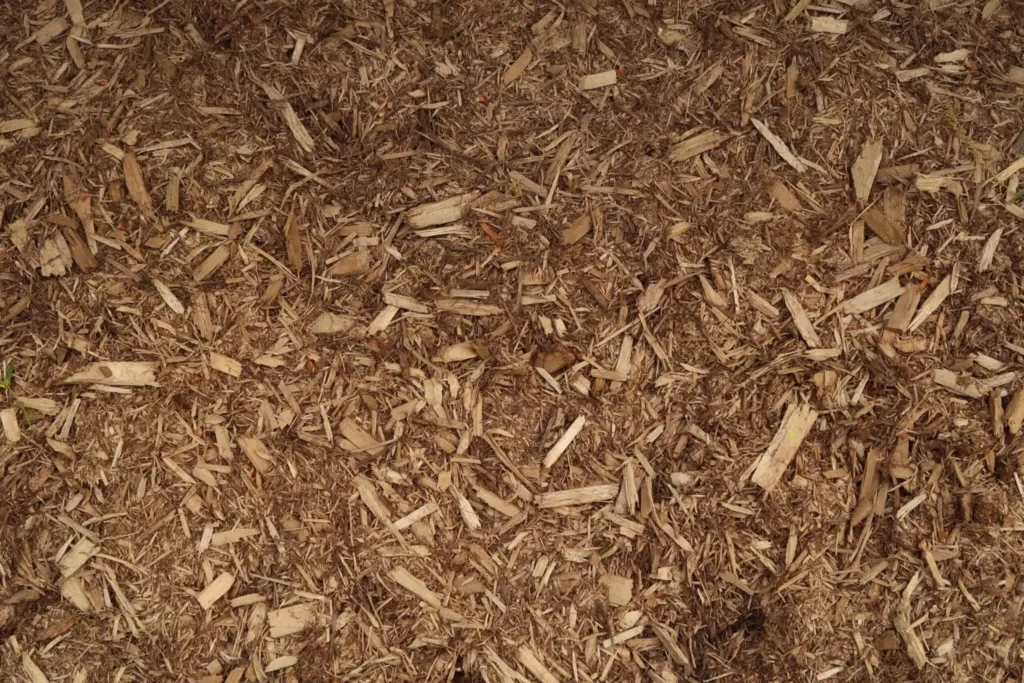
Bulk compost delivered in Savannah, GA. Dark brown color.
Savannah landscapes: soil first
Historic Savannah is built on heavy clay soils and sandy zones that each have their own demands. To succeed with plantings in either condition, start with better soil. Compost is the equalizer. Whether your Savannah property sits on clay or sand, adding quality Compost transforms it into living soil that plants depend on. The improvement happens fast. You see deeper root growth, healthier foliage, and less water stress within a few weeks of application.
From coastal marshlands to inland gardens, Savannah property managers face soil challenges. Historic oak preservation requires root zones that breathe and drain. Modern landscape beds need fertility that clay doesn't provide. New construction soils arrive depleted and compacted. Compost solves all three problems. It opens compacted soils, drains standing water, adds organic matter that supports microbial life, and builds the root capacity that established trees and new plants need to thrive in Savannah's humid subtropical climate.
Why compost matters in Savannah's climate
Compost is organic matter that has fully decomposed and stabilized. It contains beneficial microorganisms, holds no weed seeds or pathogens, and is safe to apply fresh. The dark color shows it's mature and ready to work. Once applied to Savannah landscapes, Compost begins its work immediately, improving soil structure and feeding plants.
Savannah's warmth and humidity mean plants grow fast when conditions are right, and struggle when soil is poor. Compost creates those right conditions. It improves water retention in sandy zones, improves drainage in clay, and feeds the microbes that make nutrients available to roots. Applied 4 to 6 inches deep and worked into your existing soil, Compost becomes part of the root zone permanently. Savannah gardens, orchards, landscape beds, and newly planted trees all respond immediately to improved soil. The results compound over time as organic matter builds and the soil ecosystem strengthens.
How much compost does your Savannah project need?
Measure the zones you want to improve in feet. Calculate the area of each: length times width. Incorporate 4 to 6 inches into your top soil layer for best results. Cubic yards equal area in square feet times depth in inches, divided by 324. For example: a 20-by-4-foot bed at 5 inches deep needs 1.2 cubic yards. A 40-by-6-foot planting area at 4 inches needs 3 cubic yards. Most Savannah residential properties need between 3 and 12 cubic yards depending on the scope. Use the calculator to verify your math and avoid both shortages and overage.
Delivery timing to Savannah
Compost ships to Savannah quickly. Standard orders arrive in 1 to 2 business days. Larger orders of 8 cubic yards and up often move same-day or next-day. We accept minimums of 3 cubic yards and can handle orders of 25, 30, or more depending on your needs. The volume you order affects both the delivery fee and your per-yard cost. Small orders have a per-yard delivery charge that covers the truck and labor. Big orders earn per-yard discounts and free delivery thresholds that make them much more economical.
Pricing for Savannah compost orders
We structure pricing in tiers that reward larger quantities. Start at 3 cubic yards with standard material pricing and a delivery fee. At 8 cubic yards, your per-yard rate drops and same-day or next-day delivery becomes available. Cross 15 cubic yards and you reach the best bulk rate at $80 per cubic yard, with delivery costs covered completely. This pricing structure means your per-yard cost gets better the more you order. Enter your ZIP code to see real-time pricing for your specific Savannah location and delivery date.
Ordering compost for your Savannah job
Go to our order form and input your Savannah address and ZIP code. Select your quantity and preferred delivery date from the available calendar. We'll display pricing, inventory status, and your delivery window. Complete your order and we'll confirm by phone the day of arrival to discuss site access and timing. Ask our team about application timing, placement for your soil type, and any questions about your specific Savannah property conditions. To explore more about compost throughout Georgia, visit our state hub and check what's available in Savannah.
About Compost
Compost is completely decomposed organic material. It comes from plant waste and yard trimmings that have finished the decomposition cycle. No weed seeds, no disease, no additives. The color is dark brown, confirming stability and readiness for immediate use.
Savannah soils benefit from the organic structure and microbial life that Compost provides. It improves water movement in clay soils, improves water retention in sandy soils, and builds the nutrient cycle that plants need. Compost becomes a permanent part of your soil once incorporated, unlike mulch that stays on top or sand that drains away.
Apply Compost to gardens, landscape beds, lawn areas, around trees, and in new construction landscapes. Savannah's warm climate means growth is rapid when soil is good. You'll see the difference within weeks. Most Savannah property owners apply Compost once yearly or every two years to keep soil fertility and structure at peak levels.
What Compost costs in Savannah
In the Savannah market, compost is sold by the ton and priced at the gate before delivery is added on. Send your ZIP and load size and we will send back a same-hour quote with the truck rate and the per-ton figure spelled out. One ton covers about 216 sq ft at a 3 inch finished depth, so a 400 sq ft driveway pad runs roughly 2 tons.
How crews use Compost in Savannah
Crews working out of Savannah tend to call for compost on a few repeat jobs each week. The first is planting bed gravel, typically laid on rural drives and acreage projects with a base lift compacted before the finish course goes on. Order size in Savannah averages 4 to 8 tons for homeowner jobs and climbs into full-truck loads for contractor work.
Delivery day in Savannah
On the day of the drop, the dispatcher pulls the closest yard, batches your ticket with other Savannah stops, and sends a window the night before. Tandem-axle dumps need at least 12 ft of clear width and 14 ft overhead to set the bed; tri-axles need 14 ft of clearance on both counts and a level pad to tip safely. Standard lead time on this lane is 24-48h, with same-day windows held open for orders that hit the desk before 11 AM and clear payment.
Related materials we deliver in Savannah
Estimate how much you need
Calculate Your Project
Estimate only. Add 10-15% for compaction and waste.
Browse more
Available in nearby cities
Plan your project
Related guides
 GUIDEHow Much Gravel Do I Need? Quick Sizing GuidePractical, field-tested guide: how much gravel do i need. Pulled from real US installer notes and 2026 supplier price data.Read guide →
 GUIDEWhat Is #57 Stone? Uses, Size, and Cost ExplainedPractical, field-tested guide: what is 57 stone. Pulled from real US installer notes and 2026 supplier price data.Read guide →
 GUIDEHow Deep Should a Gravel Driveway Be? Layer GuidePractical, field-tested guide: how deep should gravel driveway be. Pulled from real US installer notes and 2026 supplier price data.Read guide →
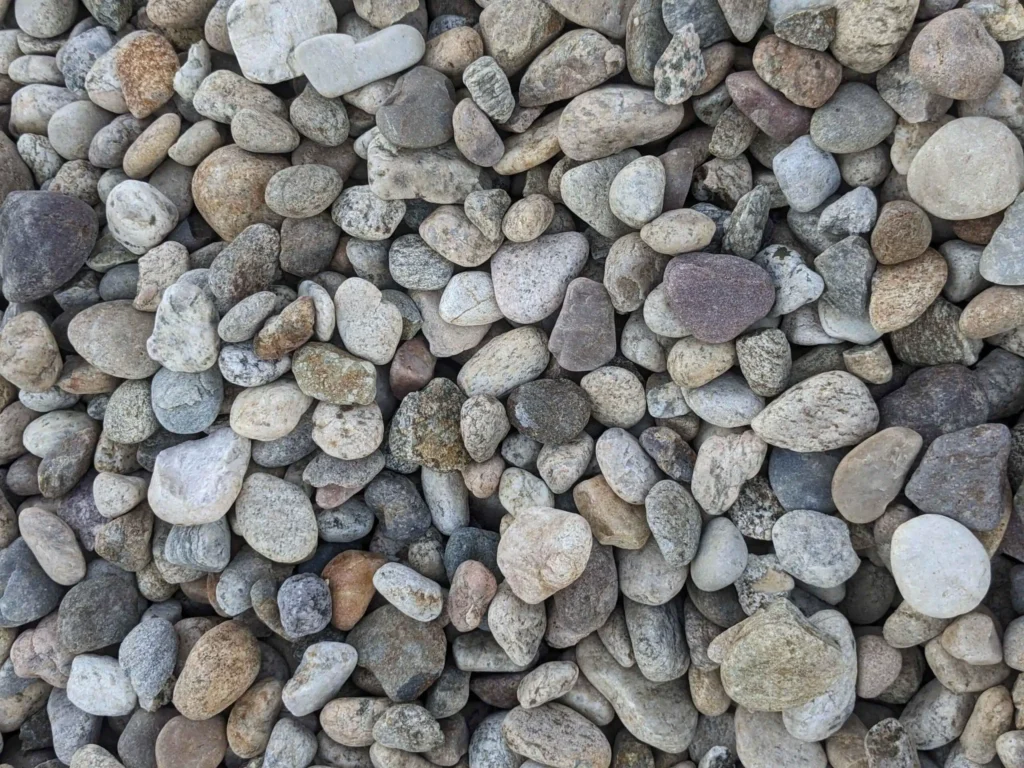 GUIDEHow Much Does River Rock Cost? By Ton or YardRiver rock cost depends on your ZIP code, order size, and whether you buy by the ton or the cubic yard. Here is how pricing works.Read guide →
Frequently Asked Questions
What does compost do for Savannah sandy soils?
Sandy soils drain too fast and hold poor fertility. Compost acts as a sponge, holding water and nutrients that sand cannot. When mixed into sandy soil, Compost gives plants the moisture retention they need to thrive. The organic matter also feeds microbes that supply nutrients, transforming sand into productive soil.
Does Savannah humidity affect how compost works?
Savannah's humidity is actually a benefit. The moisture and warmth speed the microbial activity that breaks down Compost and makes nutrients available. The humid climate means your Compost application results show faster than they would in drier regions. You see better growth and healthier plants within weeks.
How do I apply compost to an established Savannah landscape?
For existing beds, spread Compost 4 to 6 inches thick and work it into the top layer of soil with a tiller or by hand. For trees and shrubs, apply 3 to 4 inches around the base, stopping short of the trunk. In lawn areas, 2 to 3 inches tilled in helps revitalize tired turf. All applications show results within weeks.
Can compost help restore historic Savannah gardens?
Absolutely. Historic gardens and landscapes often have depleted soils from years of use. Compost rebuilds fertility and structure without introducing chemicals or pathogens. It supports the healthy root systems that old trees need and creates better conditions for period-appropriate plantings.
What's our minimum compost delivery to Savannah?
We deliver minimum 3 cubic yards anywhere in Savannah. This amount suits smaller projects and garden work. Add more and your per-yard cost drops. At 15 cubic yards and above, you get the best bulk pricing and free delivery, making large jobs very affordable.
How does Savannah temperature affect compost use?
Savannah's warm temperatures are ideal for Compost. The heat speeds organic decomposition and microbial activity, meaning Compost integrates into soil faster and begins feeding plants quicker than in cooler climates. Apply anytime and see results immediately.
Do I need to mix compost with anything for Savannah use?
Not required. Pure Compost works well on its own in garden beds, around plantings, and in lawn areas. If you want to add mineral content or adjust the blend, you can mix Compost 50/50 with topsoil. Either approach delivers results.
How often should Savannah properties get fresh compost?
Annual or every-other-year applications keep Savannah soils at peak fertility. The organic matter in Compost decomposes over 1 to 2 years as it integrates into the soil ecosystem. Regular applications maintain the improved structure and fertility that plants depend on.