
Compost Delivery in San Jose, CA
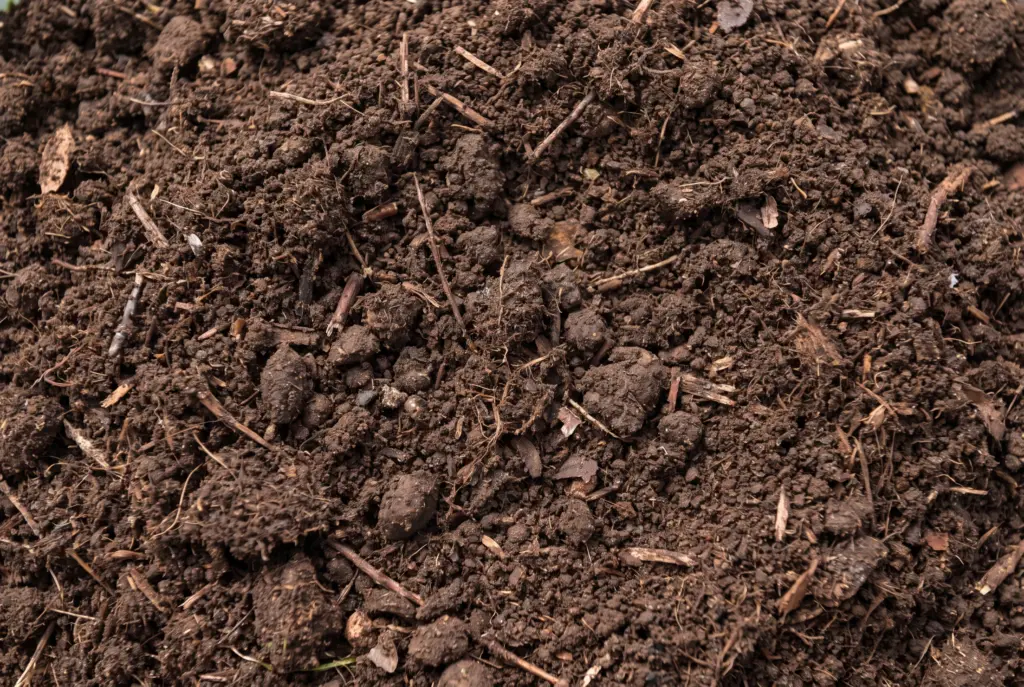
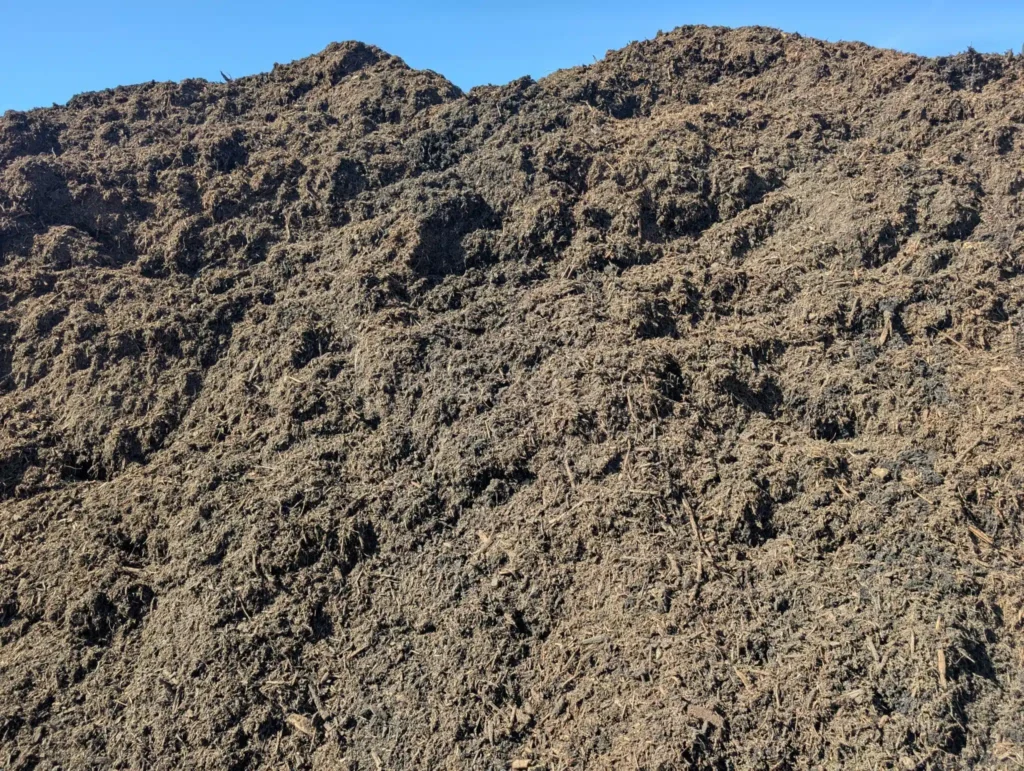
Bulk compost delivered in San Jose, CA. Dark brown color.
Compost Delivery in San Jose, CA
The Santa Clara Valley earned its old nickname, the Valley of Heart's Delight, on the strength of deep, fertile orchard soil. A century of building has buried much of that under heavy clay subgrade, compacted construction fill, and the long Mediterranean dry season that defines the South Bay. Compost is how San Jose gardeners get that productivity back. It loosens the clay, rebuilds organic matter in tired urban lots, and holds water in the root zone through summers that can go months without meaningful rain. MyGravelBuddy delivers screened, dark brown Compost across the city and the wider San Jose-Sunnyvale-Santa Clara metro, with bulk pricing that starts at on larger loads. From a backyard raised bed in Willow Glen to a full landscape conversion out in Almaden, we bring the material to you by the truckload.
Why San Jose Gardeners Rely on Compost
Clay and compaction are the recurring problems here. Much of the valley floor sits on heavy clay, and the soil around newer homes is often compacted construction fill with the topsoil long gone. Compost is the standard fix. Worked into the top several inches it breaks up that clay, opens drainage so winter rain does not pool, and adds the organic matter that lets roots breathe and spread. Blended with Topsoil, it makes excellent fill for the raised beds South Bay growers favor, which sidesteps poor native ground entirely and suits the strong backyard vegetable culture of the area.
Water is the second driver. With California's standing conservation focus and San Jose's dry summers, compost-amended soil that holds moisture longer means less irrigation and healthier plants. It pairs naturally with the drought-tolerant and Mediterranean plantings common across the metro. Local crews use it for vegetable and flower beds, lawn topdressing, fruit-tree planting backfill, a nod to the valley's orchard heritage, and as the rich base under a finishing layer of Hardwood Mulch.
Common Local Projects
- Raised vegetable beds blended with topsoil across Willow Glen, Cambrian, and Santa Clara
- Backyard fruit-tree planting backfill honoring the valley's orchard roots
- Drought-tolerant and Mediterranean landscape conversions in Almaden and Evergreen
- Lawn topdressing and renovation on cool-season turf
- Soil repair on compacted new-construction lots across the South Bay
Local Delivery and Lead Times in San Jose
We deliver to every San Jose ZIP, from downtown near 95113 out to the foothill neighborhoods, the Berryessa side, and across the Sunnyvale and Santa Clara end of the metro. On orders of 8 tons or more we typically deliver same or next day, and smaller 3-ton loads arrive within 1 to 2 business days. Spring is the crush as gardeners prep beds before the dry season, so booking a few days ahead helps lock in your slot.
Our reach extends across the Bay Area and into the Central Valley. We regularly serve Oakland and San Francisco, about 38 and 42 miles north, along with Stockton, Sacramento, and out toward Fresno. San Jose's mix of tight Willow Glen streets, hillside Almaden lots, and tree-lined older neighborhoods is familiar territory for our drivers. If a truck cannot reach the backyard or the lot is steep, tell us where the cleanest drop is and we will set the dark pile so your crew can move it the short way.
Bulk delivery also beats bagged compost on simple math. One cubic yard replaces close to 36 of the one-cubic-foot bags you would otherwise haul home and split open by hand, so even a small 3-yard bed-fill is over 100 bags. Taking it as a single pile dropped on a Cambrian driveway or a Santa Clara side yard saves the labor and the plastic, and your crew can start filling beds the moment the truck clears.
How Much Compost Do You Need?
Compost is sold by the cubic yard, and one yard covers about 100 square feet at a 3-inch depth, or roughly 160 square feet at 2 inches for topdressing. Here is a typical San Jose scenario: building four 4-by-8-foot raised vegetable beds in a Willow Glen backyard, each 12 inches deep. That is 128 cubic feet, or close to 5 yards, and most growers blend that with topsoil so figure 2 to 3 yards of compost in the mix. For amending the soil around a new backyard fruit tree, plan a yard or two worked into a wide planting basin.
The formula is simple: area in square feet times depth in inches, divided by 324, gives cubic yards. For raised beds, multiply length by width by depth in feet and divide by 27. Round up when you land between sizes, since a slightly fuller amendment does more to break up valley clay.
Local Pricing in the San Jose Metro
Bulk pricing rewards larger loads. Our San Jose compost runs on a 3-ton minimum order with a $260 delivery fee, a fit for a single home garden or a few raised beds. Step up to at 8 tons and the delivery fee falls to $140 while you unlock same or next-day service. At 15 tons and above the price drops to with free delivery, the tier where landscapers, builders, and multi-property jobs land, and the source of that headline rate. If you are coordinating compost across several San Jose addresses or community garden plots, combining them into one 15-ton load is the most economical path.
Installation and Spreading Tips
Working valley clay rewards patience. Do not till heavy clay when it is soaking wet from a winter storm, since that compacts it further; wait for it to dry to a crumbly state. Loosen the existing ground a few inches, then work 2 to 3 inches of compost into the top 6 to 8 inches with a tiller or fork and rake level so the amended layer ties into the soil below. For lawn topdressing, mow short, core aerate to break the compacted surface, then spread a thin quarter to half inch and drag it in so the grass stays above the layer.
For raised beds, blend compost with Topsoil or a bagged Garden Soil at roughly half and half for vegetables, since pure compost in a box can stay too wet and run rich. Once plants are in, cap the bed with two inches of Hardwood Mulch to lock moisture in through the dry South Bay summer. Run drip irrigation under the soil surface so the compost can hold the water you apply, then water deeply after planting so everything settles and bonds.
Seasonal Notes for California
San Jose's compost rhythm follows the rain. The best window to build and amend beds is late winter into spring, roughly February through April, after the seasonal rains have softened the clay and before the long dry summer sets in, when working compost into moist soil lets it bond and hold that moisture. A lighter refresh in early fall is useful before cool-season planting. Because the dry season is long, water beds before and after amending so the compost stays biologically active rather than drying into dust. Avoid tilling the clay during heavy winter rain, which compacts it, and in low spots that pool during a storm blend in extra topsoil to keep drainage moving so crowns are not left sitting in water. Whether you are amending a lot in San Jose or running a load up toward Oakland and San Francisco, timing delivery to a damp, workable window gives you the richest mix and the longest water savings through the dry months.
About Compost
About Compost
Compost its long-lasting soil-building value.
Sold by the cubic yard, this product weighs roughly 1,000 pounds per yard, light enough to spread and blend quickly by hand or with a compact skid steer. A standard 3-inch application covers about 100 square feet per yard for bed amendment, while a thin topdressing layer at a quarter to half inch will stretch across 600 to 1,200 square feet of lawn per yard. It mixes cleanly with topsoil and sand and rakes out evenly because it ships screened rather than chunky.
Typical uses include raised-bed fill blended with topsoil, vegetable and flower bed amendment, lawn topdressing and overseeding, tree and shrub planting backfill, and soil structure repair on compacted, clay-heavy, or depleted ground. Unlike a decorative mulch, compost is a working amendment: it improves drainage in clay, boosts water retention in sandy soil, feeds soil microbes, and slowly releases nutrients to plants. For vegetable beds it is usually blended roughly half and half with topsoil rather than used straight, since pure compost can hold too much moisture and run nutrient-rich. As a soil-conditioning grade rather than a finished planting medium, it performs best worked into the root zone or screened across an existing lawn, then watered in to settle and bond with the soil below.
What Compost costs in San Jose
Around San Jose, compost is quoted by the ton with delivery layered in based on distance from the closest yard. Send your ZIP and load size and we will send back a same-hour quote with the truck rate and the per-ton figure spelled out. Plan on roughly 216 sq ft of coverage per ton at 3 inches deep, which puts a single-car driveway in the 3 to 5 ton bracket.
How crews use Compost in San Jose
San Jose contractors keep compost on the order sheet for a short list of standard installs. Top of the list is planting bed gravel, where the material is rolled out in tight urban lots and infill builds and screeded to grade. San Jose sits at about 983,489 residents, which means we see steady weekday traffic from landscape crews and weekend pickups from owner-builders.
Delivery day in San Jose
Delivery in San Jose runs out of the nearest pit; you get a two hour arrival window the evening prior and a call when the driver leaves the scale. Plan for 12 ft of clear path for a tandem and 14 ft for a tri-axle, plus a level area at the dump point so the bed lifts straight. Standard lead time on this lane is Mon-Sat, with same-day windows held open for orders that hit the desk before 11 AM and clear payment.
Related materials we deliver in San Jose
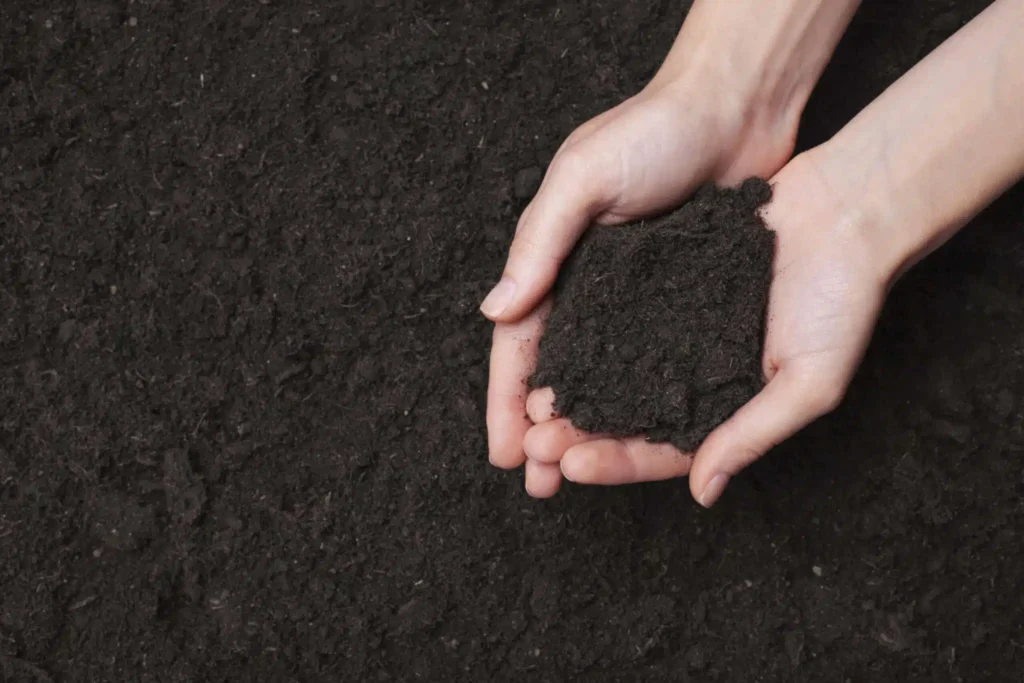 From $44.03/yard
- SizeScreened, no size grade
- Density2200 lb/yd³
- ColorDark brown
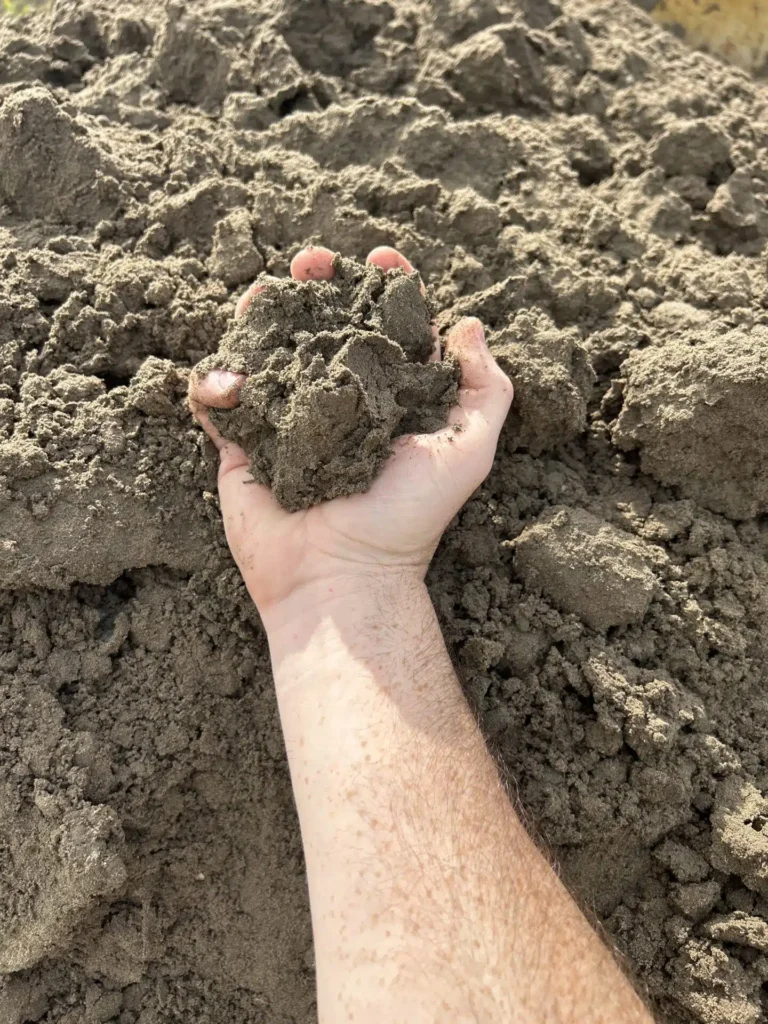 From $40.95/yard
- Density2200 lb/yd³
- ColorBrown
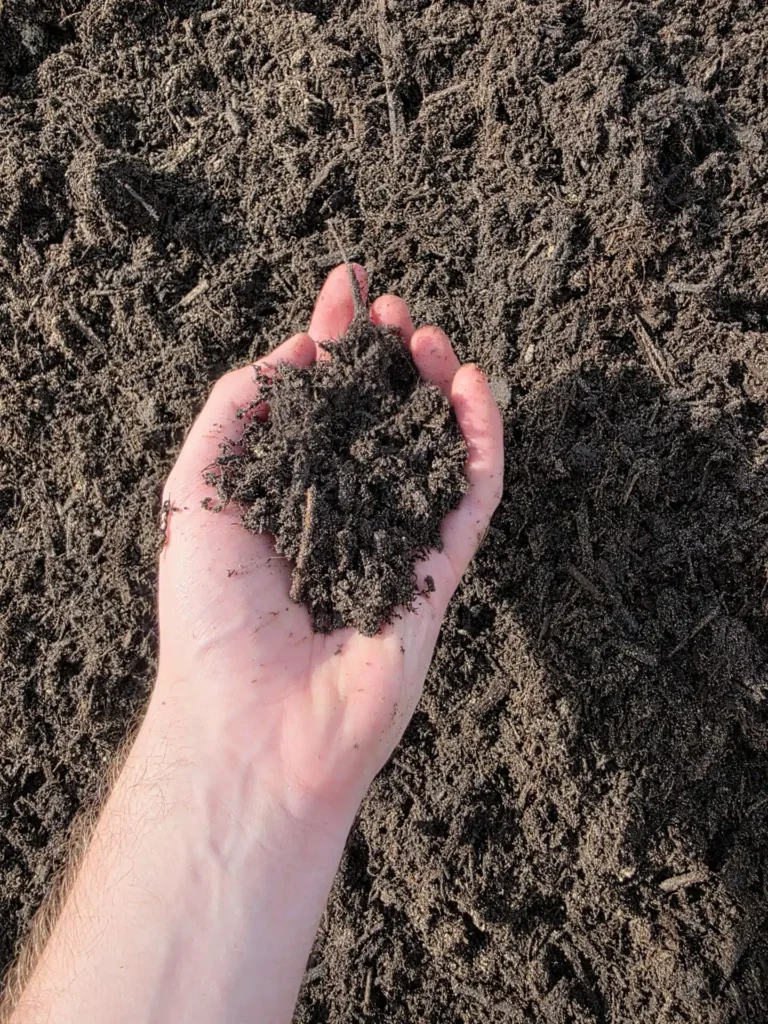 From $44.03/yard
- Density2000 lb/yd³
- ColorDark brown
Estimate how much you need
Calculate Your Project
Estimate only. Add 10-15% for compaction and waste.
Browse more
Available in nearby cities
Plan your project
Related guides
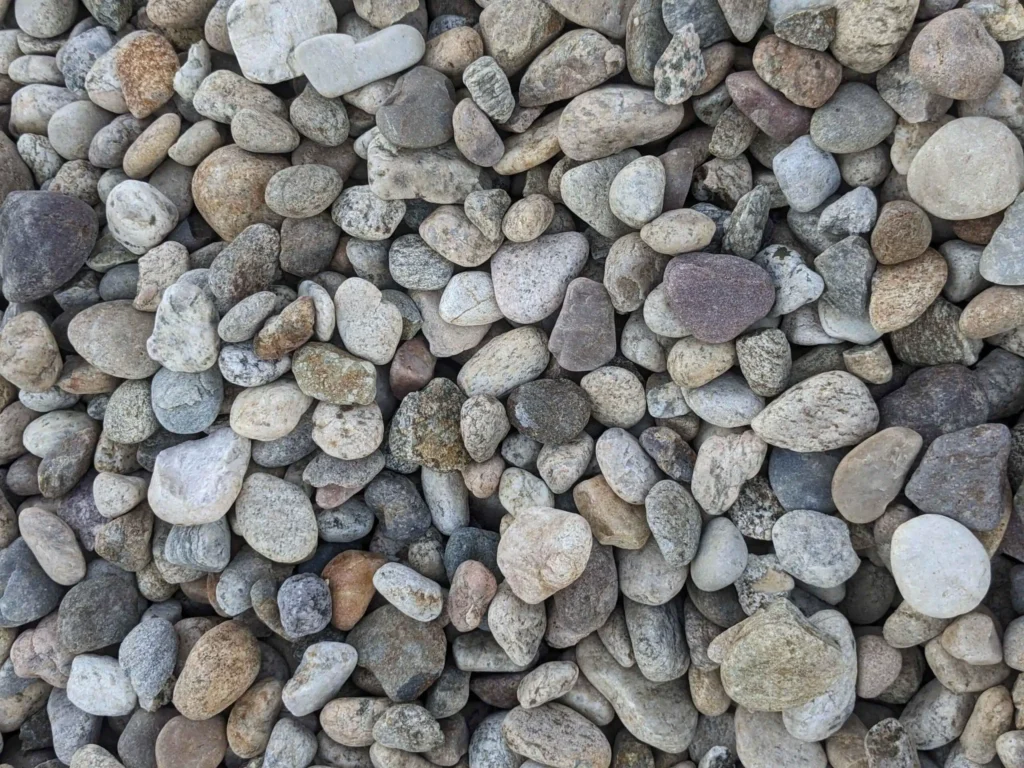 GUIDEWhat to Put Under River Rock for Landscaping BedsHere is what to put under river rock landscaping: a compacted base where needed, then landscape fabric, then rock, to stop weeds and settling.Read guide →GUIDEHow to Clean River Rock and Restore Its ColorLearn how to clean river rock landscaping with rinsing, soap and vinegar methods, plus common mistakes to avoid for a brighter, longer lasting rock bed.Read guide →
 GUIDEHow to Lay a Gravel Driveway: Step-by-Step GuidePractical, field-tested guide: how to lay gravel driveway. Pulled from real US installer notes and 2026 supplier price data.Read guide →
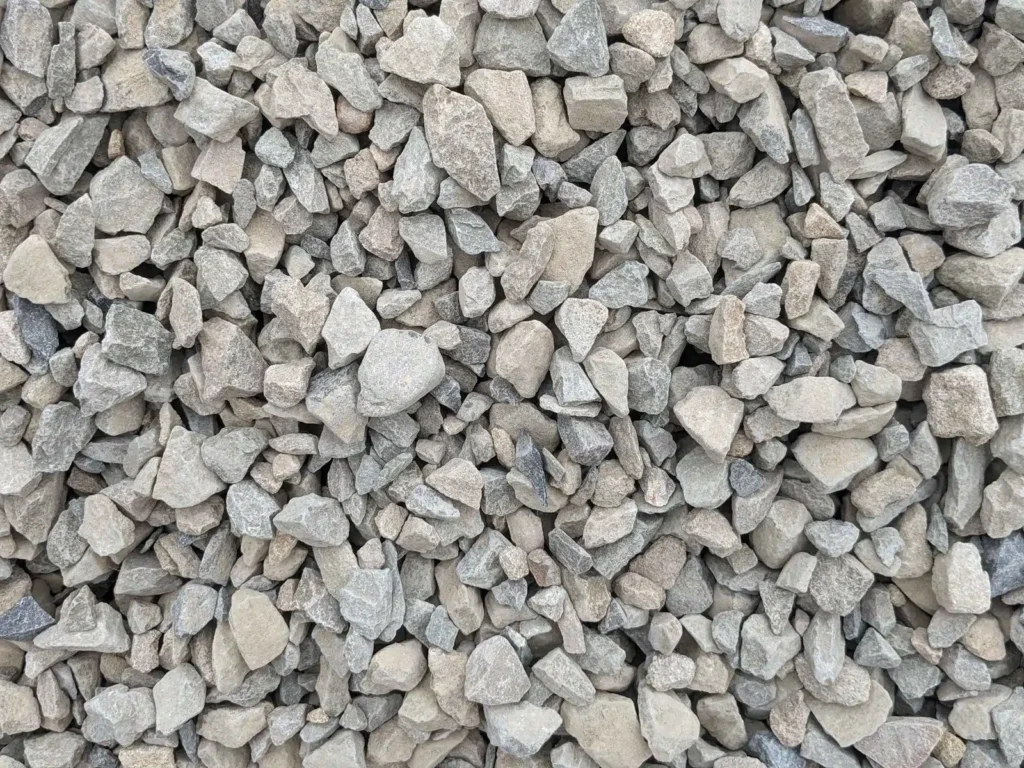 GUIDEDoes Gravel Stop Weeds? Honest Answer + What WorksPractical, field-tested guide: does gravel stop weeds. Pulled from real US installer notes and 2026 supplier price data.Read guide →
Frequently Asked Questions
How much compost do I need for raised beds in San Jose?
How fast can you deliver compost in San Jose?
Orders of 8 tons or more usually arrive same or next day across the metro. Smaller 3-ton loads come within 1 to 2 business days. Spring is busy as gardeners prep beds before the dry season, so book a few days ahead to secure your slot.
Will compost help my San Jose clay or compacted soil?
Yes. Compost is the standard fix for valley clay and compacted construction fill. Worked into the top 6 to 8 inches it breaks up the soil, opens drainage so winter rain does not pool, and adds organic matter that lets roots breathe and spread.
Does compost help with California water conservation?
Yes. Compost-amended soil holds moisture in the root zone far longer, so you water less through the long dry South Bay summer. It pairs well with drought-tolerant and Mediterranean plantings and with subsurface drip irrigation.
When is the best time to add compost in San Jose?
Late winter into spring, February through April, after the rains soften the clay and before the dry summer, is the prime window for building and amending beds. A lighter early-fall refresh works before cool-season planting. Water beds before and after amending.
Can I use compost when planting a backyard fruit tree?
Yes, and the valley's orchard heritage makes it popular. Dig wide rather than deep and blend a yard or two of compost through a broad planting basin, not just the backfill, so roots have loose, amended soil to spread into beyond the original hole.
Should I use straight compost or blend it for vegetable beds?
Blend it. Pure compost in a raised bed can stay too wet and run nutrient-rich for most vegetables. Mix it roughly half and half with topsoil or a bagged garden soil, then cap the bed with hardwood mulch to hold moisture through the dry summer.
Do you deliver compost outside the city of San Jose?
Yes. We cover the full San Jose-Sunnyvale-Santa Clara metro and regularly run loads up to Oakland and San Francisco, about 38 and 42 miles north, plus Stockton, Sacramento, and out toward Fresno. Share your address for an exact lead time.