Compost Delivery in Mobile, Alabama
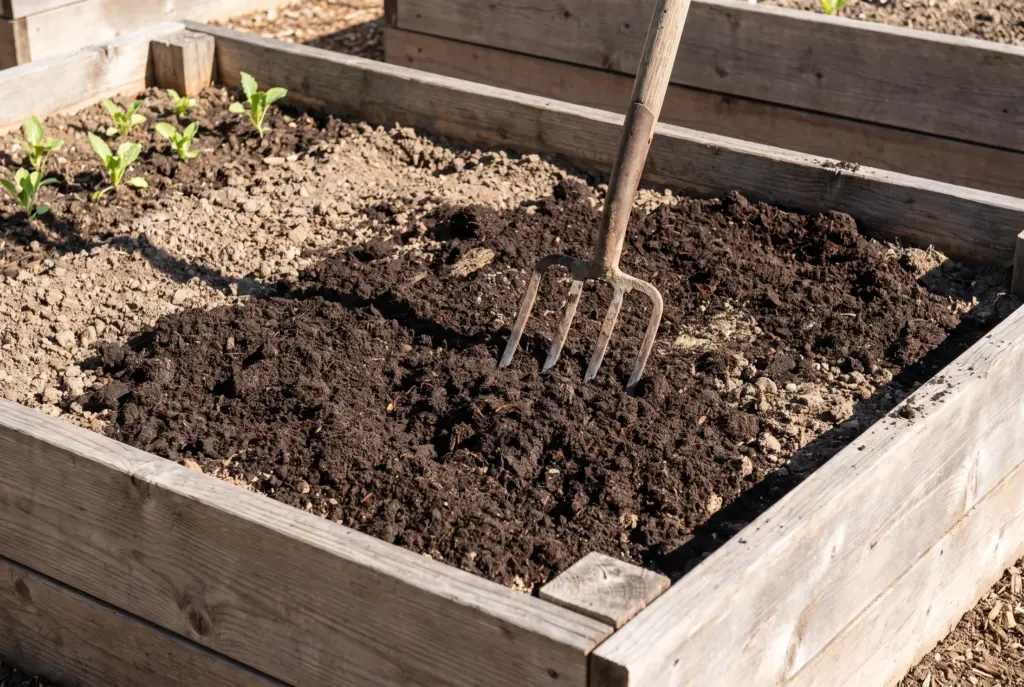
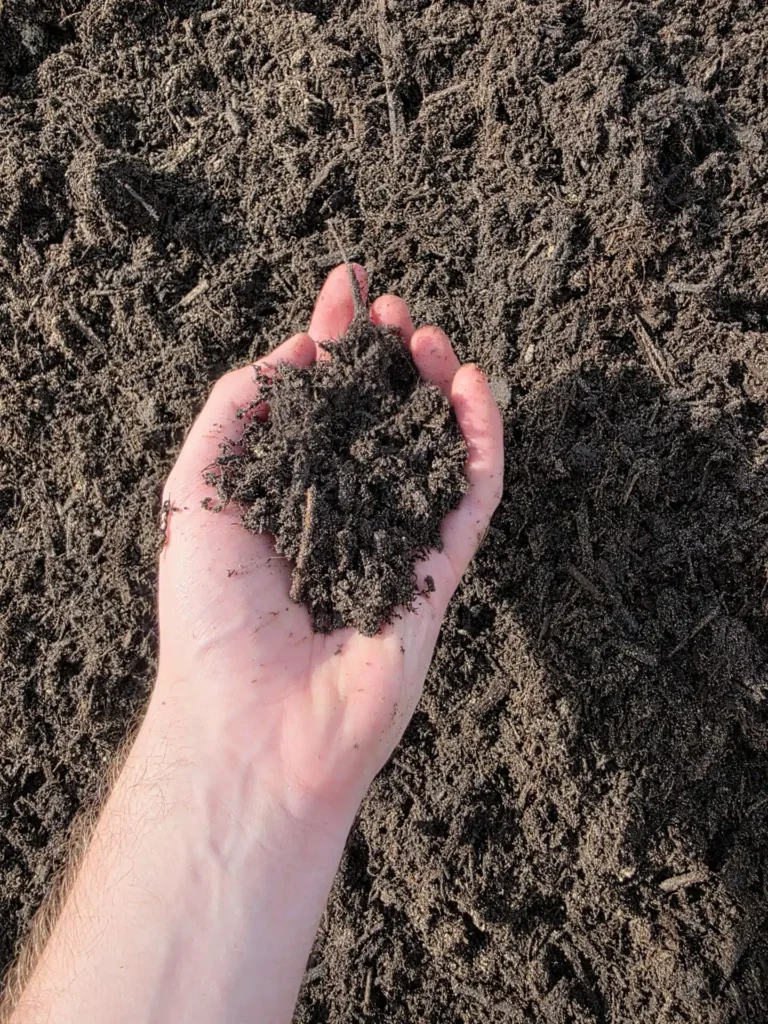
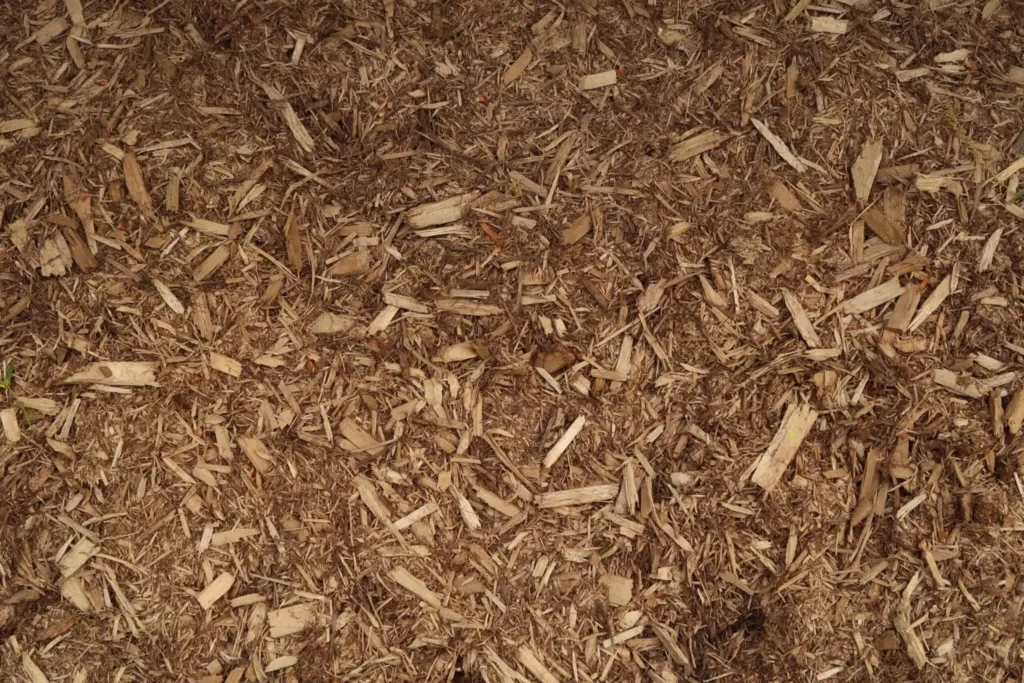
Bulk compost delivered in Mobile, AL. Dark brown color.
Compost delivery to Mobile gardens and landscapes
Mobile's coastal climate and sandy soils make compost an essential amendment for any serious gardener or landscaper. If you're starting vegetable beds, improving lawn soil, or running a landscape project, quality compost enriches the soil with organic matter and helps retain moisture during long, hot summers. Our dark brown, nutrient-rich compost arrives ready to work into your landscape and begins improving your soil immediately.
Local gardeners and contractors depend on compost delivery in Mobile to address the region's natural soil challenges. Sandy soils common to the coastal area drain too quickly, leaving plants thirsty even after heavy rain. Adding compost to the top 6 inches of existing soil improves water retention, reduces watering frequency, and builds soil structure year after year. Whether your project is a small raised bed or a full-property renovation, bulk compost is the most efficient way to upgrade your soil.
What compost does for your soil and plants
Compost is fully decomposed organic matter that acts as both a soil amendment and a mild fertilizer. When you mix it into the top layer of soil, it improves water-holding capacity in sandy areas and drainage in clay-heavy soils, creating the balanced structure plants prefer. The organic matter feeds beneficial microorganisms that help plants absorb nutrients, making compost an investment in long-term soil health, not just a one-season fix.
Homeowners use compost for vegetable gardens, perennial borders, and lawn restoration. Landscapers blend it with topsoil for new planting beds and apply it across entire properties to revitalize tired soil. Contractors choose compost when they need to amend large areas quickly. Unlike mulch, which stays on the surface and breaks down slowly over years, compost works into the soil and becomes part of it, feeding the ecosystem beneath your plants.
How much compost you'll need for your project
Start by measuring your project area in feet. Decide how deep you want the compost layer to work in, typically 4 to 6 inches for best results. Multiply length times width times depth in inches, then divide the result by 324 to convert to cubic yards. A garden bed 20 feet long and 4 feet wide with a 4-inch depth needs roughly 1 cubic yard. Most Mobile landscaping projects benefit from starting with at least 3 cubic yards, which allows you to make a visible improvement while keeping your initial investment reasonable. Use the calculator to verify your math, then add a small buffer for settling and unexpected compaction losses.
Delivery options and order flexibility
Compost delivery in Mobile arrives within 1 to 2 business days for standard orders, with faster same-day or next-day options available for larger quantities. Order any amount from the 3-cubic-yard minimum up to 25 or 30 cubic yards depending on truck capacity and your schedule. Small orders carry a delivery fee; larger orders reduce the per-yard cost and qualify for faster scheduling. At 15 cubic yards and above, delivery becomes free, which dramatically improves the value proposition for contractors and homeowners planning bigger projects.
How our pricing tiers work
Compost is sold strictly by the cubic yard. Our tiered pricing rewards larger orders. For 3 cubic yards, you pay a standard per-yard rate plus a delivery charge that covers fuel and driver time. Order 8 cubic yards, and the per-yard cost drops while your delivery window improves to same or next day. At 15 or more cubic yards, you receive our best bulk rate and delivery is free, making this the sweet spot for contractors and large residential projects. Check exact pricing for your ZIP code to compare options and see your savings at each tier.
How to order compost in Mobile
Start by entering your Mobile address and ZIP code to see live pricing, current delivery availability, and quantities we have in stock. Select the amount you need, choose your preferred delivery window, and complete your order online. Our drivers will call ahead on delivery day, arrive within your window, unload safely, and answer questions about application. For additional questions about compost quality, techniques, or your specific order, learn more about compost in Alabama or contact our team directly.
About Compost
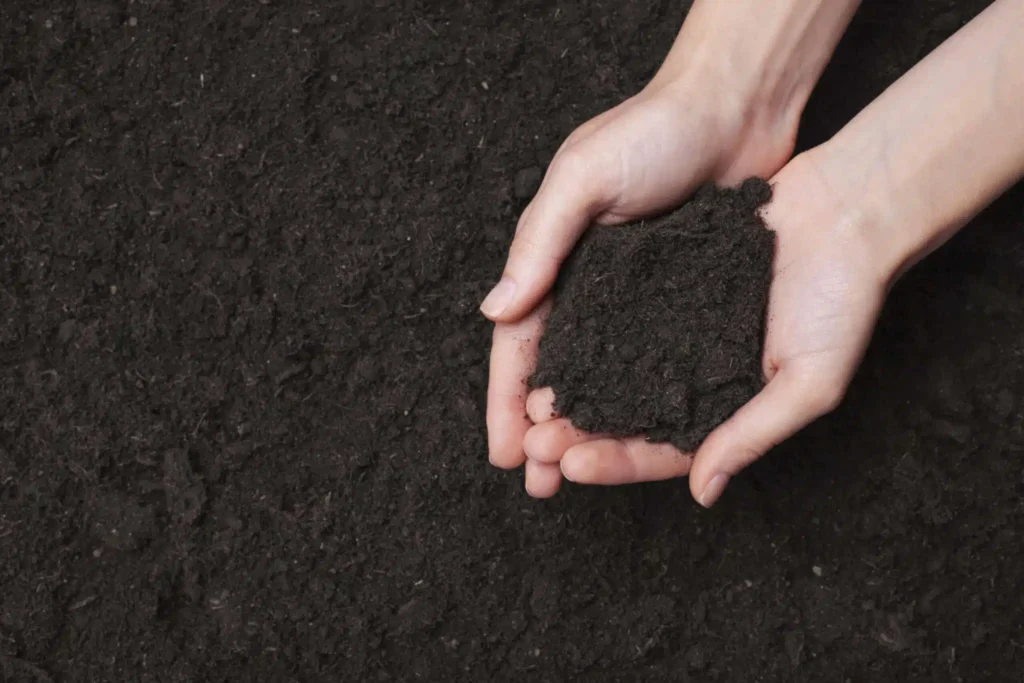
Compost is fully decomposed organic matter rich in carbon, nitrogen, and microorganisms. It contains no harmful chemicals, weed seeds, or herbicide residues, making it safe and effective for vegetable gardens, ornamental beds, shrub plantings, and lawn restoration. The dark brown color indicates a stable humus that won't burn plants or cause nutrient imbalances.
Compared to raw mulch or topsoil to create a premium planting mix that performs better than either material alone.
Gardeners use compost to establish new beds and maintain productive gardens year after year. Landscapers incorporate it when preparing planting areas for trees, shrubs, and perennials. Contractors apply compost to large properties to revitalize degraded soils, reduce erosion, and support plant establishment on new construction sites. A single application improves soil for years, while repeated applications create increasingly rich, living soil.
What Compost costs in Mobile
Local Mobile yards quote compost by the ton; the delivered number includes fuel, the truck, and the haul. Send your ZIP and load size and we will send back a same-hour quote with the truck rate and the per-ton figure spelled out. A ton of this material spreads across about 216 sq ft when laid 3 inches deep, useful when you are sizing a patio base or a walkway run.
How crews use Compost in Mobile
In and around Mobile, compost shows up most often on two project types. The most common deployment is planting bed gravel, often on rural drives and acreage projects in two to three inch lifts. Most Mobile loads land in the 4 to 8 ton range, with full trucks on the books for larger pads and drives.
Delivery day in Mobile
A typical Mobile drop is dispatched from the closest yard with a two hour window and a heads-up call once the truck is loaded. Tandem trucks want a 12 ft lane in and out; tri-axles need 14 ft, and both want firm ground at the tipping spot so the load releases cleanly. Standard lead time on this lane is 24-48h, with same-day windows held open for orders that hit the desk before 11 AM and clear payment.
Related materials we deliver in Mobile
Estimate how much you need
Calculate Your Project
Estimate only. Add 10-15% for compaction and waste.
Browse more
Available in nearby cities
Plan your project
Related guides
 GUIDEHow to Clean River Rock and Restore Its ColorLearn how to clean river rock landscaping with rinsing, soap and vinegar methods, plus common mistakes to avoid for a brighter, longer lasting rock bed.Read guide →
 GUIDEHow to Lay a Gravel Driveway: Step-by-Step GuidePractical, field-tested guide: how to lay gravel driveway. Pulled from real US installer notes and 2026 supplier price data.Read guide →
 GUIDEDoes Gravel Stop Weeds? Honest Answer + What WorksPractical, field-tested guide: does gravel stop weeds. Pulled from real US installer notes and 2026 supplier price data.Read guide →
 GUIDEHow Much Gravel Do I Need? Quick Sizing GuidePractical, field-tested guide: how much gravel do i need. Pulled from real US installer notes and 2026 supplier price data.Read guide →
Frequently Asked Questions
Can I use compost straight from the delivery truck without mixing?
Yes, compost is ready to use immediately. For best results, work it into the top 4 to 6 inches of existing soil using a shovel or tiller. In a new garden bed, spread 4 to 6 inches of compost and turn it under before planting. You can also mix compost 50/50 with topsoil to stretch your material and create a premium planting medium for trees and shrubs.
How much compost does a typical Mobile vegetable garden need?
A standard home garden bed 20 feet long and 4 feet wide benefits from 4 to 6 inches of compost worked into the soil, which amounts to 1.5 to 2 cubic yards. Most gardeners find that 3 cubic yards covers their initial beds and leaves enough to amend other areas of the landscape. If you're building multiple raised beds or restoring a large lawn, 8 cubic yards or more allows you to work compost across your entire property.
What's the minimum order for compost delivery to Mobile?
The minimum order is 3 cubic yards. We deliver any amount from 3 yards up to your truck capacity, typically 25 to 30 cubic yards. If you need 20 or more cubic yards, contact us in advance as we may need to schedule multiple deliveries or coordinate with our fleet.
How is compost different from topsoil or mulch?
Topsoil for grading, and mulch for moisture retention and weed control.
When should I order compost in Mobile?
Spring is ideal, as the growing season rewards newly amended soil quickly. Fall is the second-best window, giving you time to prepare beds before spring planting. Summer delivery is available but may have longer lead times during peak season. You can order year-round; just allow extra time if scheduling during peak landscaping months.
Is your compost safe for vegetable gardens and edibles?
Completely safe. Our compost is sourced from yard waste, food waste, and other organic materials that go through controlled composting to eliminate weed seeds and break down any chemical residues. It meets quality standards for vegetable gardens, herbs, and edible landscapes. You can use it immediately without concern.
Why is delivery free at 15 cubic yards but not for smaller orders?
Larger loads allow us to spread fuel and driver costs across more material, reducing the cost per yard. At 15 cubic yards, your order is efficient enough that we can absorb delivery as part of our bulk pricing. Smaller orders (3 to 8 cubic yards) include a delivery charge that covers the truck, fuel, and labor. The jump to free delivery at 15 yards reflects real economies of scale.
How long does compost improve soil after I apply it?
Compost continues building soil structure and supporting microorganisms for years. Much of it breaks down within the first 1 to 2 seasons, cycling nutrients into the living soil. A single load improves water retention and plant health for at least a full season, and the residual benefit lasts much longer. Many gardeners add compost annually or every other year to sustain high-quality soil.