
Decomposed Granite vs Pea Gravel: 2026 Comparison
Side by side on size, drainage, compaction, look, and cost. No fluff, just the numbers and the trade-offs.
Quick take
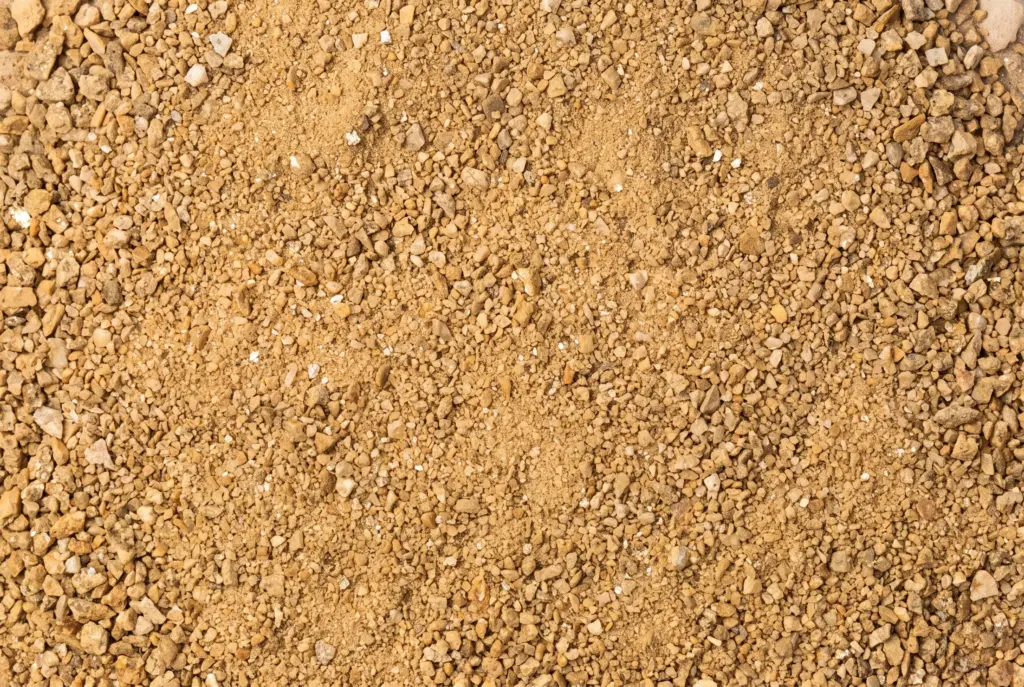
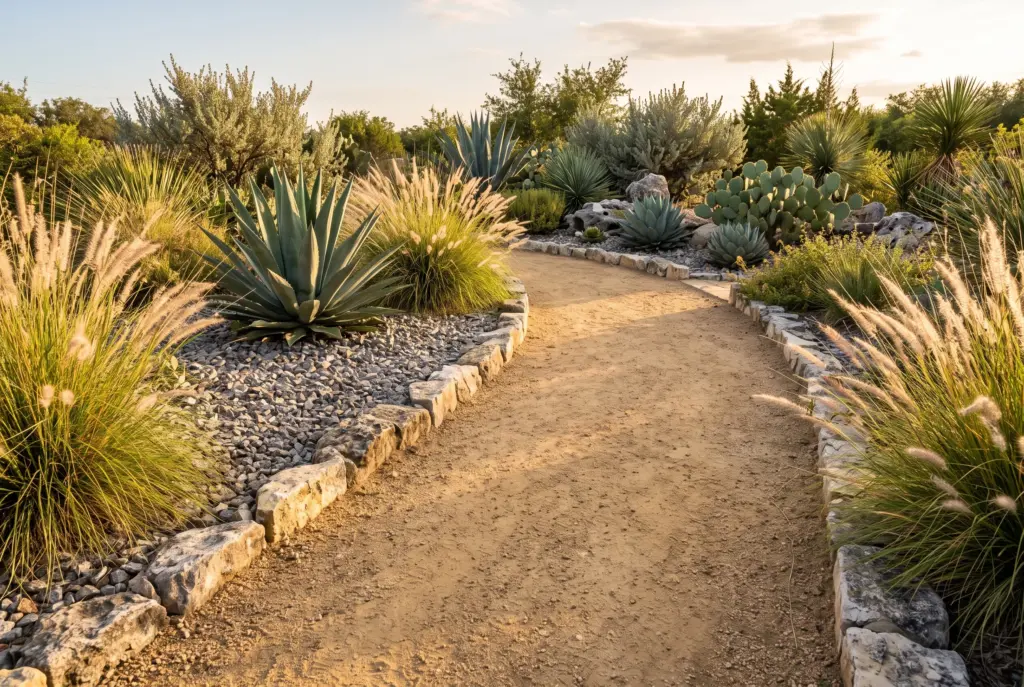
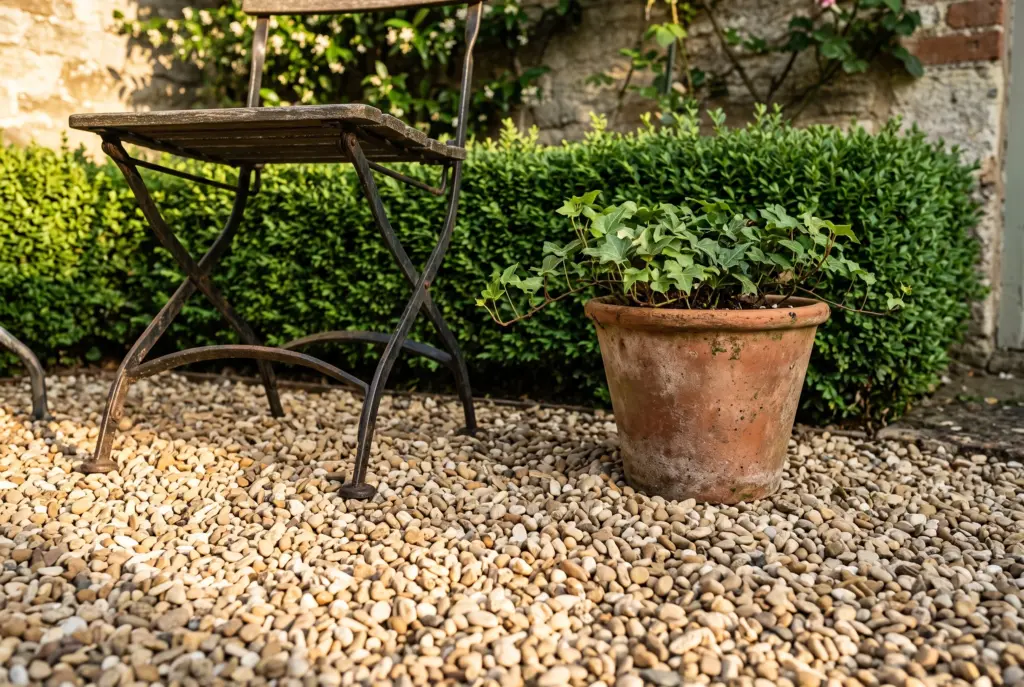
Decomposed Granite is a decorative material in the 0 - 1/4" range, most often spec'd for walkway gravel. Pea Gravel sits in the same category but runs 1/4 - 3/8", and it shows up more on patio gravel work.
How the two differ in practice
Size is the first split: 0 - 1/4" for Decomposed Granite versus 1/4 - 3/8" for Pea Gravel. Drainage runs moderate on Decomposed Granite and very fast on Pea Gravel. On compaction, expect stays loose from Decomposed Granite, while Pea Gravel delivers stays loose, rolls underfoot. Density is 3000 lb/yd³ next to 2800 lb/yd³, which moves the cost-per-ton math by a small margin.com/decomposed-granite/" title="Decomposed Granite and for Pea Gravel.
When Decomposed Granite is the right call
Pick Decomposed Granite when the job is walkway gravel and patio gravel. The warm tan to gold dust grade and the way it stays loose make it a fit for that application. On a full-truck order the per-ton cost falls roughly 15 to 20 percent under partial-load pricing.
When Pea Gravel is the better fit
Switch to Pea Gravel if the project leans toward patio gravel and walkway gravel. The smooth, rounded, tan / mixed grade plus the very fast drainage profile matches that job better. Plan your load size, same full-load break point as Decomposed Granite.
Side by side comparison
| Attribute | Decomposed Granite | Pea Gravel |
|---|---|---|
| Category | Decorative | Decorative |
| Particle size | 0 - 1/4" | 1/4 - 3/8" |
| Color & look | Warm tan to gold dust | Smooth, rounded, tan / mixed |
| Density | 3000 lb/yd³ | 2800 lb/yd³ |
| Sold by | Ton | Ton |
| Drainage | Moderate | Very fast |
| Compaction | Stays loose | Stays loose, rolls underfoot |
| Maintenance | Re-dress every 2-3 years | Re-dress yearly |
| Best for | walkway gravel, patio gravel, and driveway gravel | patio gravel, walkway gravel, and pool deck gravel |
Verdict
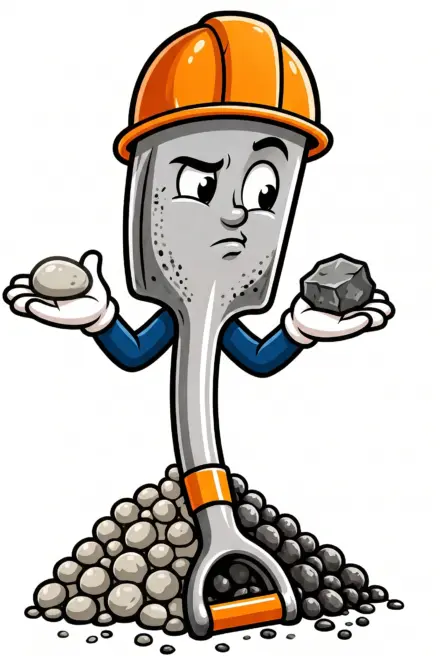
If your project is walkway gravel, go with Decomposed Granite. If it leans toward patio gravel, Pea Gravel is the cleaner pick. Cost-wise the gap is small, so the deciding factor is the surface and traffic, not the price.
Bottom line: Project-dependent
Browse product hubs
Top cities for these materials
Plan with a calculator
Related guides
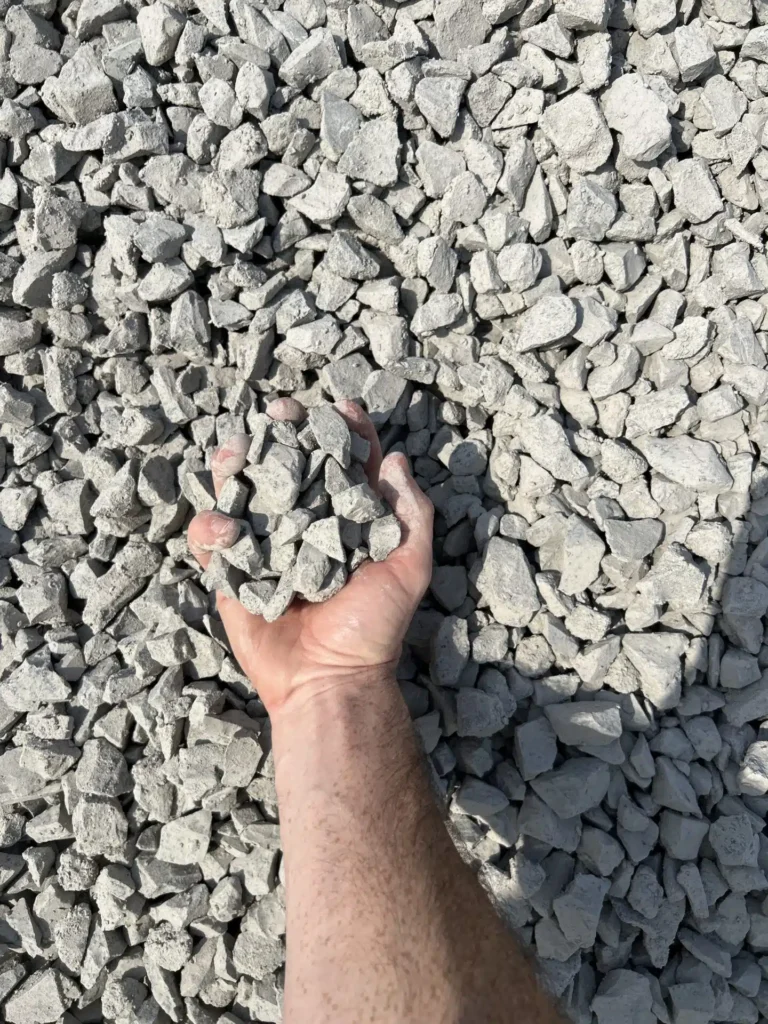 GUIDEGravel Size Chart: Pea Gravel to Crushed StoneA gravel size chart showing pea gravel, crushed stone and river rock diameters side by side, so you can match the right size to your project.Read guide →
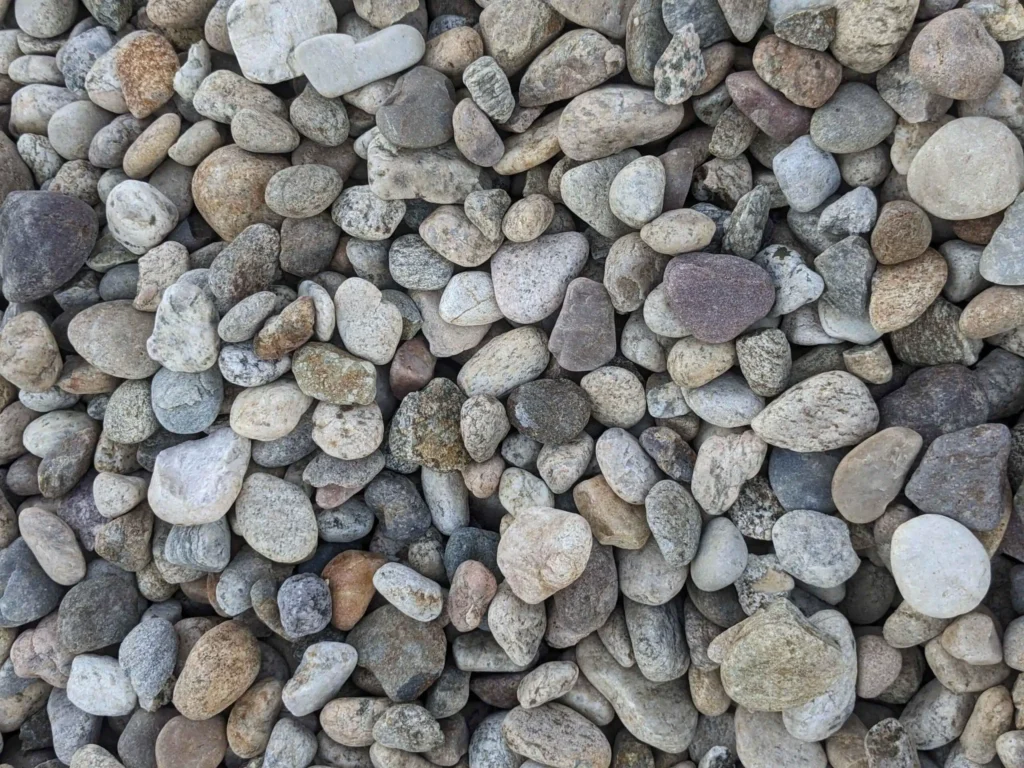 GUIDEThe Different Types of Gravel and How to ChooseA plain-language guide to the main types of gravel, covering pea gravel, crushed stone, river rock and decomposed granite.Read guide →
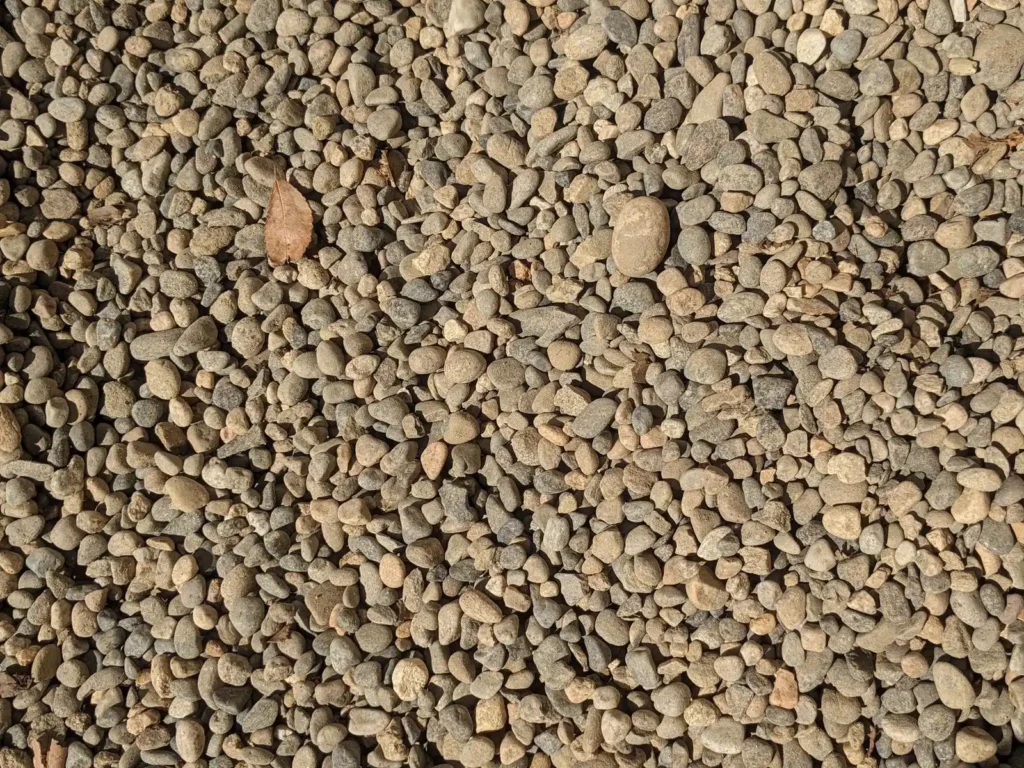 GUIDEHow Much Does Gravel Cost? A Practical Pricing GuideHow much does gravel cost and why does it vary? See the real factors behind ton pricing, delivery, and order size before you buy.Read guide →GUIDEHow Much Does River Rock Cost? By Ton or YardRiver rock cost depends on your ZIP code, order size, and whether you buy by the ton or the cubic yard. Here is how pricing works.Read guide →
Frequently Asked Questions
Is Decomposed Granite or Pea Gravel cheaper?
Per-ton pricing is usually within $10. The main cost driver is freight from the nearest quarry, not the material itself.
Which one drains better?
Larger, more angular stones drain faster. Compare the two products' size grades to pick by drainage need.
Can I mix Decomposed Granite and Pea Gravel?
Yes - many installers use the coarser grade as base and the finer as a top dressing. Layer base first, then top.
How long does each last?
Both materials last 10+ years with periodic top-up. UV breaks down nothing because they're rock.
Which has more aesthetic appeal?
Subjective. Pull a sample from your supplier before ordering 10 tons.
Are both available delivered?
Yes - both ship via tandem dump truck (4-25 tons) or bag drop (1-3 tons). Same lead times in most metros.