
Asphalt Millings Driveway Guide: Depth, Install and Cost
Plan an asphalt millings driveway with guidance on depth, base prep, installation steps, upkeep and how to order material by the ton.
Why an Asphalt Millings Driveway Works So Well
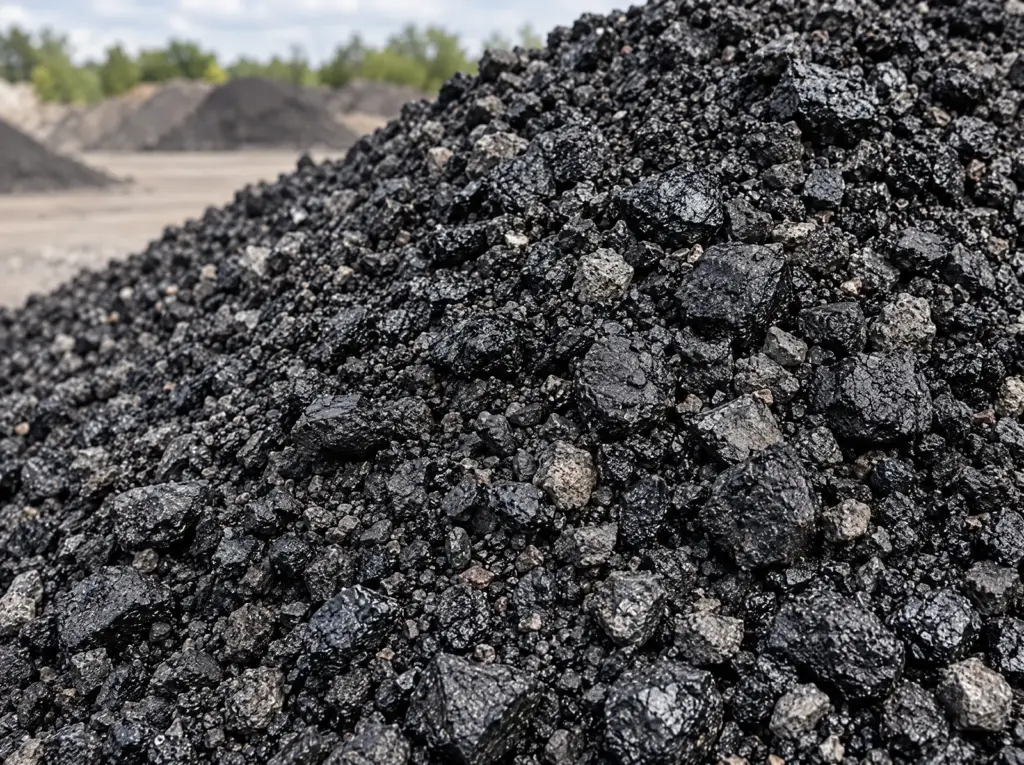
An asphalt millings driveway starts with reclaimed asphalt pavement that has been milled off old roads, then crushed and screened into small chunks and fines. Once compacted, those pieces lock together into a dense, dark surface that sheds water and holds up under the weight of cars, trucks and trailers. The black color gives a driveway the look of paved asphalt without the cost or curing time of a fresh asphalt pour. Asphalt Millings come from actual road material, so the mix already contains the fines and oils that help it bind once it is rolled or plate compacted.
Because millings compact tighter than loose stone, they resist rutting and washboarding better than an unbound gravel surface, especially on a driveway with any slope. They also drain reasonably well once compacted, which cuts down on standing puddles compared to a driveway sitting over a soft or clay heavy subgrade. In cold climates, a well compacted millings surface also handles freeze and thaw cycles better than a thin layer of loose stone, since there is less material for frost to heave.
Design and Sizing Choices
Millings work as a single travel lane, a full parking pad in front of a garage, or an apron beside a barn or shop. Because the material compacts into a solid surface, it can be laid at a consistent width without the edge creep that loose gravel gets when tires push stone outward over time. A gentle crown down the center, or a slight cross slope, keeps water moving off the surface toward the yard instead of pooling in the middle of the drive.
Some homeowners run millings the full length of the driveway. Others use it as a top layer over a gravel base and reserve driveway gravel for a lower shoulder or a turnaround area where a lighter, easier to regrade material is more practical. For a side by side look at how the two options differ in appearance and upkeep, the asphalt millings vs gravel comparison breaks down the tradeoffs.
A defined edge, whether that is a timber border, a row of larger stone, or simply a clean grade line, keeps the compacted millings from spreading into the lawn over time and gives the driveway a finished look. Where the driveway meets a garage floor or a public road, a slightly tapered transition avoids a lip that catches a vehicle's undercarriage.
Depth, Base and Quantity
A compacted base layer of crushed stone under the millings gives a driveway a stable foundation, especially over soft or clay soil. On a well drained, already established gravel driveway, a fresh base layer often is not needed. The millings themselves are typically spread and compacted to a finished depth of about 2 to 3 inches on a driveway that carries regular vehicle traffic, with the base layer adding several more inches of depth on soft ground.
To work out how much material to order, multiply the driveway's length in feet by its width in feet by the depth in inches, then divide by 324 to get cubic yards. A driveway 50 feet long and 12 feet wide at a 3 inch compacted depth comes out to about 5.6 cubic yards. Since Asphalt Millings weigh about 2,400 pounds per cubic yard and sell by the ton, that same driveway needs roughly 6.7 tons of material. The asphalt millings calculator runs those numbers automatically once your driveway's length, width and target depth are entered, which is a faster and more accurate way to plan an order than estimating by eye.
Installation Steps
The same general sequence applies whether the driveway is brand new or being resurfaced with millings, though a resurfacing job can often skip the base preparation steps.
- Clear the area of grass, roots and loose topsoil, and grade it so water drains away from the house or any nearby structures.
- Compact the subgrade, then add and compact a base layer of crushed stone if the existing ground is soft, wet or clay heavy.
- Spread the millings in even layers no more than about 2 inches thick per pass, since compacting too much material at once leaves the bottom loose.
- Compact each layer with a plate compactor or a roller, working from the edges toward the center and making several passes.
- Check the surface for low spots or standing water after a rain and add material where needed before a final compaction pass.
Installing in dry weather, and giving the surface a few warm days to firm up afterward, generally gives a tighter bond than compacting millings that are soaked through or laid just before a heavy rain.
Maintenance and Common Mistakes
A millings driveway needs less upkeep than loose gravel, but a few habits keep it performing well for years. Regrade and recompact any ruts or low spots as soon as they show up, since a soft spot left alone tends to widen every time a vehicle drives over it. Keep the surface crowned so water sheds to the sides instead of sitting on top, since standing water is what breaks a compacted surface down over freeze and thaw cycles.
The most common installation mistake is skipping compaction, or only rolling the top pass, which leaves the layers underneath loose and prone to rutting later. A close second is spreading millings too thin over a soft base, which lets the surface flex and crack under vehicle weight instead of carrying the load. A third is ignoring drainage under trees or along a shaded fence line, where wet ground stays soft longer and wears a rut faster than the rest of the driveway. Compacting in thin layers rather than one thick pass, and addressing wet spots early, solves most of these problems.
Ordering an Asphalt Millings Driveway
Asphalt Millings are sold and delivered by the ton, not by the load or the cubic yard, so the amount ordered should match what the calculator returns for the driveway's dimensions. Delivered pricing is quoted by ZIP code, since hauling distance and site access affect the cost of getting material to a property. Running the numbers through the asphalt millings calculator before ordering helps avoid coming up short mid project or paying to haul away leftover material.
Ordering ahead of an installation date, rather than the day before, gives more flexibility on delivery timing, especially during busier construction months. Confirming that a delivery truck can access the driveway location, including turnaround space and any low branches or wires, helps avoid delays on delivery day. A short walk of the site beforehand, checking for gates, slopes or soft ground the truck would need to cross, is worth the time before material shows up.
Asphalt Millings for this project
Related project guides
Browse more
Related guides
 GUIDEWhat to Put Under River Rock for Landscaping BedsHere is what to put under river rock landscaping: a compacted base where needed, then landscape fabric, then rock, to stop weeds and settling.Read guide →GUIDEHow to Clean River Rock and Restore Its ColorLearn how to clean river rock landscaping with rinsing, soap and vinegar methods, plus common mistakes to avoid for a brighter, longer lasting rock bed.Read guide →
 GUIDEHow to Lay a Gravel Driveway: Step-by-Step GuidePractical, field-tested guide: how to lay gravel driveway. Pulled from real US installer notes and 2026 supplier price data.Read guide →
 GUIDEDoes Gravel Stop Weeds? Honest Answer + What WorksPractical, field-tested guide: does gravel stop weeds. Pulled from real US installer notes and 2026 supplier price data.Read guide →
Frequently Asked Questions
Can asphalt millings go directly over dirt, or does a driveway need a base first?
On firm, well drained soil, millings can be compacted directly onto the graded subgrade. On soft, wet or clay heavy ground, a base layer of crushed stone under the millings gives the driveway a stable foundation and keeps the surface from rutting under vehicle weight. Checking how the ground drains after a rain is a simple way to tell which situation applies.
How thick should the millings layer be on a driveway?
Most driveways use a compacted finished depth of about 2 to 3 inches of millings over a graded, and if needed stone, base. Spreading and compacting the material in layers of roughly 2 inches at a time, rather than dumping the full depth in one pass, produces a denser, more durable surface that resists rutting under regular vehicle traffic.
Do asphalt millings need to be compacted after they are spread?
Yes. Compaction is what turns loose millings into a solid, bound surface. Skipping it, or only rolling the top layer, leaves material underneath loose and prone to shifting and rutting under tires. A plate compactor or roller, run in several passes over each thin layer, locks the pieces together and gives the driveway the density it needs.
How long does an asphalt millings driveway typically hold up?
A well built millings driveway, with a proper base and full compaction, can perform for years before it needs fresh material on top. Life span depends on traffic volume, drainage and how quickly ruts or low spots get repaired. Keeping the surface crowned for drainage and reworking soft areas promptly are the biggest factors in how long it lasts.
Can millings be installed over an existing gravel driveway?
Yes, millings can be spread and compacted directly over an existing, well drained gravel driveway as a top layer, which is a common way to upgrade a loose stone drive to a firmer, more compacted surface. The existing gravel effectively acts as the base layer, so a separate stone base usually is not needed if it is in good condition and properly graded.
Do asphalt millings soften or get sticky in hot weather?
A fully compacted millings driveway is generally stable in normal summer heat, since compaction reduces the amount of loose surface material that could soften. Very high temperatures on fresh, uncompacted millings can feel slightly tacky underfoot for a short period right after installation, which is one more reason thorough compaction immediately after spreading matters.
How do you keep weeds from growing through a millings driveway?
A dense, well compacted layer of millings leaves little room or light for weed seeds to take hold, which is an advantage over a thin layer of loose gravel. Keeping the surface compacted, filling in cracks or low spots promptly and clearing organic debris off the driveway are the main ways to keep growth from establishing over time.
Is an asphalt millings driveway the same thing as a fully paved asphalt driveway?
No. A paved asphalt driveway is hot mixed asphalt laid and rolled while warm, then cured into one continuous surface. An asphalt millings driveway uses crushed, reclaimed asphalt pieces that are compacted cold into a dense but granular surface. Millings install faster and with lighter equipment, but the finished surface is not a solid, continuous slab.