Driveway Gravel in Huntsville, TX
Material picks, pricing, and pro tips for driveway gravel projects in Huntsville, TX.
What Huntsville drivers need in a gravel driveway
Huntsville sits near the Houston metropolitan area, where hot summers and occasional heavy rain put driveways through their paces. A gravel driveway here needs material that drains quickly and holds up under the clay and sandy soils common in the region. Driveway Gravel work in Huntsville depends on choosing the right base material and understanding your local conditions.
Selecting stone or millings for Huntsville
Two main materials work best for driveways in Huntsville. #57 Crushed Stone is angular, durable, and compacts into a solid surface over time. The jagged edges lock together and resist displacement under vehicle traffic. Asphalt Millings are recycled pavement fragments that compact firmly and cut dust better than fresh stone. Each of these materials is sold per ton. Stone typically costs more per ton but lasts longer between refresh cycles. Millings compact faster and often need less maintenance, though they should be recompacted every few years as they settle.
Calculating depth and material quantity
Start with your driveway length and width in feet. Multiply those numbers, then multiply the result by 4 (for a standard 4-inch depth) and divide by 324. This gives you cubic yards. Convert to tons by multiplying cubic yards by 1.35 for stone or 1.5 for millings. Use the calculator inside the how-much-to-order section to run these numbers faster and see pricing for your specific needs. Most Huntsville driveways require between 3 and 15 tons. Orders exceeding 15 tons include complimentary delivery.
Building in Huntsville's climate and soil conditions
East Texas summers are humid and warm, and the region sees scattered thunderstorms that can soften unprepared sites. Gravel driveways in Huntsville benefit from a slight crown down the center to shed water to the shoulders. The clay and sandy soil mix in the area can become muddy during extended rain, so laying landscape fabric or old tarp under your gravel prevents soil from working up into the stone. A solid base layer keeps the driveway intact longer and reduces the need for frequent raking. Nearby Conroe experiences similar conditions, and gravel driveways are common throughout the region for these same reasons.
Getting gravel delivered to your Huntsville home
Place your order online and confirm your driveway address and contact information. Delivery windows vary by volume: orders under 8 tons typically arrive in 1 to 2 business days, and larger loads often ship same or next day. Our team can drop the material in your driveway, at the end of the driveway, or near your property entrance, depending on site access. Many customers spread and compact the material themselves for control and lower cost. Contractors in the Huntsville area are available for spreading and compacting if you prefer professional installation.
About Driveway Gravel projects
A gravel driveway provides a cost-effective, attractive alternative to asphalt or concrete for rural and suburban properties. These driveways drain well, suppress dust, and are easy to maintain with periodic raking and top-off material.
Recommended materials for driveway gravel
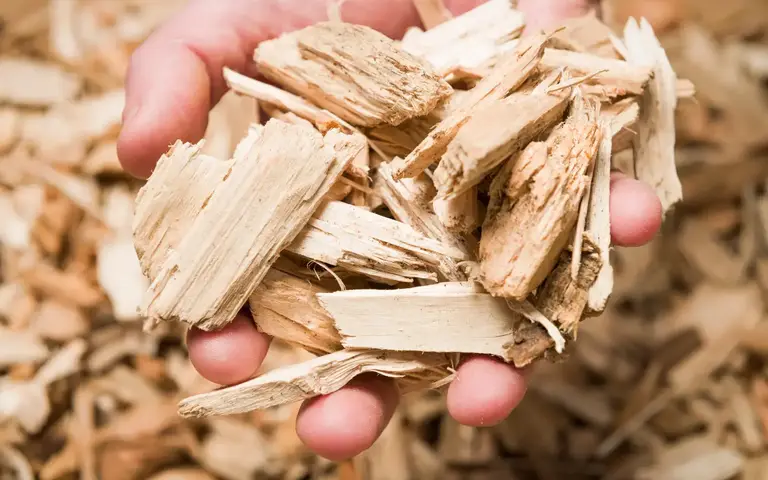 Price by ZIP
- Density600 lb/yd³
- ColorNatural wood
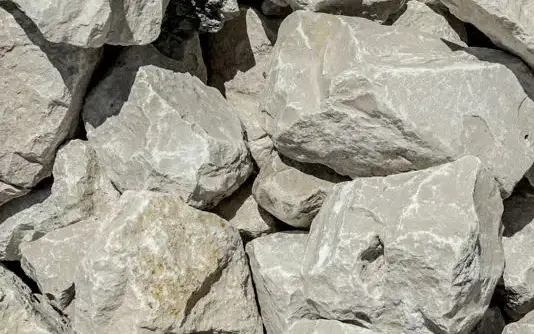 Price by ZIP
- Size4 - 9″
- Density2700 lb/yd³
- ColorGray
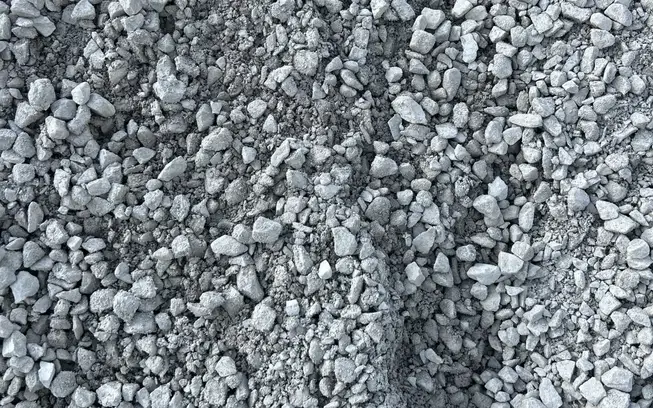
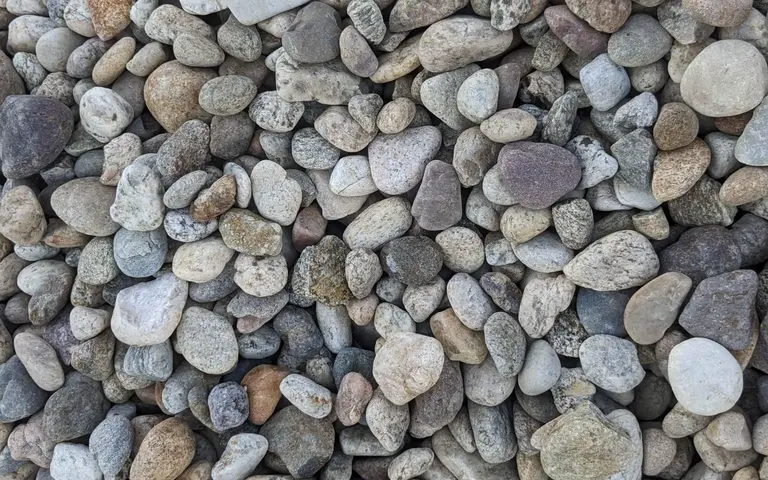 Price by ZIP
- Size1 - 3″
- Density2700 lb/yd³
- ColorMixed natural
 Price by ZIP
- SizeDense-graded, varies
- Density2850 lb/yd³
- ColorGray
How a driveway gravel project goes
- Plan your driveway dimensionsMeasure your driveway by recording both length and width in feet. Huntsville driveways typically range from 150 to 400 square feet. Include any turnarounds or parking areas in your measurement.
- Choose between stone and millings#57 crushed stone offers excellent durability and a classic appearance. Asphalt millings compact over time, reduce dust, and cost less. Both are sold by the ton, and the best choice depends on your budget and preferences.
- Calculate your material needsUse the calculator to find how much material your driveway requires. Most Huntsville driveways need 3 to 15 tons of gravel. A 4-inch depth is standard and provides good traction and drainage.
- Prepare the baseRemove grass and weeds. Grade the area so water runs off to the sides. A stable, level base prevents washboard and ruts. Lay landscape fabric if you want to reduce weed growth under the gravel.
- Receive and spread your materialOur delivery team will unload your gravel in a pile. Spread it evenly with a rake or shovel. Water lightly and compact with a roller. The driveway is ready to use in one day.
Estimate your material
Calculate Your Project
Estimate only. Add 10-15% for compaction and waste.
Driveway gravel in Huntsville's climate
What works in Huntsville starts with how Texas weathers a year. Hot, dry summers and short mild winters. Drainage runs through dry topsoil quickly, so coarser stone holds shape better than fine grit. For driveway gravel work specifically, that means choosing material that handles local moisture and traffic loads without re-dressing every season.
The small market profile of Huntsville also shapes how a project runs. Most jobs are residential, with the occasional school or municipal project. Truck access is usually wide and turnarounds run fast.
Where we deliver driveway gravel material in Huntsville
Our delivery footprint around Huntsville covers the core city plus a typical 35-mile radius. Recent driveway gravel drops have included:
- older single-family blocks in and around Huntsville
- newer subdivisions on the outskirts in and around Huntsville
- commercial pad sites near the freeway in and around Huntsville
- horse properties on the rural edge in and around Huntsville
If your address is outside that radius, send your ZIP through the contact form and we will confirm coverage within an hour.
Pricing for driveway gravel in Huntsville
Here is what the recommended driveway gravel materials are running in Huntsville right now. Full-truck orders (16 tons or more) typically save 15 to 20 percent off these per-ton rates.
| Material | Price from |
|---|---|
| Wood Chips Delivery in Huntsville, TX | Quote on request |
| Riprap Med Delivery to Huntsville, Texas | Quote on request |
| River Rock Delivery in Huntsville, TX | Quote on request |
| Road Base Delivery in Huntsville, TX | Quote on request |
Browse more
Recommended materials in Huntsville
Same project in nearby cities
Tools to plan your project
Related guides
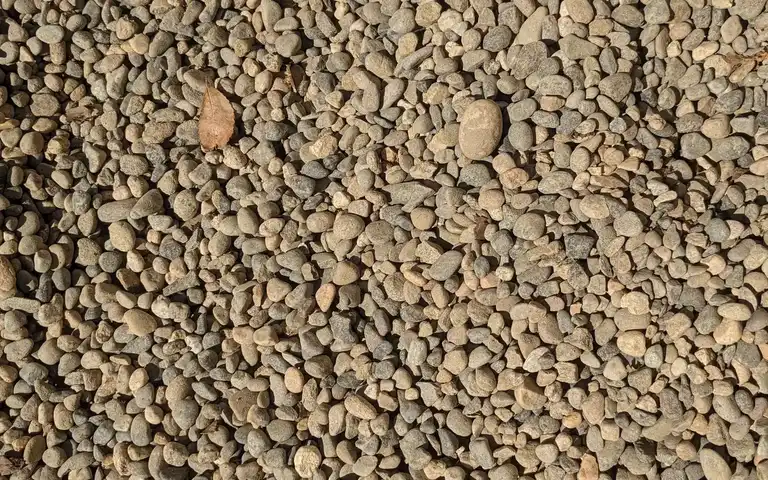 GUIDEHow Much Does Gravel Cost? A Practical Pricing GuideHow much does gravel cost and why does it vary? See the real factors behind ton pricing, delivery, and order size before you buy.Read guide →
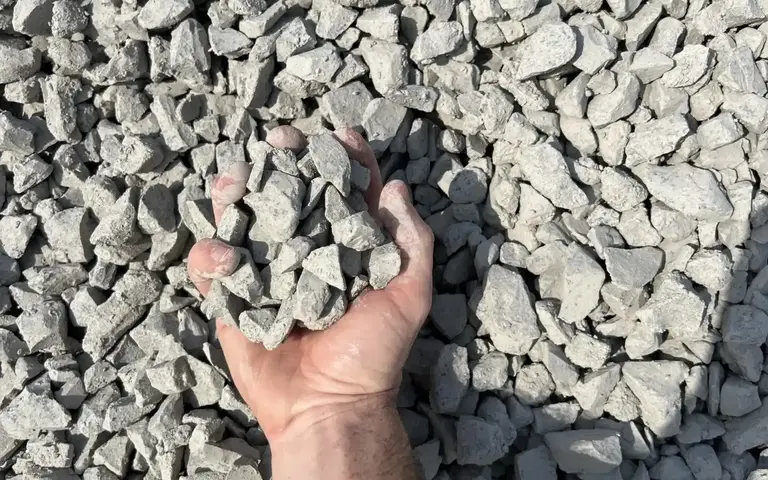 GUIDEGravel Size Chart: Pea Gravel to Crushed StoneA gravel size chart showing pea gravel, crushed stone and river rock diameters side by side, so you can match the right size to your project.Read guide →GUIDEThe Different Types of Gravel and How to ChooseA plain-language guide to the main types of gravel, covering pea gravel, crushed stone, river rock and decomposed granite.Read guide →
 GUIDEWhat Are Screenings? A Guide to Crushed Stone FinesScreenings are fine crushed stone used for paver bases, joint fill and walkways. See what screenings are, common types, and mistakes to avoid.Read guide →
Frequently Asked Questions
What is the standard depth for a gravel driveway?
A 4-inch depth is standard for residential driveways and provides good traction and drainage under normal use. In areas with heavy traffic or clay soil, 5 inches offers better longevity. Each additional inch adds roughly 33 percent more material, so adjust your calculator estimate if you want to try deeper depths.
How much does gravel dust affect the area around my driveway?
Fresh stone does shed fine particles, especially in wind and during dry weather. Asphalt millings compact tighter and generate less dust than crushed stone. Water your driveway lightly in dry periods to reduce dust. Gravel settles and compacts within the first few weeks of use, which significantly cuts dust generation.
How often do I need to add new gravel?
Most gravel driveways need a top-off layer every 2 to 3 years, depending on traffic, weather, and material type. A half-inch to 1-inch refresh is usually sufficient. Asphalt millings may need less frequent refreshing because they compact and adhere to themselves.
Can I combine crushed stone and asphalt millings?
Mixing them is not recommended. The two materials compact differently and can separate under traffic. Stick with one material for your base and future top-offs. If you want to switch, remove the old material or apply the new layer deep enough that shifting is unlikely.
What does number 57 crushed stone mean?
Number 57 stone is a standard aggregate mix of gravel and stone particles ranging from dust to about 1 inch, with most pieces under a half-inch. The angular shape locks pieces together as traffic compacts the surface. It is widely used for driveways, parking areas, and road bases.
How do I prevent washboard or ruts in my gravel driveway?
Rake and level your driveway every few months, especially after heavy rain. A slight crown down the center helps water shed rather than pool. Using a compactor when you refresh the gravel reduces ruts significantly. Sharper-edged stone compacts better than rounded gravel.
Is asphalt millings safe for the environment?
Asphalt millings are recycled pavement material widely accepted for residential driveways. They contain bitumen, a standard road component. Light seeping is normal; heavy rain typically does not cause significant leaching into surrounding soil. Check with your local authority if environmental sensitivity is a major concern.
Can I install a gravel driveway myself?
Yes, most homeowners can handle grading, laying fabric, and spreading gravel in a weekend. Renting a compactor, available at local equipment rental shops, costs less than contractor installation and takes a few hours for most driveways.