Walkway Gravel in Miami, FL: Materials and Ordering
Material picks, pricing, and pro tips for walkway gravel projects in Miami, FL.
What a Miami Walkway Project Needs
A gravel walkway in Miami has to handle sun, sudden downpours and daily foot traffic without turning to loose stone underfoot. Walkway Gravel works well for front paths, side yards and garden trails across Miami-Dade, Florida, because it drains fast and never needs the resealing that pavers or concrete demand. Miami anchors the Miami-Fort Lauderdale-Pompano Beach metro and packs roughly 440,000 residents into a compact city footprint, so lots often run smaller and closer together than in the surrounding suburbs, which is one reason path width and edging both matter here. Homeowners usually want a material that reads clean against tropical landscaping, holds its line along a curve and will not track indoors after a storm. Pea gravel, decomposed granite and #89 crushed stone cover those needs in different ways, and the right pick depends on the look you want and how hard the path gets used.
Picking Walkway Gravel and Size for a Miami Path
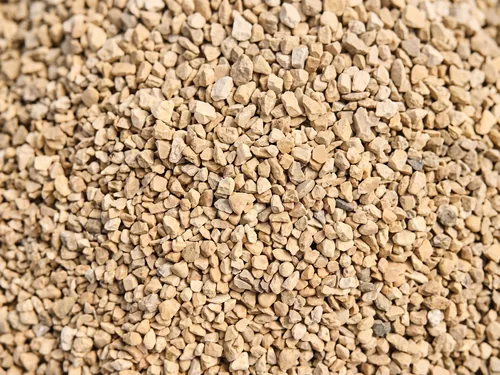
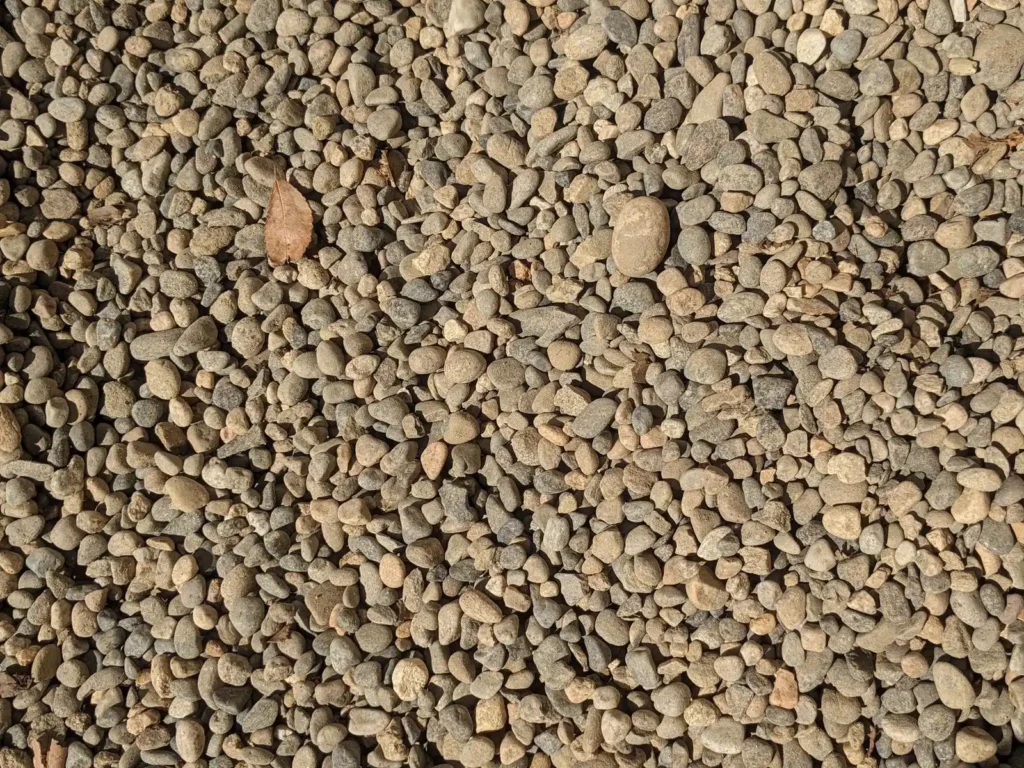
Pea Gravel is the softest option underfoot, rounded from age rather than crushing, so bare feet and pets handle it comfortably along a garden route. It settles into a firm surface once compacted but still shifts a little if you walk the same line every day, which some owners like for the crunch and others find loose. Decomposed Granite compacts into a much harder, nearly solid surface with a warm tan color that suits a more formal entry path or a route that needs to stay level for a wheelbarrow. #89 Crushed Stone is angular rather than rounded, and that angularity is what locks it together for a base layer under either finish material. Most Miami walkways use one of the finer materials on top with a compacted base underneath rather than a single loose layer.
South Florida Ground Conditions to Plan Around
Much of Miami sits on porous limestone with a thin layer of sandy soil above it, so water usually drains down rather than pooling on the surface once a path is graded correctly. The exception is low-lying yards near canals or older neighborhoods with heavier fill, where standing water after a storm is common and a path needs a slight crown to shed it. Long, humid summers and an active rainy season mean any base you skip will show up as ruts or soft spots within a season, not years. Salt air near the coast has little effect on stone or granite, unlike metal edging, which is worth keeping in mind when you plan the border.
Depth, Base and How Much to Order
Two inches of finish material over two to three inches of compacted base is the standard depth for a walkway that only carries foot traffic; add an inch to the base if the route crosses soft or low ground. Multiply your path's length in feet by its width in feet, multiply that result by the depth in inches, then divide by 324 to land on a rough ton figure, and run the same numbers through the calculator to confirm the order before you buy. A typical four foot wide, forty foot long path at that depth comes out to a little over two tons between the base and the finish layer combined. Pea gravel, decomposed granite and #89 crushed stone all check out by the ton, not the cubic yard, so whatever the calculator returns is the number to order.
Delivery and Getting Your Walkway Started
Material for a Miami project ships through delivery in Miami, with orders of 15 tons or more shipping free and smaller loads arriving for a delivery fee that drops as the order size grows. Cities nearby, including Hialeah, Miramar, Hollywood, Pembroke Pines and Davie, draw on the same delivery network, so timing stays consistent across the area. Order once you have measured the route and settled on a base and finish combination; most homeowners spread and compact the same day the material arrives, since gravel does not need curing time the way concrete does.
About Walkway Gravel projects
Walkway gravel is loose or compacted stone laid along a footpath, garden trail or side-yard route instead of pavers or poured concrete. It drains on its own, costs less than hardscape per square foot, and can be reshaped or widened easily if the route changes later.
Recommended materials for
How a walkway gravel project goes
- Measure and mark the routeLay out the path with stakes or a hose, including any curves around planting beds or the front entry. Record the length and width in feet so the tonnage math and the calculator both start from the same numbers before you order.
- Excavate and set the sub-gradeRemove sod and loose soil along the marked route to make room for the compacted base plus the finish depth, typically four to five inches combined. Keep the trench edges straight so edging sits flush once it goes in.
- Install edgingSet metal, plastic or paver edging along both sides of the path before any stone arrives. Edging keeps pea gravel or decomposed granite from spreading into lawn or beds after Miami's heavier rain events.
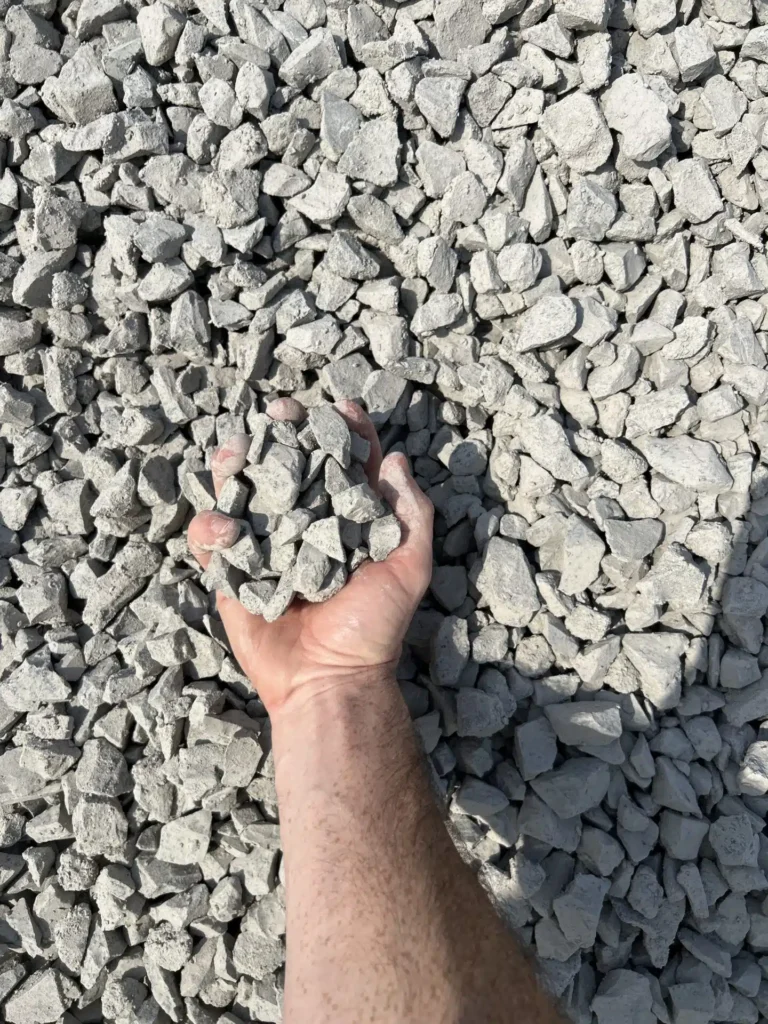
- Apply and tamp the foundation layerAdd #89 crushed stone or another angular base material two to three inches deep over the prepared sub-grade. Compact it firmly with a plate compactor or hand tamper so it will not shift under the finish layer.
- Add and compact the finish layerSpread pea gravel or decomposed granite about two inches deep over the compacted base and rake it level. Lightly tamp decomposed granite so it locks together; pea gravel needs only a light rake to settle.
Estimate your material
Calculate Your Project
Estimate only. Add 10-15% for compaction and waste.
Walkway gravel in Miami's climate
Picking the right material for a walkway gravel project in Miami comes down to how the climate treats it. Subtropical humidity with heavy seasonal rain. Drainage capacity matters more than freeze tolerance, and limestone-based aggregates are widely available. For walkway gravel work specifically, that means choosing material that handles local moisture and traffic loads without re-dressing every season.
The small market profile of Miami also shapes how a project runs. Most jobs are residential, with the occasional school or municipal project. Truck access is usually wide and turnarounds run fast.
Where we deliver walkway gravel material in Miami
Our delivery footprint around Miami covers the core city plus a typical 35-mile radius. Recent walkway gravel drops have included:
- central historic streets in and around Miami
- cul-de-sac neighborhoods in and around Miami
- small farms on the city edge in and around Miami
- retail centers with parking expansions in and around Miami
If your address is outside that radius, send your ZIP through the contact form and we will confirm coverage within an hour.
Pricing for walkway gravel in Miami
Here is what the recommended walkway gravel materials are running in Miami right now. Full-truck orders (16 tons or more) typically save 15 to 20 percent off these per-ton rates.
| Material | Price from |
|---|---|
| Bulk Mulch Delivery in Miami, FL by the Cubic Yard | Quote on request |
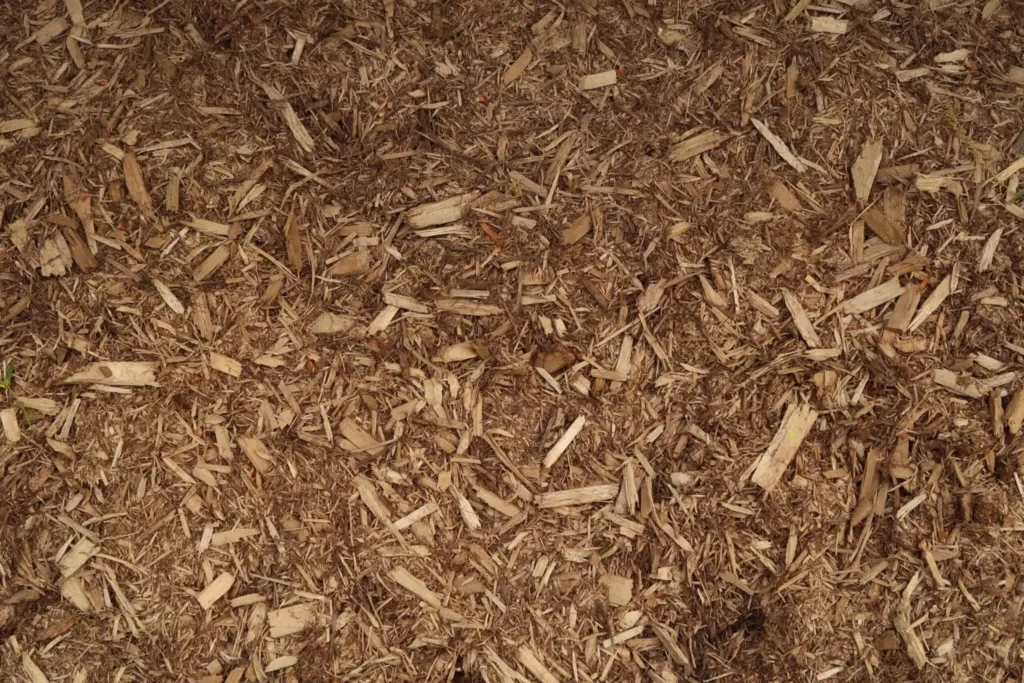
| Wood Chips Delivery in Miami, FL | Quote on request |
| Riprap Med Delivery in Miami, FL | Quote on request |
| Red Mulch Delivery in Miami, FL | Quote on request |
Browse more
Recommended materials in Miami
Same project in nearby cities
Tools to plan your project
Related guides
 GUIDEWhat Size Crushed Stone Goes Under a Concrete SlabMost slabs need 4 to 6 inches of compacted crushed stone underneath. What size crushed stone under a concrete slab needs, and why it matters.Read guide →GUIDEWhat Is Crushed Stone? Sizes, Uses and Buying BasicsCrushed stone is quarried rock crushed and screened into angular pieces sold by the ton. Here is what it is, how it is graded, and where to use it.Read guide →
 GUIDEHow Much Does Gravel Cost? A Practical Pricing GuideHow much does gravel cost and why does it vary? See the real factors behind ton pricing, delivery, and order size before you buy.Read guide →GUIDEGravel Size Chart: Pea Gravel to Crushed StoneA gravel size chart showing pea gravel, crushed stone and river rock diameters side by side, so you can match the right size to your project.Read guide →
Frequently Asked Questions
Is pea gravel or decomposed granite better for a Miami walkway?
Pea gravel is comfortable underfoot, with a loose, rounded texture that some owners enjoy and others find shifts over time. Decomposed granite for a casual garden trail.
How deep should a walkway gravel base be in Miami?
Plan for two to three inches of compacted base material, usually #89 crushed stone, topped with about two inches of pea gravel or decomposed granite as the finish layer. Low or poorly draining yards benefit from an extra inch of base so water moves through instead of pooling on the surface after a storm.
Will Miami rain wash the gravel away?
A properly compacted base and edging on both sides keep loose stone in place through normal rain. Heavy, sudden downpours can carry away material on a path with no edging or one built on a steep slope, so edging matters more here than in drier climates. Grading the path with a slight crown also helps water shed instead of pool.
Do I need a weed barrier under the gravel?
A woven landscape fabric under the base layer is common practice and cuts down on weeds pushing up through the stone. It also keeps the base and native Miami soil from mixing over time, which helps the path stay level. Skip fabric only if you plan to rake and refresh the surface regularly.
How many tons of gravel does a typical Miami walkway need?
It depends on length, width and depth, but a four foot wide path forty feet long at a combined four inch depth runs a little over two tons for base and finish material together. Use the calculator with your own measurements for an exact figure, since narrower or shorter paths need noticeably less.
Can I mix pea gravel and decomposed granite on the same path?
Yes, many Miami homeowners use #89 crushed stone as a hidden base layer and then choose either pea gravel or decomposed granite as the visible finish, rather than mixing two finish materials together. Blending two finish stones on the surface usually looks patchy once foot traffic starts moving them around.
How long does a gravel walkway last in South Florida?
A well built base holds up for many years with only occasional top-ups of the finish layer. Humidity and rain do not break stone or granite down the way freeze and thaw cycles do farther north, so most of the wear here comes from foot traffic pushing material out of place rather than the material breaking down.
What is the fastest way to get gravel delivered to a Miami address?
Order through delivery in Miami and enter your address for a delivered rate and an estimated arrival window. Orders of 15 tons or more ship free, and smaller orders still typically arrive within a few business days depending on how the material is scheduled that week.