
Walkway Gravel Memphis TN: Materials, Depth, Delivery
Material picks, pricing, and pro tips for walkway gravel projects in Memphis, TN.
Planning a walkway gravel project in Memphis
Memphis sits on bluffs above the Mississippi River, and much of the city carries the heavy clay soil typical of West Tennessee, which holds water rather than letting it pass through quickly. A gravel walkway gives you a stable, well-drained path between a driveway, a garden bed or a back door without the cost of poured concrete. The city's hot, humid summers and steady year-round rainfall mean drainage matters as much as the stone you pick. Walkway gravel in Memphis works best when the base underneath is built for this soil rather than borrowed from a drier region's playbook. The sections below cover material choice, local conditions, quantity and delivery for a Memphis build.
Choosing walkway gravel in Memphis, TN
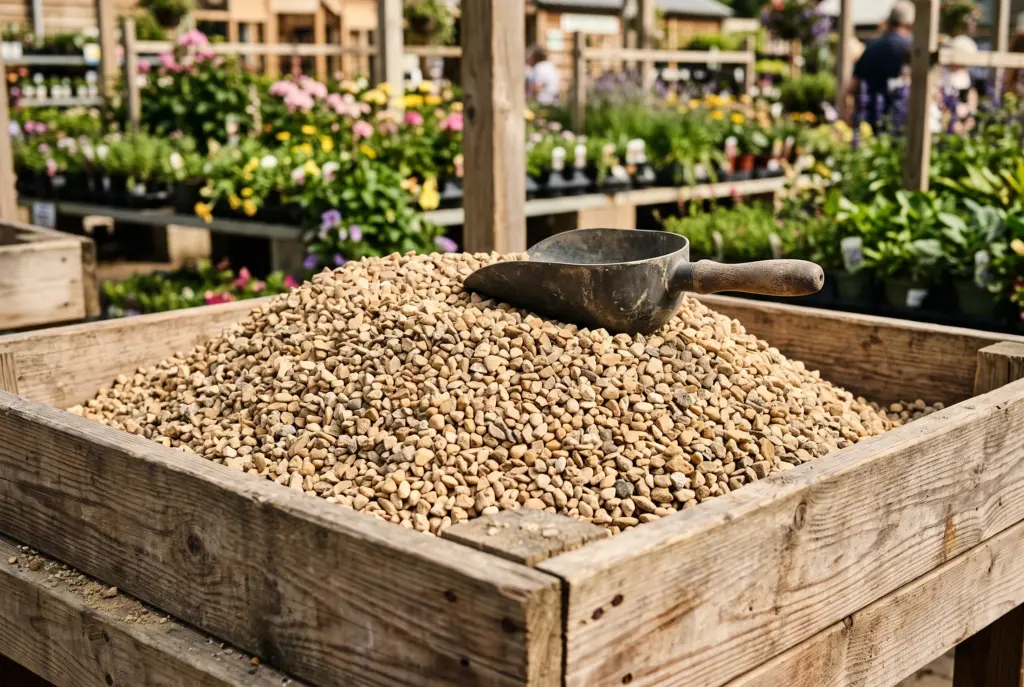
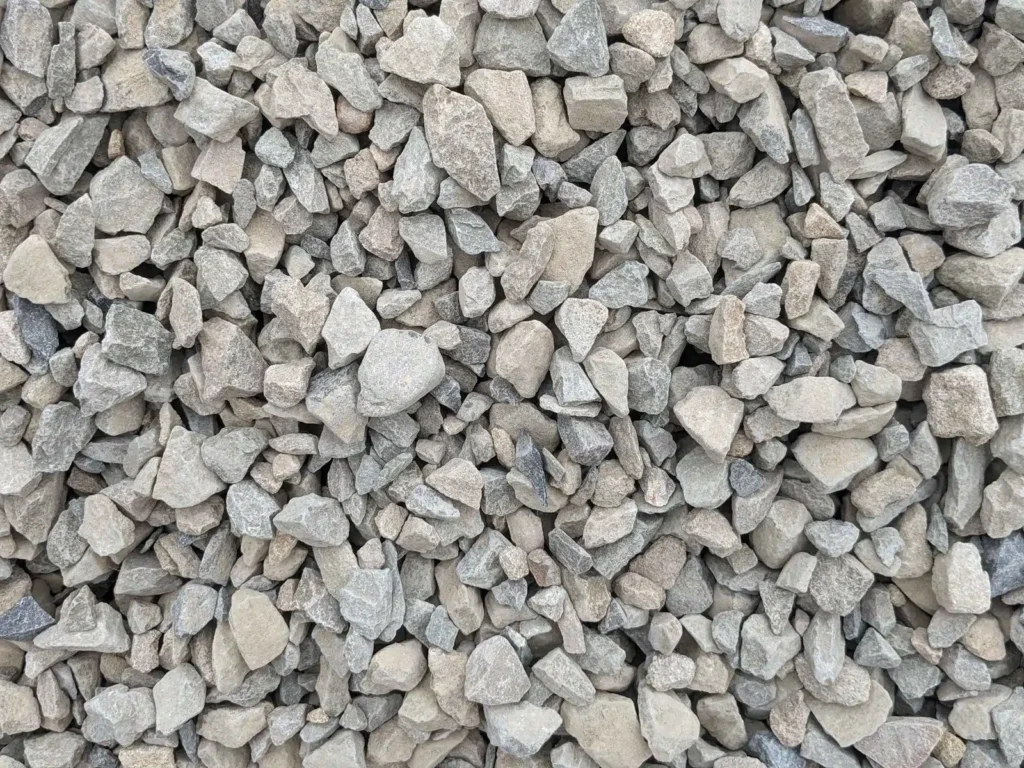
Three materials are stocked for walkway projects here, and each suits a different priority. Pea gravel is rounded and comfortable underfoot, a good fit for a casual garden path where bare feet or pets will use it often. Decomposed granite compacts tight and sheds water fast, which makes it a strong pick where the clay base is soft and drainage is the top concern. #89 crushed stone is angular and locks together once compacted, giving the firmest, most stable surface of the three for a route that sees heavier or more frequent traffic. All three are priced and delivered by the ton, not the cubic yard, so your order total will always be a ton figure regardless of which one you pick.
Local soil and climate to build around
Memphis gets a humid subtropical climate with hot summers, mild winters and rainfall spread fairly evenly across the year, occasionally arriving as heavy downpours rather than steady drizzle. The clay that sits under most Memphis yards drains slowly, so water tends to sit rather than soak away on its own. A gravel path built straight on that clay without a base layer will pump mud between the stones after a storm and eventually sink out of shape. Decomposed granite handles this soil especially well because it compacts into a near-solid surface that sheds rain instead of absorbing it. Whichever material you choose, a proper base layer is what keeps clay from working its way up through the top stone.
Depth, base and how much material to order
A typical walkway runs two to three feet wide at a depth of two to three inches in finished material, set over a matching two to three inch base of sand or crushed stone. To size the order, multiply your path's length in feet by its width in feet by the depth in inches, then divide that total by 324 to get cubic yards, and convert to tons using the material's density. Run those same numbers through the calculator if you would rather skip the manual conversion. Most single walkways fall between three and eight tons once the base and finish layer are both included, with wider or longer paths pushing that figure up.
Delivery and getting the project started
Orders in the three to eight ton range arrive within one to two business days and carry a standard delivery charge. Reach 15 tons on a single order, whether that is one large walkway or a combined project with another aggregate, and the delivery charge is waived entirely. Confirm current timing through delivery in Memphis before you schedule the work. Given how frequently rain shows up here, plan to spread material the same day it arrives rather than letting a delivered pile sit through a wet forecast, and keep a rake, tamper and edging ready to go straight from drop-off to finished path.
About Walkway Gravel projects
A gravel walkway is a compacted stone path that replaces bare dirt or a worn grass strip with a surface that drains well and holds its line. Memphis homeowners use it for garden paths, side-yard routes and connectors between a patio and the rest of the property.
Recommended materials for
How a walkway gravel project goes
- Lay out the path and size the orderMark the route with stakes or spray paint and record its length, width and target depth. Run those figures through the walkway calculator to convert them into tons, then round up a bit to cover settling once foot traffic starts.
- Excavate and shape the trenchCut out sod and loose soil to a uniform depth along the whole route, then grade it so water moves away from the house rather than pooling in the middle. Memphis clay compacts hard once it is graded, so take the time to get the slope right here.
- Build a compacted base layerSpread two to three inches of sand or crushed stone over the graded trench and tamp it firm. This layer keeps whichever top material you choose from sinking into Memphis's clay soil after the area's frequent rain.
- Place the chosen materialSpread pea gravel, decomposed granite or #89 crushed stone evenly across the base to your target depth, working section by section. Rake as you go so the surface stays level rather than building up in ridges near the starting point.
- Compact, edge and plan upkeepTamp the finished surface to lock the material in place, adding edging anywhere the path meets a lawn or bed. Budget for an annual rake and a light top-up, since Memphis's rainfall moves loose material more than a drier climate would.
Estimate your material
Calculate Your Project
Estimate only. Add 10-15% for compaction and waste.
Walkway gravel in Memphis's climate
Picking the right material for a walkway gravel project in Memphis comes down to how the climate treats it. Warm humid summers and mild winters. Limestone and granite are stocked at most regional quarries. For walkway gravel work specifically, that means choosing material that handles local moisture and traffic loads without re-dressing every season.
The small market profile of Memphis also shapes how a project runs. Most jobs are residential, with the occasional school or municipal project. Truck access is usually wide and turnarounds run fast.
Where we deliver walkway gravel material in Memphis
Our delivery footprint around Memphis covers the core city plus a typical 35-mile radius. Recent walkway gravel drops have included:
- central historic streets in and around Memphis
- cul-de-sac neighborhoods in and around Memphis
- small farms on the city edge in and around Memphis
- retail centers with parking expansions in and around Memphis
If your address is outside that radius, send your ZIP through the contact form and we will confirm coverage within an hour.
Pricing for walkway gravel in Memphis
Here is what the recommended walkway gravel materials are running in Memphis right now. Full-truck orders (16 tons or more) typically save 15 to 20 percent off these per-ton rates.
| Material | Price from |
|---|---|
| Mulch Memphis TN: Cubic Yard Delivery and Pricing | Quote on request |
| Wood Chips Delivery in Memphis, TN | Quote on request |
| Riprap Med Delivery in Memphis, TN | Quote on request |
| Red Mulch Delivery in Memphis, TN | Quote on request |
Browse more
Recommended materials in Memphis
Same project in nearby cities
Tools to plan your project
Related guides
 GUIDEHow to Lay a Gravel Driveway: Step-by-Step GuidePractical, field-tested guide: how to lay gravel driveway. Pulled from real US installer notes and 2026 supplier price data.Read guide →
 GUIDEDoes Gravel Stop Weeds? Honest Answer + What WorksPractical, field-tested guide: does gravel stop weeds. Pulled from real US installer notes and 2026 supplier price data.Read guide →
 GUIDEHow Much Gravel Do I Need? Quick Sizing GuidePractical, field-tested guide: how much gravel do i need. Pulled from real US installer notes and 2026 supplier price data.Read guide →
 GUIDEWhat Is #57 Stone? Uses, Size, and Cost ExplainedPractical, field-tested guide: what is 57 stone. Pulled from real US installer notes and 2026 supplier price data.Read guide →
Frequently Asked Questions
Which of the three materials works best for Memphis clay?
Decomposed granite handles clay-heavy Memphis soil especially well since it compacts into a near-solid surface that sheds water rather than letting it pool. Pea gravel and #89 crushed stone both work too as long as a proper base layer separates them from the clay underneath. All three are sold by the ton, so material cost scales the same way regardless of which you choose.
What is the difference between pea gravel and #89 crushed stone?
Pea gravel is rounded and smooth, comfortable for bare feet and casual paths. #89 crushed stone is angular and interlocks once compacted, giving a firmer surface that holds up better under heavier or more frequent foot traffic. Both are sold by the ton, and the choice usually comes down to comfort versus stability for your specific path.
How deep should walkway gravel be in Memphis?
Two to three inches of finished material over a matching two to three inch base layer works for most residential paths here. The base is especially important given how much clay sits under Memphis yards. Skipping it or going thinner than two inches lets the ground show through once traffic pushes material aside.
How much material does a typical Memphis walkway need?
A path twenty feet long and three feet wide at three inches deep runs roughly three to four tons regardless of which of the three materials you pick. Wider or longer paths need more. Run your exact measurements through the calculator so the order matches your layout instead of a rough estimate.
Why does drainage matter so much for a Memphis walkway?
Memphis clay drains slowly and the city sees rain spread fairly evenly through the year, so water that cannot escape tends to sit under a path and eventually pushes stone out of place. A compacted base layer gives that water somewhere to go, which keeps the walkway flat and stable through wet stretches.
Can I mix two materials on the same walkway?
Yes, some homeowners use #89 crushed stone or decomposed granite for a firm base area near a door and pea gravel for the rest of the path. Keep transitions clean with edging so the materials do not migrate into each other. Each is billed separately by the ton based on the quantity ordered.
How fast does delivery happen once I place an order?
Orders under 15 tons typically arrive within one to two business days. Reaching 15 tons on an order also removes the delivery charge entirely. Clear a staging area before your truck arrives so the crew can spread material quickly, ideally the same day given how often Memphis sees rain.
How often does a gravel walkway need maintenance in Memphis?
Plan on raking the surface a few times a year, since frequent local rain shifts loose material more than a drier climate would. Most walkways need a light top-up of fresh material every year or so to hold their depth. Decomposed granite generally needs less frequent top-ups than pea gravel once it is compacted.