

Driveway Gravel in Portland Oregon
Material picks, pricing, and pro tips for driveway gravel projects in Portland, OR.
Why Portland needs engineered gravel driveway bases
Portland is a wet city, and its soils are challenging for driveways. Year-round rain keeps groundwater tables high, and winter freezing creates frost heave that damages surfaces. Clay soils, prevalent throughout the Portland area, hold water and soften under vehicle weight. A driveway gravel base is built to overcome these problems by directing water away from the soil layer and distributing loads over a firm, compacted structure. Using #57 Crushed Stone as your base and Asphalt Millings or additional stone as your surface creates a functional, long-lasting drive.
Material choice: crushed stone vs. asphalt millings
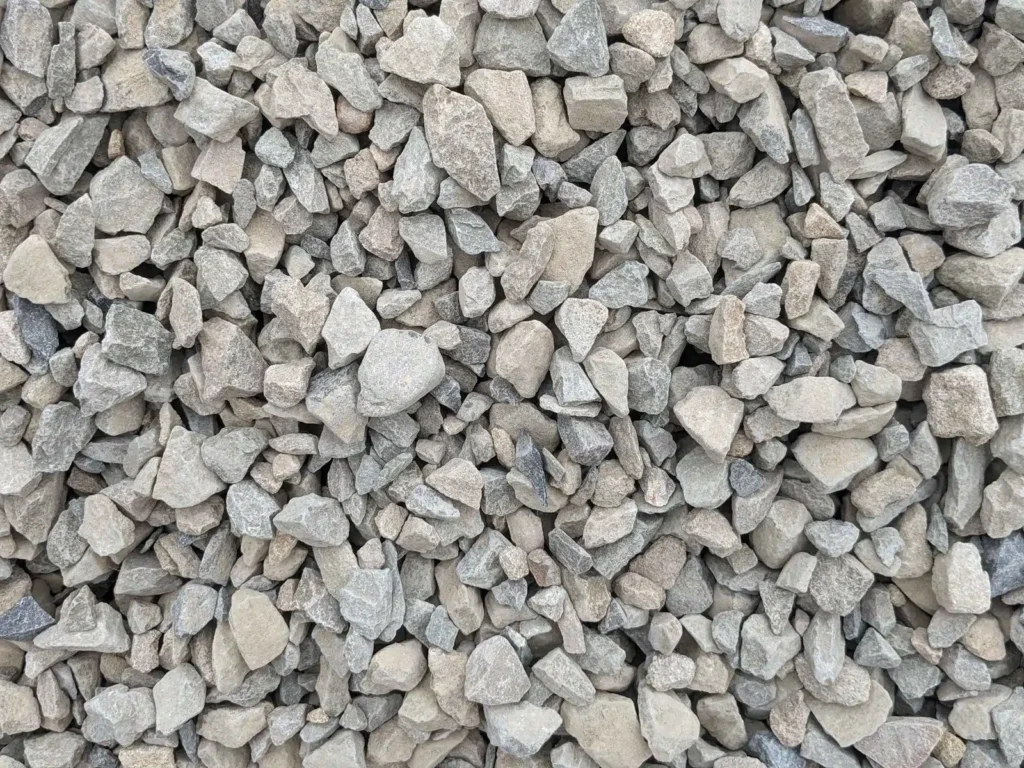
Portland builders have two solid options. #57 crushed stone is angular granite or limestone fragments, roughly 3/4 to 1 inch across. These pieces interlock tightly and remain stable for many years. Crusher Run is another durable base option, a blend of crushed stone and stone dust. Class 5 Base is a compacted aggregate that's excellent for foundations. Asphalt Millings as the base and asphalt millings on top for faster compaction and a finished look. All choices work well in Portland's climate when properly installed.
Determining depth and calculating your tonnage
A standard three-layer system has 2 to 3 inches of compacted soil base, 2 to 3 inches of base aggregate like crushed stone, and 1 to 2 inches of your chosen surface. To determine tonnage, measure your driveway in feet and your target depth in inches. For Portland driveways, calculate: length times width times depth divided by 324. A 30-by-12-foot driveway at 3 inches deep equals (30 times 12 times 3) divided by 324, which yields about 3.3 tons. Use the calculator tool to verify your calculation. These materials are sold by the ton, and once you reach 15 tons, you qualify for complimentary delivery in Portland. Orders smaller than that carry a delivery fee.
Portland weather and how it affects your driveway
Portland winters include freeze-thaw cycles and clay soils don't shed water efficiently. Your driveway must slope at a 2 to 3 percent grade from center to sides so water flows away rather than pooling. Pooling water seeps down, freezes, and heaves the surface. After heavy rain, walk the driveway and look for standing water. Any low spots should be filled with fresh stone. Compaction quality matters tremendously here. Use a mechanical compactor and make multiple passes until the stone layer is unyielding. Many Portland homeowners also lay geotextile under their base to prevent clay from working up into the stone, which extends driveway life considerably.
Getting your order delivered and building the driveway
Once you place your order, material ships to Portland in 1 to 2 business days for standard quantities, or same-day or next-day for large orders of 8 or more tons. Clear your site and prepare a level area for the truck to dump. Orders of 15 tons or more get free delivery to Portland. Smaller Portland driveway gravel orders carry a delivery fee. Once material arrives, you can begin spreading and compacting. Many homeowners do this work themselves; others hire a contractor. Either way, a well-built gravel driveway withstands Portland's weather and traffic for several years between maintenance cycles.
About Driveway Gravel projects
Portland driveway gravel offers a cost-effective, easy-to-maintain surface made from affordable stone and recycled asphalt.
Recommended materials for
How a driveway gravel project goes
- Assess and clear the siteRemove grass, rocks and debris from your planned driveway footprint. Level the area and tamp the soil base until it's firm. Locate buried utilities before excavating. Good subgrade preparation prevents settlement.
- Estimate your material needsPlan your layer structure: typically 2 to 3 inches of base stone plus 1 to 2 inches of surface. Measure length and width. Compute tonnage by length times width times depth divided by 324. Arrange delivery to Portland.
- Spread and tamp the baseDistribute base stone evenly to your target depth. Use a rake to level. Compact with a mechanical roller or handheld tamper. Work methodically in rows, overlapping each pass until the layer is solid.
- Install your wearing surfaceSpread your chosen top material 1 to 2 inches thick. Rake to uniform depth. Compact gently to avoid crushing stones. This surface experiences the vehicle traffic and weather exposure directly.
- Grade for water managementEnsure water drains away from the driveway center toward the sides. A 2 to 3 percent slope is standard. Test the drainage after rain. Fill any low spots where water pools with additional gravel.
Estimate your material
Calculate Your Project
Estimate only. Add 10-15% for compaction and waste.
Driveway gravel in Portland's climate
Picking the right material for a driveway gravel project in Portland comes down to how the climate treats it. Wet winters and dry summers. Stone with strong drainage prevents winter saturation under traffic. For driveway gravel work specifically, that means choosing material that handles local moisture and traffic loads without re-dressing every season.
The small market profile of Portland also shapes how a project runs. Most jobs are residential, with the occasional school or municipal project. Truck access is usually wide and turnarounds run fast.
Where we deliver driveway gravel material in Portland
Our delivery footprint around Portland covers the core city plus a typical 35-mile radius. Recent driveway gravel drops have included:
- older single-family blocks in and around Portland
- newer subdivisions on the outskirts in and around Portland
- commercial pad sites near the freeway in and around Portland
- horse properties on the rural edge in and around Portland
If your address is outside that radius, send your ZIP through the contact form and we will confirm coverage within an hour.
Pricing for driveway gravel in Portland
Here is what the recommended driveway gravel materials are running in Portland right now. Full-truck orders (16 tons or more) typically save 15 to 20 percent off these per-ton rates.
| Material | Price from |
|---|---|
| Mulch Delivery in Portland, Oregon by the Cubic Yard | Quote on request |
| Wood Chips Delivery in Portland, OR | Quote on request |
| Riprap Med Delivery in Portland, OR | Quote on request |
| Red Mulch Delivery in Portland, OR | Quote on request |
Browse more
Recommended materials in Portland
Same project in nearby cities
Tools to plan your project
Related guides
 GUIDEDoes Gravel Stop Weeds? Honest Answer + What WorksPractical, field-tested guide: does gravel stop weeds. Pulled from real US installer notes and 2026 supplier price data.Read guide →
 GUIDEHow Much Gravel Do I Need? Quick Sizing GuidePractical, field-tested guide: how much gravel do i need. Pulled from real US installer notes and 2026 supplier price data.Read guide →
 GUIDEWhat Is #57 Stone? Uses, Size, and Cost ExplainedPractical, field-tested guide: what is 57 stone. Pulled from real US installer notes and 2026 supplier price data.Read guide →
 GUIDEHow Deep Should a Gravel Driveway Be? Layer GuidePractical, field-tested guide: how deep should gravel driveway be. Pulled from real US installer notes and 2026 supplier price data.Read guide →
Frequently Asked Questions
What are the advantages of #57 Crushed Stone versus Asphalt Millings?
Crushed stone is durable, angular rock fragments that interlock and stay stable indefinitely. Asphalt millings lasts longer without change; millings offer rapid compaction and a black appearance.
How do I calculate how much gravel my Portland driveway needs?
In Portland, start by measuring your driveway's length and width in feet. Determine your desired average depth in inches. Multiply length times width times depth and divide by 324. For example, a 30-by-15-foot drive at 3 inches deep requires (30 times 15 times 3) divided by 324, or about 4.1 tons.
What makes Portland driveways more challenging than other areas?
Portland receives significant rainfall year-round, and freeze-thaw cycles occur in winter. Clay soils dominate the city, and water doesn't drain naturally. Your driveway base must manage moisture effectively. Proper compaction and drainage grading are more important here than in drier climates.
How often do Portland driveways need refreshing?
Most gravel driveways last 2 to 3 years before needing a refresh. Add 1 to 2 inches of fresh gravel and recompact the affected areas. Refreshes cost less than full rebuilds. Routine maintenance is the key to long service life.
Are there other uses for these materials outside of driveways?
Yes. Crushed stone is used for parking areas, pathway bases, and under concrete slabs. Asphalt millings are popular in equestrian facilities, sports courts, and recreational trails. Both provide drainage and structural support where needed.
How should I maintain my driveway through Portland winters?
Rock salt damages stone and harms soils. Use calcium chloride if de-icing is needed, or rely on sand for traction. In spring, frost heave often creates ruts. Fill ruts with fresh stone and recompact to restore your driving surface.
Is landscape fabric or geotextile useful under gravel?
Geotextile prevents subgrade clay from rising into the stone base and keeps layers distinct. In Portland's wet, clay-rich soils, it adds value by extending driveway life and reducing maintenance. Installation cost is modest relative to the long-term benefit.
What's the ideal width for a Portland driveway?
Single-car driveways are typically 9 to 10 feet wide. Two-car drives range from 16 to 18 feet. Wider surfaces shed water more efficiently and distribute traffic loads better. Above 20 feet, meticulous compaction and grading become essential.