
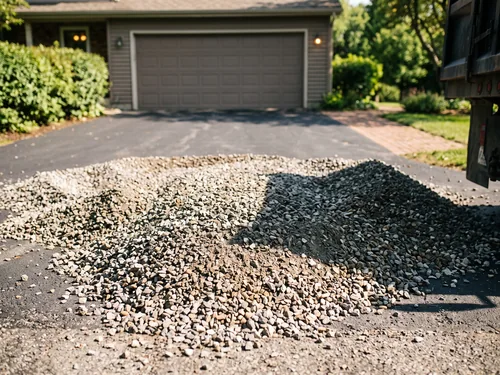
Driveway Gravel in St. George, Utah
Material picks, pricing, and pro tips for driveway gravel projects in St. George, UT.
High desert conditions and driveway gravel St. George UT
St. George's high desert location means intense sun exposure and extreme summer temperatures that exceed 105 degrees regularly. These conditions stress asphalt-based products, which soften and lose their binding properties under sustained heat. Durable driveway gravel in this environment must be mineral-based and able to withstand constant UV exposure and thermal cycling. #57 Crushed Stone is the superior choice for St. George driveways because stone does not soften or degrade from heat and sunlight. Recycled Asphalt Millings can become tacky in summer heat or brittle in winter cold. Both materials are sold by the ton, but stone's durability in extreme conditions makes it the local preference.
Stone durability versus asphalt millings in extreme heat
Asphalt millings are recovered from road resurfacing and bind together in heat, which sounds ideal until temperatures soar beyond 100 degrees. Extreme heat softens the binder, causing material to clump and lose firmness rather than remaining hard-packed. Crushed stone maintains its integrity in any temperature and does not degrade from months of intense UV exposure. It resists the temperature swings of a high desert climate where early mornings can be cool and afternoons blazingly hot, sometimes swinging 40 degrees in a single day.
Calculating and sizing your material order
Measure your driveway length in feet, width in feet, and desired depth in inches. Multiply these three numbers and divide by 324 to get cubic yards needed. One ton of well-compacted stone covers approximately 65 to 70 square feet at 4 inches deep, depending on how densely you compact it. A typical residential driveway 18 feet wide and 30 feet long at 4 inches deep requires about 7 tons total.
The calculator sizes your project precisely based on your specific dimensions and depth preference. In St. George's dry climate, settling is slower than in wetter regions, so you may need less top-up material over time. However, spring winds and summer dust storms may scatter material from the edges, so budget for ongoing border maintenance and edge raking.
Managing dust and wind challenges in the high desert
The high desert brings frequent winds that blow loose particles away, especially from uncontained edges and freshly disturbed surfaces. Landscape borders, curbing, or simple wood edging contain material and reduce dust clouds significantly. This containment also prevents material from washing toward neighbors or into storm drains during the rare but intense summer monsoons that occasionally strike the St. George area with heavy rain. Good edging is an investment in neighbor relations and property appearance.
Delivery and seasonal maintenance
Delivery in St. George takes 1-2 business days, and orders of 15 tons or more qualify for free delivery. Installation in summer is uncomfortable but viable if you work early morning before temperatures peak above 95 degrees. Spring or fall installation is ideal from a comfort perspective. Maintenance raking 1-2 times yearly keeps the surface firm and restores compaction. Unlike cooler climates, freeze-thaw damage is not a concern in St. George, so your main maintenance task is resetting compaction after wind events and managing erosion from rare but heavy rain.
About Driveway Gravel projects
High desert driveways face constant UV exposure and extreme heat that break down asphalt-based materials. Mineral-based crushed stone holds up to temperature extremes and wind erosion, making it the only practical choice for durability in arid climates.
Recommended materials for
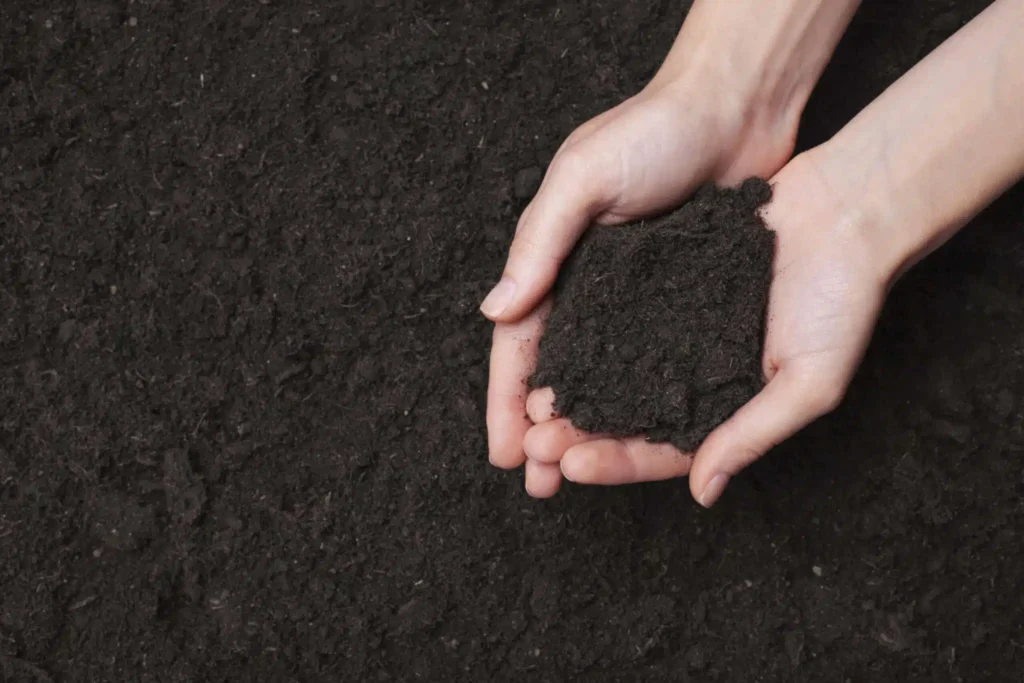 Price by ZIP
- SizeScreened, no size grade
- Density2200 lb/yd³
- ColorDark brown
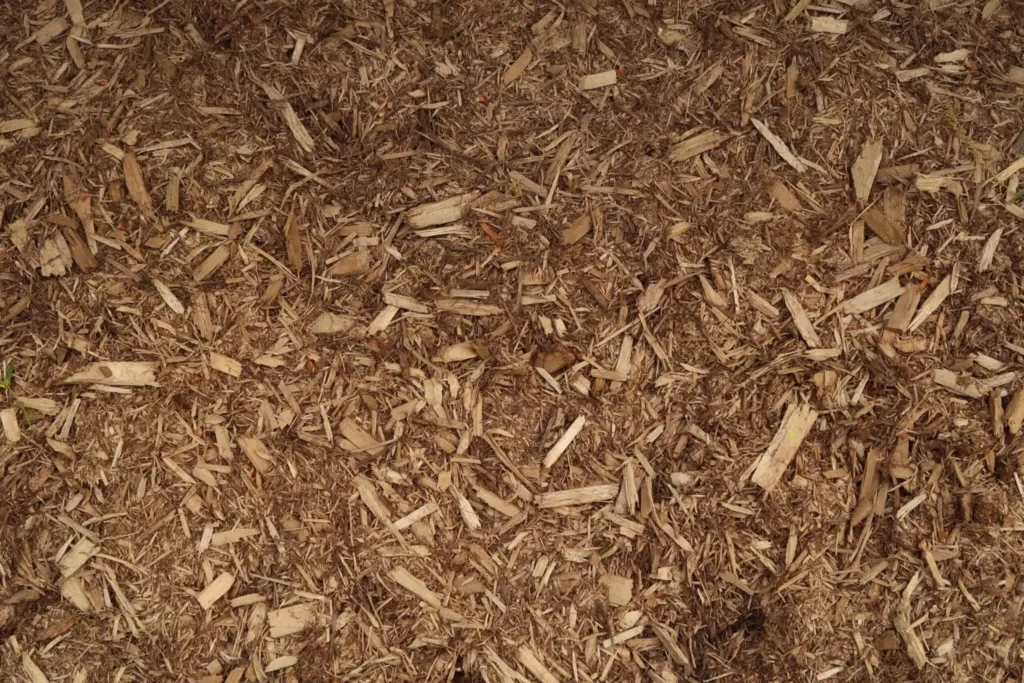 Price by ZIP
- Density800 lb/yd³
- ColorBrown, black, red
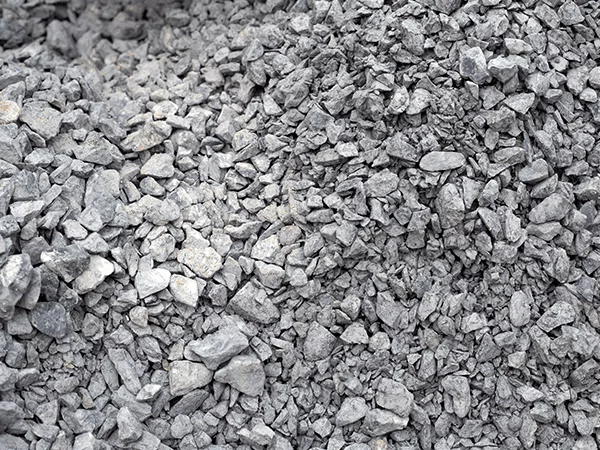 Price by ZIP
- SizeDense-graded, varies
- Density2500 lb/yd³
- ColorGray / white
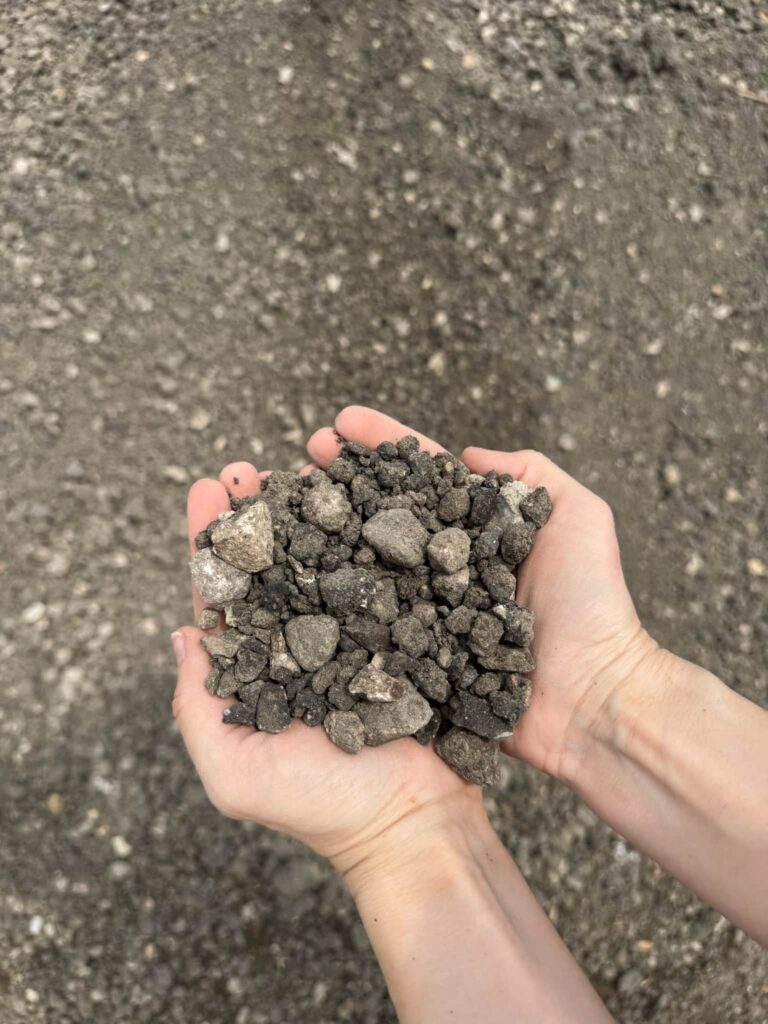 Price by ZIP
- SizeDense-graded, varies
- Density2400 lb/yd³
- ColorBlack
How a driveway gravel project goes
- Prepare the subgrade in early morningClear vegetation and compact the base soil. Working early avoids peak desert heat. A firm subgrade prevents settling later when ground temperature swings strain the material.
- Spread and water the first layerLay 2 inches of crushed stone, mist lightly to control dust, and compact. Wetting helps particles settle faster in the dry climate.
- Add the second layer and compact firmlyApply another 2 inches and roll it thoroughly. In St. George's climate, tight compaction prevents dust clouds and material loss in wind.
- Install edge containmentUse landscape borders or curbing to hold material in place. Desert winds can blow loose particles from uncontained edges.
- Plan for winter top-ups and seasonal repairsDesert monsoons and infrequent heavy rain can erode driveways. Top-dress after major storms and before peak summer to reset compaction.
Estimate your material
Calculate Your Project
Estimate only. Add 10-15% for compaction and waste.
Driveway gravel in St. George's climate
In St. George, the local climate shapes which driveway gravel materials hold up over a full year. Standard mixed seasonal conditions, with rainfall and freeze-thaw varying by zone. For driveway gravel work specifically, that means choosing material that handles local moisture and traffic loads without re-dressing every season.
The small market profile of St. George also shapes how a project runs. Most jobs are residential, with the occasional school or municipal project. Truck access is usually wide and turnarounds run fast.
Where we deliver driveway gravel material in St. George
Our delivery footprint around St. George covers the core city plus a typical 35-mile radius. Recent driveway gravel drops have included:
- central historic streets in and around St. George
- cul-de-sac neighborhoods in and around St. George
- small farms on the city edge in and around St. George
- retail centers with parking expansions in and around St. George
If your address is outside that radius, send your ZIP through the contact form and we will confirm coverage within an hour.
Pricing for driveway gravel in St. George
Here is what the recommended driveway gravel materials are running in St. George right now. Full-truck orders (16 tons or more) typically save 15 to 20 percent off these per-ton rates.
| Material | Price from |
|---|---|
| Topsoil Delivery in St. George, Utah | Quote on request |
| Quality Mulch Delivery to St. George, Utah | Quote on request |
| Crushed Concrete Delivery in St. George, Utah | Quote on request |
| Asphalt Millings Delivery in St. George | Quote on request |
Browse more
Recommended materials in St. George
Same project in nearby cities
Tools to plan your project
Related guides
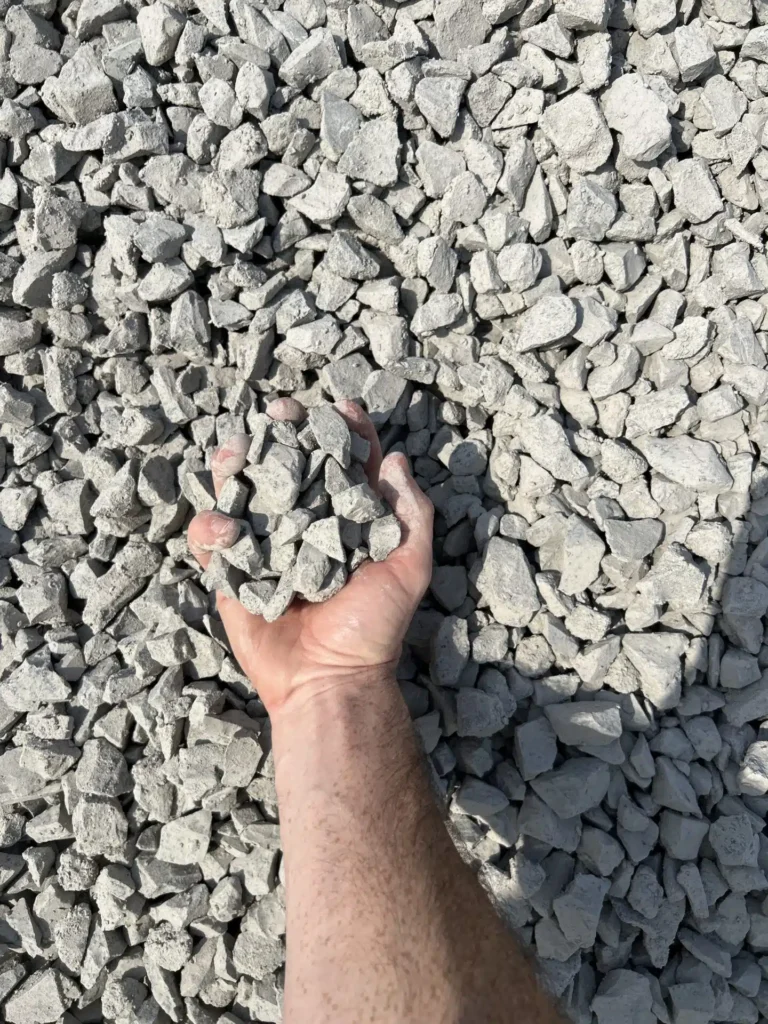 GUIDEWhat Is Crushed Stone? Sizes, Uses and Buying BasicsCrushed stone is quarried rock crushed and screened into angular pieces sold by the ton. Here is what it is, how it is graded, and where to use it.Read guide →
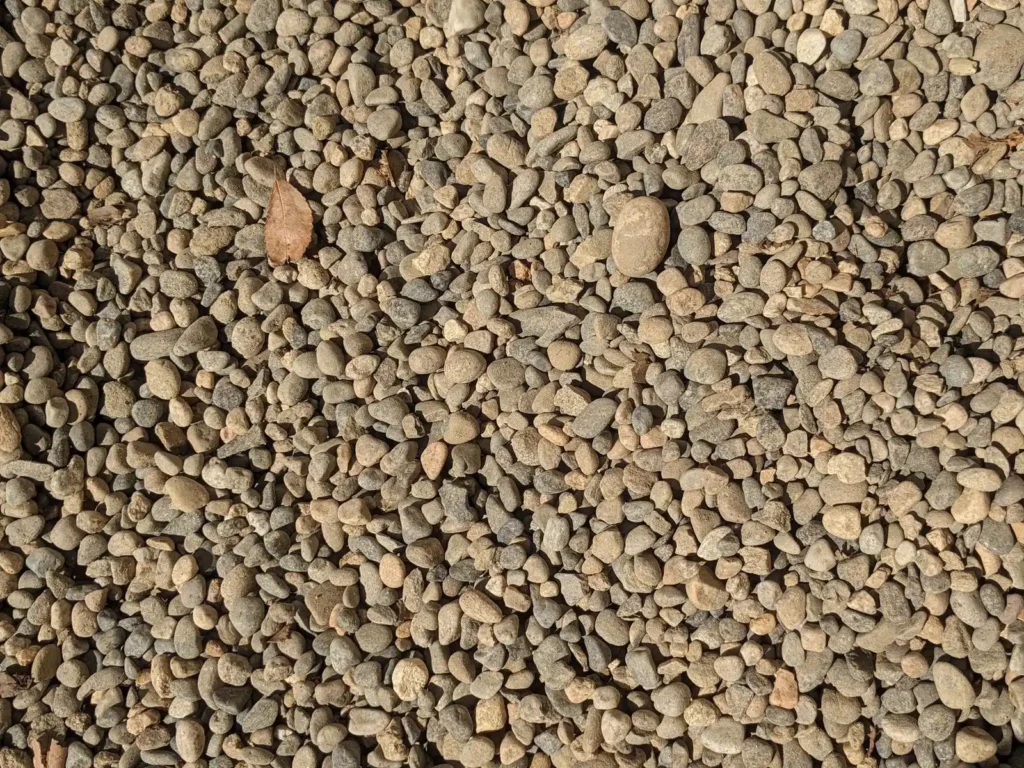 GUIDEHow Much Does Gravel Cost? A Practical Pricing GuideHow much does gravel cost and why does it vary? See the real factors behind ton pricing, delivery, and order size before you buy.Read guide →GUIDEGravel Size Chart: Pea Gravel to Crushed StoneA gravel size chart showing pea gravel, crushed stone and river rock diameters side by side, so you can match the right size to your project.Read guide →
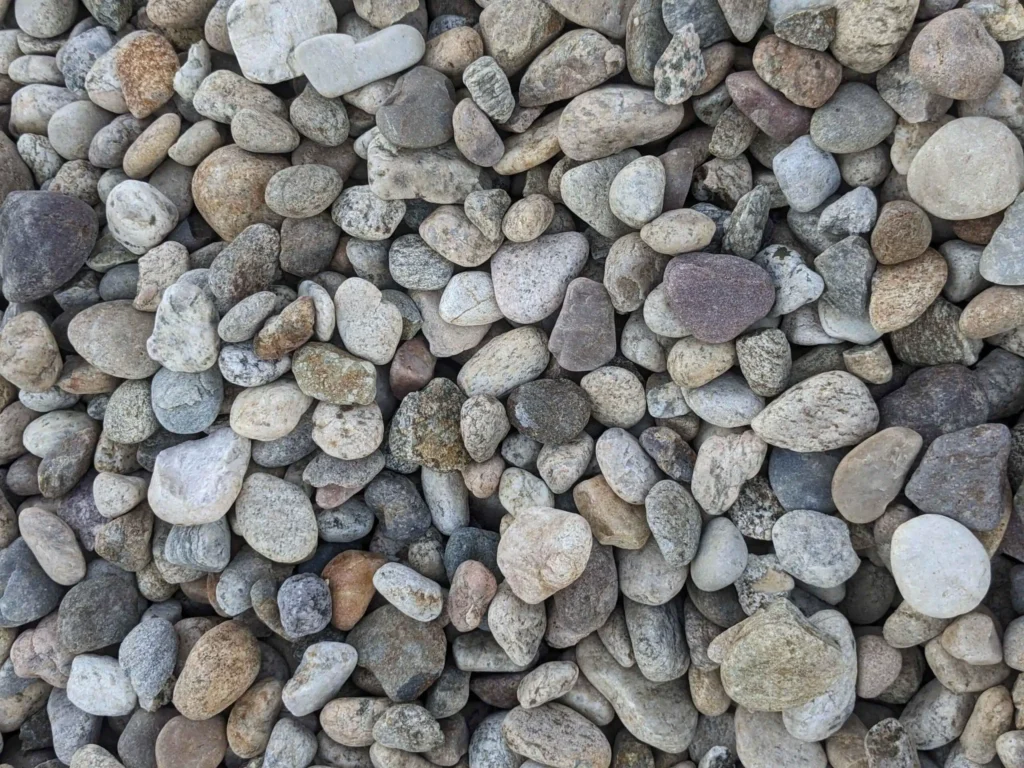 GUIDEThe Different Types of Gravel and How to ChooseA plain-language guide to the main types of gravel, covering pea gravel, crushed stone, river rock and decomposed granite.Read guide →
Frequently Asked Questions
Will asphalt millings work in St. George heat?
Millings soften and become tacky when temperatures exceed 100 degrees regularly. In St. George's high desert climate, they lose binding properties during summer peaks and become brittle in winter cold. Crushed stone is far more stable year-round and will not degrade from UV or heat exposure.
How much stone do I need for a typical driveway?
A 18-by-30-foot driveway at 4 inches deep requires about 7 tons of crushed stone. Use the online calculator to confirm based on your exact dimensions and desired depth. St. George's drier climate means less material loss to settling compared to wetter regions.
How deep should my driveway be in the high desert?
Use 3 to 4 inches of compacted stone. St. George does not experience freeze-thaw cycles, so you do not need extra depth for winter protection. However, the 4-inch depth resists rutting from truck traffic much better than shallower applications.
What is #57 Crushed Stone and why is it standard here?
Number 57 stone is roughly 3/4 inch diameter, the industry standard for driveways everywhere. This size interlocks well and allows fine particles to fill voids, creating a firm, hard surface. Larger stone shifts under tires, and smaller dust clogs and becomes hard to compact tightly.
How often do I need to rake and maintain a gravel driveway?
Rake 1-2 times yearly to reset compaction, especially after wind storms blow material around. Summer winds in the high desert scatter loose surface particles, so edge containment and regular raking prevent dust clouds and material loss over time.
Do I need to water the driveway after installation?
Light misting during installation helps particles settle faster in the initial stages. After completion, watering is not necessary in St. George's low-humidity climate. In fact, excess moisture can cause dust and vehicle tracking, so allow the surface to remain naturally dry.
How long will a gravel driveway last in St. George?
With proper compaction and twice-yearly maintenance raking, 4-5 years or longer before needing major refresh. St. George's dry climate means no freeze-thaw damage, which extends lifespan significantly compared to wetter regions. Crushed stone driveways in the high desert outperform those in humid areas.
Should I contain the edges with curbing or borders?
Yes, landscape edging or simple curbing is essential in the high desert where wind is constant. Borders prevent material loss and control dust clouds. They also make driveways look finished and professional while protecting against erosion during rare but heavy monsoon rains.