Patio Gravel for Concord, California
Material picks, pricing, and pro tips for patio gravel projects in Concord, CA.
Patio Gravel Basics for the Bay Area
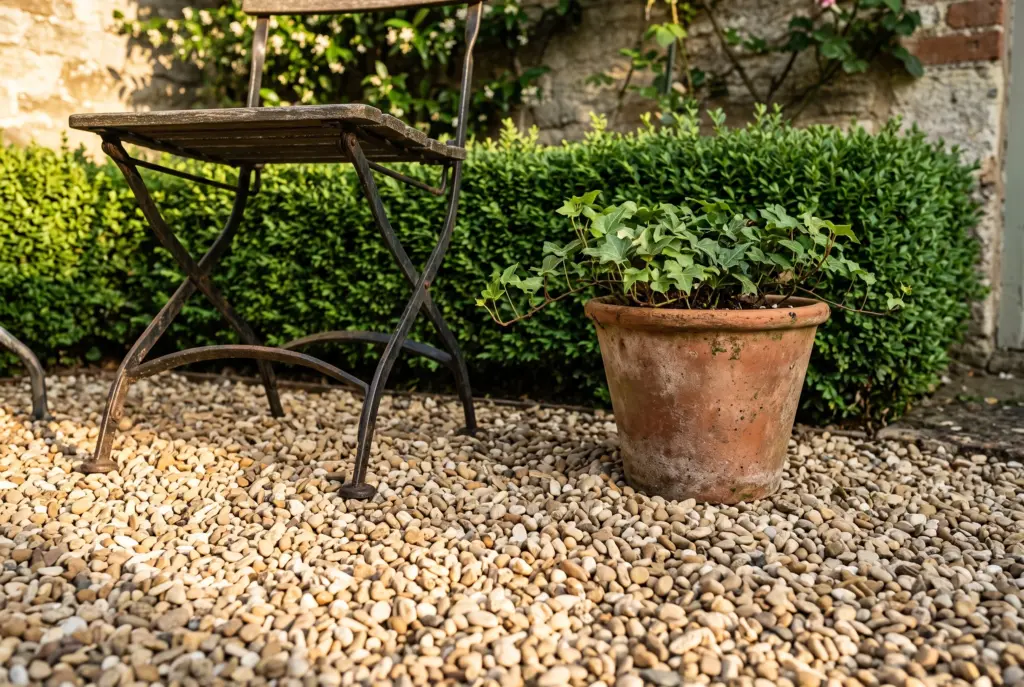
Outdoor entertaining in Concord and nearby Richmond, Antioch and Berkeley happens most weekends year-round. A patio gravel surface gives you a clean, durable space that requires far less maintenance than concrete or wood. Pea gravel is the standard choice: smooth, rounded stone about half an inch in diameter, comfortable underfoot, and available in natural earth tones that complement any landscaping style.
Why Pea Gravel Works in Concord
Concord's bay-influenced climate brings cool mornings and mild afternoons. Unlike pavement, gravel does not absorb and radiate heat, making it comfortable to walk on barefoot even on warmer days. Winter rain drains through pea gravel rather than pooling on a hard surface. The material settles slightly over the first year, so plan to refresh the top layer with fresh stone as needed. A well-maintained gravel patio easily lasts 10 years or more.
Material Selection and Sizing
Not all pea gravel is sold by the ton, and a typical 10-by-12-foot patio needs 2 to 3 tons depending on depth and base preparation.
Building the Foundation
A patio that lasts starts with a solid base. Remove all grass, weeds, and roots from your patio area. Dig down 2 to 3 inches. Compact the soil with a hand tamper or light roller: soft soil will cause the gravel to sink unevenly and create low spots that puddle after rain. Lay a landscape fabric barrier if you want to reduce weed growth; the gravel will eventually compress soil and weeds may still emerge, but fabric slows the process. Top the fabric with your pea gravel and spread evenly.
How Much Material to Order
The amount of gravel depends on your patio dimensions and target depth. Most homeowners use 2 to 3 inches of compacted material for comfort and durability. Use the calculator to enter your patio length, width and desired depth in feet, and it returns the tons needed. For example, a 10-by-12-foot patio at 2.5 inches deep requires about 3 to 4 tons. Order a half-ton extra to cover settling and future top-ups.
Delivery and Installation in the Bay Area
Pea gravel delivers throughout Concord, the East Bay and neighboring cities including Oakland, Berkeley, Hayward and the Walnut Creek area. We serve small patios and large entertainment spaces, with bulk pricing for orders of 8 tons or more and free delivery in Concord starting at 15 tons. Smaller orders get delivered in 1 to 2 business days. Concord's location near major freeways means consistent, reliable service for your project.
Long-Term Care
Once installed, a gravel patio needs occasional maintenance. Rake the surface each season to level settled material. Sweep out leaves and debris in fall. After 3 to 5 years, add fresh gravel to restore depth and appearance, especially in high-traffic areas near the door or seating zone. A few shovels of pea gravel per year keeps your patio looking new. The low cost and ease of refresh makes gravel a practical choice for busy homeowners in the Bay Area.
About Patio Gravel projects
A patio provides an outdoor living space for entertaining, dining and relaxation. Concord's mild climate and proximity to the San Francisco Bay makes outdoor entertaining popular year-round. Pea gravel offers a clean, low-maintenance alternative to pavement, with natural color and excellent drainage that keeps water from pooling under furniture and foot traffic.
Recommended materials for
 Price by ZIP
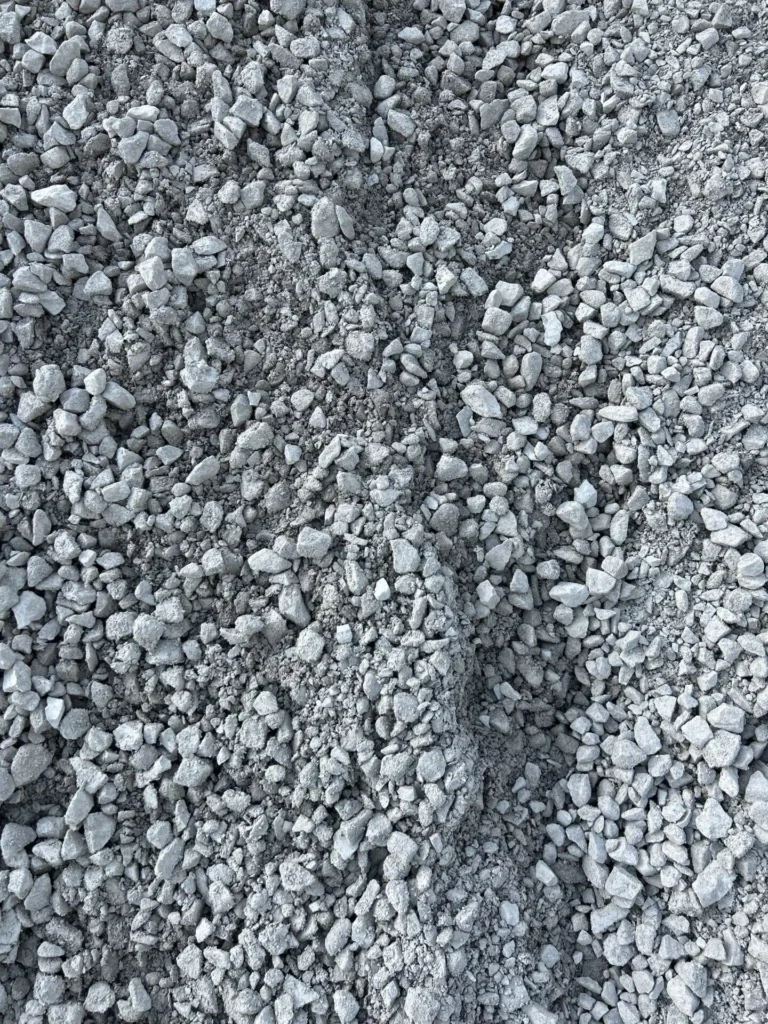
- SizeDense-graded, varies
- Density2850 lb/yd³
- ColorGray
 Price by ZIP
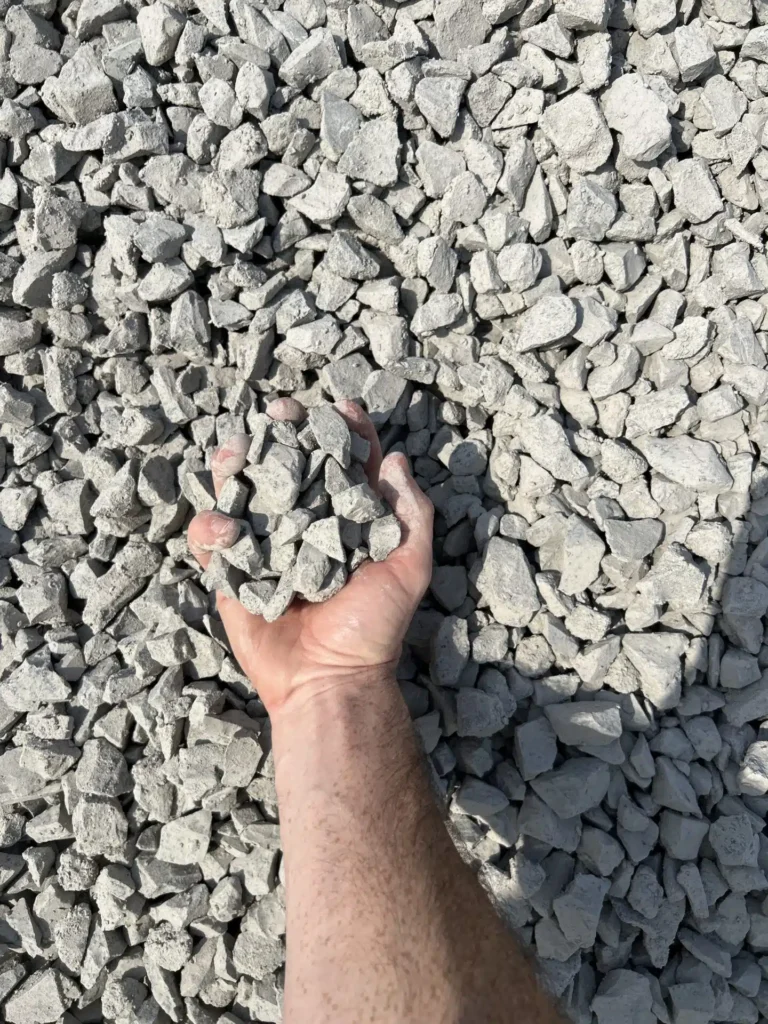
- Size3/4 - 1″
- Density2700 lb/yd³
- ColorGray
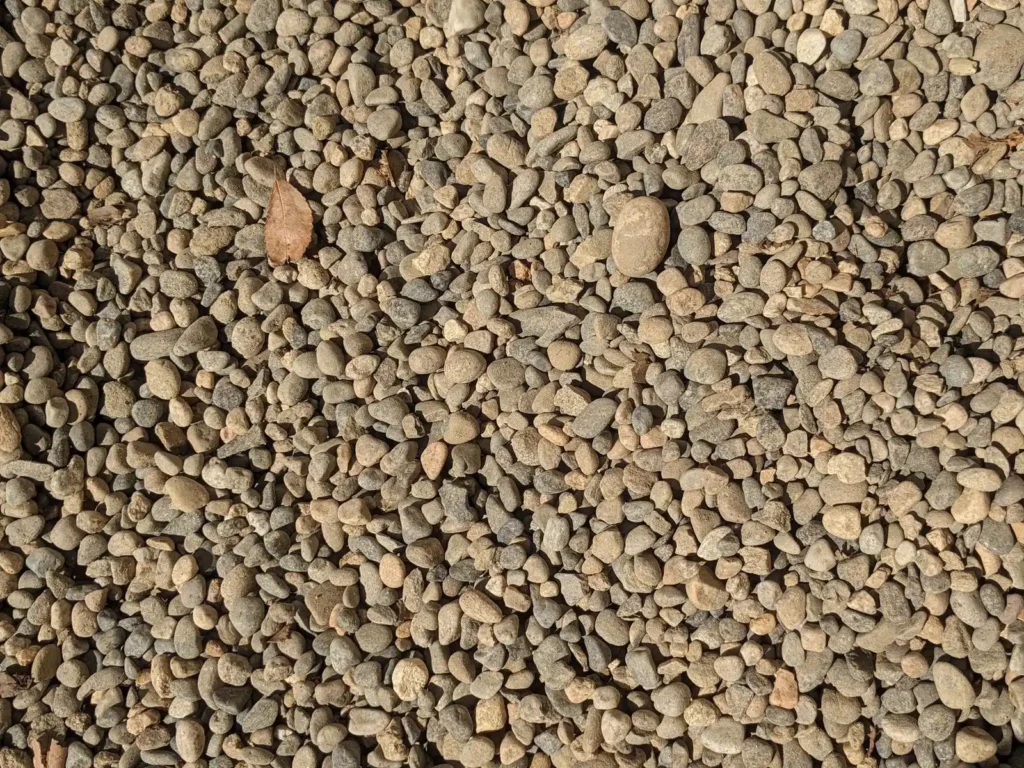 Price by ZIP
- Size1/4 - 3/8″
- Density2800 lb/yd³
- ColorTan / mixed
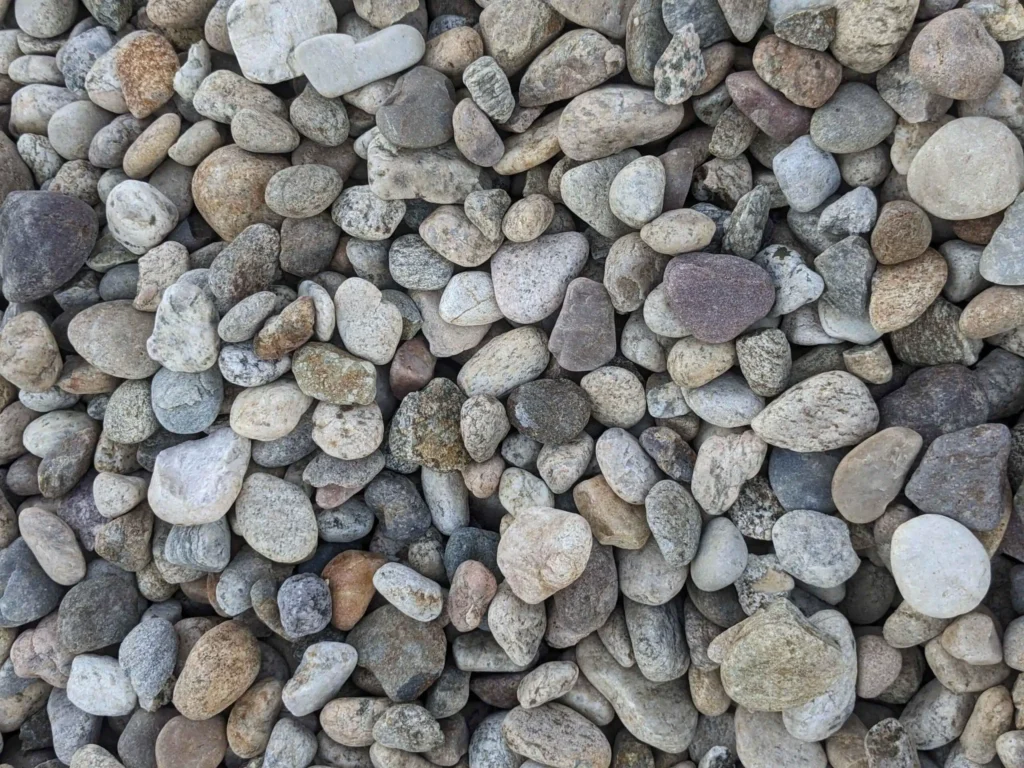 Price by ZIP
- Size1 - 3″
- Density2700 lb/yd³
- ColorMixed natural
How a patio gravel project goes
- Plan the patio size and shapeMark out the area where you want the patio. For your Concord patio, measure the length and width in feet. Sketch the shape: rectangular patios suit most yards. Consider sight lines from your home and placement of trees or shade structures. Mark the edge with stakes and string.
- Prepare the baseRemove grass and weeds from the area. Dig down 2 to 3 inches for the gravel bed. Level the soil and remove rocks and roots. A compacted base prevents the gravel from sinking into soft soil. Tamping the soil creates a stable foundation.
- Choose your gravel sizePea gravel comes in natural tan and other earth tones. Size matters: smaller pea gravel (about 1/2 inch) is comfortable underfoot and stays in place better than larger stone. Avoid dust-fine material that washes away in rain or gets muddy.
- Calculate and order your materialUse the calculator to enter dimensions and depth (usually 2 to 3 inches). Concord pea gravel is sold by the ton. Free delivery in Concord begins at 15 tons; smaller orders ship in 1 to 2 business days.
- Spread and finishSpread the gravel evenly across the prepared base. Rake to an even depth and compact lightly with a hand tamper. Edge the patio with pavers, timber or plastic borders to keep gravel from spilling into adjacent beds. Add seating and enjoy.
Estimate your material
Calculate Your Project
Estimate only. Add 10-15% for compaction and waste.
Patio gravel in Concord's climate
Picking the right material for a patio gravel project in Concord comes down to how the climate treats it. Long dry spells with brief heavy rain. Erosion control on slopes is more critical than freeze resistance. For patio gravel work specifically, that means choosing material that handles local moisture and traffic loads without re-dressing every season.
The small market profile of Concord also shapes how a project runs. Most jobs are residential, with the occasional school or municipal project. Truck access is usually wide and turnarounds run fast.
Where we deliver patio gravel material in Concord
Our delivery footprint around Concord covers the core city plus a typical 35-mile radius. Recent patio gravel drops have included:
- in-town craftsman homes in and around Concord
- townhouse rows in newer developments in and around Concord
- light industrial yards near the rail line in and around Concord
- rural acreage outside the limits in and around Concord
If your address is outside that radius, send your ZIP through the contact form and we will confirm coverage within an hour.
Pricing for patio gravel in Concord
Here is what the recommended patio gravel materials are running in Concord right now. Full-truck orders (16 tons or more) typically save 15 to 20 percent off these per-ton rates.
| Material | Price from |
|---|---|
| Road Base Delivery in Concord, CA | Quote on request |
| #57 Crushed Stone Delivery in Concord, CA by the Ton | Quote on request |
| Pea Gravel Delivery in Concord, CA: Pricing and Lead Times | Quote on request |
| River Rock Delivery in Concord, CA: Pricing by the Ton | Quote on request |
Browse more
Recommended materials in Concord
Same project in nearby cities
Tools to plan your project
Related guides
 GUIDEHow Deep Should a Gravel Driveway Be? Layer GuidePractical, field-tested guide: how deep should gravel driveway be. Pulled from real US installer notes and 2026 supplier price data.Read guide →GUIDEHow Much Does River Rock Cost? By Ton or YardRiver rock cost depends on your ZIP code, order size, and whether you buy by the ton or the cubic yard. Here is how pricing works.Read guide →GUIDEWhat Size Crushed Stone Goes Under a Concrete SlabMost slabs need 4 to 6 inches of compacted crushed stone underneath. What size crushed stone under a concrete slab needs, and why it matters.Read guide →GUIDEWhat Is Crushed Stone? Sizes, Uses and Buying BasicsCrushed stone is quarried rock crushed and screened into angular pieces sold by the ton. Here is what it is, how it is graded, and where to use it.Read guide →
Frequently Asked Questions
How much pea gravel do I need for a 12-by-16-foot patio?
A patio that size with 2.5 inches of depth needs about 4 to 5 tons of pea gravel. Use the calculator and enter your exact dimensions for a precise estimate. Order a half-ton extra to account for settling and future top-ups.
Will pea gravel wash away in Bay Area winter rains?
Not if properly installed. Gravel settled on a compacted base stays in place through moderate rain. Occasional intense storms may move material near edges, which is why borders (pavers or timber) help contain it. Landscape fabric underneath also helps prevent mixing with underlying soil.
Can I install a patio in winter?
Winter is slower for digging and soil work, but not impossible. Avoid installation if soil is waterlogged or frozen. Fall through early winter is ideal for establishing drainage and leveling the base. Spring is the busiest season for patio projects in Concord.
Is pea gravel safe for pets?
Pea gravel is generally safe for dogs and cats. It does not splinter or break into sharp fragments like crushed stone. Some pets may carry small pieces in their fur, which is minor. Rinse their paws if muddy. Gravel is much safer underfoot than hard pavement.
What kind of edging keeps pea gravel contained?
Pavers, concrete borders, timber boards and plastic edging all work. Timber and pavers look finished and match most landscaping. Plastic edging is budget-friendly but less attractive. A 2 to 3-inch lip above the surrounding soil prevents gravel from spilling into adjacent beds.
How often should I refresh the pea gravel?
Expect to add fresh material every 3 to 5 years. Settling, foot traffic and displacement reduce depth and appearance over time. Topping up with 1 to 2 tons of matching material every few years keeps your patio looking new. The cost is low compared to replacing hardscape.
Can I use pea gravel under a hot tub or pool?
Pea gravel works for the deck area around a hot tub or pool surround. Its drainage properties are ideal for areas exposed to splashing and standing water. Avoid placing the tub directly on gravel; use a solid pad underneath. Clean surrounding gravel periodically to remove debris and algae.
What do I do with old pea gravel when replacing it?
Old pea gravel can be recycled into pathways, garden beds or low areas of your yard. If contaminated with dirt or weeds, screened material can still be used in less visible areas. Some cities accept clean gravel for construction and recycling programs.