Drainage Gravel in Baton Rouge, LA
Material picks, pricing, and pro tips for drainage gravel projects in Baton Rouge, LA.
Drainage gravel in Baton Rouge handles heavy rain and poor soil
Baton Rouge sits in a flood-prone area with clay soil that doesn't absorb water well. Heavy summer rainfall and occasional overflow from nearby waterways mean drainage is not optional. The ground stays wet for weeks after a storm, and water pools around foundations, basements, and crawl spaces. A well-built gravel trench protects your structure by moving water away and giving it a clear path to drain into storm systems or percolate into lower soil layers.
Foundation settling, basement seepage, and wood rot are common in Baton Rouge homes without proper exterior drainage. A gravel system costs far less than foundation repair and keeps moisture off your house year-round.
Choosing the material and size
#57 Crushed Stone and River Rock are the recommended materials for drainage in Baton Rouge. Stone and gravel are sold by the ton, not by the cubic yard. #57 Crushed Stone is angular and compacts well, making it ideal for serious water management. River Rock is larger and more decorative, suited for visible trenches or French drains where aesthetics matter.
Both materials drain water quickly and resist the compaction that clay soil causes. For heavy drainage, crushed stone where it shows.
Depth, base and how much to order
A typical drainage trench runs 4 to 6 inches deep, depending on your water volume and soil type. Before spreading gravel, compact the trench bottom and lay landscape fabric to prevent clay from mixing upward into the stone. A 2 to 3 inch sand layer under the gravel acts as a buffer and improves flow.
Use the calculator to find the length and width of your trench, then convert that to tons. Smaller shipments to Baton Rouge reach you in 1-2 business days. At 15 tons or more, you get free delivery in Baton Rouge and can schedule a convenient time slot. The calculator shows prices by tonnage, so you can compare small orders versus bulk buying.
Local conditions that affect the build
Baton Rouge's clay-heavy soil means water sits on the surface rather than percolating. This makes your gravel base even more critical: the stone creates a path for water to move laterally and down through cracks in the clay. After heavy rain or flooding, your drainage system protects against standing water that rots foundations and breeds mosquitoes. The Red River's seasonal rise can push groundwater up under your property, making drainage even more important during spring.
Summer heat and humidity speed algae growth in gravel, especially where water pools. Keep trenches dry between rains and remove debris. Top-dress with fresh stone yearly to maintain drainage performance. If you notice drainage slowing after a year or two, the stone may need cleaning or replacement to restore flow.
Delivery and getting started
Order your gravel and schedule delivery in Baton Rouge through your ZIP code. We deliver bulk Drainage Gravel loads to residential and small commercial sites within the service area. Get a delivered price quote, confirm your address and trench location, and we'll drop the load where you specify. From order to installation, you handle the spreading and compaction, or hire a local contractor to finish the job. Many Baton Rouge landscapers have experience with drainage and can complete installation quickly.
About Drainage Gravel projects
A drainage gravel project manages water around your home or building by creating a stable, permeable base that prevents flooding and protects foundations. Gravel channels water away from structures, supports drainage systems, and stabilizes soil in areas with poor natural drainage.
Recommended materials for
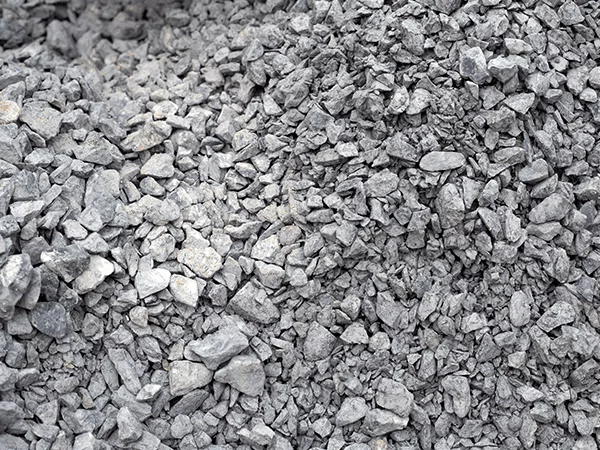 Price by ZIP
- SizeDense-graded, varies
- Density2500 lb/yd³
- ColorGray / white
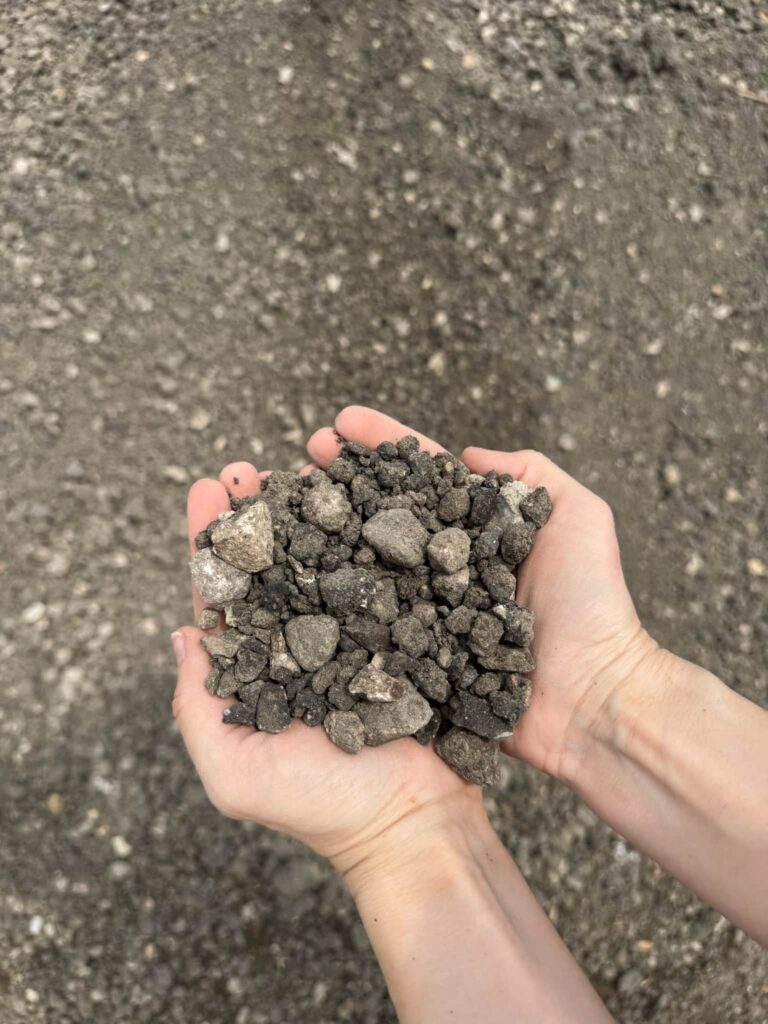 Price by ZIP
- SizeDense-graded, varies
- Density2400 lb/yd³
- ColorBlack
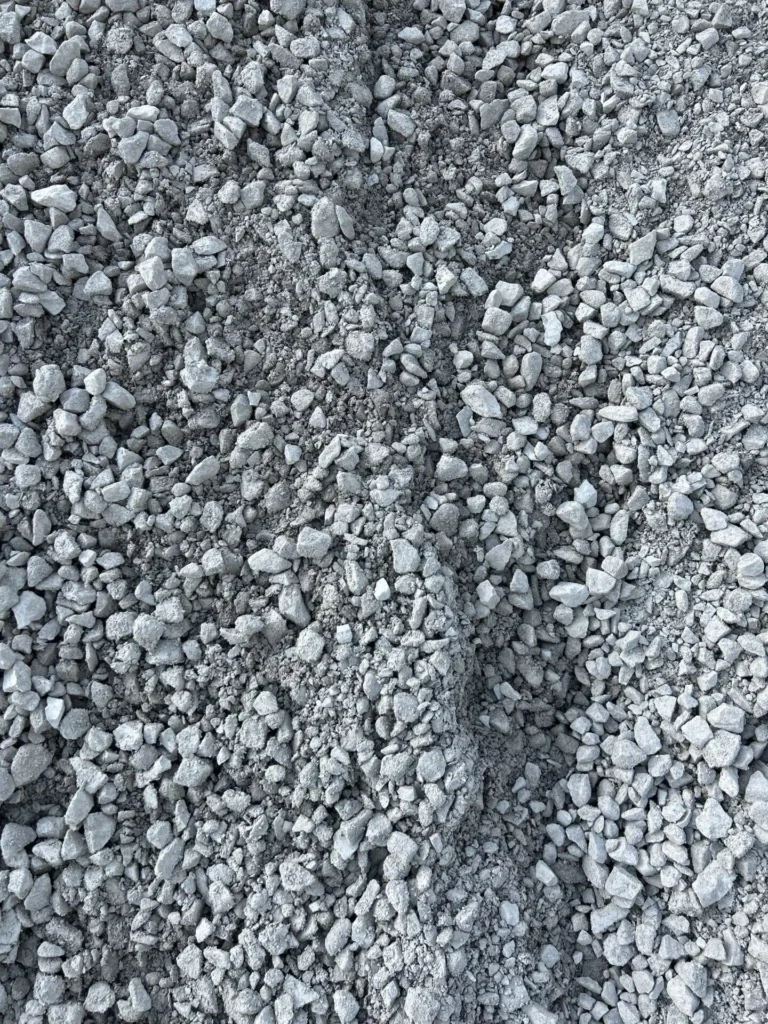 Price by ZIP
- SizeDense-graded, varies
- Density2850 lb/yd³
- ColorGray
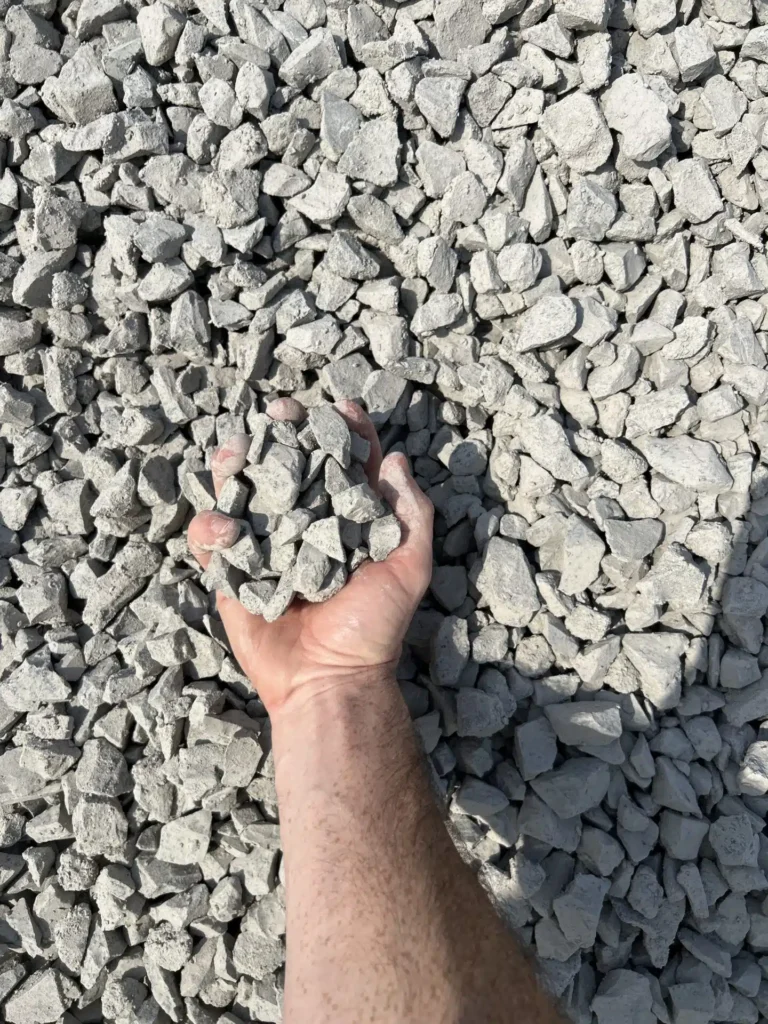 Price by ZIP
- Size3/4 - 1″
- Density2700 lb/yd³
- ColorGray
How a drainage gravel project goes
- Assess your drainage problemIdentify where water pools or floods on your property. Baton Rouge's heavy rainfall and clay soil create drainage challenges. Look at slope, nearby structures, and areas where water collects after rain.
- Choose your material#57 Crushed Stone and River Rock are both sold by the ton and work well in drainage systems. Stone handles heavy water flow; river rock offers a finished look if your trench is visible. Both drain quickly.
- Calculate depth and order quantityPlan 4 to 6 inches deep for most drainage trenches. Use the calculator to enter your trench length and width, then convert cubic yards to tons. Order at least 15 tons for free delivery in Baton Rouge.
- Prepare the baseClear the trench, compact the bottom soil, and add landscape fabric to prevent dirt from mixing with gravel. A 2 to 3 inch sand layer under the gravel improves drainage and keeps stone from sinking into clay.
- Spread and maintainSpread gravel evenly across the trench, rake smooth, and compact lightly. Check drainage after heavy rain. Top off with fresh stone yearly as material settles and clay works up from below.
Estimate your material
Calculate Your Project
Estimate only. Add 10-15% for compaction and waste.
Drainage gravel in Baton Rouge's climate
Picking the right material for a drainage gravel project in Baton Rouge comes down to how the climate treats it. Subtropical with high water table in many parishes. Drainage and erosion control drive material choice. For drainage gravel work specifically, that means choosing material that handles local moisture and traffic loads without re-dressing every season.
The small market profile of Baton Rouge also shapes how a project runs. Most jobs are residential, with the occasional school or municipal project. Truck access is usually wide and turnarounds run fast.
Where we deliver drainage gravel material in Baton Rouge
Our delivery footprint around Baton Rouge covers the core city plus a typical 35-mile radius. Recent drainage gravel drops have included:
- in-town craftsman homes in and around Baton Rouge
- townhouse rows in newer developments in and around Baton Rouge
- light industrial yards near the rail line in and around Baton Rouge
- rural acreage outside the limits in and around Baton Rouge
If your address is outside that radius, send your ZIP through the contact form and we will confirm coverage within an hour.
Pricing for drainage gravel in Baton Rouge
Here is what the recommended drainage gravel materials are running in Baton Rouge right now. Full-truck orders (16 tons or more) typically save 15 to 20 percent off these per-ton rates.
| Material | Price from |
|---|---|
| Crushed Concrete Delivery in Baton Rouge, LA | Quote on request |
| Asphalt Millings in Baton Rouge Delivered Fast | Quote on request |
| Road Base Delivery in Baton Rouge, LA | Quote on request |
| #57 Crushed Stone Delivery in Baton Rouge, LA | Quote on request |
Browse more
Recommended materials in Baton Rouge
Same project in nearby cities
Tools to plan your project
Related guides
 GUIDEHow Deep Should a Gravel Driveway Be? Layer GuidePractical, field-tested guide: how deep should gravel driveway be. Pulled from real US installer notes and 2026 supplier price data.Read guide →
 GUIDEHow Much Does River Rock Cost? By Ton or YardRiver rock cost depends on your ZIP code, order size, and whether you buy by the ton or the cubic yard. Here is how pricing works.Read guide →GUIDEWhat Size Crushed Stone Goes Under a Concrete SlabMost slabs need 4 to 6 inches of compacted crushed stone underneath. What size crushed stone under a concrete slab needs, and why it matters.Read guide →GUIDEWhat Is Crushed Stone? Sizes, Uses and Buying BasicsCrushed stone is quarried rock crushed and screened into angular pieces sold by the ton. Here is what it is, how it is graded, and where to use it.Read guide →
Frequently Asked Questions
How much drainage gravel do I need for a 40-foot trench?
A 40-foot trench that is 2 feet wide and 5 inches deep needs about 1.2 cubic yards of stone. Using the calculator, that converts to roughly 1.8 tons. Order 3 to 4 tons to have buffer for compaction and settling. Include a sand base layer above compact clay.
Can I use drainage gravel on ground that stays wet?
Gravel alone won't fix permanently wet ground. If water sits most of the year, you need perforated drain pipe beneath the gravel to channel it away. Gravel around pipe speeds water toward the outlet. Test your soil's permeability first, or consult a drainage contractor about installing a full French drain system.
Should I use sand under my drainage gravel?
Yes. A 2 to 3 inch sand layer between compact clay and gravel prevents clay particles from mixing into the stone. Sand drains while staying stable. Skip the sand only if your trench base is already loose or mulched. In Baton Rouge's clay soil, sand is a worthwhile investment.
How often does drainage gravel need replacing?
Gravel settles and clay works up into the stone over 2 to 3 years in Baton Rouge's wet climate. Top-dress your trench with fresh stone annually and rake out mud and debris. A full replacement every 3 to 4 years keeps drainage performing at its best.
What's the difference between river rock and crushed stone for drainage?
River Rock is smooth and decorative, good for visible drainage swales. Crushed Stone. Both sell by the ton and drain Baton Rouge's heavy rain.
Is landscape fabric necessary under gravel?
Landscape fabric is essential in Baton Rouge. It stops clay from migrating up into your gravel, which would clog drainage. Use weed-blocking landscape fabric, pin it firmly, and spread sand and gravel on top. Fabric adds a small cost and extends the life of your system by years.
Can I mix river rock and crushed stone in the same trench?
Mixing is possible but not recommended. Crushed stone compacts and moves water differently than river rock below where it does the work.
What delivery timeframe should I expect?
Drainage gravel orders of 3 to 8 tons in Baton Rouge typically arrive in 1-2 business days. Orders of 15 tons or more qualify for free delivery and faster scheduling. Call or order online to confirm availability and pick your delivery window. Arrival times depend on your location within Baton Rouge.