Crushed Stone vs Gravel: Which One Fits Your Project
Side by side on size, drainage, compaction, look, and cost. No fluff, just the numbers and the trade-offs.
Side by side comparison
| Attribute | Crushed Stone | Gravel |
|---|---|---|
| Typical size | Varies by grade, from fine screenings up to large chunks | Varies by type, from small pea size up to larger rounded stones |
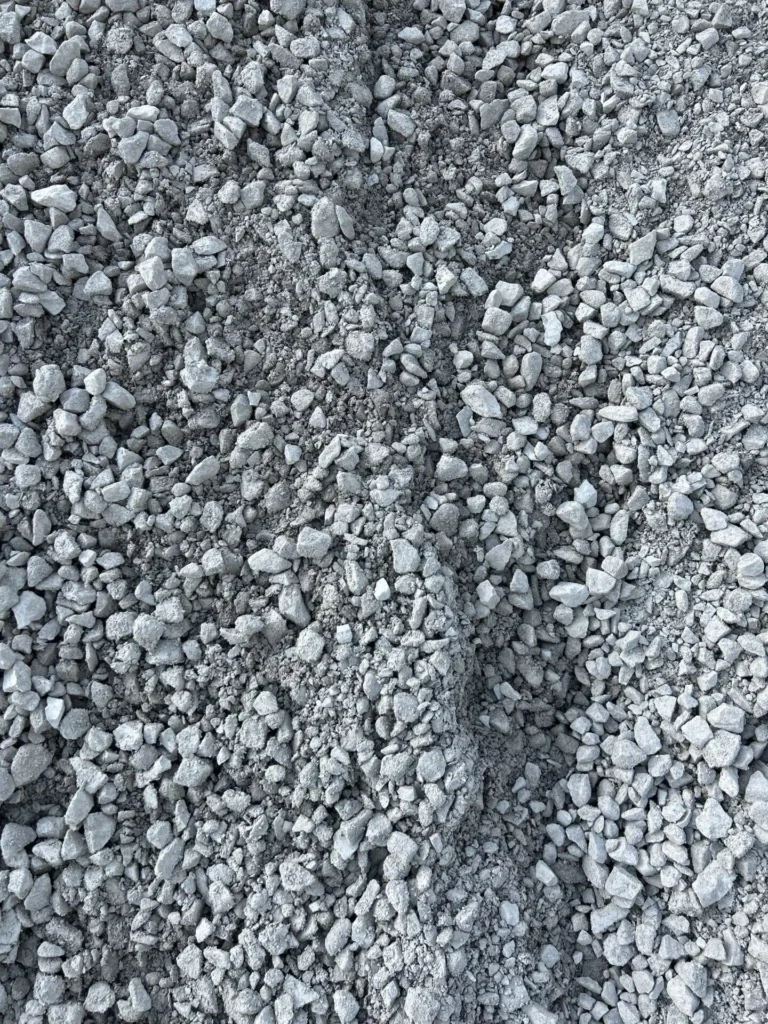
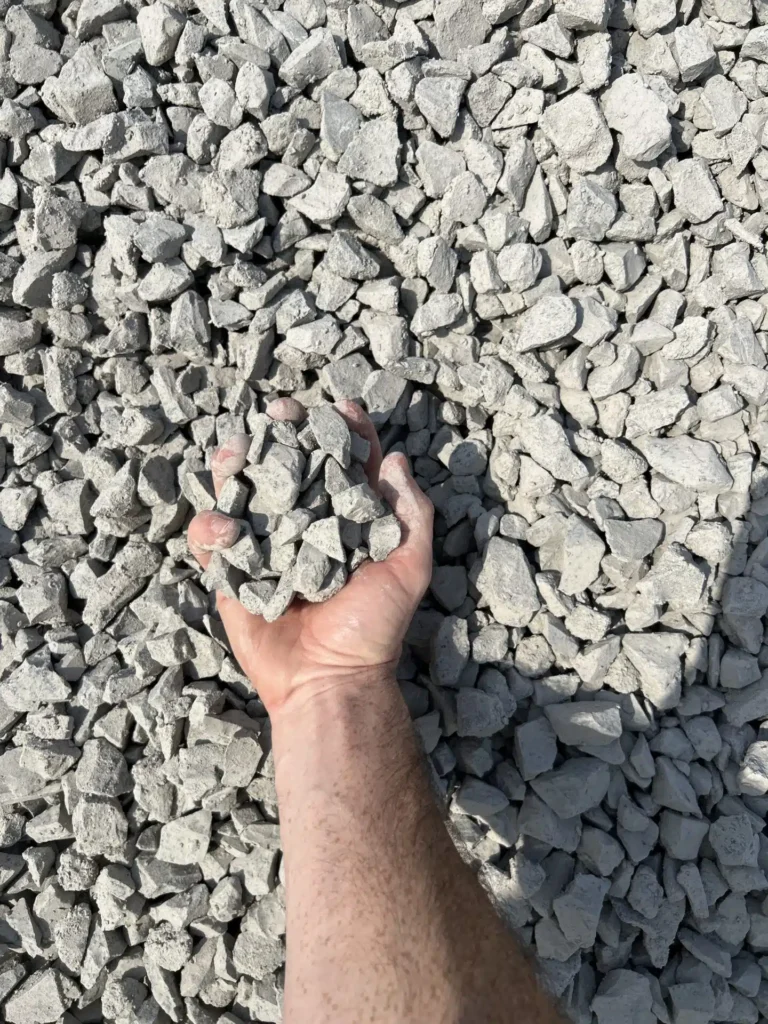
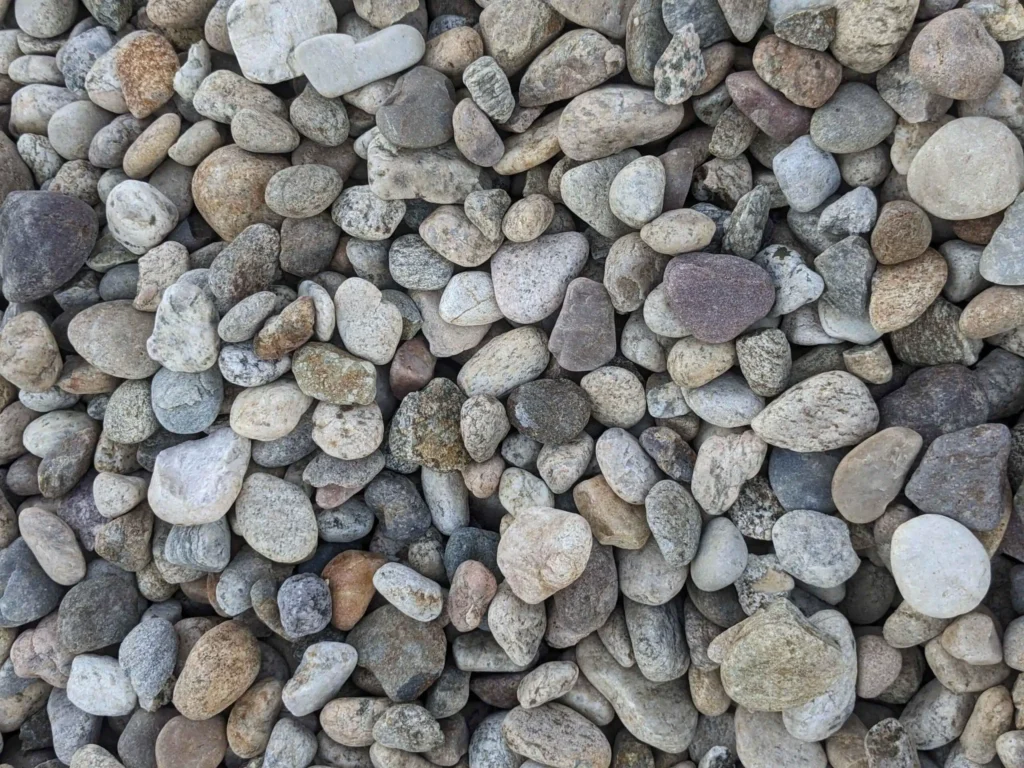
| Look and color | Gray, angular stone with sharp broken faces | Mixed natural tones such as tan, brown and gray, with rounded faces |
| Drainage | Drains well once compacted, water passes through the angular voids | Drains freely since rounded stones do not interlock or seal the surface |
| Compaction and stability | Compacts tight and locks together for a stable, load bearing base | Stays loose underfoot and shifts more since the stones are rounded |
| Best uses | Driveways, patios, base layers under pavers and slabs, walkways | Drainage beds, French drains, decorative borders, informal paths |
| Weed control and upkeep | Tight compaction limits weed growth once installed and edged | Looser surface lets more weeds through and needs more frequent upkeep |
| Weight per cubic yard | About 2,700 pounds per cubic yard | Not listed here since gravel weight varies by stone size and moisture, unlike the fixed crushed stone figure |
| Typical delivered cost | Priced per ton, delivered cost set by your ZIP code | Priced the same way, by delivered load, cost set by your ZIP code |
| Lifespan | Holds its compacted base for years with minimal top dressing | Needs more frequent top dressing as loose stone migrates and settles |
Verdict
Crushed Stone vs Gravel: The Head to Head Summary
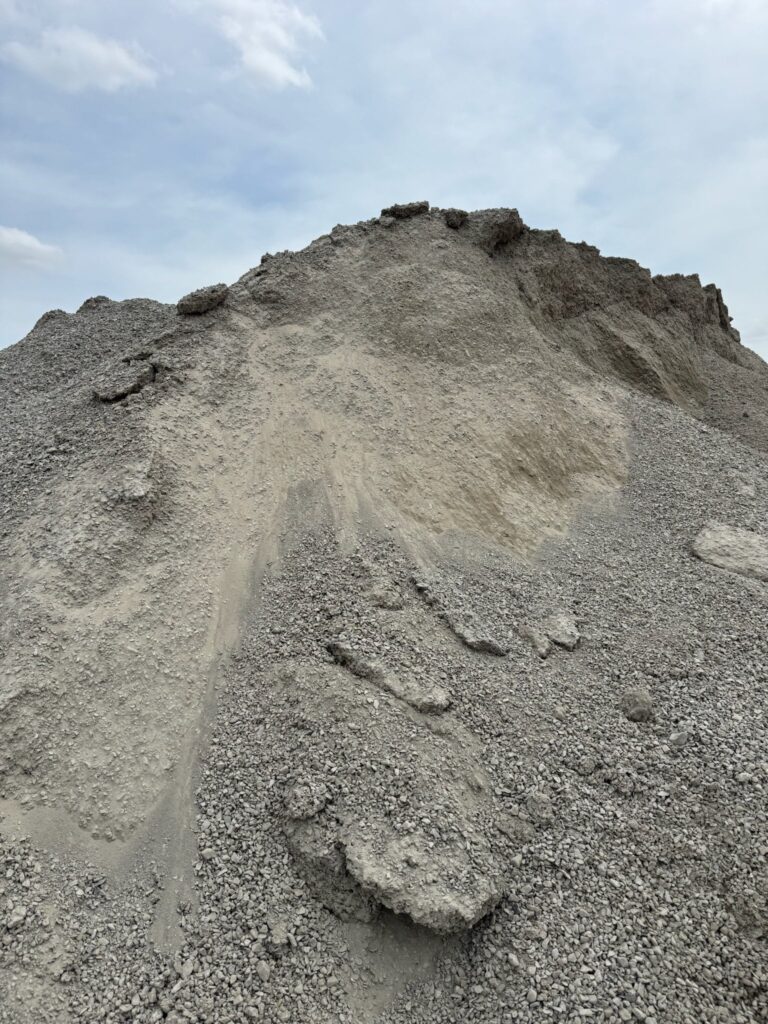
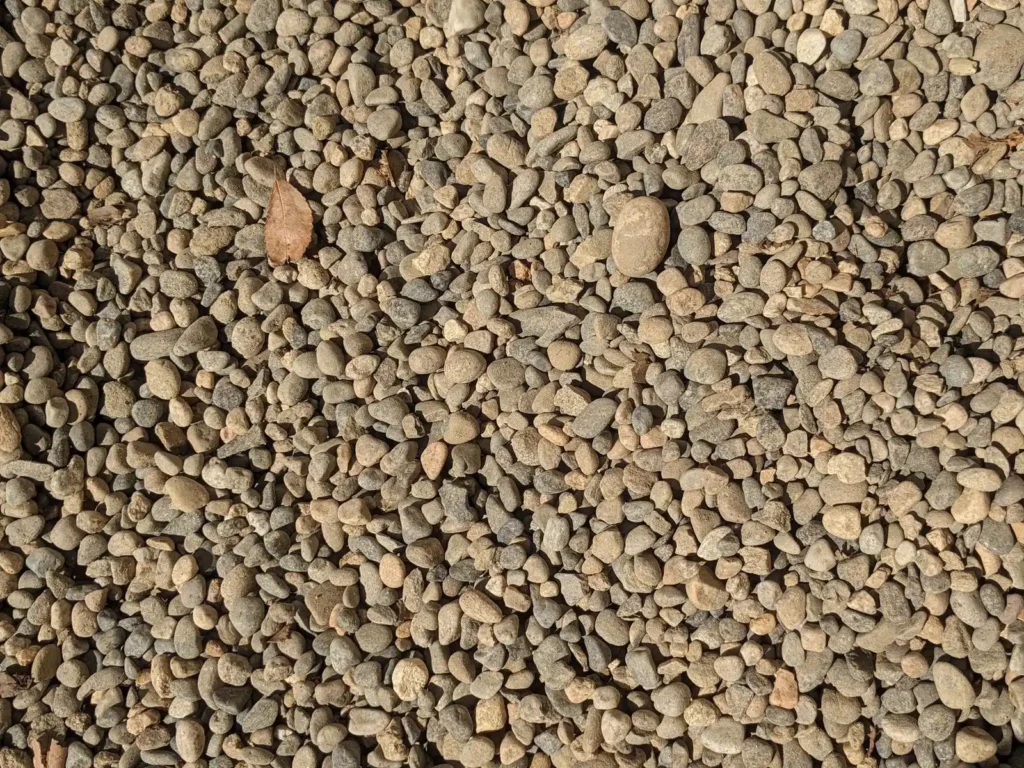
Crushed stone vs gravel is the first fork in the road for most driveway, patio base and drainage projects. Both are common bulk aggregates, both get delivered by the load, and both look similar in a photo, but they come from different processes and behave differently once they are spread and walked on. Crushed Stone is mechanically crushed rock with sharp, angular faces that lock together when compacted. Gravel is naturally rounded or lightly processed stone that stays loose and shifts more freely underfoot.
That single difference, angular versus rounded, drives almost every other difference on this page: how well each one compacts, how it drains, how it looks, and how often it needs to be topped off. Neither material is the wrong answer. The right one depends on whether your project needs a stable, load bearing surface or a loose, free draining one.
What Actually Makes Them Different
Crushed stone compacts into a firm base. Rounded pieces roll past each other instead of locking, which is why gravel always feels looser underfoot, even packed down.
Where Each One Wins
When Crushed Stone Wins
Crushed stone earns its keep anywhere weight has to be carried without the surface sinking or rutting. The angular edges bite into each other under a compactor, which is why it shows up under driveways, patios, sheds and paver or slab bases. #57 Crushed Stone is the grade most homeowners land on for a general purpose driveway or base layer, since it compacts tight but still lets water pass through.
- Driveways and parking pads that carry vehicle weight
- Base layers under pavers, slabs and sheds
- Walkways that need to stay firm underfoot
- Backfill around footings and retaining walls
When Gravel Wins
Gravel wins wherever a looser, more natural fill is the goal rather than a locked in surface. Rounded stone moves water through quickly without packing solid, which is useful in drainage beds, around downspouts and French drains, and along informal paths where a hard, compacted surface is not the point. It also reads as a softer, more natural material underfoot and in a planting bed.
- Drainage beds and French drains
- Decorative borders and planting beds
- Informal garden paths
- Fill around drain pipe and downspouts
Cost Comparison
Both materials are priced by the delivered load, with your final cost set by ZIP code, load size and distance from the yard rather than by the material name alone. Crushed stone is sold by the ton. Gravel is priced the same way, by delivered load, so there is no separate line item for choosing one over the other. Because pricing swings by location, the fastest way to see real numbers for your address is the delivery calculator, which turns your ZIP code and yardage into a delivered price before you order.
To estimate how much either material you need before you check pricing, use the standard depth formula: cubic yards equal length in feet times width in feet times depth in inches, divided by 324. Run that number for both a crushed stone base and a gravel top dressing and you can compare total delivered cost for the same footprint instead of guessing at coverage.
Installation Differences
Crushed stone installs in compacted layers. A base course goes down first, gets run over with a plate compactor, and additional lifts follow the same pattern until the grade is right. Many installers also lay geotextile fabric under the first layer to stop the stone from working down into the soil below. Edging is common but not always required once the stone locks together.
Gravel installs faster since there is no compaction step to speak of. You spread it, rake it level, and it is ready to walk on the same day. That speed comes with a tradeoff: without edging to contain it, gravel spreads into lawns and walkways over time, and low spots need to be raked and refilled more often than a compacted crushed stone base. Neither material needs special tools beyond a rake, a shovel and, for crushed stone, a plate compactor for anything load bearing.
Verdict: Crushed Stone vs Gravel
when the project has to bear weight, hold a shape, or sit under pavers, a shed or a slab. Pick gravel when the goal is drainage, a looser natural look, or a bed that does not need to compact at all. For most driveways and structural base work, #57 Crushed Stone is the stronger choice because it locks together and stays put under repeated traffic. For drainage beds, borders and informal paths, gravel remains the better fit, since its loose, rounded structure is exactly what those projects need.
If your project sits somewhere in between, such as a path that also needs to handle occasional foot and cart traffic, lean toward crushed stone for the base and finish with a thinner layer of gravel on top for the look you want. That combination gets the compaction benefit of crushed stone with the softer surface of gravel.
Bottom line: For driveways, patios and any base that has to stay compact and load bearing, #57 Crushed Stone beats gravel, while gravel keeps the edge for drainage beds and looser, informal areas.
Browse product hubs
Top cities for these materials
Plan with a calculator
Related guides
 GUIDEGravel Size Chart: Pea Gravel to Crushed StoneA gravel size chart showing pea gravel, crushed stone and river rock diameters side by side, so you can match the right size to your project.Read guide →
 GUIDEThe Different Types of Gravel and How to ChooseA plain-language guide to the main types of gravel, covering pea gravel, crushed stone, river rock and decomposed granite.Read guide →
 GUIDEWhat Are Screenings? A Guide to Crushed Stone FinesScreenings are fine crushed stone used for paver bases, joint fill and walkways. See what screenings are, common types, and mistakes to avoid.Read guide →
 GUIDEHow Much Does Gravel Cost? A Practical Pricing GuideHow much does gravel cost and why does it vary? See the real factors behind ton pricing, delivery, and order size before you buy.Read guide →
Frequently Asked Questions
Is crushed stone stronger than gravel for a driveway base?
Yes, in most cases. Crushed stone has angular faces that lock together under compaction, which creates a stable base that resists rutting under vehicle weight. Gravel is rounded and does not interlock the same way, so it stays looser and can shift more under repeated traffic, especially without edging to hold it in place.
Can gravel be used instead of crushed stone under pavers?
It is not recommended. A paver base needs to compact into a stable, load bearing layer, and rounded gravel does not lock together the way angular crushed stone does. Pavers set on gravel are more likely to shift or settle unevenly over time, especially in areas with foot or vehicle traffic.
Which drains better, crushed stone or gravel?
Both drain well, but for different reasons. Crushed stone drains through the voids left between its angular pieces even after compaction. Gravel drains just as freely, or more so, since its rounded stones never lock together or seal the surface, letting water pass through easily in drainage beds and French drains.
Does gravel need edging the way crushed stone does?
Gravel benefits from edging more than crushed stone can migrate too, but its compacted base holds its shape better between top dressings.
How often does each material need to be topped off?
Crushed stone holds its compacted base for years with only light top dressing here and there. Gravel is looser by nature, so it migrates and settles faster, especially in high traffic spots or on a slope, and typically needs more frequent refilling to keep coverage even across the area.
Is crushed stone or gravel better for a drainage bed?
Gravel is usually the better fit for drainage beds and French drains, since its rounded stones stay loose and let water pass through without compacting solid. Crushed stone still drains well, but it is better suited to base layers and driveways where some compaction and stability are also needed.