57 Stone Calculator
Quickly estimate cubic yards, tons, and material cost for your #57 Crushed Stone project. Adjust the inputs below and the result updates in real time.
Calculate Your Project
Estimate only. Add 10-15% for compaction and waste.
How this calculator works
#57 Crushed Stone is denser than lighter materials such as mulch, a smaller volume still carries meaningful weight, which is why the tool reports tons rather than cubic yards for your final order.
The 57 stone calculator on this page turns your length, width and depth into a delivered order of #57 Crushed Stone, priced and sold by the ton. Enter your measurements and the tool applies the density math for you, so the number it returns is the tonnage to order, not a rough guess.
What This 57 Stone Calculator Computes
This 57 stone calculator takes three inputs, length in feet, width in feet and depth in inches, and returns two numbers: cubic yards of material and tons to order. It runs on the actual weight of #57 Crushed Stone, about 100 pounds per cubic foot, so the tonnage figure already accounts for how dense this material is compared to lighter products like mulch or topsoil. You can adjust any input and the totals update, which makes it easy to test a few depth options before you settle on an order.
Density and the Yards to Tons Conversion
#57 Crushed Stone weighs about 2,700 pounds per cubic yard. Since a ton is 2,000 pounds, that works out to roughly 1.35 tons for every cubic yard. The calculator uses this figure automatically, but if you already have a cubic yard total from a different tool or a contractor estimate, you can run it through the cubic yards to tons converter, once to get a matching tonnage figure without redoing the area math. This density is on the heavier side for aggregates, which is why the same footprint of stone weighs noticeably more than an equal footprint of soil or mulch.
Depth Guidance for #57 Crushed Stone
Depth is the input that changes your total the most, since it is multiplied straight into the cubic yard figure. A shallow layer, in the 2 to 3 inch range, is typical for a thin topping over an existing base. Deeper layers, from 4 inches up to 6 inches or more, are common where the stone itself is doing the structural work, such as a base or drainage layer that needs to stay stable under load. If you are unsure which depth applies to your project, running the calculator at two or three depths side by side is a quick way to see how much the tonnage shifts before you commit to an order.
Ordering Tips and Overage
Area measurements are rarely exact once you account for uneven ground, curves or a slightly larger footprint than planned, so most orders build in some overage above the calculator's raw total. Rounding your tonnage up to the next half ton or full ton is a simple way to cover that gap without paying for a full extra delivery later. It also helps to measure the widest and longest points of an irregular area rather than an average, since underestimating width or length has a bigger effect on total tons than a small miss on depth.
Materials this calculator covers
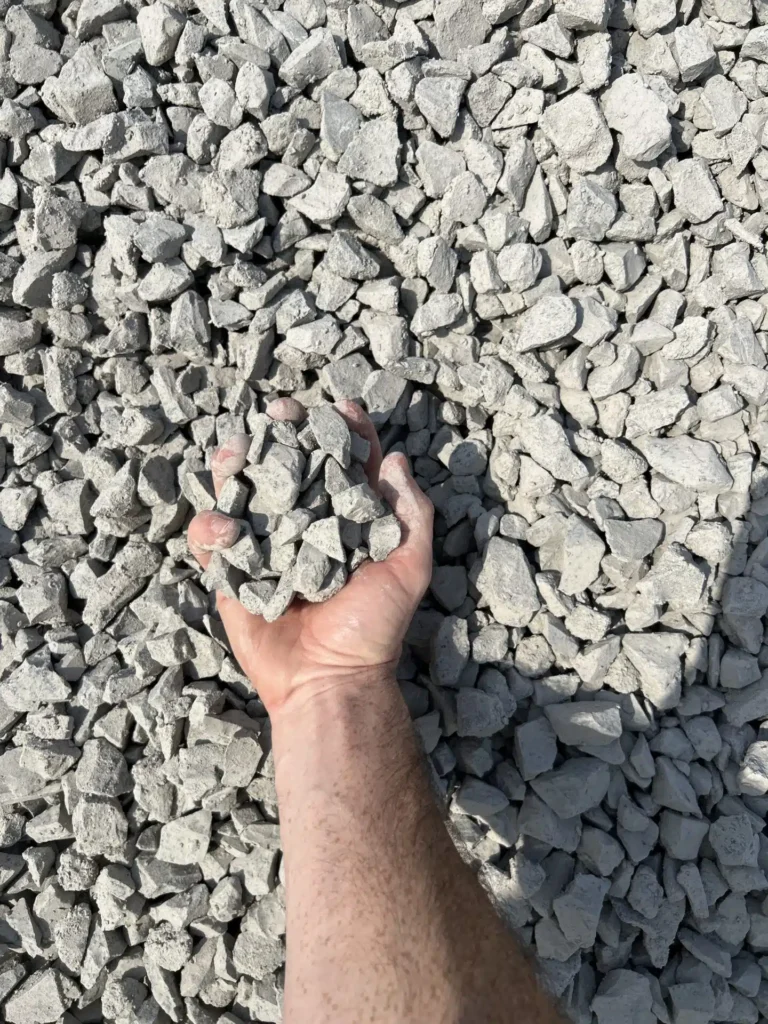
From $48.68/ton- Size3/4 - 1″
- Density2700 lb/yd³
- ColorGray
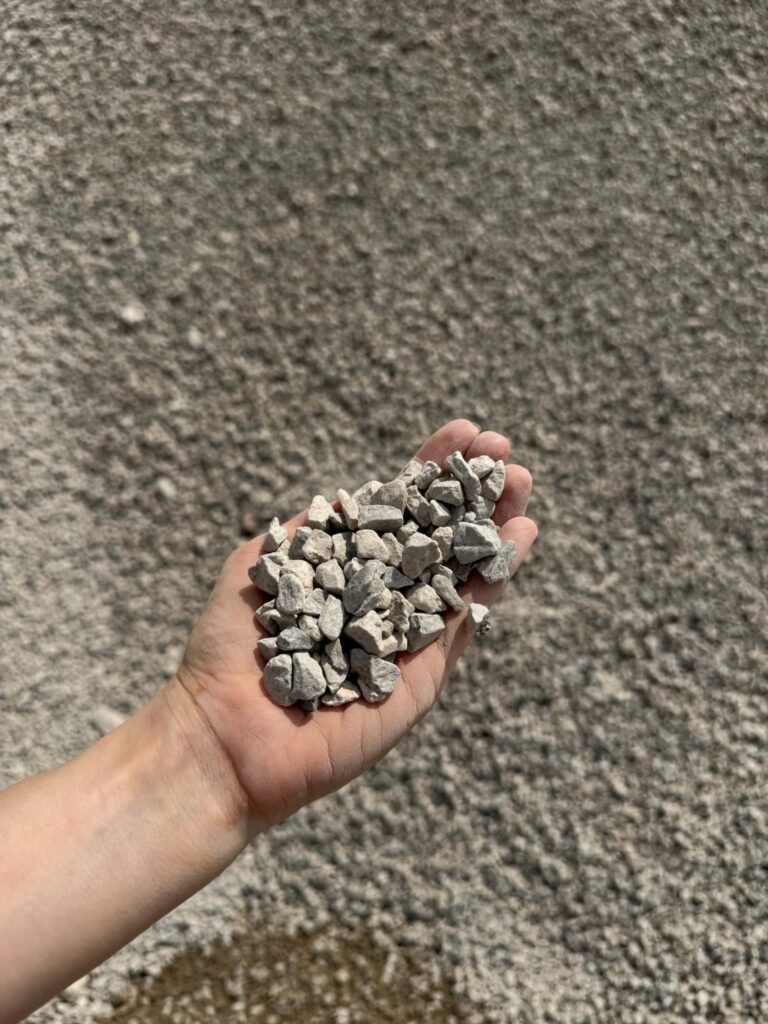 From $49.10/ton
- Size1/2 - 3/4″
- Density2650 lb/yd³
- ColorGray
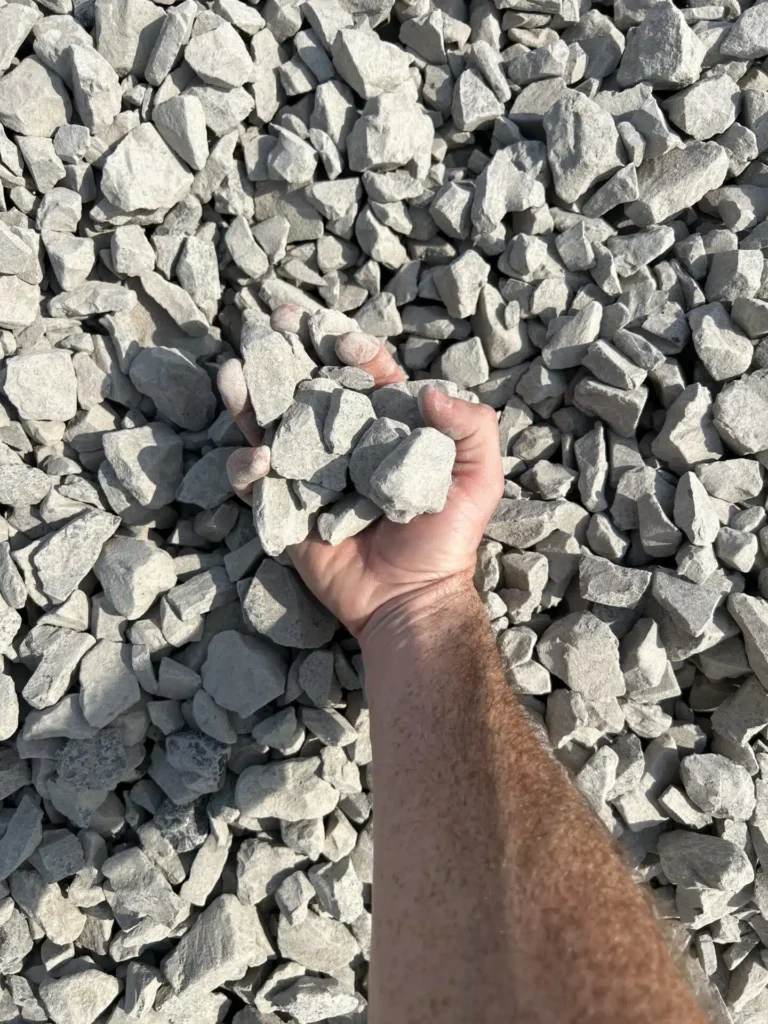 From $56.90/ton
- Size1.5 - 2.5″
- Density2800 lb/yd³
- ColorGray
Other calculators
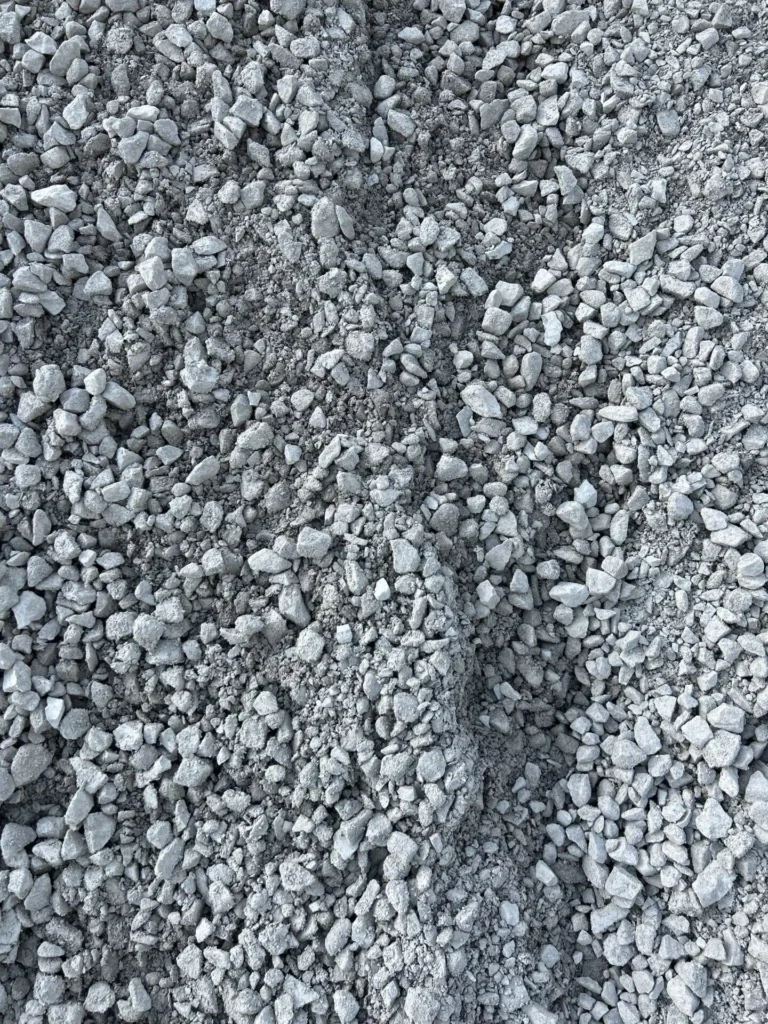 CALCULATORCrusher Run CalculatorUse this crusher run calculator to convert length, width and depth into the tons to order, based on crusher run's real compacted density.Open calculator →
 CALCULATORRetaining Wall Backfill CalcCalculate the backfill aggregate needed behind a stone or block retaining wall.Open calculator →CALCULATORGravel Driveway CalculatorFree Gravel Driveway Calculator - enter your area in square feet and depth in inches and get instant tons, cubic yards, and an estimated material cost.Open calculator →CALCULATORParking Lot Gravel CalculatorCommercial parking lot aggregate planner. Defaults to 6" depth of crusher run.Open calculator →
Related guides
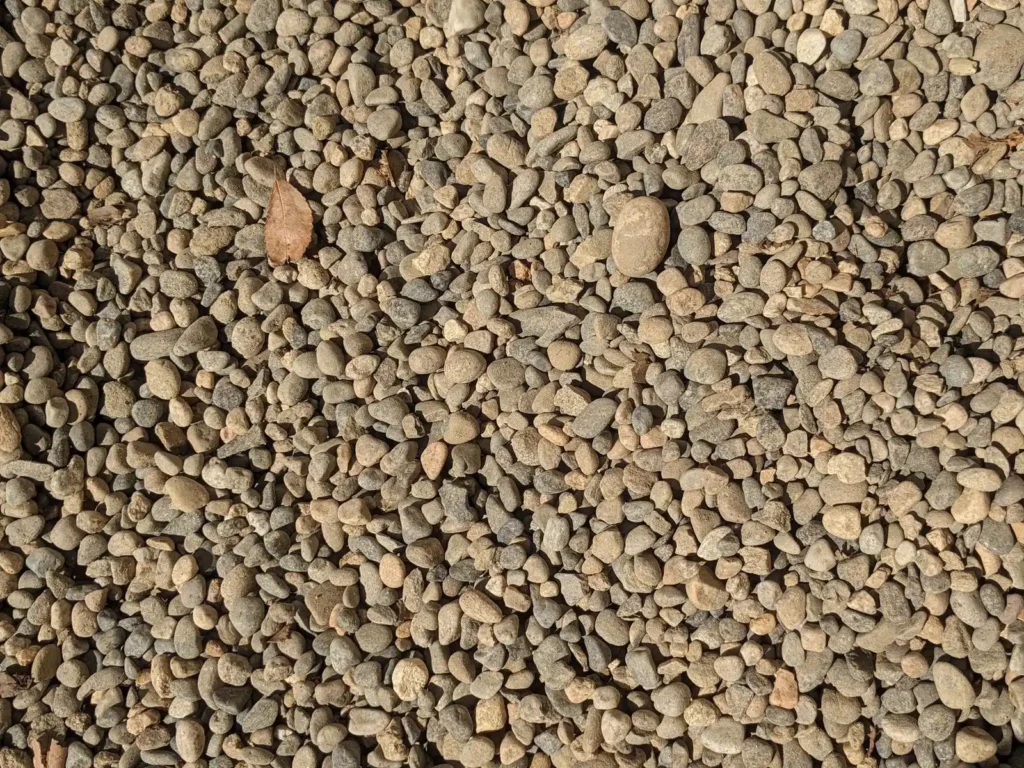 GUIDEHow Much Does Gravel Cost? A Practical Pricing GuideHow much does gravel cost and why does it vary? See the real factors behind ton pricing, delivery, and order size before you buy.Read guide →GUIDEWhat Size Crushed Stone Goes Under a Concrete SlabMost slabs need 4 to 6 inches of compacted crushed stone underneath. What size crushed stone under a concrete slab needs, and why it matters.Read guide →GUIDEWhat Is Crushed Stone? Sizes, Uses and Buying BasicsCrushed stone is quarried rock crushed and screened into angular pieces sold by the ton. Here is what it is, how it is graded, and where to use it.Read guide →
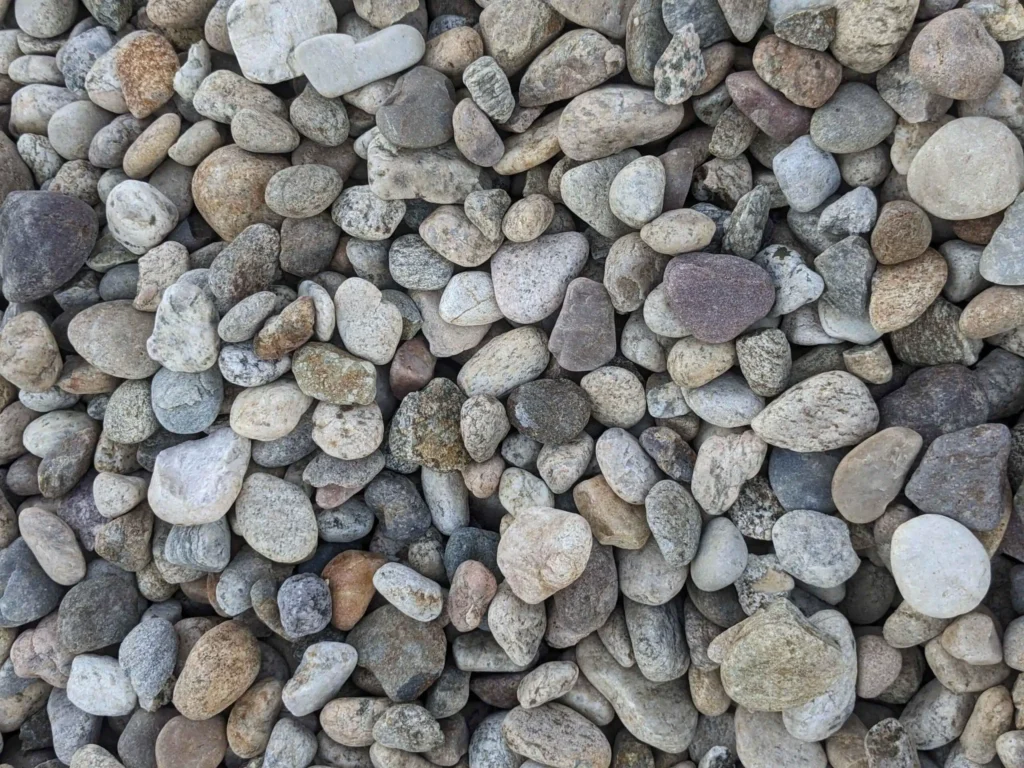 GUIDEThe Different Types of Gravel and How to ChooseA plain-language guide to the main types of gravel, covering pea gravel, crushed stone, river rock and decomposed granite.Read guide →
Frequently Asked Questions
How many tons of #57 crushed stone do I need for 100 square feet?
It depends on depth. At a 4 inch depth, 100 square feet works out to about 1.2 cubic yards, which comes to roughly 1.7 tons of #57 Crushed Stone. At a shallower 2 inch depth, the same 100 square feet needs closer to 0.6 cubic yards, or about 0.8 tons. Enter your exact depth into the calculator for a precise figure.
How many tons are in a cubic yard of #57 crushed stone?
About 1.35 tons. #57 Crushed Stone weighs roughly 2,700 pounds per cubic yard, and since a ton is 2,000 pounds, that converts to 1.35 tons per cubic yard. This is heavier than lighter yard products, so the tonnage on a delivery ticket will look larger than the cubic yard figure you may be used to from soil or mulch.
Why does this calculator return tons instead of cubic yards?
Because #57 Crushed Stone is sold and delivered by the ton, not the cubic yard. The calculator still works out the cubic yard volume internally, using your length, width and depth, but it converts that figure to tons using the material's density before showing you a final number, so the total matches how the order is actually priced and weighed.
What depth should I enter for a base or drainage layer?
Base and drainage layers generally run deeper than a simple topping, often 4 to 6 inches or more, since the stone is carrying load or moving water rather than just covering ground. A thinner topping layer of 2 to 3 inches is more typical when the stone sits over an existing compacted base. Enter a few depth options to compare tonnage before ordering.
Should I round up the tonnage the calculator gives me?
Rounding up to the next half ton or full ton is a reasonable practice, since real areas rarely match a calculator's exact rectangle. Uneven ground, curves and slightly larger footprints than planned all eat into a tight estimate. A small buffer above the calculator's raw total avoids running short mid project, without significantly changing the size of the order.
Can I use this calculator for an area with more than one depth?
Run the calculator separately for each section that has a different depth, then add the tonnage results together. For example, a driveway base that steps from 4 inches to 6 inches in one section should be entered as two separate length, width and depth calculations rather than one average depth, since averaging can under or overstate the true tonnage.