
Loam Calculator
Quickly estimate cubic yards, tons, and material cost for your Premium Screened Topsoil project. Adjust the inputs below and the result updates in real time.
Calculate Your Project
Estimate only. Add 10-15% for compaction and waste.
How this calculator works
The calculator multiplies length in feet by width in feet by depth in inches, then divides by 324, since a cubic yard holds 27 cubic feet and there are 12 inches in a foot. That step turns your area and depth into cubic yards. To get weight, it multiplies your yardage by the density of loam and screened topsoil, about 81.5 pounds per cubic foot, or roughly 2,200 pounds per cubic yard. Because one ton equals 2,000 pounds, a cubic yard of this soil weighs a little over one ton. The combined result gives you a yardage figure to order and a tonnage figure for planning truck access, gate clearance and delivery weight limits.
How the Loam Calculator Works
A loam calculator turns two numbers, the area you need to cover and the depth you want, into the volume of soil to order. Loam is a natural blend of sand, silt and clay, and on this site that blend is sold as Premium Screened Topsoil, priced and delivered by the cubic yard. Enter length, width and depth into the calculator and it returns the cubic yards to order, plus the estimated delivered weight in tons so you know what a truck is carrying.
The math behind the tool is straightforward. Multiply length in feet by width in feet by depth in inches, then divide by 324 to get cubic yards. The calculator also converts that volume into tons using the density of the material, so you can plan truck access, gate widths and driveway weight limits before a load arrives.
Depth Guidance for Topsoil and Loam
Depth depends on what the soil is doing. For topdressing an existing lawn, plan on 1 inch to 2 inches. For raising a new lawn bed or leveling low spots before sod goes down, use 4 inches to 6 inches. For garden beds and raised planting areas, 6 inches to 12 inches gives roots room to establish and drain well. If you are blending in Garden Soil for a vegetable bed, run the same depth math for that layer and add the two calculator results together for one combined order.
Density and the Yards to Tons Conversion
Screened topsoil and loam are heavier than they look. This material runs about 81.5 pounds per cubic foot, which works out to roughly 2,200 pounds per cubic yard, just over one ton. That density is higher than bark mulch or wood chips because soil holds moisture and mineral particles pack tightly together. The calculator applies this density automatically, so the tonnage it returns already reflects a settled, moist yard of material rather than a dry, loose one.
If you already know your yardage and only need the weight, use the cubic yards to tons converter, once you have that number, to confirm delivered tonnage for scheduling a truck and checking axle or driveway limits.
Ordering Tips and Overage
Order about 10 percent more than the calculator's raw output to cover compaction, an uneven subgrade and material that settles after the first rain. Rounding your final order up to the nearest half yard also matches how most loads are measured and billed, so you rarely lose the overage. For general fill, lawn topdressing and most landscaping, Premium Screened Topsoil is the standard order. For vegetable gardens and containers, the finer, richer mix in Garden Soil is usually the better fit, and both can be sized using the same length, width and depth inputs.
Materials this calculator covers
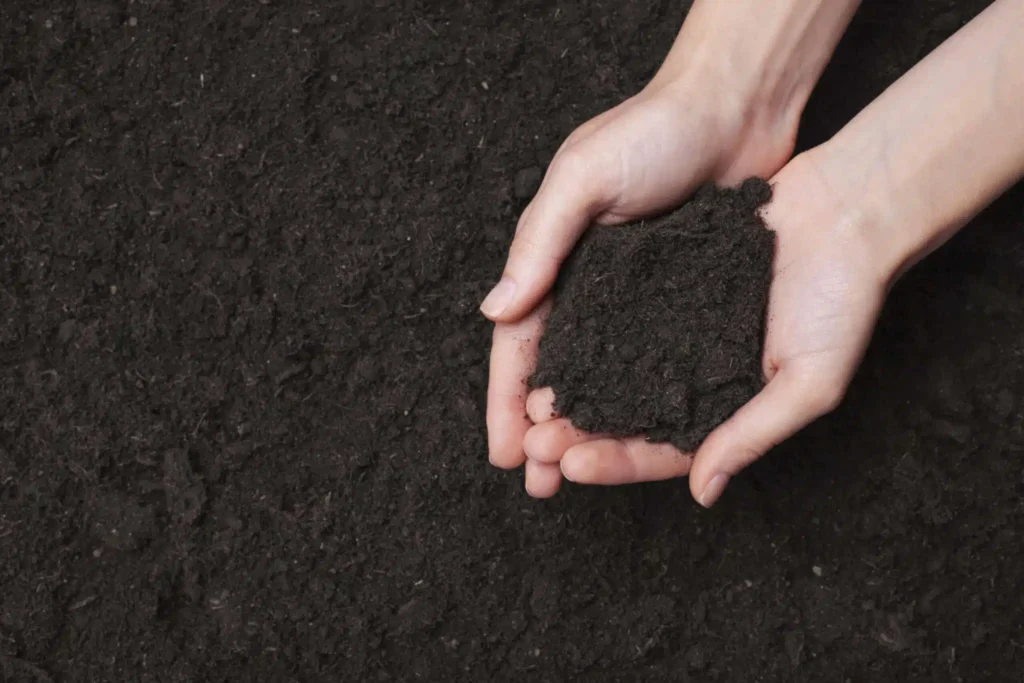
From $44.03/yard- SizeScreened, no size grade
- Density2200 lb/yd³
- ColorDark brown
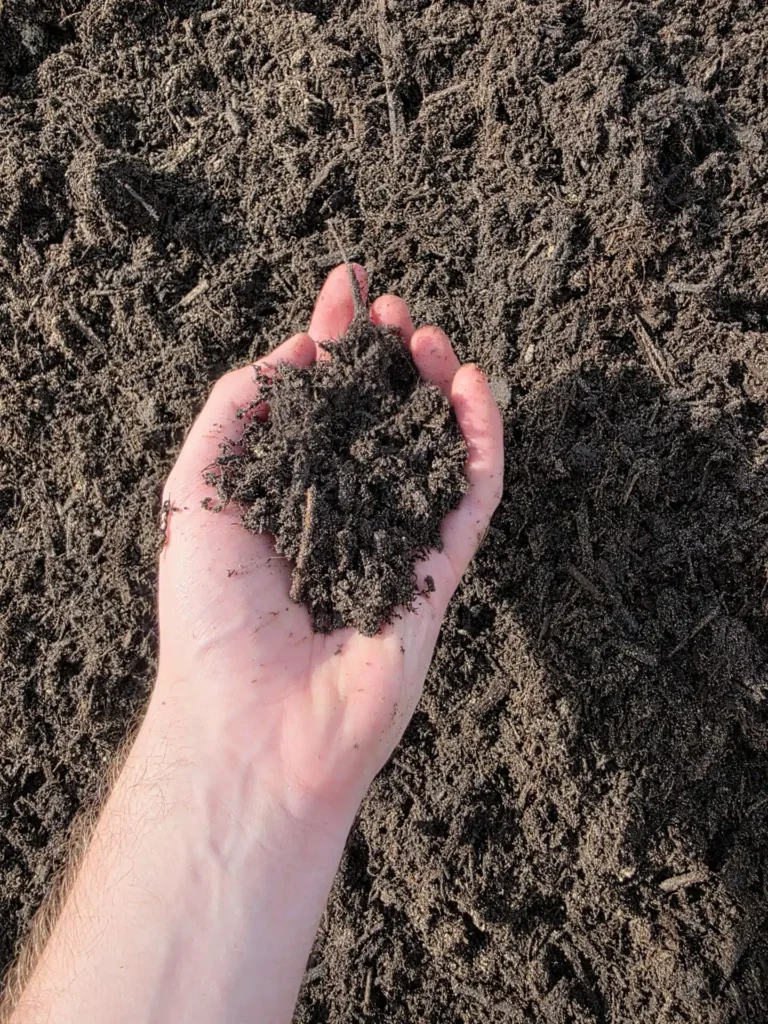 From $44.03/yard
- Density2000 lb/yd³
- ColorDark brown
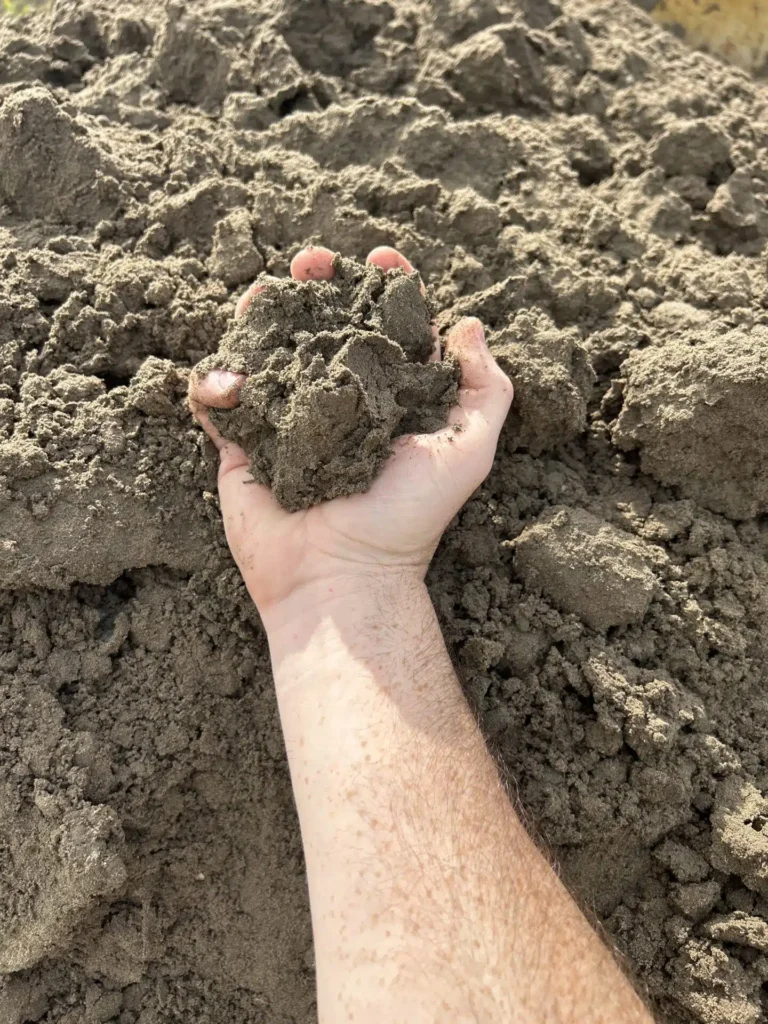 From $40.95/yard
- Density2200 lb/yd³
- ColorBrown
Other calculators
 CALCULATORCompost CalculatorUse this compost calculator to find how many cubic yards of compost your beds or lawn need, plus depth and ordering guidance.Open calculator →CALCULATORPlanter Soil CalculatorVolume of garden soil or planting mix for raised beds and planters.Open calculator →CALCULATORFill Dirt Volume CalculatorYards of fill dirt for grading, low-spot repair, or building pad prep.Open calculator →CALCULATORTopsoil CalculatorFree Topsoil Calculator - enter your area in square feet and depth in inches and get instant tons, cubic yards, and an estimated material cost.Open calculator →
Related guides
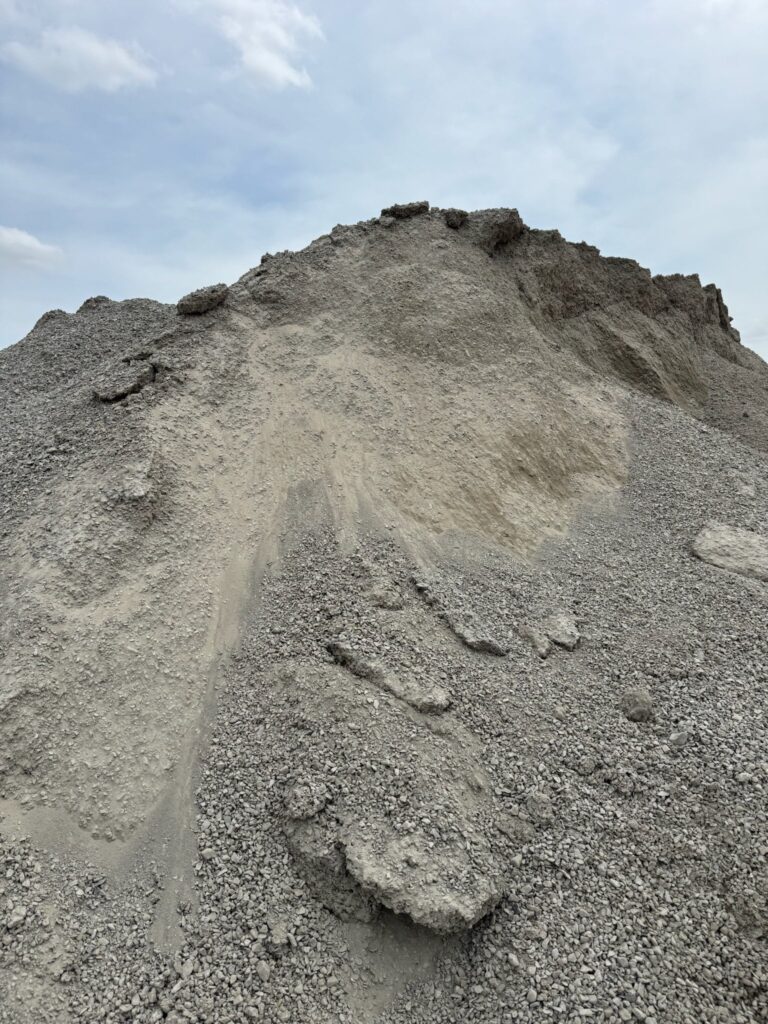 GUIDEWhat Are Screenings? A Guide to Crushed Stone FinesScreenings are fine crushed stone used for paver bases, joint fill and walkways. See what screenings are, common types, and mistakes to avoid.Read guide →
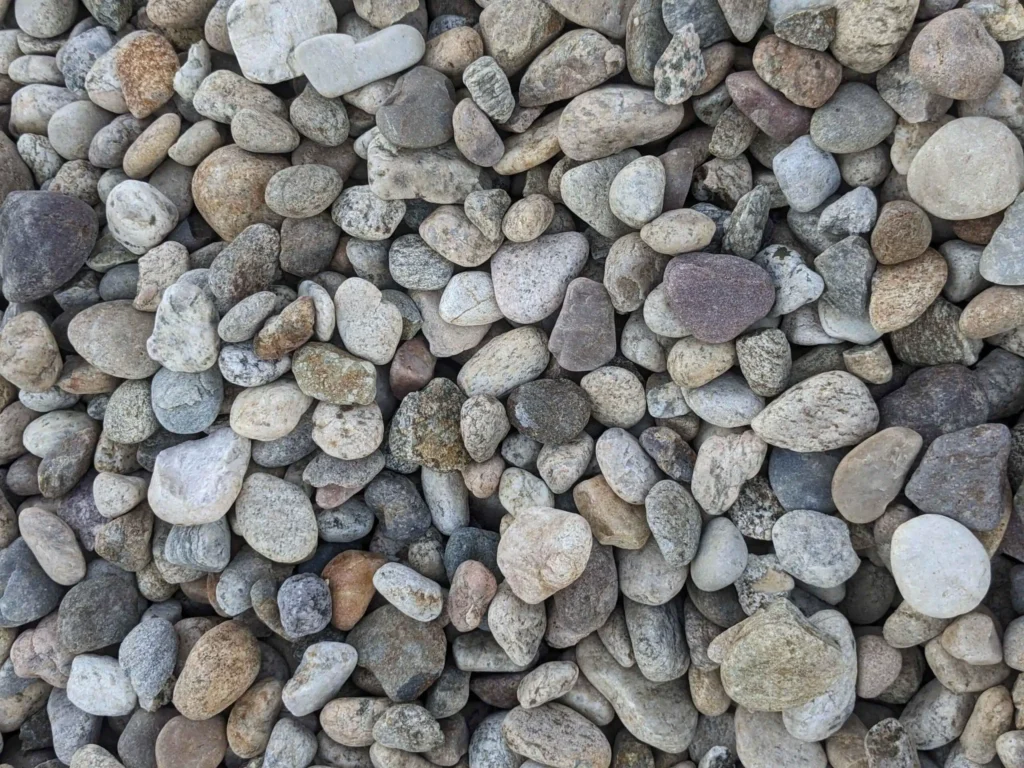 GUIDEWhat to Put Under River Rock for Landscaping BedsHere is what to put under river rock landscaping: a compacted base where needed, then landscape fabric, then rock, to stop weeds and settling.Read guide →GUIDEHow to Clean River Rock and Restore Its ColorLearn how to clean river rock landscaping with rinsing, soap and vinegar methods, plus common mistakes to avoid for a brighter, longer lasting rock bed.Read guide →
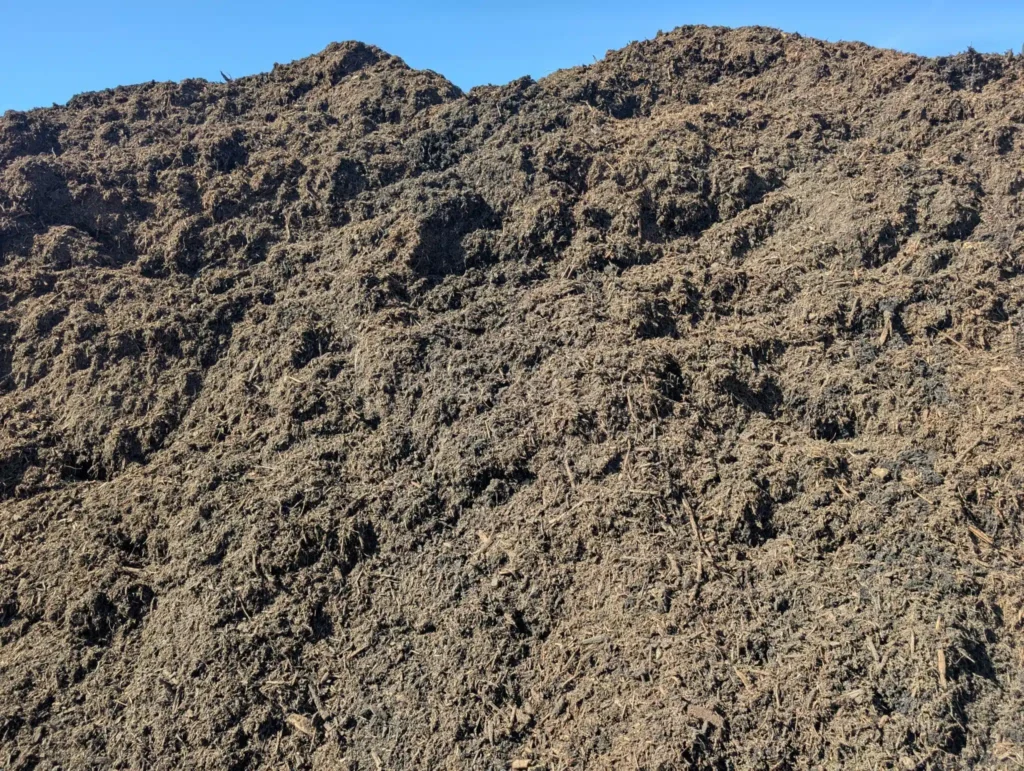 GUIDEHow to Lay a Gravel Driveway: Step-by-Step GuidePractical, field-tested guide: how to lay gravel driveway. Pulled from real US installer notes and 2026 supplier price data.Read guide →
Frequently Asked Questions
How many cubic yards of loam do I need for a 10 by 20 foot area?
Multiply the length by the width to get 200 square feet, then multiply by your depth in inches and divide by 324. At a 3 inch depth that is 200 times 3 divided by 324, or about 1.85 cubic yards. Round up to the nearest half yard and add roughly 10 percent for settling and an uneven grade.
What is the difference between loam and topsoil?
Loam is a soil texture, a balanced mix of sand, silt and clay that drains well and holds nutrients. Topsoil is the graded product sold for delivery. Premium Screened Topsoil is screened to remove rocks, roots and debris, giving you a loam-type blend that is consistent enough to spread, grade and plant into right away.
How much does a cubic yard of loam weigh?
A cubic yard of this soil weighs about 2,200 pounds, or a little over one ton, based on a density of roughly 81.5 pounds per cubic foot. Actual weight shifts a bit with moisture content, since damp soil is heavier than dry soil, but 2,200 pounds per yard is a reliable planning figure for truck loads.
Should I order Premium Screened Topsoil or Garden Soil for a vegetable garden?
Garden Soil is blended richer and finer for planting beds and containers, so it usually performs better for vegetables. Premium Screened Topsoil layer on top.
How much extra loam should I order to cover settling?
Add about 10 percent to the calculator's cubic yard figure to account for compaction, an uneven subgrade and material that settles once it rains. Round the total up to the nearest half yard, since that is how most loads are measured and billed, so a small buffer rarely goes to waste.
Can I use this calculator for other depths, like leveling a low spot in the yard?
Yes. The same length, width and depth inputs work for any project, you just change the depth to match the task. Use 1 inch to 2 inches for topdressing, 4 inches to 6 inches for leveling or a new lawn bed, and 6 inches to 12 inches for garden beds and raised planting areas.