Crusher Run Calculator
Quickly estimate cubic yards, tons, and material cost for your Crusher Run project. Adjust the inputs below and the result updates in real time.
Calculate Your Project
Estimate only. Add 10-15% for compaction and waste.
How this calculator works
The calculator converts your area and depth into volume using cubic yards equals length in feet times width in feet times depth in inches, divided by 324. That volume is then converted to weight using crusher run's mix of crushed stone and stone dust, which packs tighter than clean gravel, so the tonnage for the same footprint runs higher than it would for an open graded stone.
Crusher run is a compacted base material made of crushed stone and stone dust, and it sells by the ton rather than the cubic yard. This crusher run calculator turns your project's length, width and depth into an accurate weight, so you order the right amount and avoid a second delivery or a surplus pile left on site. It works from crusher run's actual density instead of a generic stone estimate, which matters because crusher run compacts tighter and weighs more per cubic yard than clean, open graded gravel.
What the Crusher Run Calculator Computes
Enter the length and width of the area in feet and the planned depth in inches, and the crusher run calculator returns two numbers: the loose volume in cubic yards and the weight in tons. Crusher run is sold by the ton, so the tons figure is the one to give your supplier when you place an order. The calculator handles the conversion for you, using crusher run's own density rather than a flat average, so the tonnage reflects this specific material and not a generic stone guess.
Depth Guidance for Crusher Run
Crusher run is most often laid down as a compacted base layer, and the depth you choose depends on how much load the finished surface needs to carry. A lighter base for foot traffic or a small structure pad typically runs about 4 inches deep. A base meant to carry vehicle weight usually runs 6 to 8 inches deep, often placed and compacted in two lifts rather than one thick layer. If you are not sure which depth fits your project, run the calculator at both 4 inches and 6 inches to see how much the tonnage changes, so you can plan around a clear range instead of a single guess.
Density and the Yards to Tons Conversion
Crusher run weighs about 107 pounds per cubic foot once compacted, which works out to roughly 2,900 pounds per cubic yard. Divide that by 2,000 pounds in a ton and you get close to 1.45 tons per cubic yard, a heavier ratio than plain gravel because the stone dust in crusher run fills the gaps between rock and packs down tighter. The calculator applies this exact ratio automatically, so you never have to do the division by hand. If you want to see the general math behind converting any material between yards and tons, the cubic yards to tons converter, once walks through the same formula step by step.
Ordering Tips and Overage
Order a small overage on top of the calculated tons, since compaction settles the base lower than the loose depth you entered, and coverage always varies a little across an uneven grade. Round up to the next half ton rather than the next whole ton if your supplier allows partial loads, so you are not left carrying a large surplus. If you want to confirm crusher run is the right material before you order, read the Crusher Run product page for how it performs once it is down and compacted.
- Add 5 to 10 percent to the calculated tons on sloped or uneven ground.
- Measure the depth you plan to compact to, not the loose depth of a pile already on site.
- Ask your supplier whether they deliver in fractional ton amounts before you round the order down.
Materials this calculator covers
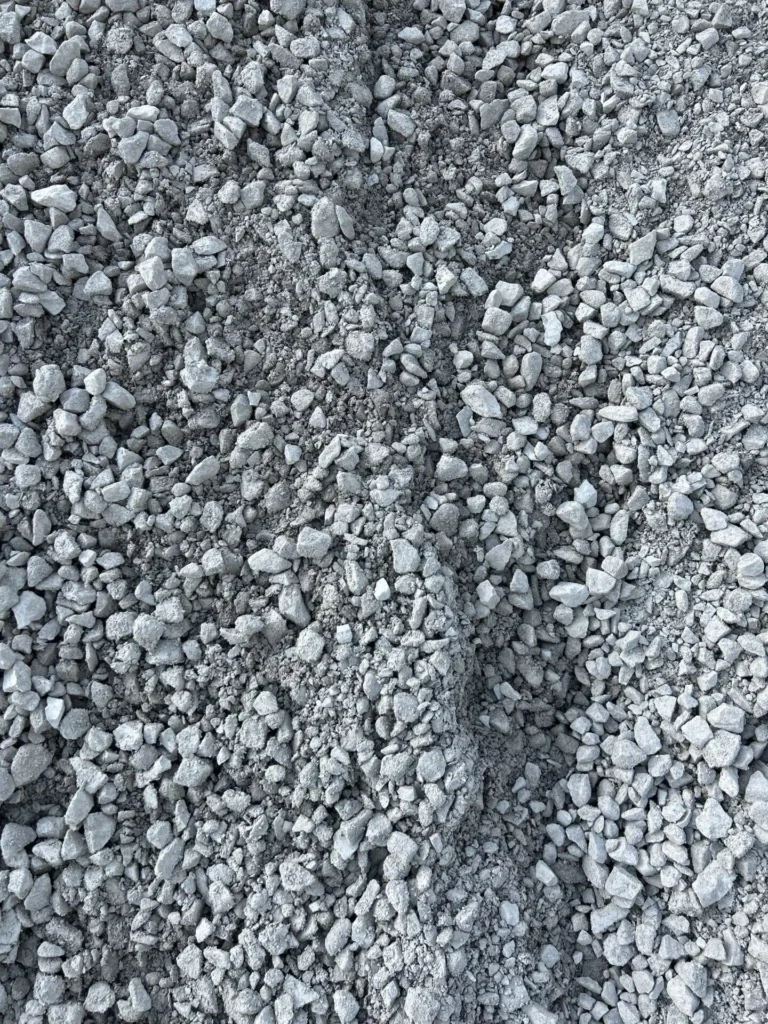
From $41.27/ton- SizeDense-graded, varies
- Density2900 lb/yd³
- ColorGray
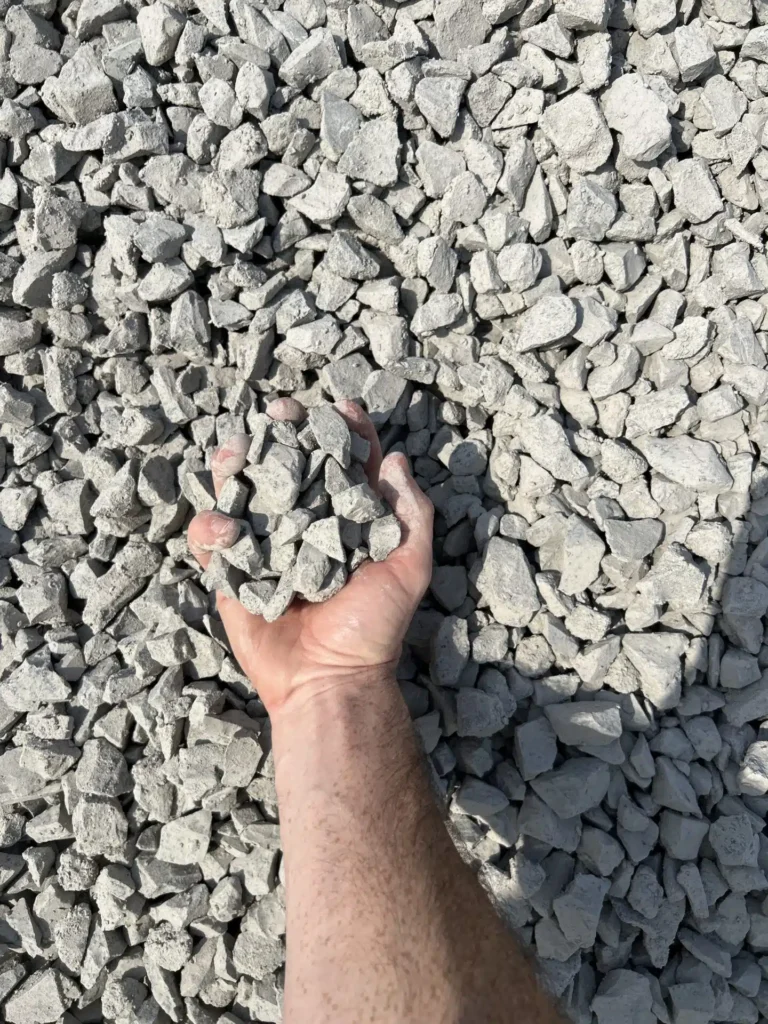 From $48.68/ton
- Size3/4 - 1″
- Density2700 lb/yd³
- ColorGray
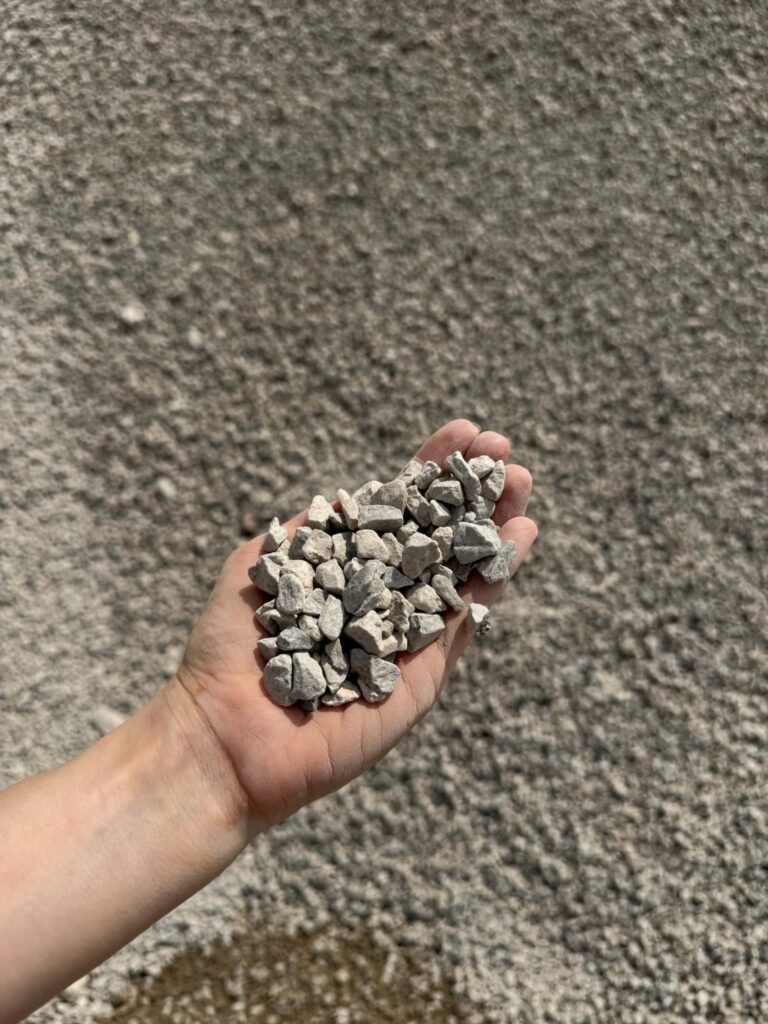 From $49.10/ton
- Size1/2 - 3/4″
- Density2650 lb/yd³
- ColorGray
Other calculators
 CALCULATORRetaining Wall Backfill CalcCalculate the backfill aggregate needed behind a stone or block retaining wall.Open calculator →
 CALCULATORCubic Yards to Tons ConverterFree Cubic Yards to Tons Converter - enter your area in square feet and depth in inches and get instant tons, cubic yards, and an estimated material cost.Open calculator →CALCULATORParking Lot Gravel CalculatorCommercial parking lot aggregate planner. Defaults to 6" depth of crusher run.Open calculator →CALCULATOR57 Stone CalculatorUse this 57 stone calculator to find how many tons of #57 crushed stone your project needs, with depth and density guidance included.Open calculator →
Related guides
GUIDEWhat Is Crushed Stone? Sizes, Uses and Buying BasicsCrushed stone is quarried rock crushed and screened into angular pieces sold by the ton. Here is what it is, how it is graded, and where to use it.Read guide → GUIDEHow Much Does Gravel Cost? A Practical Pricing GuideHow much does gravel cost and why does it vary? See the real factors behind ton pricing, delivery, and order size before you buy.Read guide →GUIDEGravel Size Chart: Pea Gravel to Crushed StoneA gravel size chart showing pea gravel, crushed stone and river rock diameters side by side, so you can match the right size to your project.Read guide →
 GUIDEThe Different Types of Gravel and How to ChooseA plain-language guide to the main types of gravel, covering pea gravel, crushed stone, river rock and decomposed granite.Read guide →
Frequently Asked Questions
How much crusher run do I need for a base?
Enter the length and width of the area in feet and your planned compacted depth in inches into the calculator. It converts that footprint into cubic yards, then into tons using crusher run's density, so you get a tonnage figure to give your supplier instead of estimating from a generic gravel chart. Measure the area you are covering as closely as you can before you run the numbers.
How many tons is a cubic yard of crusher run?
A cubic yard of crusher run weighs about 1.45 tons, or roughly 2,900 pounds. That is heavier than plain crushed stone mixes crushed rock with stone dust, and the fines fill the gaps between larger pieces once the material is compacted. The calculator applies this exact ratio when it converts your volume into the tons you need to order.
Does crusher run compact down after delivery?
Yes. Crusher run is designed to compact, since the stone dust locks the crushed rock together into a firm base once it is tamped or rolled. The loose volume delivered will settle to a lower final depth than it measured on the pile, which is why the calculator works from your planned compacted depth rather than a loose, uncompacted measurement.
What is the difference between crusher run and plain gravel?
Crusher run is a mix of crushed stone's density is higher because the dust fills the gaps between the larger stone.
How do I measure depth for the calculator?
Measure the depth you want the material to sit at once it is compacted, in inches, not the loose height of a delivered pile. If you are unsure how deep your base should be, run the calculator at a couple of depths to compare the tonnage, then pick the depth that matches the load the finished surface needs to carry.
Can I round the calculator's result down to save money?
Rounding down is risky, since compaction and an uneven grade both eat into your coverage, and running short mid job means a second delivery. It is safer to round up to the next half ton and treat the extra as a small overage rather than round the tonnage down to the exact number the calculator returns.