Concrete Sand Delivery in Tucson, AZ
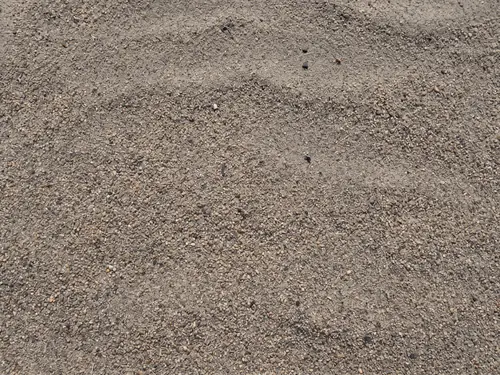
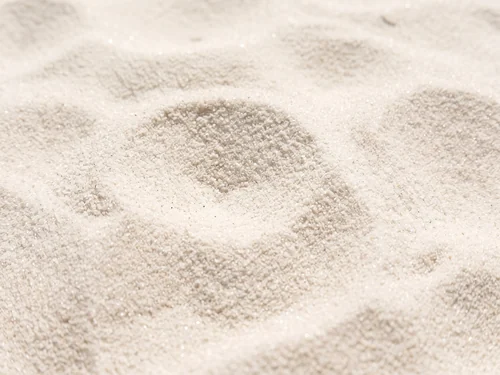
Bulk concrete sand delivered in Tucson, AZ. Stone size 0 - 3/8. Tan / gray color.
Down in the Sonoran Desert, the ground is full of sand, but almost none of it belongs in a concrete mix. Tucson builders know the difference between the loose, dusty desert fines that blow across the Old Pueblo and a proper washed concrete sand is the clean, coarse fine aggregate that makes slabs strong, beds pavers true, and cradles pipe in trenches across the metro. It is the sand that performs when the summer heat and the desert soils are working against you.
Why Tucson Crews Reach for Concrete Sand
Tucson sits in a high-desert basin ringed by the Catalinas and Rincons, with caliche-laden soils, extreme summer heat, and a short but violent monsoon. Concrete sets fast in 100-degree-plus afternoons, and the sand in your mix has to keep that batch workable while you place and finish it. Around the metro, concrete sand handles four jobs that pros depend on.
- Concrete mixing. As the fine aggregate, it fills the voids between coarse rock and gives slabs, footings, and the shaded ramada and patio pours their workability and strength. With caliche making excavation tough, a strong, well-graded mix is worth the effort you put into the dig.
- Paver bedding. A screeded inch of concrete sand sets the bed for desert courtyards, pool decks, and xeriscape walkways. Over a compacted Paver Base, it gives a surface that drains the monsoon rains instead of pumping mud up through the joints.
- Pipe bedding. Trenching crews cradle water, sewer, and irrigation lines in concrete sand because it compacts evenly and protects the pipe from the sharp rock and hard caliche common in Tucson dirt.
- Masonry work. Block and stucco construction dominate here. Concrete sand backs scratch coats, stucco brown coats, and structural fill behind block walls, while finer Mason Sand finishes the mortar joints and cheaper Fill Sand handles non-structural backfill.
Washing the sand strips the silt, clay, and organic dust, which is exactly what a desert mix needs. Clean sand reduces shrinkage cracking, mixes consistently, and will not leave a chalky, powdering surface after the sun has cooked it. It also keeps your mixer, pump, and finishing trowels working clean, which saves real time when a crew is already racing a fast cure.
There is a reliability angle too. With a consistent washed product you are not gambling on whatever a small local pit happened to screen that week, so you can repeat a proven mix design from one Tucson job to the next. For builders running a steady run of similar slabs, pool decks, and stucco walls, that repeatability is worth as much as the raw material.
Local Delivery and Lead Times
We deliver concrete sand throughout Tucson and the surrounding metro, from the central city and the foothills out to Oro Valley, Marana, and the Vail and Rita Ranch growth areas. A single ton on a residential order arrives in 1 to 2 business days. Bump up to six tons or more and we generally deliver same or next day, which suits a busy flatwork or masonry schedule. Loads of sixteen tons and up ride a full dedicated truck and turn around fast.
We also serve the broader region toward the Phoenix valley. Crews working up toward Chandler, about 90 miles, Gilbert around 91 miles, Mesa near 96 miles, Tempe at 100 miles, and Scottsdale roughly 104 miles can all pull consistent washed sand from the same network. That matters when a multi-site builder wants the same sand spec on jobs in both metros. Tell us your access when you order, since narrow foothill driveways and active subdivision lots in Marana call for different trucks.
How Much Concrete Sand You Need
Concrete sand is sold by the ton and weighs about 2,700 pounds per cubic yard, so one ton covers a little under three-quarters of a yard. Here is the math Tucson crews use for a paver setting bed.
Take an 18-foot by 20-foot patio, 360 square feet, with a 1-inch bedding layer. That is roughly 1.1 cubic yards, or about 1.5 tons once you allow for compaction, so order 2 tons to keep from running short. For a concrete pour, the sand is generally 40 to 45 percent of the dry mix volume. In Tucson heat you never want to halt a fast-setting pour to chase a partial load, so round up every time.
- Courtyard, pool deck, or walkway bedding: 1 to 2 tons
- Driveway slab base and mix sand: 6 to 10 tons
- Block wall backfill or large slab: 16 tons and up
Local Pricing Context
Concrete sand in the Tucson market starts , with the per-ton rate dropping as the load grows. A single ton is $138 with a $265 delivery fee on a 1 to 2 business day window, which works for a small repair or a backyard project. At six tons or more the price falls to with a reduced $143 delivery fee and same or next day service. Order sixteen tons or more and you lock in the best rate with free delivery, which is why most full driveway, slab, and wall jobs are scoped to that bulk tier. Pooling several jobs worth of sand into one bulk drop is the easiest way to cut your cost per ton in this market.
Placement and Installation Tips
For pavers, screed concrete sand to a uniform inch over compacted Paver Base, set the units, then sweep sand into the joints so they lock. Avoid a thick bed, which will rut under foot traffic and vehicle loads. For concrete in the Tucson summer, dampen the subgrade, work in the early morning, and add your water last so the mix does not flash off before you can finish it. When bedding pipe through caliche, place the sand in lifts and compact each one to keep the trench from settling. Stockpile sand under a tarp so the desert wind and dry heat do not strip the fines or bake the moisture out before you batch.
Seasonal Notes for Arizona
Arizona hands you one of the longest build seasons in the country, with sand-dependent work running essentially year round. The two things to plan around are the summer heat and the monsoon. From late June into September, the heat shortens your working time on concrete, so most crews shift pours and finishing to the early morning. The monsoon, roughly July through mid-September, brings sudden heavy downpours and dust storms, so keep covers on staged sand and protect fresh flatwork. Winter is mild and ideal for big pours, though desert nights can dip near freezing, so watch cold-sand set times on early mornings. Plan around the heat and the monsoon and Tucson jobs can run almost the entire calendar without a weather-forced gap.
About Concrete Sand
Concrete Sand is a coarse, washed fine aggregate graded from 0 to 3/8 inch, carrying a natural tan and gray color. It is the most widely specified sand in residential and light commercial construction because its gradation and angular particle shape provide the strength, drainage, and compaction that finer sands cannot deliver.
The material is washed during processing to remove silt, clay, and organic fines. That cleaning step separates true concrete sand from raw pit-run material. Clean sand mixes into concrete without weakening the paste, beds pavers without holding water, and cradles pipe without trapping moisture against the line. At roughly 2,700 pounds per cubic yard, it is dense and stable, slow to migrate once placed and compacted.
Concrete sand serves four primary roles. As the fine aggregate in a concrete mix, it fills the gaps between coarse stone and controls workability. As a paver setting bed, a screeded layer gives a firm, free-draining cradle for the units above. As pipe bedding, it compacts evenly to support utility and drainage lines. And in masonry, it backs scratch coats, stucco brown coats, and bulk wall fill.
It pairs naturally with related materials on the same project. Crews often run it alongside finer Mason Sand for finish mortar, Paver Base as the compacted sub-layer beneath the bedding sand, and Fill Sand where a cheaper, non-structural backfill is all the spec requires. Sold by the ton, concrete sand is the dependable, all-purpose sand that belongs on nearly every build.
What Concrete Sand costs in Tucson
Local Tucson yards quote concrete sand by the ton; the delivered number includes fuel, the truck, and the haul. Send your ZIP and load size and we will send back a same-hour quote with the truck rate and the per-ton figure spelled out. A ton of this material spreads across about 80 sq ft when laid 3 inches deep, useful when you are sizing a patio base or a walkway run.
How crews use Concrete Sand in Tucson
In and around Tucson, concrete sand shows up most often on two project types. The most common deployment is pipe bedding, often in tight urban lots and infill builds in two to three inch lifts. Second on the list is base course gravel, which we see in dense neighborhoods where curb access is short on partial-truck deliveries. At roughly 545,975 people, the Tucson order mix leans toward 3 to 8 ton residential drops with the occasional 16 ton job for a contractor.
Delivery day in Tucson
A typical Tucson drop is dispatched from the closest yard with a two hour window and a heads-up call once the truck is loaded. Tandem trucks want a 12 ft lane in and out; tri-axles need 14 ft, and both want firm ground at the tipping spot so the load releases cleanly. Standard lead time on this lane is Mon-Sat, with same-day windows held open for orders that hit the desk before 11 AM and clear payment.
Related materials we deliver in Tucson
Estimate how much you need
Calculate Your Project
Estimate only. Add 10-15% for compaction and waste.
Browse more
Available in nearby cities
Plan your project
Related guides
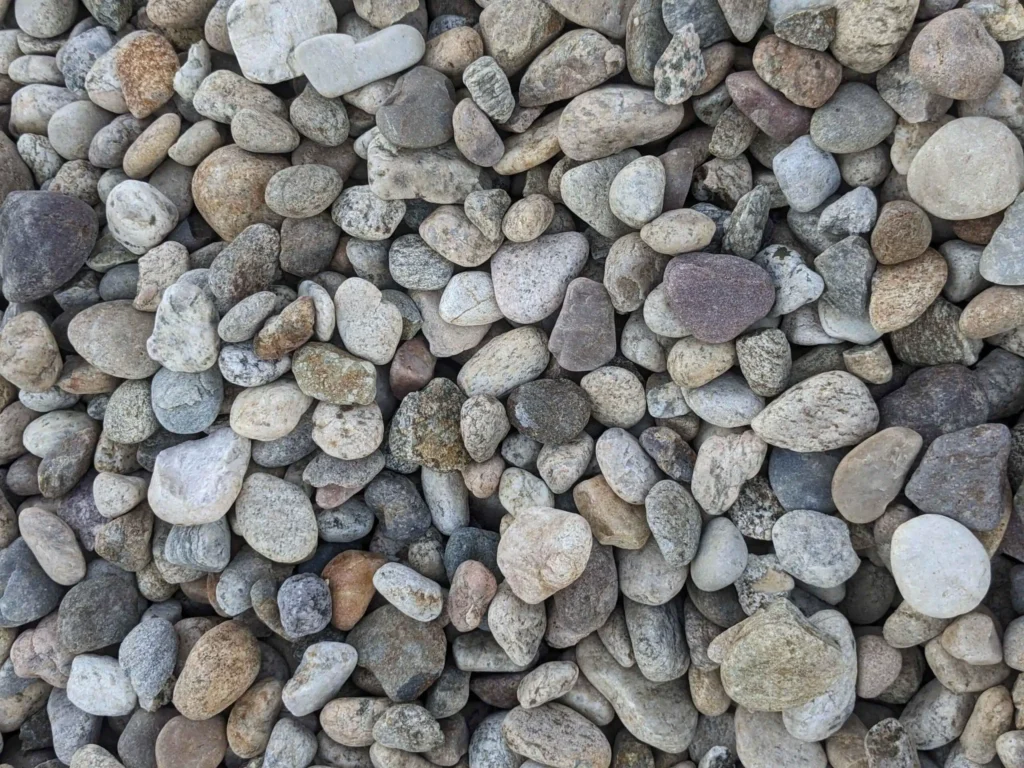 GUIDEThe Different Types of Gravel and How to ChooseA plain-language guide to the main types of gravel, covering pea gravel, crushed stone, river rock and decomposed granite.Read guide →
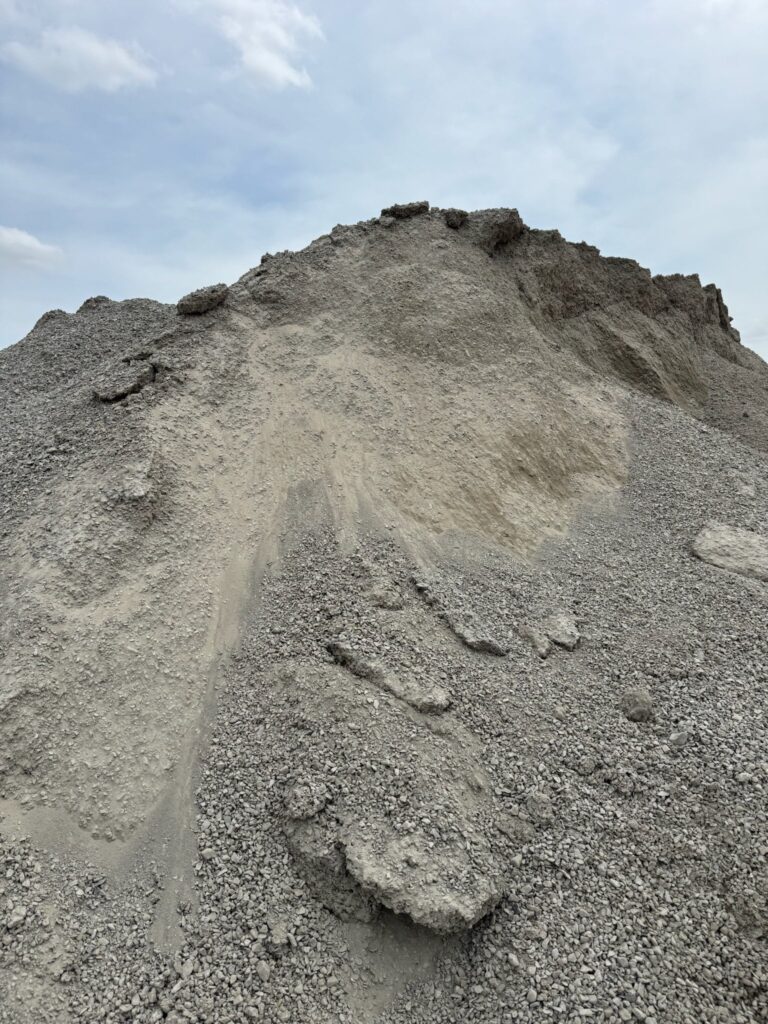 GUIDEWhat Are Screenings? A Guide to Crushed Stone FinesScreenings are fine crushed stone used for paver bases, joint fill and walkways. See what screenings are, common types, and mistakes to avoid.Read guide →GUIDEWhat to Put Under River Rock for Landscaping BedsHere is what to put under river rock landscaping: a compacted base where needed, then landscape fabric, then rock, to stop weeds and settling.Read guide →GUIDEHow to Clean River Rock and Restore Its ColorLearn how to clean river rock landscaping with rinsing, soap and vinegar methods, plus common mistakes to avoid for a brighter, longer lasting rock bed.Read guide →
Frequently Asked Questions
What is concrete sand used for in Tucson?
Tucson crews use concrete sand as the fine aggregate in concrete mixes, as a one-inch bedding layer under pavers, as pipe bedding for water, sewer, and irrigation lines, and behind stucco and block masonry. Its washed, coarse gradation gives the strength and drainage that loose desert sand cannot.
How fast can you deliver concrete sand in Tucson?
Single-ton residential orders usually arrive within 1 to 2 business days. Orders of six tons or more typically ship same or next day, and bulk loads of sixteen tons and up move quickly on a dedicated truck. We serve the full Tucson metro including Oro Valley and Marana.
Why not use loose desert sand for concrete in Tucson?
Loose Sonoran Desert sand is too fine, dusty, and inconsistent for structural use. It weakens concrete and beds pavers poorly. Washed concrete sand has the coarse, clean, well-graded particles that mix strong and drain well, which is why every serious build specifies it.
How many tons of concrete sand do I need for a patio?
For an 18-foot by 20-foot patio with a one-inch bedding layer, plan on about 1.5 tons after compaction, which most crews round up to 2 tons. Concrete sand weighs around 2,700 pounds per cubic yard, so one ton covers just under three-quarters of a yard.
What is the difference between concrete sand and mason sand?
Concrete sand is coarser, graded from 0 to 3/8 inch, for strength in concrete, paver bedding, and pipe bedding. Mason Sand is finer and smoother for finish mortar and brick joints. Many Tucson jobs, especially block and stucco work, use both materials.
How does the Tucson monsoon affect concrete sand work?
From July through mid-September, sudden downpours and dust storms can soak fresh pours and contaminate or wash out unprotected sand. Keep covers on staged material and protect new flatwork. Because concrete sand drains well, a properly compacted paver bed sheds the rain it sees.
Do you deliver concrete sand to the Phoenix area too?
Yes. Beyond Tucson, we reach job sites up toward Chandler about 90 miles, Gilbert around 91 miles, Mesa near 96 miles, Tempe at 100 miles, and Scottsdale roughly 104 miles, which helps multi-site builders keep one sand spec across both metros.
Can concrete sand be used for pipe bedding through caliche?
Yes. Concrete sand is a preferred pipe bedding material because it compacts evenly in lifts and protects the pipe from the sharp rock and hard caliche common in Tucson trenches. Place it in layers and compact each lift rather than dumping the full depth at once.
Should I order extra concrete sand for compaction?
Yes. Sand loses volume when compacted, so add about 15 to 20 percent over the loose calculation and round up to the next full ton. In Tucson heat you also do not want to stop a fast-setting pour to chase a short load, so order long.