
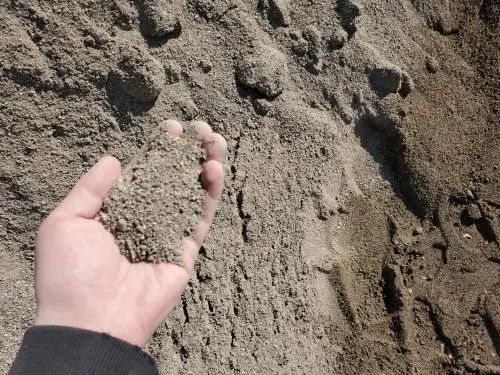
Concrete Sand Delivery in Kansas City, MO
Bulk concrete sand delivered in Kansas City, MO. Stone size 0 - 3/8. Tan / gray color.
Concrete Sand Delivered Across Kansas City, MO
Kansas City sits where the Missouri and Kansas rivers meet, and that location shapes almost every pour, patio, and pipe trench in the metro. The native soils on both sides of the state line run heavy with clay and loess, which means contractors and homeowners alike lean on clean, imported sand to build anything that has to drain or carry load. Our Concrete Sand is a washed, sharp-edged aggregate graded from 0 to 3/8 inch in a tan to gray tone, and it is the workhorse behind a huge share of the concrete and hardscape work that goes up between the West Bottoms and the suburbs out toward Lee's Summit.
If you are mixing concrete, bedding pavers, cradling utility pipe, or laying a base for masonry, this is the sand built for the job. It is coarse and angular by design, so it locks together under load and gives cement paste something to grip. That is what separates true concrete sand from the soft, rounded play sands and the fine fill products some yards push as a cheaper substitute.
Why Kansas City Builders Choose Concrete Sand
The angular grain structure is the whole point. Concrete sand is the fine aggregate in a standard concrete mix, filling the voids between the larger rock so the slab cures dense and strong. Around Kansas City, where freeze-thaw swings between January and March can crack a poorly built driveway in a single season, that density matters. A tight, well-graded mix resists the water intrusion that turns into spalling and surface scaling.
Beyond ready-mix and site-batched concrete, locals reach for it in four main ways:
- Concrete mixing for footings, slabs, steps, and small structural pours where ordering a ready-mix truck does not make sense.
- Paver bedding, the one-inch setting layer screeded over a compacted base before flagstone, brick, or concrete pavers go down on patios and walkways.
- Pipe bedding, surrounding sewer, water, and conduit runs so loads spread evenly and the trench backfill does not point-load the pipe.
- Masonry work, mixed into mortar and grout for retaining walls, block, and the stone veneer that shows up on so many KC homes.
For finer mortar joints and stucco scratch coats, many crews pair it with Mason Sand. When the job calls for cheap volume to bring a low spot up to grade, that is a job for Fill Sand, not this product. And under a paver patio, the compacted layer that carries the structure is your Paver Base, with concrete sand screeded on top as the setting bed.
Local Delivery and Lead Times in Kansas City
We deliver bulk concrete sand throughout the Kansas City metro, from downtown and Midtown out to the Northland, Independence, Overland Park, and the I-435 loop. Because Kansas City is a central freight hub, our trucks reach most addresses quickly. Orders of 6 tons or more typically land same day or next day, while smaller 1 to 2 ton loads run on a 1 to 2 business day schedule depending on your slot.
Kansas City also sits at the crossroads of a wide service region. We regularly run material toward Omaha, about 165 miles north, and toward Saint Louis, roughly 238 miles east, so if you manage projects across that corridor we can coordinate multiple drops. Tulsa and Oklahoma City sit within range to the south as well. For tight downtown alleys or the older grid in Midtown, let us know about access so we send the right truck.
How Much Concrete Sand Do You Need?
Concrete sand is sold by the ton, and one ton covers roughly 100 square feet at a 2 inch depth. Most paver bedding goes down around 1 inch, where a ton stretches to about 200 square feet. Pour depth and compaction will shift those numbers, so round up.
Here is a realistic Kansas City example. Say you are setting a 16 by 30 foot paver patio behind a home in Brookside, which is 480 square feet. At a 1 inch screeded setting bed, you need roughly 2.5 tons of concrete sand. If you are also batching footings for a detached garage on the same lot, that volume climbs fast. Because our concrete sand weighs about 2,700 pounds per cubic yard, a full triaxle load moves a serious amount of material in one trip, which is exactly why the per-ton price drops as your order grows.
Kansas City Pricing
Concrete sand in Kansas City starts .
The math rewards buying right. If a job needs 14 tons, it is often worth ordering 16 to clear the free-delivery threshold and lock the $102 rate. Keep the extra on a tarped pile for the next pour.
Placement and Installation Tips
A few habits keep concrete sand performing. Screed your paver bedding to a consistent 1 inch and resist the urge to use it as a leveling course to fix a sloppy base. The compacted Paver Base beneath does the leveling; the sand is just the setting layer. For pipe bedding, surround the pipe fully and shovel-slice it under the haunches so there are no voids. When batching concrete, keep the sand reasonably dry and account for its moisture when you dial in your water, because damp sand carries water you do not see.
Store It Right
Tarp any pile you cannot use within a few days. Kansas City thunderstorms blow in fast off the plains, and a soaked, silt-contaminated pile throws off your mix ratios and your screed.
Seasonal Notes for Missouri
Missouri gives you a long pour season but a sharp winter. From late spring through October, conditions are ideal and demand is high, so book bulk loads ahead during peak hardscape months. Winter pours are possible but call for cold-weather concrete practice: blankets, accelerators, and protecting the mix from freezing before it sets. The bigger seasonal risk is freeze-thaw on anything already in the ground, which is precisely why a dense, properly sanded concrete mix pays off here. Order early in the week when you can; KC delivery slots fill quickly during the warm-weather building rush.
Whether you are pouring a garage slab in Independence, bedding pavers in Waldo, or backfilling utility trench across the river in the Northland, our washed concrete sand is ready to deliver to your Kansas City jobsite.
About Concrete Sand
Concrete Sand is a coarse, washed sand graded from 0 to 3/8 inch, with a clean tan to gray color and the sharp, angular grain structure that defines a true concrete-grade fine aggregate. It is processed and washed to strip out silt, clay, and organic fines, leaving a consistent, free-draining material that performs predictably batch after batch.
As the fine aggregate in a standard concrete mix, it fills the voids between coarse stone so the finished concrete cures dense and strong. The angular grains interlock under load and give cement paste a surface to bond to, which is why this sand is specified for structural pours, footings, and slabs rather than the soft, rounded sands sold for sandboxes and beaches.
Its uses run well beyond concrete. Hardscapers screed it as the 1 inch setting bed under pavers, flagstone, and brick. Utility crews use it as pipe bedding to cradle sewer, water, and conduit lines and spread trench loads evenly. Masons blend it into mortar and grout for block, stone veneer, and retaining walls. It also serves as a leveling and joint-filling sand on a range of flatwork jobs.
The material weighs roughly 2,700 pounds per cubic yard, so plan delivery and storage accordingly. It is sold in bulk by the ton, which keeps the price competitive for everything from a single patio to a full subdivision schedule. One ton covers about 100 square feet at 2 inches deep, or roughly 200 square feet at the 1 inch depth typical of paver bedding. Tarp any stockpile to keep it clean and dry, since contamination and excess moisture both throw off concrete and mortar ratios. Consistent grading, clean washing, and reliable bulk supply make it a dependable choice for professional and DIY work alike.
What Concrete Sand costs in Kansas City
In the Kansas City market, concrete sand is sold by the ton and priced at the gate before delivery is added on. Send your ZIP and load size and we will send back a same-hour quote with the truck rate and the per-ton figure spelled out. One ton covers about 80 sq ft at a 3 inch finished depth, so a 400 sq ft driveway pad runs roughly 5 tons.
How crews use Concrete Sand in Kansas City
Crews working out of Kansas City tend to call for concrete sand on a few repeat jobs each week. The first is pipe bedding, typically laid in tight urban lots and infill builds with a base lift compacted before the finish course goes on. The second is base course gravel, which lands here in dense neighborhoods where curb access is short and usually ships as a 4 to 8 ton order. With a population around 508,090, Kansas City pulls a mix of single-truck homeowner orders and contractor full-loads through the season.
Delivery day in Kansas City
On the day of the drop, the dispatcher pulls the closest yard, batches your ticket with other Kansas City stops, and sends a window the night before. Tandem-axle dumps need at least 12 ft of clear width and 14 ft overhead to set the bed; tri-axles need 14 ft of clearance on both counts and a level pad to tip safely. Standard lead time on this lane is Mon-Sat, with same-day windows held open for orders that hit the desk before 11 AM and clear payment.
Related materials we deliver in Kansas City

Estimate how much you need
Calculate Your Project
Estimate only. Add 10-15% for compaction and waste.
Browse more
Available in nearby cities
Plan your project
Related guides
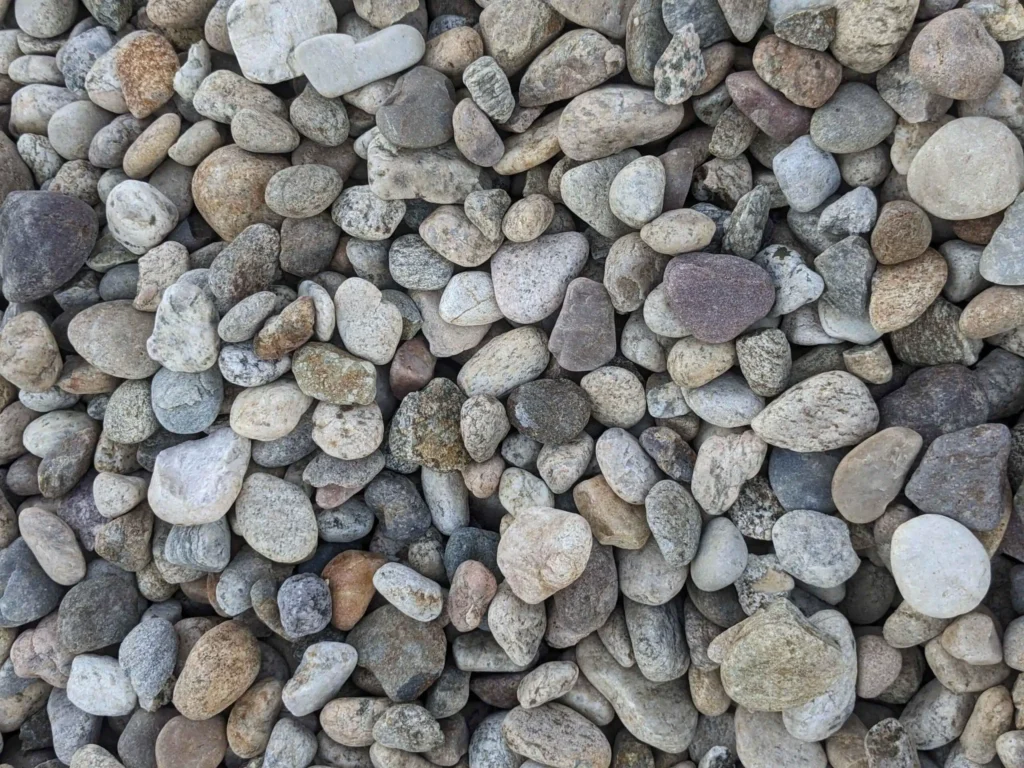 GUIDEHow Much Does River Rock Cost? By Ton or YardRiver rock cost depends on your ZIP code, order size, and whether you buy by the ton or the cubic yard. Here is how pricing works.Read guide →
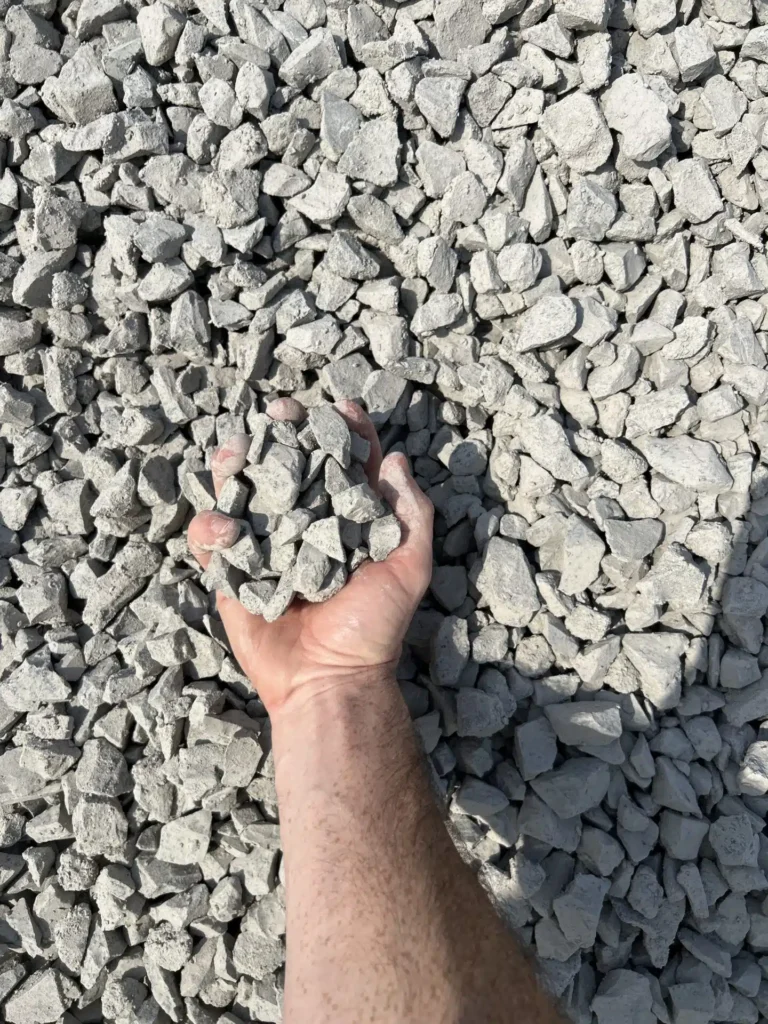 GUIDEWhat Size Crushed Stone Goes Under a Concrete SlabMost slabs need 4 to 6 inches of compacted crushed stone underneath. What size crushed stone under a concrete slab needs, and why it matters.Read guide →GUIDEWhat Is Crushed Stone? Sizes, Uses and Buying BasicsCrushed stone is quarried rock crushed and screened into angular pieces sold by the ton. Here is what it is, how it is graded, and where to use it.Read guide →
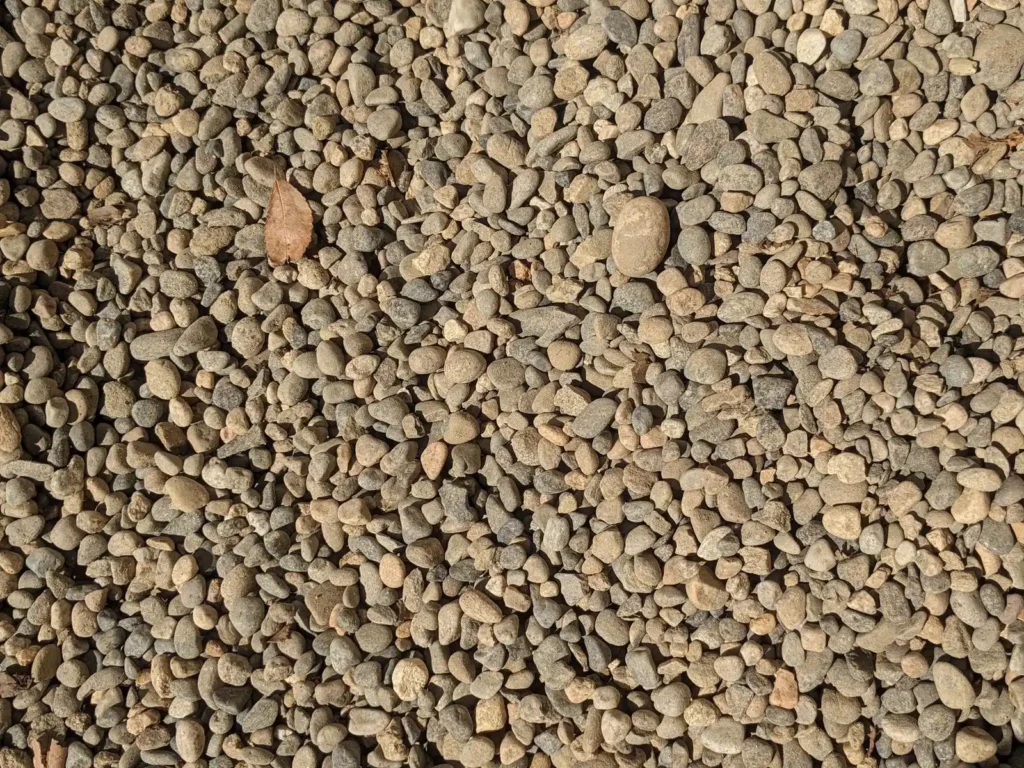 GUIDEHow Much Does Gravel Cost? A Practical Pricing GuideHow much does gravel cost and why does it vary? See the real factors behind ton pricing, delivery, and order size before you buy.Read guide →
Frequently Asked Questions
What is concrete sand used for in Kansas City?
It is the fine aggregate in concrete mixes, the 1 inch setting bed under pavers, the cradle around utility pipe, and a component in masonry mortar. Around Kansas City it shows up on driveways, patios, footings, and stone veneer because the heavy local clay soils make a clean imported sand essential for anything that has to drain or carry load.
How fast can you deliver concrete sand in Kansas City?
Orders of 6 tons or more typically arrive same day or next day across the metro. Smaller 1 to 2 ton loads run on a 1 to 2 business day schedule. Kansas City is a central freight hub, so most addresses inside the I-435 loop and out to Independence and the Northland get quick turnaround.
How much concrete sand do I need for a paver patio?
Plan a 1 inch screeded setting bed over your compacted base. One ton covers roughly 200 square feet at that depth, so a 480 square foot patio needs about 2.5 tons. Round up to account for compaction and screed waste, and remember the sand is the setting layer, not the leveling course.
What is the difference between concrete sand and mason sand?
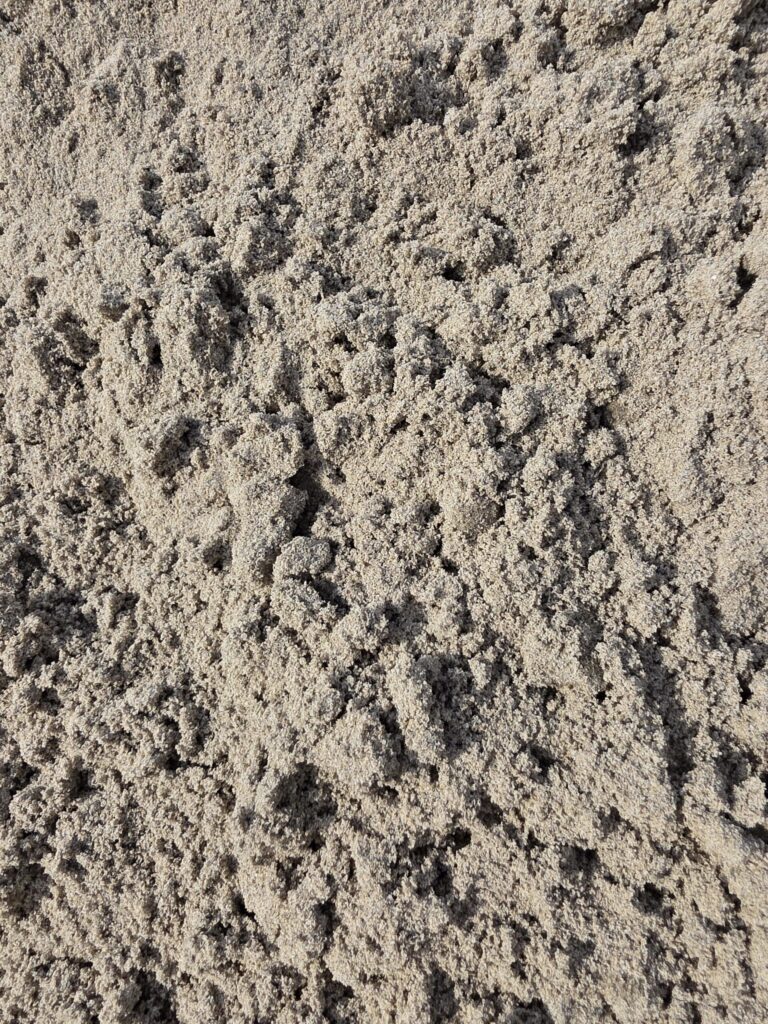
Concrete sand is coarser and more angular, made to be the fine aggregate in concrete and the bedding under pavers and pipe. Mason Sand is finer and smoother, which suits the thin joints in brick and block mortar and the look of a stucco finish. Many crews keep both on hand for different parts of the same job.
Can I use concrete sand as fill in Kansas City?
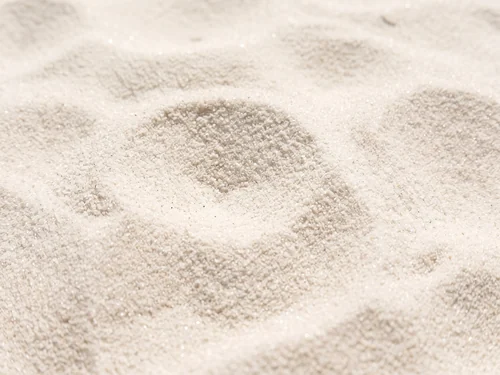
You can, but it is rarely the economical choice. Concrete sand is a clean, processed product priced for performance. If you only need volume to bring a low spot up to grade, Fill Sand for bedding, mixing, and masonry where its grain quality earns its price.
Does concrete sand drain well for pipe bedding?
Yes. The angular, washed grain structure makes it free-draining and stable, which is why utility crews specify it around sewer, water, and conduit lines. It spreads loads evenly across the pipe and resists migrating into surrounding soil when placed and compacted correctly.
How should I store concrete sand on my jobsite?
Keep it on a clean, well-drained surface and tarp it if you cannot use it within a few days. Kansas City storms can soak a pile fast, and a wet, silt-contaminated stockpile throws off both your concrete water ratio and your paver screed. A covered pile stays consistent batch to batch.
Is concrete sand good for pouring concrete in Missouri winters?
The sand itself is fine year round. The concern in a Missouri winter is the pour, which needs cold-weather practice like blankets, accelerators, and protection from freezing before it sets. A dense, properly sanded mix also resists the freeze-thaw spalling that damages slabs across the Kansas City area.
Do you deliver concrete sand outside Kansas City?
Yes. Kansas City is the center of a wide service region, and we regularly run material toward Omaha to the north and Saint Louis to the east, with Tulsa and Oklahoma City reachable to the south. If you manage projects along that corridor we can coordinate multiple drops on one schedule.