
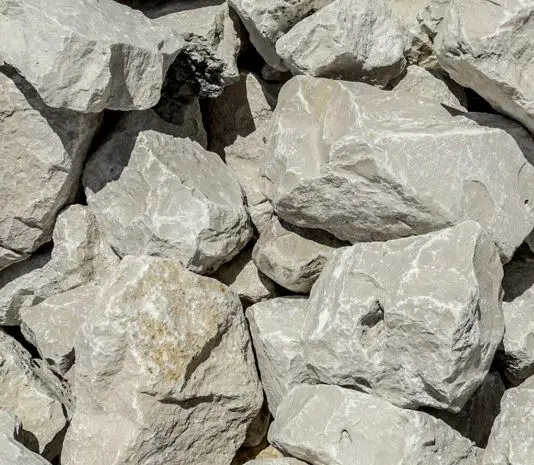
Riprap Med Delivery in Omaha, NE
Bulk riprap med delivered in Omaha, NE. Stone size 4 - 9. Gray color.
From $105/ton delivered, free delivery on full loads
Medium Riprap for Omaha Riverbank and Drainage Work
Omaha lives on the bank of the Missouri River, and that fact shapes how the city deals with water. Between the big river, the creeks that feed it, and the loess soils that cover much of eastern Nebraska, erosion is a constant management job rather than a one-time fix. Loess is fine, wind-deposited silt that holds a vertical face beautifully when dry but slumps and washes the moment concentrated water hits it. Medium riprap is the standard answer. Our Riprap Med is angular gray stone graded 4 to 9 inches, sold by the ton, designed to lock together into an armored layer that takes the energy out of moving water before it can cut into the bank.
Across the Omaha-Council Bluffs metro, this is the stone crews specify for the heavy-duty erosion problems: streambank and riverbank stabilization, detention pond shorelines, culvert and storm-pipe outlets, and the graded slopes that come with new development on the city's rolling western edge. The 4 to 9 inch gradation is the practical middle ground. It is heavy enough to hold its position against the current and spring runoff, but a two-person crew can still hand-set it along a ditch or pond edge without bringing in an excavator.
Why Omaha Properties Use Riprap Med
The angular, fractured faces are what separate riprap from rounded gravel. Those faces wedge into each other, so a placed layer behaves like a single armored mat instead of a pile of loose rock. In Omaha that interlock has to survive two punishing conditions: the freeze-thaw cycling of a hard Nebraska winter and the high-velocity flows of spring snowmelt and thunderstorm runoff.
- Erosion control on loess slopes, swales, and freshly graded lots before vegetation roots in.
- Slope armoring on the cut banks and fill slopes of new West Omaha subdivisions.
- Shoreline protection for private ponds, lakes, and the many HOA detention basins around Sarpy and Douglas counties.
- Culvert and pipe outlets where concentrated discharge would otherwise scour a hole downstream.
- Heavy drainage channels moving storm runoff off farm edges, paved lots, and long acreage driveways.
Behind retaining walls or inside a French drain, contractors pair the surface armor with Drain Rock to keep subsurface water moving freely. For landscape features like a dry creek bed on an acreage out west of town, River Rock gets worked into the design. And on budget-conscious base and backfill work, Crushed Concrete is the common companion placed under or behind the riprap.
Local Delivery and Lead Times in Omaha
We deliver Riprap Med throughout Omaha and across the river into Council Bluffs, with regular runs out to the western suburbs and acreages. Standard one-ton orders land in 1 to 2 business days. Bump up to a six-ton load and we can usually deliver same or next day. The full sixteen-ton loads ship with free delivery and get scheduled around your site.
Omaha sits a fair distance from the bigger metros around it. Kansas City is 165 miles south and Minneapolis is roughly 290 miles north, so this is genuinely a regional supply point rather than an outlying spoke. That works in your favor for full loads: when you order at the sixteen-ton tier, freight is built into the price and the distance to neighboring cities does not change what you pay at the curb in Omaha. For sites near the downtown 68102 core, mention any tight alley access so we route the right truck.
How Much Riprap Med You Need
Medium riprap runs about 2,700 pounds per cubic yard. For erosion work, depth is what makes it last. A single armored layer of 4 to 9 inch stone is normally placed around 12 inches thick so the largest pieces nest correctly. At that depth, one ton covers roughly 24 to 27 square feet of finished surface.
Picture armoring a riverbank repair or pond edge that runs 70 feet long with an average stoned width of 9 feet. That is 630 square feet. At about 25 square feet per ton, you would order right around 25 tons, well into the free-delivery tier. For a single culvert outlet apron of roughly 120 square feet, you are looking at about 5 tons, which sits in the six-ton bracket with same or next-day delivery.
Omaha Pricing Context
Riprap Med in Omaha starts from $105 per ton, and the per-ton rate falls as load size rises:
- 1 ton minimum: $143 per ton plus a $273 delivery fee, arriving in 1 to 2 business days.
- 6 ton minimum: $128 per ton with a $147 delivery fee, same or next day.
- 16 ton minimum: $105 per ton with free delivery.
The gap between the small-load and full-load rates is significant. Because erosion projects almost always need volume, most Omaha jobs land naturally in the sixteen-ton tier, where the $105 per ton rate plus waived delivery makes the math obvious. If your project comes in just under 16 tons, rounding up usually costs less overall once the delivery fee disappears, and leftover riprap stores easily for the next bank repair.
Installation and Placement Tips
Durable riprap in Omaha starts under the stone. On loess and silt soils, a non-woven geotextile fabric beneath the riprap is essential; without it, fine soil migrates up through the voids and the bank quietly fails from underneath. Cut the slope or channel to a stable grade, roll out the fabric with generous overlaps, then place the stone.
- Set the largest 9 inch pieces at the toe and channel bottom, where current and runoff hit hardest.
- Hand-pack the gaps with smaller stone so the layer interlocks tightly with no open pockets.
- Bury the toe of the bank below the waterline or grade so the current cannot start undercutting it.
- Resist the urge to just dump and leave; a quick hand-set pass is what makes the difference between a repair that holds and one that slumps.
Seasonal Notes for Nebraska
Nebraska winters freeze the ground hard, so the prime placement window for riprap is spring through fall. The real strategy, though, is timing the work ahead of the spring melt. Snowmelt and early-season thunderstorms send the heaviest flows down the Missouri and its tributaries, so banks and outlets armored the previous summer or fall are the ones that come through the next runoff season intact. Late summer is often the easiest install window: river levels are typically lower, ground is firm, and access to bankside work is at its best. Crews working the Omaha and Council Bluffs corridor will tell you the same thing year after year. The riprap placed in calm conditions is the riprap that does not need redoing after the next high-water spring.
About Riprap Med
Riprap Med is an angular gray armor stone graded from 4 to 9 inches and sold by the ton. It is engineered for erosion control and energy dissipation, the demanding work where smaller decorative gravels simply migrate away under flow. The stone is quarried and crushed so each piece carries fractured, irregular faces, and those faces are the key to its performance: placed together, the stones wedge and interlock into a stable armored layer that resists displacement even under fast-moving water.
At roughly 2,700 pounds per cubic yard, this is a heavy, dense material, and that mass is precisely what holds position on slopes, channels, and shorelines where flow velocity would sweep lighter stone downstream. The 4 to 9 inch gradation hits a practical balance. The pieces are large enough to stay put in concentrated drainage and storm flow, yet small enough that a crew can hand-place and adjust them without heavy equipment on most residential and light-commercial jobs.
Common applications include streambank and pond-bank stabilization, detention basin shorelines, culvert and pipe outlet aprons, swale and channel armoring, bridge abutment protection, and slope revetment behind grading work. The neutral gray tone blends with both natural and engineered settings, performing as cleanly on a designed drainage channel as it does on a private shoreline.
For best results, medium riprap is typically placed about 12 inches thick over a non-woven geotextile fabric, with the largest stones set low where water energy peaks. Installed correctly, a riprap layer is effectively permanent and needs no ongoing maintenance beyond an occasional check of the toe. It is a one-time material that ends a recurring erosion problem, which is why it remains the standard for serious water-management work.
What Riprap Med costs in Omaha
In the Omaha market, riprap med is sold by the ton and priced at the gate before delivery is added on. Pricing in Omaha starts at $105 per ton on full-truck loads, which works out to roughly $142 per cubic yard at the typical density of 2700 lb per yard. One ton covers about 80 sq ft at a 3 inch finished depth, so a 400 sq ft driveway pad runs roughly 5 tons.
How crews use Riprap Med in Omaha
Crews working out of Omaha tend to call for riprap med on a few repeat jobs each week. The first is erosion control, typically laid in tight urban lots and infill builds with a base lift compacted before the finish course goes on. The second is drainage gravel, which lands here in dense neighborhoods where curb access is short and usually ships as a 4 to 8 ton order. With a population around 487,300, Omaha pulls a mix of single-truck homeowner orders and contractor full-loads through the season.
Delivery day in Omaha
On the day of the drop, the dispatcher pulls the closest yard, batches your ticket with other Omaha stops, and sends a window the night before. Tandem-axle dumps need at least 12 ft of clear width and 14 ft overhead to set the bed; tri-axles need 14 ft of clearance on both counts and a level pad to tip safely. Standard lead time on this lane is Mon-Sat, with same-day windows held open for orders that hit the desk before 11 AM and clear payment.
Related materials we deliver in Omaha

Delivered pricing in Omaha
| Order size | Price / ton | Delivery fee | Lead time |
|---|---|---|---|
| 1+ tons | $143 | $273 | 1-2 business days |
| 6+ tons | $128 | $147 | Same/next day |
| 16+ tons | $105 | Included | Free delivery |
Estimate how much you need
Calculate Your Project
Estimate only. Add 10-15% for compaction and waste.
Browse more
Available in nearby cities
Plan your project
Related guides
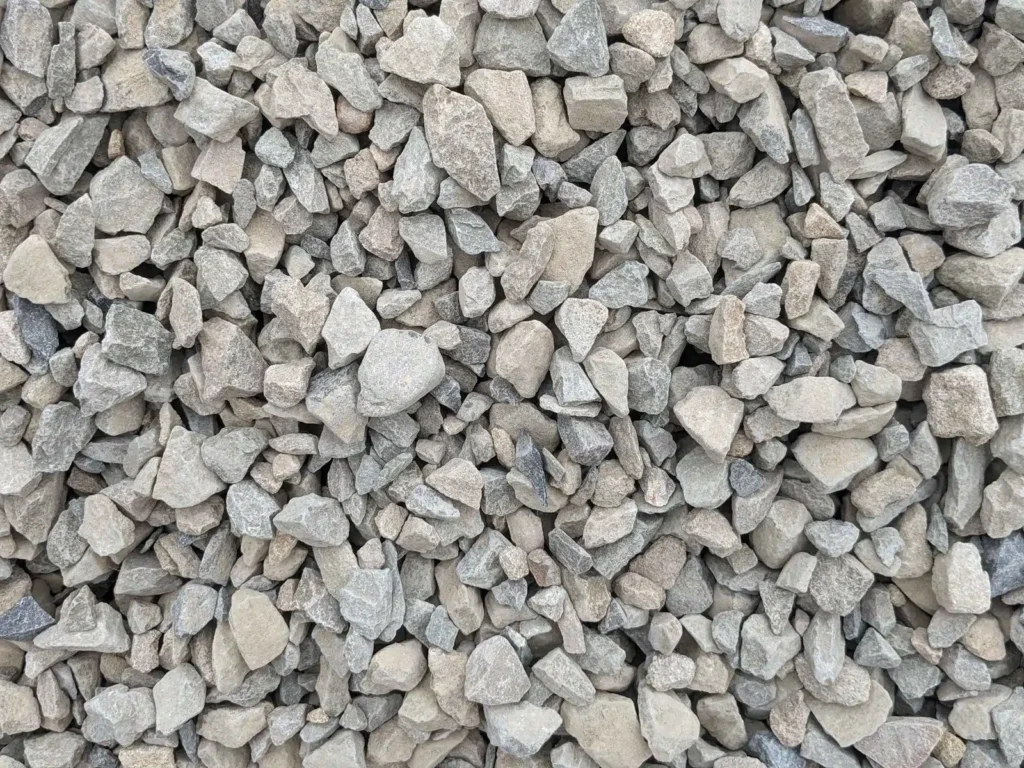 GUIDEDoes Gravel Stop Weeds? Honest Answer + What WorksPractical, field-tested guide: does gravel stop weeds. Pulled from real US installer notes and 2026 supplier price data.Read guide →
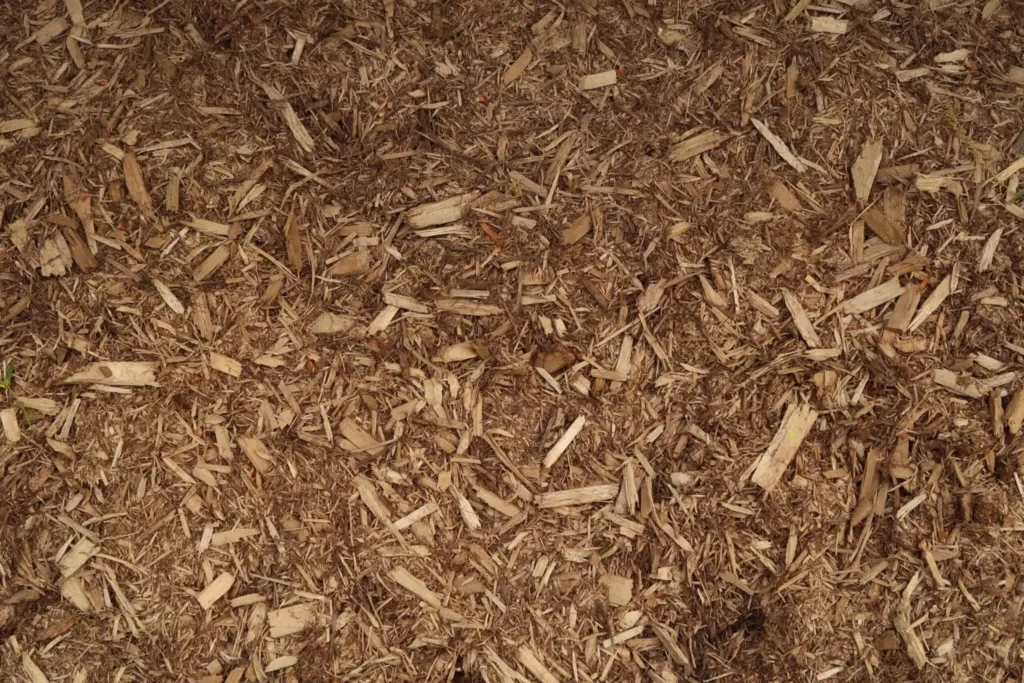 GUIDEHow Much Gravel Do I Need? Quick Sizing GuidePractical, field-tested guide: how much gravel do i need. Pulled from real US installer notes and 2026 supplier price data.Read guide →
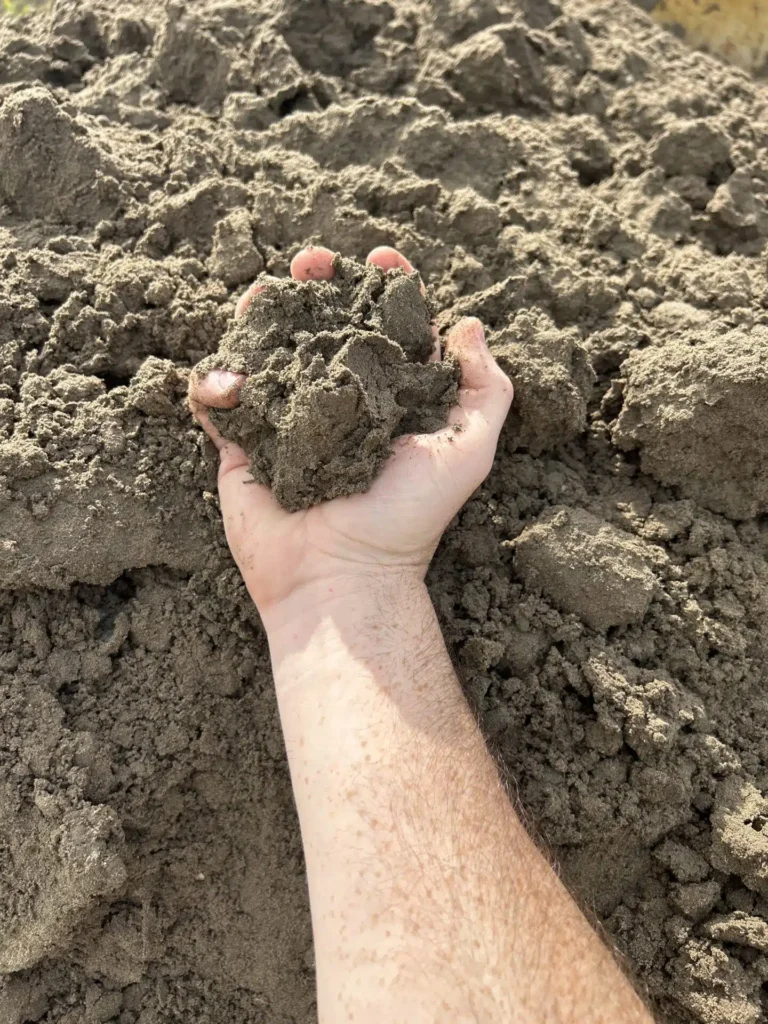 GUIDEWhat Is #57 Stone? Uses, Size, and Cost ExplainedPractical, field-tested guide: what is 57 stone. Pulled from real US installer notes and 2026 supplier price data.Read guide →
 GUIDEHow Deep Should a Gravel Driveway Be? Layer GuidePractical, field-tested guide: how deep should gravel driveway be. Pulled from real US installer notes and 2026 supplier price data.Read guide →
Frequently Asked Questions
What size is Riprap Med?
Riprap Med is graded from 4 to 9 inches across, a true medium armor stone. That range is large enough to hold its place against river current and spring runoff yet small enough for a small crew to hand-set on most Omaha sites without heavy equipment.
How much does Riprap Med cost in Omaha?
Pricing starts from $105 per ton. One-ton orders run $143 per ton plus a $273 delivery fee, six-ton loads are $128 per ton with a $147 fee, and sixteen-ton loads drop to $105 per ton with free delivery. Larger loads always lower your per-ton cost.
How fast can you deliver to Omaha?
Standard one-ton orders arrive in 1 to 2 business days. Six-ton loads usually ship same or next day, and full sixteen-ton loads are scheduled around your site access. We serve Omaha and across the river into Council Bluffs, plus the western suburbs and acreages.
How many tons do I need for my project?
Placed about 12 inches thick, one ton of Riprap Med covers roughly 24 to 27 square feet. A 630 square foot riverbank or pond edge runs around 25 tons. Give us your length, width, and depth and we will confirm the exact tonnage.
Do I need fabric under riprap on Omaha loess soil?
Yes, it is essential. Eastern Nebraska loess and silt are fine soils that migrate up through the stone voids and undermine the layer if left unprotected. A non-woven geotextile fabric under the riprap stops that and greatly extends the life of the install.
Will Riprap Med hold up on a riverbank?
Riverbank stabilization is one of its core uses. The angular stones interlock into an armored mat that absorbs the current's energy. For bank work, set the largest stones low and bury the toe below the waterline so the current cannot begin undercutting the layer.
What is the difference between Riprap Med and Drain Rock?
Riprap Med is large surface armor that resists moving water, while Drain Rock behind walls or in French drains.
When is the best time to install riprap in Nebraska?
Spring through fall, since Nebraska winters freeze the ground hard. Late summer is often easiest because river levels are lower and ground is firm. Most importantly, get bank and outlet armoring in before spring melt, when the heaviest flows arrive.
Does Omaha's distance from other cities affect delivery cost?
Not at the full-load tier. Omaha is a regional supply point rather than an outlying spoke, and at the sixteen-ton bracket freight is built into the per-ton price. So the distance to Kansas City or Minneapolis does not change what you pay at the curb in Omaha.
Does Riprap Med ever need maintenance?
Installed properly over fabric, a riprap layer is effectively permanent and needs no routine upkeep. The one thing worth an occasional look is the toe at the bottom edge, since undercutting there is the only common way an otherwise solid armored layer starts to loosen.