
Concrete Sand Delivery in Portland, OR
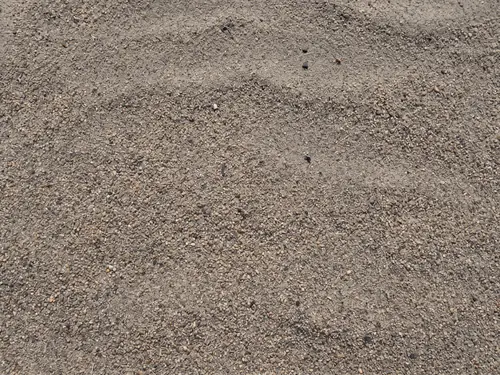
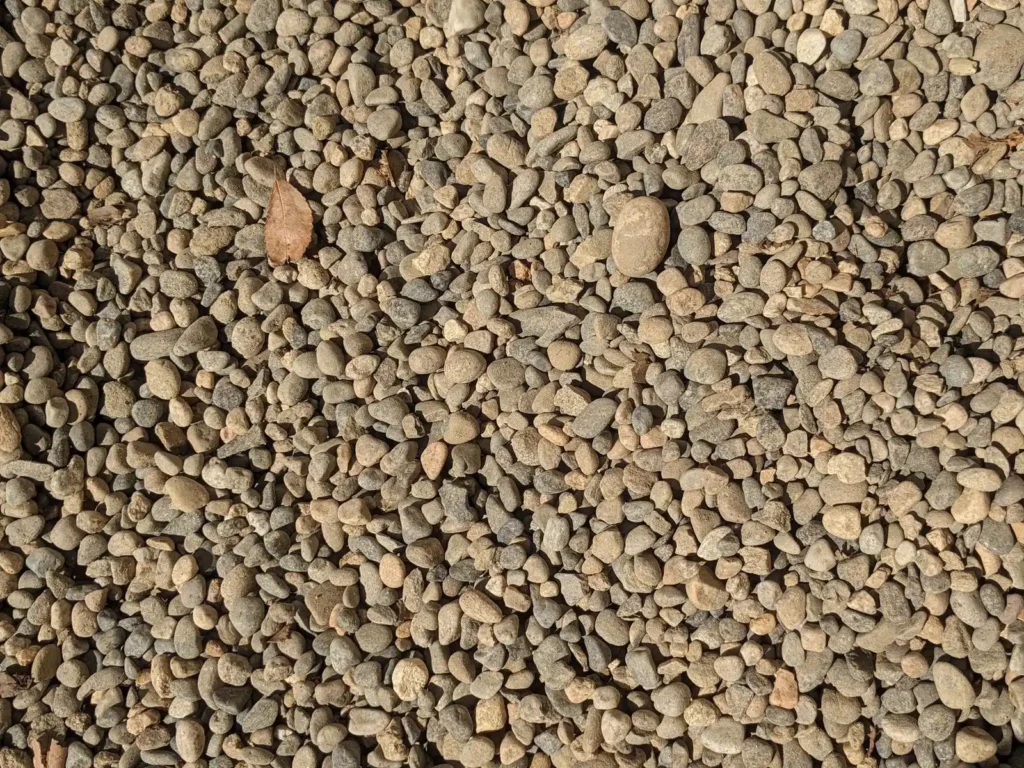
Bulk concrete sand delivered in Portland, OR. Stone size 0 - 3/8. Tan / gray color.
Concrete Sand in Portland: The Workhorse Behind Every Slab and Patio
If you are pouring concrete, setting pavers, or bedding a pipe run anywhere in the Portland metro, concrete sand has angular, sharp grains that lock together under load and give a concrete batch the structure it needs to cure hard. Around Portland, contractors and weekend builders alike reach for it because the city's wet winters and freeze-thaw swings in the West Hills punish anything built on a weak base.
The Rose City is a town of mature trees, basements, and older homes east of the Willamette, which means a lot of the concrete sand we deliver goes into repair and remodel work as much as new builds. A cracked driveway in Sellwood, a new garage slab in Beaverton, a paver patio in Lake Oswego: all of them lean on clean, consistent sand that mixes predictably and drains well.
Why Portland Builders Use Concrete Sand
Concrete sand earns its keep in four main jobs around the metro, and most of our Portland customers are buying it for one of these:
- Concrete mixing. As the fine aggregate in a concrete batch, it fills the voids between gravel and cement so the slab cures dense and strong. This is the number one reason it sells here.
- Paver bedding. A one inch screeded layer of concrete sand under pavers gives a firm, free-draining bed that does not pump or wash out in Portland's long rainy stretches.
- Pipe and utility bedding. Its angular grains cradle drain lines, conduit, and water service without the sharp rock that can nick a pipe, and it compacts to a stable trench bottom.
- Masonry work. Block walls, retaining courses, and stone setting all use concrete sand in the mortar bed and as a leveling layer.
For finer mortar joints and tuckpointing, builders often pair it with Mason Sand, which is softer and more uniform. When the job is about raising grade or backfilling rather than load support, Fill Sand is the cheaper choice. And under a thick paver or driveway installation, many crews put down a compacted Paver Base first and reserve the concrete sand for the thin setting layer on top.
Local Delivery and Lead Times Across the Portland Metro
We run bulk dump deliveries throughout the Portland-Vancouver-Hillsboro area, from inner Southeast and the Pearl out to Gresham, Tigard, Hillsboro, and across the river into Vancouver. Most Portland orders land in 1 to 2 business days. When you order at the six ton level or higher, we can usually schedule same or next day delivery, which matters when a concrete pour is booked and the forecast shows a dry window opening up.
Portland's tree-lined streets and tight, older neighborhoods do call for a little planning. Tell us if there are low branches, narrow alleys, or a steep shared driveway, and we will match the right truck to your site. We deliver well beyond the immediate metro too. Seattle is about 145 miles up I-5, and we serve Northern California markets including Sacramento, Stockton, Oakland, and San Francisco when projects span the I-5 corridor.
How Much Concrete Sand Do You Need?
Concrete sand is sold by the ton, and one ton covers roughly 100 square feet at a 2 inch depth. At about 2,700 pounds per cubic yard, a ton is a touch under three quarters of a yard. Here is a practical Portland example: say you are bedding a 400 square foot paver patio in Sellwood at a 1 inch sand setting depth. That is about 400 divided by 200, or roughly 2 tons of concrete sand, and you would round up to be safe.
- A 200 square foot patio at 1 inch bedding: about 1 ton.
- A typical two car driveway base touch-up: 3 to 5 tons depending on depth.
- A small-batch concrete project mixing your own: estimate the fine aggregate at roughly 40 to 45 percent of total aggregate volume.
If you are between two tiers, it almost always pays to round up to the next pricing break, since the per ton price drops sharply and you avoid a second delivery fee.
Portland Pricing: Real Numbers
Concrete sand starts delivered in Portland. Best for small repairs and single-batch jobs.
The math rewards buying in volume. Moving from the 1 ton to the 16 ton tier cuts the per ton price by $39 and erases the delivery fee entirely, so larger Portland jobs see a real saving per yard placed.
Placement and Installation Tips
For paver bedding, screed the concrete sand to a uniform depth over a compacted base and do not over-compact the setting layer itself before laying pavers. For concrete mixing, keep the sand under cover or tarped once it is on site so Portland rain does not soak it and throw off your water to cement ratio. When bedding pipe, place and lightly tamp the sand in lifts so the trench bottom stays even and the line sits true.
Seasonal Notes for Oregon
Portland's calendar revolves around the rain. The dry window from roughly June through September is prime time for concrete pours and paver work, and demand for sand peaks then, so book deliveries a few days ahead in summer. Through the wet season, keep stockpiles tarped, since saturated concrete sand is heavy, hard to screed, and will skew a concrete batch. In the higher, colder pockets around the West Hills and out toward Mount Hood, watch the overnight lows in late fall and early spring, because freeze-thaw cycles are exactly what a properly bedded, free-draining base is built to resist.
Concrete Sand Compared With Other Local Materials
One of the most common questions we field from Portland builders is which sand belongs in which job, and the answer comes down to grain size and cleanliness. Concrete sand sits in the sweet spot for structural work: coarse enough to support load and drain freely, clean enough to mix predictably. That is why it is the default fine aggregate for both concrete batching and paver bedding.
Here is how the related materials line up for a typical Portland project. Mason Sand is finer and more uniform, the right call when you want clean, smooth mortar joints on a brick or block wall. Fill Sand is the economical bulk material for raising grade, backfilling a low spot, or building up a soggy yard before you ever think about structure. Paver Base, a crushed and graded rock product, is the load-bearing foundation you compact first under a thick paver or driveway build, with the concrete sand placed as the thin leveling course on top. Getting this layering right is what separates a patio that stays flat for a decade from one that ripples and settles after the first couple of Portland winters.
Ordering and Site Prep for Your Portland Project
When you call in an order, have three numbers ready: the square footage of the area, the depth you plan to place, and your access constraints. From those we can confirm the right tonnage and tier. For a typical Southeast Portland backyard we often recommend the six ton tier, because it lands the price, roughly halves the delivery fee versus a single ton, and still gives margin over what a repair needs. Jobs that clear 16 tons unlock the rate with free delivery. Before the truck arrives, clear a firm, level drop spot that keeps the wheelbarrow run short and the pile out of the rain runoff, and tarp it under and over to keep the sand dry, which matters more in Portland than almost any market we serve.
About Concrete Sand
About Concrete Sand
Concrete sand is a coarse, washed, well-graded sand screened to a 0 to 3/8 inch range and used as the fine aggregate in concrete, mortar, and bedding applications. Its grains are angular and sharp rather than rounded, which is what gives it the interlock and structural strength that finer play or fill sands cannot provide. The color runs tan to gray, blending cleanly into concrete and mortar mixes.
Because it is washed, concrete sand carries very little silt or clay, so it drains freely and mixes to a predictable consistency. That makes it the standard fine aggregate when batching concrete, where it fills the voids between coarse rock and cement paste to produce a dense, durable cure. It is equally at home as a one inch setting bed under pavers and natural stone, as bedding around drain pipe and utility lines, and as the sand component in masonry mortar for block and brick work.
At roughly 2,700 pounds per cubic yard, concrete sand is a dense, heavy material, and it is sold by the ton. One ton covers about 100 square feet at a 2 inch depth, which makes coverage easy to estimate for most projects. It compacts to a firm, stable layer while still draining well, a balance that makes it more versatile than softer sands.
is coarser than Mason Sand, which is preferred for smooth mortar joints, and it is cleaner and more structural than Fill Sand, which is used mainly to raise grade. For thick paver or driveway builds it is typically combined with a compacted Paver Base beneath the thin sand setting layer. Stored under cover and kept dry, it stays workable and ready for the next pour.
What Concrete Sand costs in Portland
In the Portland market, concrete sand is sold by the ton and priced at the gate before delivery is added on. Send your ZIP and load size and we will send back a same-hour quote with the truck rate and the per-ton figure spelled out. One ton covers about 80 sq ft at a 3 inch finished depth, so a 400 sq ft driveway pad runs roughly 5 tons.
How crews use Concrete Sand in Portland
Crews working out of Portland tend to call for concrete sand on a few repeat jobs each week. The first is pipe bedding, typically laid in tight urban lots and infill builds with a base lift compacted before the finish course goes on. The second is base course gravel, which lands here in dense neighborhoods where curb access is short and usually ships as a 4 to 8 ton order. With a population around 654,741, Portland pulls a mix of single-truck homeowner orders and contractor full-loads through the season.
Delivery day in Portland
On the day of the drop, the dispatcher pulls the closest yard, batches your ticket with other Portland stops, and sends a window the night before. Tandem-axle dumps need at least 12 ft of clear width and 14 ft overhead to set the bed; tri-axles need 14 ft of clearance on both counts and a level pad to tip safely. Standard lead time on this lane is Mon-Sat, with same-day windows held open for orders that hit the desk before 11 AM and clear payment.
Related materials we deliver in Portland

Estimate how much you need
Calculate Your Project
Estimate only. Add 10-15% for compaction and waste.
Browse more
Available in nearby cities
Plan your project
Related guides
 GUIDEWhat Size Crushed Stone Goes Under a Concrete SlabMost slabs need 4 to 6 inches of compacted crushed stone underneath. What size crushed stone under a concrete slab needs, and why it matters.Read guide →GUIDEWhat Is Crushed Stone? Sizes, Uses and Buying BasicsCrushed stone is quarried rock crushed and screened into angular pieces sold by the ton. Here is what it is, how it is graded, and where to use it.Read guide →
 GUIDEHow Much Does Gravel Cost? A Practical Pricing GuideHow much does gravel cost and why does it vary? See the real factors behind ton pricing, delivery, and order size before you buy.Read guide →GUIDEGravel Size Chart: Pea Gravel to Crushed StoneA gravel size chart showing pea gravel, crushed stone and river rock diameters side by side, so you can match the right size to your project.Read guide →
Frequently Asked Questions
What is concrete sand used for in Portland?
In the Portland metro it is used mainly as the fine aggregate in concrete mixing, as a setting bed under pavers, as bedding around drain pipe and utilities, and in masonry mortar. The wet local climate makes its free-draining, structural grains especially valuable for bases that must resist freeze-thaw.
How much concrete sand do I need for a paver patio?
Plan on about 1 ton per 200 square feet at a 1 inch setting depth. A 400 square foot patio therefore needs roughly 2 tons. Round up if you are close to a quantity tier so you capture the lower per ton price.
How fast can you deliver concrete sand in Portland?
Most orders arrive within 1 to 2 business days. Orders of six tons or more can usually be scheduled for same or next day delivery, which is handy when you have a concrete pour booked during a dry window.
What is the difference between concrete sand and mason sand?
Concrete sand is coarser and more angular, which makes it ideal for concrete batching and load-bearing bedding. Mason Sand is finer and more uniform, so it is preferred where you want smooth, tight mortar joints in brick and block work.
Can I use concrete sand for pipe bedding?
Yes. Its angular grains cradle and support drain lines, conduit, and water service without the sharp rock that can damage a pipe. Place it in lifts and lightly tamp so the trench bottom stays even and the line sits true.
Do you deliver concrete sand outside Portland proper?
Yes. We cover the full Portland-Vancouver-Hillsboro area including Beaverton, Tigard, Gresham, Lake Oswego, and Vancouver, and we serve the wider I-5 corridor up toward Seattle and down into Northern California markets like Sacramento, Oakland, and San Francisco.
Will Portland rain ruin my concrete sand?
It will not ruin it, but soaked sand is heavy, hard to screed, and can throw off the water to cement ratio in a concrete batch. Keep the stockpile tarped or under cover once it is on site, especially during the wet season.
Is concrete sand the same as fill sand?
No. Fill Sand is cheaper and used mainly to raise grade or backfill, where structural strength and cleanliness are not critical. Concrete sand is washed and well-graded for mixing concrete and bedding, where consistency and drainage matter.
When is the best time to order concrete sand in Oregon?
The dry window from roughly June through September is prime time for pours and paver work, and demand peaks then, so book a few days ahead. Through the wet season you can still order anytime, just keep the material covered and dry.