Compost Delivery in Phoenix, AZ
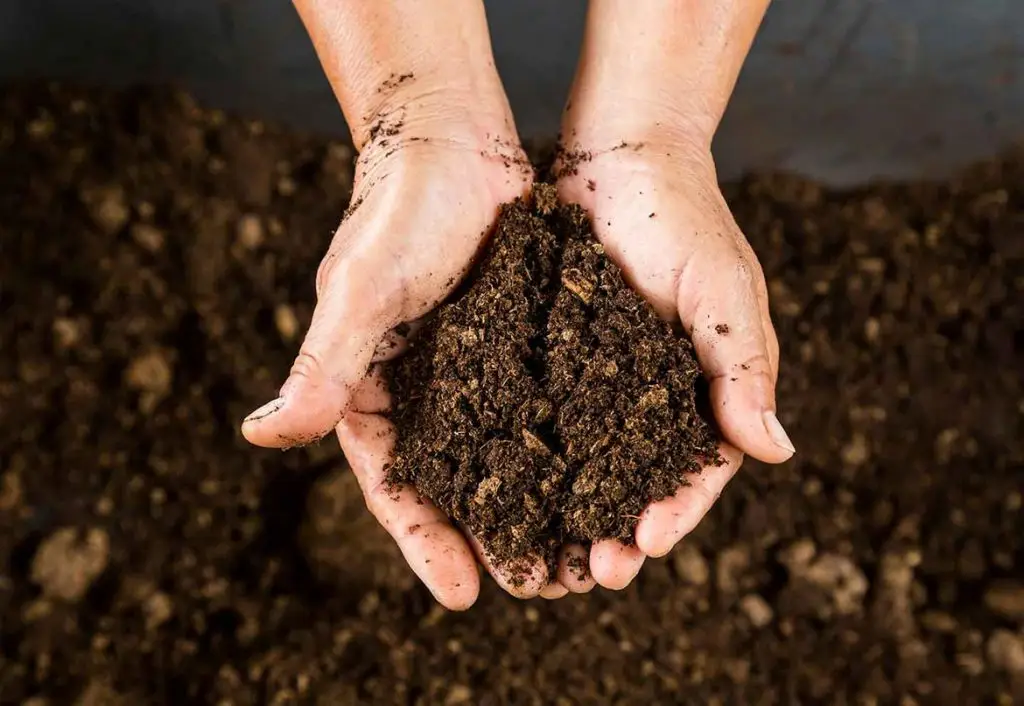
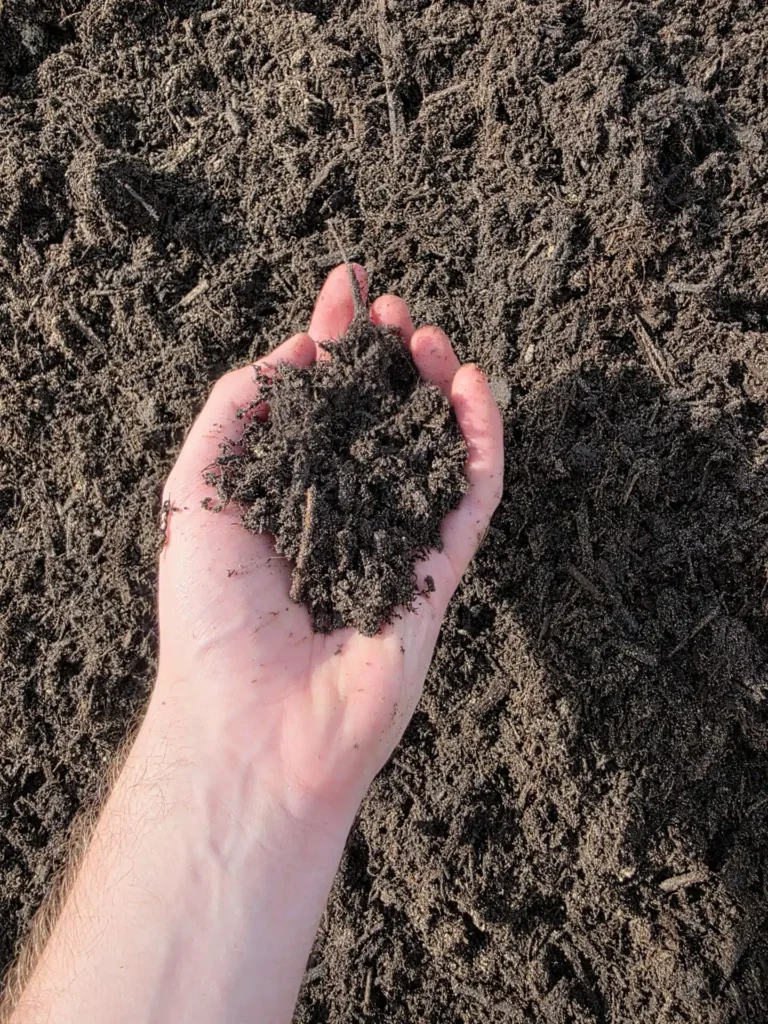
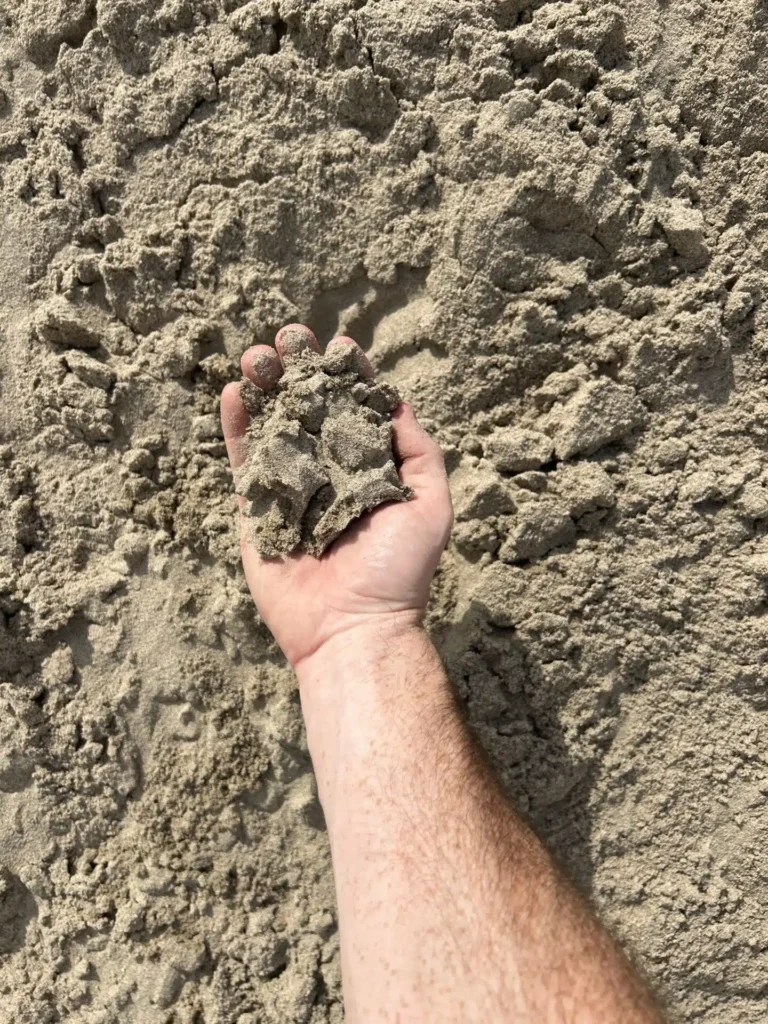
Bulk compost delivered in Phoenix, AZ. Dark brown color.
From $91.00/ton delivered, free delivery on full loads
Bulk Compost Delivery in Phoenix, AZ
Desert soil is not built for gardens. Across the Phoenix valley the native ground is sandy, alkaline, and almost devoid of organic matter, and beneath it sits caliche, a cement-hard layer of calcium carbonate that blocks drainage and stops roots cold. The Sonoran climate piles on extreme heat and barely eight inches of rain a year. To grow anything beyond cactus, you have to manufacture soil, and the foundation of that work is bulk Compost. Our dark brown, fully screened compost weighs about 1,000 pounds per cubic yard and arrives ready to dig in, top-dress, or blend, with delivery to Phoenix starting at just $91 per yard.
From a Tempe vegetable garden to a Scottsdale desert-adapted landscape to an Arcadia citrus grove, compost is the material that brings dead desert dirt to life and keeps precious irrigation water in the root zone where it belongs.
Why Phoenix Gardeners Use Compost
In a place where you irrigate nearly every day in summer, water retention is everything, and organic matter is what holds water in the soil. Phoenix ground has almost none, so adding compost transforms how a garden performs. Here is where it does the most work locally:
- Building life into desert soil: Worked into sandy, alkaline ground, compost adds the organic sponge and microbial life the desert lacks, holding moisture and slowly buffering the high pH.
- Raised garden beds: Growers across Mesa and Glendale blend compost with Garden Soil to build fertile beds that sit above the caliche and stay productive through the cool growing months.
- Lawn and overseed topdressing: A thin layer revives Bermuda lawns and helps when overseeding with rye for winter color. Level low spots with Topsoil first.
- Citrus and tree wells: Phoenix’s beloved citrus trees thrive on an annual compost top layer in the watering basin, which feeds them and reduces evaporation.
After amending, always finish with a thick layer of Hardwood Mulch. In the desert sun, mulch is not optional, it shades the soil, cuts evaporation dramatically, and keeps the compost and roots from cooking.
Local Delivery and Lead Times in Phoenix
We deliver compost across the Phoenix-Mesa-Chandler metro, from central Phoenix out across the East and West Valley. The valley’s wide streets and driveways make access easy in most neighborhoods, and we just need a clear spot where the truck can tip the load. Smaller orders around 3 yards typically arrive within 1 to 2 business days. Mid-size loads near 8 yards often go out same or next day. Full truckloads of 15 yards and up ship on our free-delivery tier.
The surrounding cities are all close by, so they fold right into our regular routes: Tempe (8 mi), Glendale AZ (9 mi), Scottsdale (9 mi), Peoria AZ (13 mi), and Mesa (14 mi). That tight metro geography means fast turnarounds across the whole valley, though we still recommend booking ahead during the busy fall planting season.
How Much Compost Do You Need
Compost is sold by the cubic yard, and one cubic yard covers 324 square feet at a 1-inch depth. Desert soil needs generous amounts, so for a 20-foot by 30-foot Tempe backyard you want to amend 3 inches deep before planting, you would order about 5.5 yards, so round to 6. To build a new 4-foot by 8-foot raised bed filled 12 inches deep, plan on roughly 1.2 yards after settling. A typical desert-landscape conversion amending the planting zones often runs 4 to 7 yards.
Here is a quick coverage example. Suppose you have a 900 square foot Bermuda lawn in Chandler and want a half-inch topdressing ahead of a winter rye overseed. That works out to about 1.4 cubic yards. Round up to 3 yards so you can also dress the citrus tree wells and the front entry beds.
Phoenix Compost Pricing
Our bulk tiers reward larger orders with a lower cost per ton, which makes sense when desert soil needs deeper amendment than most regions. Compost in Phoenix starts at $91 per yard. The delivered tiers break down like this:
- 3-ton minimum: $122 per ton with a $237 delivery fee, arriving in 1 to 2 business days. Right for a single backyard or a few beds.
- 8-ton minimum: $104 per ton with a reduced $127 delivery fee, often same or next day. A good fit for a full-yard amendment.
- 15-ton minimum: $91 per ton with free delivery. The best value for landscapers, HOAs, and large desert-conversion projects.
Since compost runs about 1,000 pounds per yard, a 15-ton load equals roughly 30 yards, enough to deeply amend a large desert yard and refill a season of beds in one delivery, a real advantage when you are building soil from scratch.
Spreading and Installation Tips
Amending Desert Soil Deeply
Because Phoenix soil starts with so little organic matter, work compost in deeper than you would elsewhere, mixing 2 to 3 inches into the top 8 to 12 inches of a new bed. If you hit a caliche layer, break through it so water can drain rather than pooling and turning salty.
Topdressing and Overseeding
Spread compost no more than half an inch over a lawn and water it in right away. The dry desert air pulls moisture fast, so do not let topdressing sit dry on the surface.
Always Mulch After
Blend compost with Topsoil and Garden Soil for beds, never plant in straight compost in the desert, then top everything with Hardwood Mulch. Without that mulch cap, the sun bakes the organic matter out within a season.
Compost, Salinity, and Phoenix Water Quality
Desert soils and desert water share a problem that compost helps manage: salt. The valley’s groundwater and Colorado River supply both carry dissolved salts, and in a climate where most water evaporates rather than draining through, those salts concentrate in the root zone and, left unchecked, stunt plants and yellow leaves. Compost helps in two ways. The organic matter it adds opens the soil structure so an occasional deep irrigation can flush salts below the roots, and compost-fed soil biology buffers the alkalinity of high-pH desert ground. That leaching flush only works if the soil drains, which is exactly what a generous compost amendment provides.
This is also why breaking through caliche matters so much. If that hardpan layer traps water above it, salts have nowhere to go and simply build up. Combining a caliche breakthrough with deep compost amendment gives water and salt a path to move. Consider these salt-management practices common across the valley:
- Amend deep: Work compost 8 to 12 inches down so the soil can both hold moisture and drain when flushed.
- Leach periodically: Run an occasional deep soak to push accumulated salts below the roots.
- Mulch heavily: A thick Hardwood Mulch cap slows surface evaporation, which is the main driver of salt buildup.
Desert Landscape Conversions and HOA Projects
Across Scottsdale, Peoria, and the wider valley, xeriscape and desert-adapted landscaping is the norm, and compost is the unsung foundation of these installs. Even a low-water yard of agave and palo verde establishes far faster when the planting holes are amended with compost first. HOAs managing common areas order in bulk to amend large planting zones at once, and our 15-ton free-delivery tier is built for that scale. Whether you are converting a Tempe front yard or a Mesa common area, starting with compost-built soil means plants root in quickly and need less of the irrigation the desert makes so expensive.
Seasonal Notes for Arizona
Phoenix flips the usual calendar: the prime growing season runs from fall through early spring, when the heat finally breaks. Fall, from late September into November, is the busiest stretch and the best time to amend beds and plant cool-season crops, so order early. Late winter, January and February, is a second strong window for soil prep before the spring warm-up. Summer is for survival, not building, so reserve summer deliveries for mulching and tree wells and hold off on major bed work in the brutal heat. Because desert soil holds almost no water or nutrients on its own, the moisture-retention boost from a generous annual compost addition pays for itself fast in lower irrigation bills.
Ready to schedule a drop anywhere from central Phoenix to the East or West Valley? Tell us your access setup and target depth, and we will size the right load for your project.
About Compost
About Our Compost
Our bulk compost is a fully matured, screened soil amendment with a rich dark brown color and a clean, earthy smell that confirms it is finished and biologically stable. It is produced from yard trimmings, leaf litter, and clean organic feedstock that is windrowed, turned, and cured until it reaches a consistent crumb texture. The finished product is screened to remove sticks, stones, and clumps, so it spreads evenly and blends without fuss.
At roughly 1,000 pounds per cubic yard, compost is lighter than topsoil or sand, which makes it easy to move with a wheelbarrow and rake into place. Its balanced carbon-to-nitrogen ratio feeds plants gradually and carries no nitrogen-burn risk, unlike raw or hot manure. It also adds organic matter and microbial life that sandy, alkaline desert soils sorely lack, while greatly improving water-holding capacity.
Typical uses include amending vegetable and flower beds, building soil for raised beds, topdressing established lawns, mulching around perennials, and bringing life to depleted or sandy ground. Gardeners commonly blend it with Topsoil and Garden Soil to create a custom root-zone mix, then top planting areas with Hardwood Mulch to retain moisture and shade the soil. It is suitable for organic growing and forms the biological backbone of any soil-building program.
Compost settles a bit after spreading, so order about 10 to 15 percent more than your bare coverage math suggests, and remember that depleted desert soils usually need a deeper amendment than other regions. Sold by the cubic yard in bulk, it offers far better value than bagged product for any project larger than a single small bed, and it ships loose for direct dumping or staged placement on site.
What Compost costs in Phoenix
In the Phoenix market, compost is sold by the ton and priced at the gate before delivery is added on. Pricing in Phoenix starts at $91 per ton on full-truck loads, which works out to roughly $46 per cubic yard at the typical density of 1000 lb per yard. One ton covers about 216 sq ft at a 3 inch finished depth, so a 400 sq ft driveway pad runs roughly 2 tons. Compared to the AZ state average for compost, Phoenix comes in a touch above the typical posted rate.
How crews use Compost in Phoenix
Crews working out of Phoenix tend to call for compost on a few repeat jobs each week. The first is planting bed gravel, typically laid in tight urban lots and infill builds with a base lift compacted before the finish course goes on. With a population around 1,608,139, Phoenix pulls a mix of single-truck homeowner orders and contractor full-loads through the season.
Delivery day in Phoenix
On the day of the drop, the dispatcher pulls the closest yard, batches your ticket with other Phoenix stops, and sends a window the night before. Tandem-axle dumps need at least 12 ft of clear width and 14 ft overhead to set the bed; tri-axles need 14 ft of clearance on both counts and a level pad to tip safely. Standard lead time on this lane is Mon-Sat, with same-day windows held open for orders that hit the desk before 11 AM and clear payment.
Related materials we deliver in Phoenix
Delivered pricing in Phoenix
| Order size | Price / ton | Delivery fee | Lead time |
|---|---|---|---|
| 3+ tons | $122 | $237 | 1-2 business days |
| 8+ tons | $104 | $127 | Same/next day |
| 15+ tons | $91.00 | Included | Free delivery |
Estimate how much you need
Calculate Your Project
Estimate only. Add 10-15% for compaction and waste. Compost
Browse more
Available in nearby cities
Plan your project
Related guides
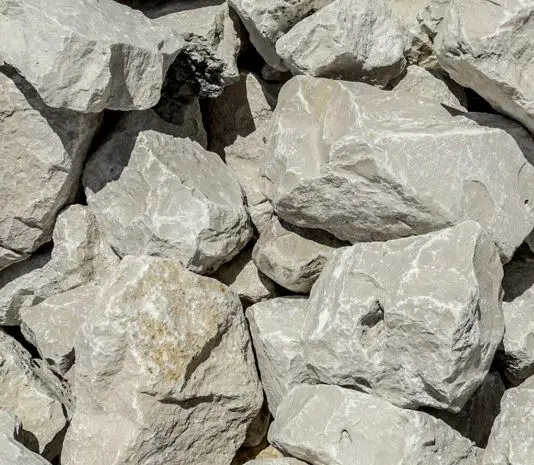 GUIDEHow Deep Should a Gravel Driveway Be? Layer GuidePractical, field-tested guide: how deep should gravel driveway be. Pulled from real US installer notes and 2026 supplier price data.Read guide →
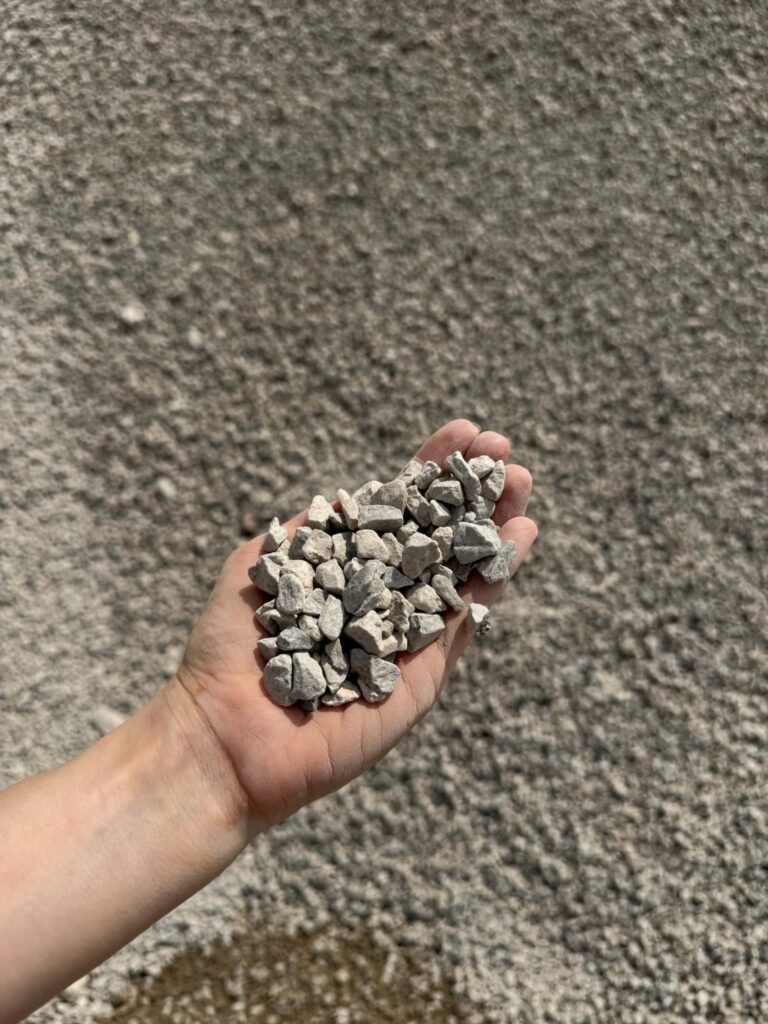 GUIDEWhat Is #57 Stone? Uses, Size, and Cost ExplainedPractical, field-tested guide: what is 57 stone. Pulled from real US installer notes and 2026 supplier price data.Read guide →
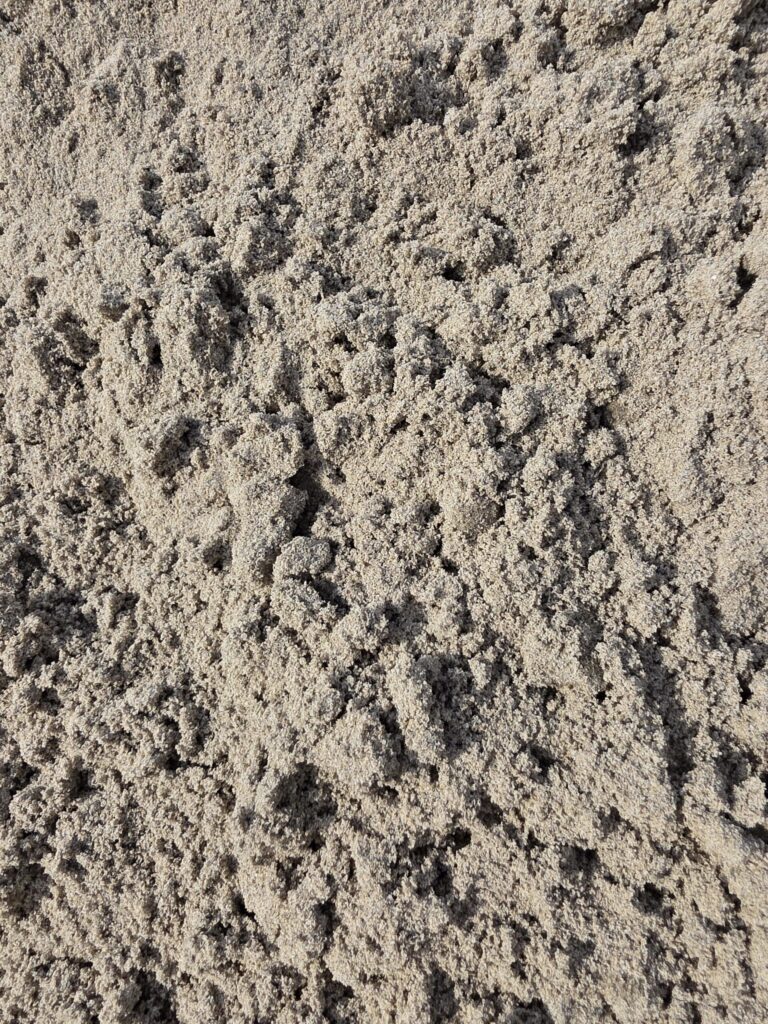 GUIDEHow Much Gravel Do I Need? Quick Sizing GuidePractical, field-tested guide: how much gravel do i need. Pulled from real US installer notes and 2026 supplier price data.Read guide →
 GUIDEDoes Gravel Stop Weeds? Honest Answer + What WorksPractical, field-tested guide: does gravel stop weeds. Pulled from real US installer notes and 2026 supplier price data.Read guide →
Frequently Asked Questions
How much compost do I need to amend desert soil in Phoenix?
One cubic yard covers 324 square feet at a 1-inch depth, but desert soil needs deeper amendment. To work 3 inches into a 20-foot by 30-foot backyard you need about 5.5 cubic yards, so round up to 6. A 4-foot by 8-foot raised bed filled 12 inches deep needs about 1.2 yards after settling.
How fast can you deliver compost in Phoenix?
Smaller 3-ton orders usually arrive within 1 to 2 business days. Mid-size 8-ton loads often ship same or next day. Full 15-ton truckloads ship on our free-delivery tier, and the tight valley geography keeps turnarounds fast across the whole metro.
Does compost help with caliche in Phoenix soil?
Will compost reduce my watering in the desert?
Yes. Desert soil holds almost no water on its own, and compost adds the organic matter that retains moisture in the root zone. A generous amendment lets you stretch the time between irrigations, which lowers summer water bills noticeably.
When is the best time to apply compost in Phoenix?
Fall, from late September into November, is the prime window as the heat breaks and cool-season crops go in. Late winter, January and February, is a second strong window for soil prep. Reserve summer for mulching and tree wells, not major bed building.
What is the minimum compost order for delivery?
Our smallest delivered tier is a 3-ton minimum at $122 per ton plus a $237 delivery fee. Stepping up to the 8-ton tier drops the rate to $104 per ton and cuts the fee to $127, so combining projects usually pays off.
Can I plant directly in straight compost in the desert?
No. Blend compost with Topsoil and Garden Soil rather than planting into pure compost, then always cap beds with Hardwood Mulch. Without that mulch the desert sun bakes the organic matter out within a single season.
Is compost good for Phoenix citrus trees?
Yes. An annual compost top layer in the citrus watering basin feeds the tree, builds soil life, and reduces evaporation. Top it with mulch to keep the root zone cool and conserve irrigation water.
Do you deliver compost to the rest of the valley?
Yes. Tempe, Glendale, Scottsdale, Peoria, and Mesa are all close by and fold into our regular routes, so turnarounds are quick. We still recommend booking ahead during the busy fall planting season.
Is your compost safe for organic vegetable gardens?
Yes. Our compost is fully matured and stable, made from yard trimmings and clean organic feedstock with no raw-manure nitrogen-burn risk. It is well suited to organic vegetable beds and helps buffer the high pH of desert soils over time.