Compost Delivery in Houston, TX
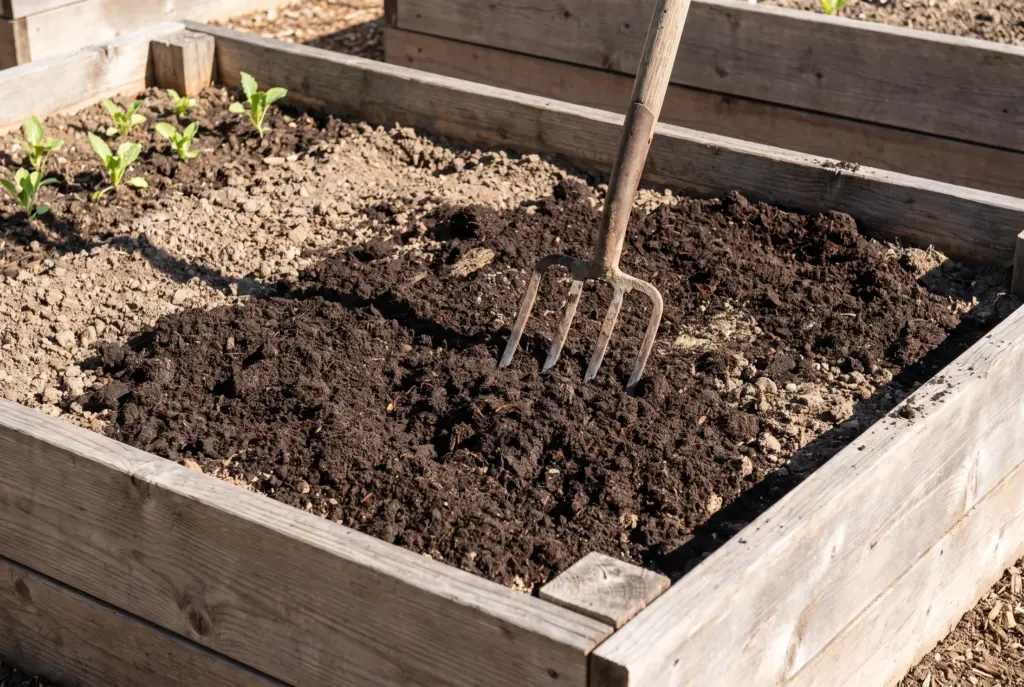
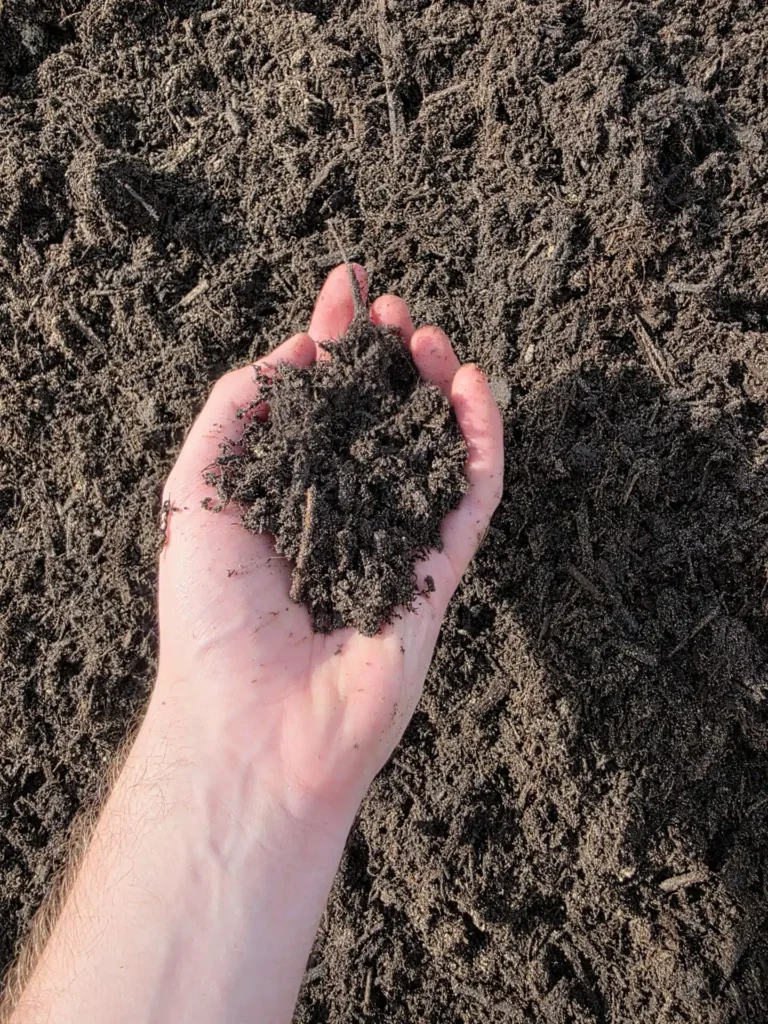
Bulk compost delivered in Houston, TX. Dark brown color.
Bulk Compost Delivery in Houston, TX
Houston gardeners know the local soil by its nickname: gumbo. The thick, black clay that covers most of the metro swells when it rains, cracks wide open in the August heat, and drains so slowly that a heavy storm can drown plant roots within hours. Combine that with a long, humid growing season and serious rainfall, and you have soil that demands constant organic matter to stay workable. Bulk Compost is the most affordable and effective answer. Our dark brown, fully screened compost weighs about 1,000 pounds per cubic yard and arrives ready to dig in, top-dress, or blend, with delivery to Houston starting at just, our lowest big-city rate.
From a Heights bungalow bed to a Sugar Land vegetable garden to a Memorial-area lawn fighting compaction, compost is what turns sticky gumbo into ground that drains and breathes through the wet Gulf Coast seasons.
Why Houston Gardeners Use Compost
Gumbo clay is fertile but airless. It holds too much water in spring, bakes into a brick in summer, and shrinks and swells enough to crack foundations and snap roots. Compost moderates all of that by adding structure and organic buffer. Here is where it works hardest locally:
- Loosening gumbo clay: Forked into the top several inches of a bed, compost opens drainage channels that move heavy rainfall away from roots, the most important fix for Houston soils.
- Raised garden beds: Growers across Spring Branch and Pearland blend compost with Garden Soil to build raised beds that sit above the saturated clay and stay plantable in the rainy season.
- Lawn topdressing: A thin spring layer feeds St. Augustine and Bermuda lawns and slowly improves the dense clay below. Level low, ponding spots with Topsoil first.
- Bed blending for humidity: Annual compost additions keep beds draining freely, which helps roots breathe and reduces the root-rot pressure that comes with Houston humidity.
After amending, finish beds with Hardwood Mulch to keep the soil surface cooler, slow evaporation in the heat, and reduce the splash that spreads disease during heavy rains.
Local Delivery and Lead Times in Houston
We deliver compost across the Houston-The Woodlands-Sugar Land metro, from inside the Loop out to the far suburbs. Houston's wide lots and driveways usually make access easy, but we need a firm, clear staging spot where the truck can tip the load without sinking into wet ground, so a driveway or paved apron is ideal after rain. Smaller orders around 3 yards typically arrive within 1 to 2 business days. Mid-size loads near 8 yards often go out same or next day. Full truckloads of 15 yards and up ship on our free-delivery tier.
We also serve the surrounding region, including Pasadena (11 mi), Pearland (14 mi), College Station (83 mi), Austin (146 mi), and Round Rock (147 mi). Nearby cities like Pasadena and Pearland slot right into our regular routes, while farther markets such as Austin and Round Rock should plan an extra day for scheduling during peak season.
How Much Compost Do You Need
Compost is sold by the cubic yard, and one cubic yard covers 324 square feet at a 1-inch depth. For a 25-foot by 35-foot backyard you want to amend 2 inches deep before planting, you would order about 5.4 yards, so round to 6. To build a new 4-foot by 8-foot raised bed filled 12 inches deep, plan on roughly 1.2 yards after settling. A typical Houston bed-and-lawn renovation often runs 5 to 8 yards.
Here is a quick coverage example. Suppose you have a 1,000 square foot St. Augustine lawn in Bellaire and want a half-inch spring topdressing to soften the gumbo. That is about 1.5 cubic yards. Round up to 3 yards so you can also build up the vegetable beds along the back fence.
Houston Compost Pricing
Our bulk tiers reward larger orders with a lower cost per ton, ideal for tackling a whole yard before the rainy season. Compost in Houston. The delivered tiers work like this:
- 3-ton minimum: with a $203 delivery fee, arriving in 1 to 2 business days. Right for one backyard or a couple of beds.
- 8-ton minimum: with a reduced $109 delivery fee, often same or next day. A good fit for a full-yard project.
- 15-ton minimum: with free delivery. The best value for landscapers, schools, and large lot renovations.
Because compost weighs around 1,000 pounds per yard, a 15-ton load equals roughly 30 yards, enough to amend a large yard and refill a season of raised beds in one delivery before the next round of Gulf rains.
Spreading and Installation Tips
Topdressing in Heat and Humidity
Spread compost no more than half an inch at a time over a lawn and water it in so the Houston sun does not dry it out before it settles into the turf. Early morning is the best time to work in the summer.
Building Raised Beds Above the Clay
For new beds, blend compost with Topsoil and Garden Soil and build the bed up above grade rather than planting into straight compost or down into the gumbo. Raised, free-draining beds keep roots out of the standing water that gumbo holds after a storm.
Working Gumbo at the Right Moisture
Fork 2 to 3 inches of compost into the top several inches when the clay is moist but not wet. Digging gumbo when it is saturated turns it into heavy, smearing clods, so wait for a couple of dry days after rain.
Compost, Foundations, and Hurricane-Season Drainage
Houston homeowners think about soil differently than gardeners in most cities, because here the ground moves. Gumbo clay swells when wet and shrinks when dry, and that constant expansion is hard on slab foundations across the metro. While compost is not a structural fix, building organic matter into the beds around a home helps moderate those moisture swings, keeping the soil from cracking as severely during a hot spell or saturating as fast during a storm.
Drainage takes on real urgency during hurricane season, when a single storm can dump a year's worth of rain in a few days. Compost-amended raised beds shed and absorb that water far better than untouched gumbo, which simply puddles and drowns roots. Gardeners who build their beds up with compost, Topsoil, and Garden Soil before the summer rains find their plants recover while neighbors lose theirs to root rot. Consider these wet-season practices:
- Build beds high: Raise growing beds well above the surrounding grade so water drains off rather than standing.
- Amend deeply: Work compost into the root zone so the soil can absorb and release the heavy rainfall.
- Mulch to protect: Cap beds with Hardwood Mulch to reduce splash erosion and soil-borne disease after storms.
What Grows Well With Compost on the Gulf Coast
Houston's long, warm season is a gift for vegetable gardeners, and compost-rich soil is what makes the most of it. Tomatoes and peppers set heavily in spring before the worst heat, okra and southern peas shrug off July, and a fall garden of greens and root crops carries through the mild winter. The key in every case is the same: free-draining, organically rich soil that does not waterlog in the humidity. Whether you garden inside the Loop or out toward College Station, an annual compost program is the foundation of a productive Gulf Coast garden.
Seasonal Notes for Texas
Houston's mild winters give it a long growing season with two main planting pushes. Fall, from September into November, is excellent for amending beds because the heat eases and compost has time to integrate before the cool-season crops go in. Late winter into spring, February through April, is the other prime window before the summer heat and heaviest rains arrive. Summer deliveries are fine for topdressing and mulching, but build raised beds before the peak rainy stretch so they are draining well when storms hit. Because Houston's gumbo clay benefits so much from organic matter and drainage, an annual compost addition is one of the smartest moves a Gulf Coast gardener can make.
Ready to schedule a drop inside the Loop or out in the suburbs? Tell us your access setup and target depth, and we will size the right load for your project.
About Compost
About Our Compost
Our bulk compost is a fully matured, screened soil amendment with a rich dark brown color and a clean, earthy smell that confirms it is finished and biologically stable. It is produced from yard trimmings, leaf litter, and clean organic feedstock that is windrowed, turned, and cured until it reaches a consistent crumb texture. The finished material is screened to remove sticks, stones, and clumps, so it spreads evenly and blends without fuss.
is lighter than topsoil or sand, which makes it easy to move with a wheelbarrow and rake into place. Its balanced carbon-to-nitrogen ratio feeds plants gradually and carries no nitrogen-burn risk, unlike raw or hot manure. In clay-heavy regions it adds the structure dense soils lack, opening drainage channels that move excess water away from roots.
and Garden Soil to create a custom root-zone mix, then top planting areas with Hardwood Mulch to retain moisture and moderate soil temperature. It is suitable for organic growing and forms the biological backbone of any soil-building program.
Compost settles a bit after spreading, so order about 10 to 15 percent more than your bare coverage math suggests. Sold by the cubic yard in bulk, it offers far better value than bagged product for any project larger than a single small bed, and it ships loose for direct dumping or staged placement on site.
What Compost costs in Houston
Local Houston yards quote compost by the ton; the delivered number includes fuel, the truck, and the haul. Send your ZIP and load size and we will send back a same-hour quote with the truck rate and the per-ton figure spelled out. A ton of this material spreads across about 216 sq ft when laid 3 inches deep, useful when you are sizing a patio base or a walkway run.
How crews use Compost in Houston
In and around Houston, compost shows up most often on two project types. The most common deployment is planting bed gravel, often in tight urban lots and infill builds in two to three inch lifts. At roughly 2,302,878 people, the Houston order mix leans toward 3 to 8 ton residential drops with the occasional 16 ton job for a contractor.
Delivery day in Houston
A typical Houston drop is dispatched from the closest yard with a two hour window and a heads-up call once the truck is loaded. Tandem trucks want a 12 ft lane in and out; tri-axles need 14 ft, and both want firm ground at the tipping spot so the load releases cleanly. Standard lead time on this lane is Mon-Sat, with same-day windows held open for orders that hit the desk before 11 AM and clear payment.
Related materials we deliver in Houston
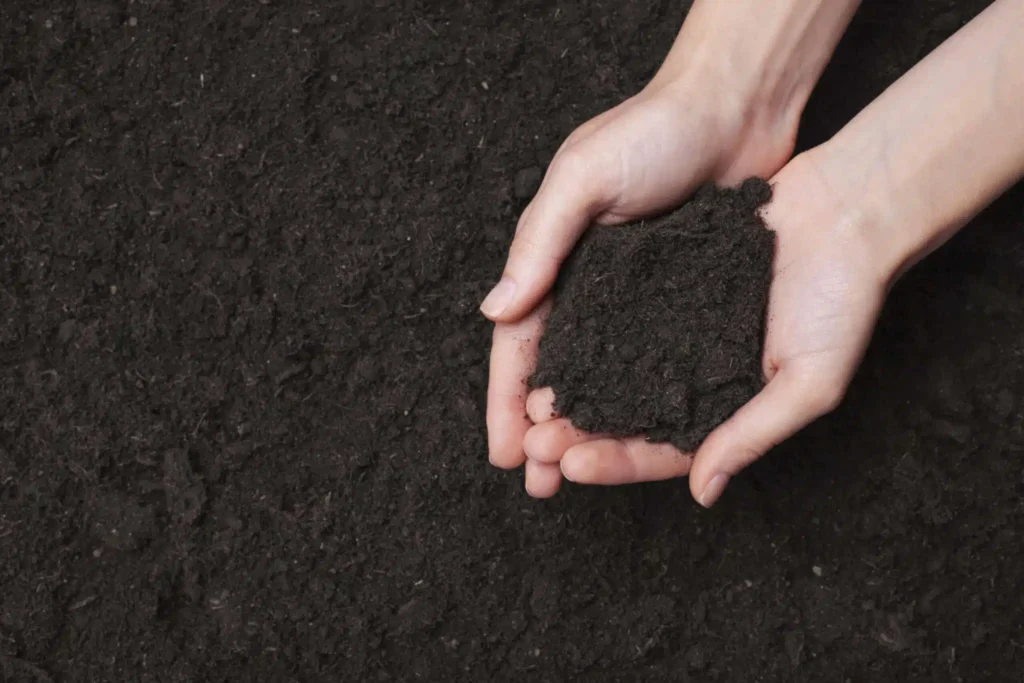 From $44.03/yard
- SizeScreened, no size grade
- Density2200 lb/yd³
- ColorDark brown
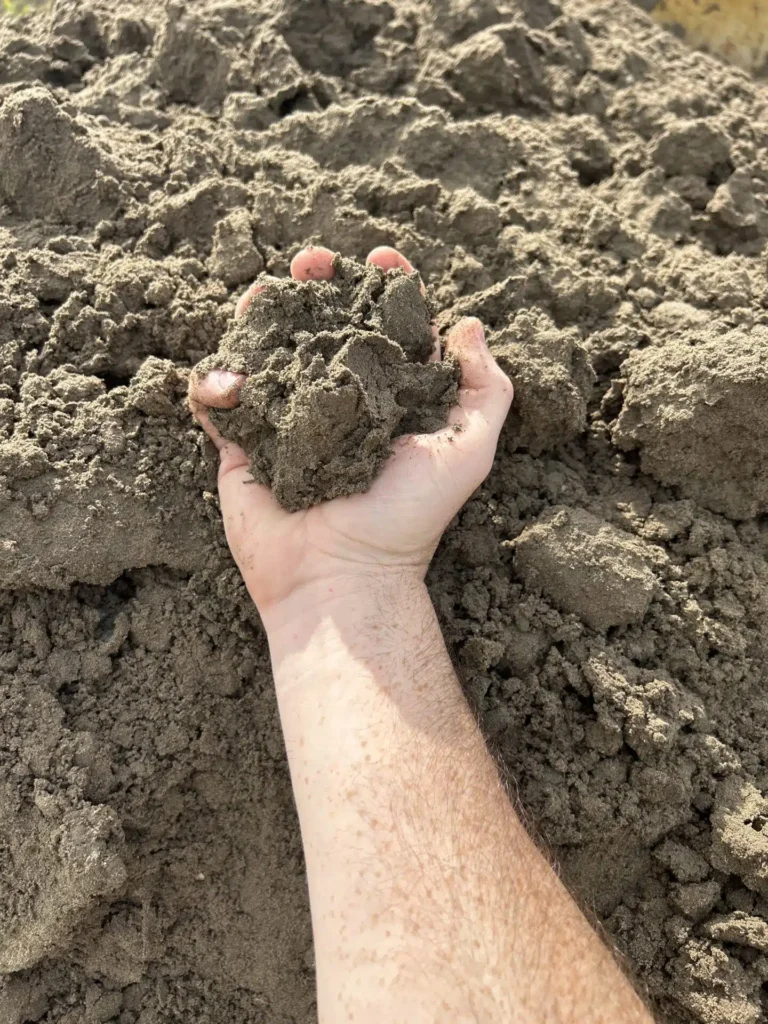 From $40.95/yard
- Density2200 lb/yd³
- ColorBrown
 From $44.03/yard
- Density2000 lb/yd³
- ColorDark brown
Estimate how much you need
Calculate Your Project
Estimate only. Add 10-15% for compaction and waste.
Browse more
Available in nearby cities
Plan your project
Related guides
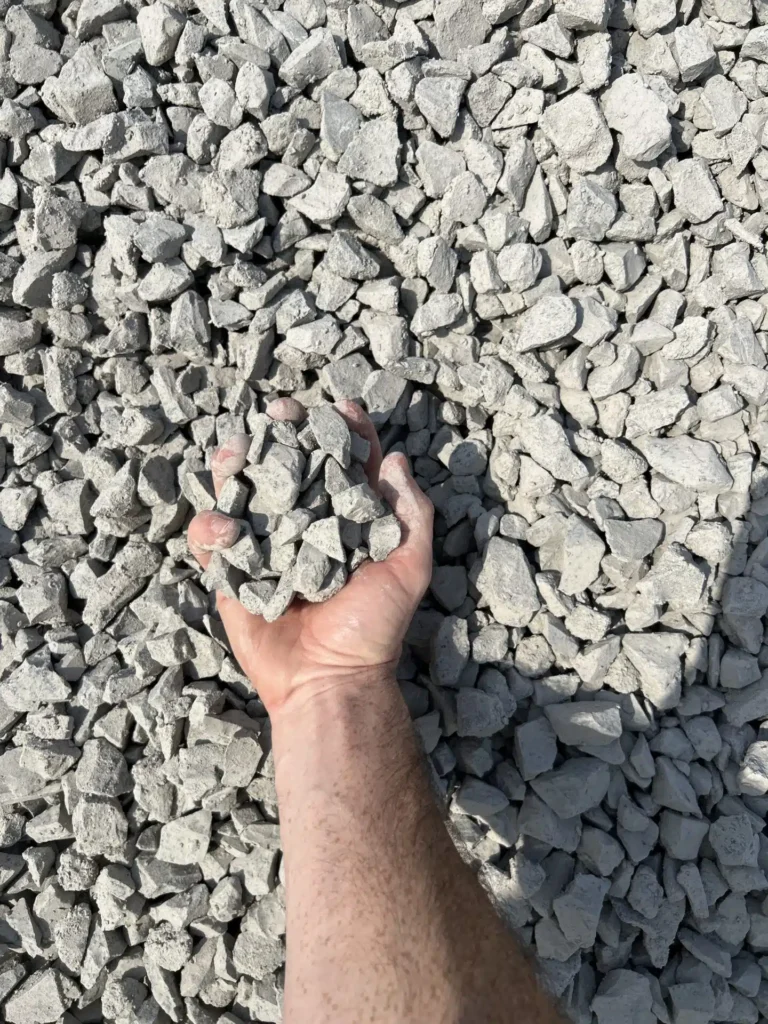 GUIDEGravel Size Chart: Pea Gravel to Crushed StoneA gravel size chart showing pea gravel, crushed stone and river rock diameters side by side, so you can match the right size to your project.Read guide →
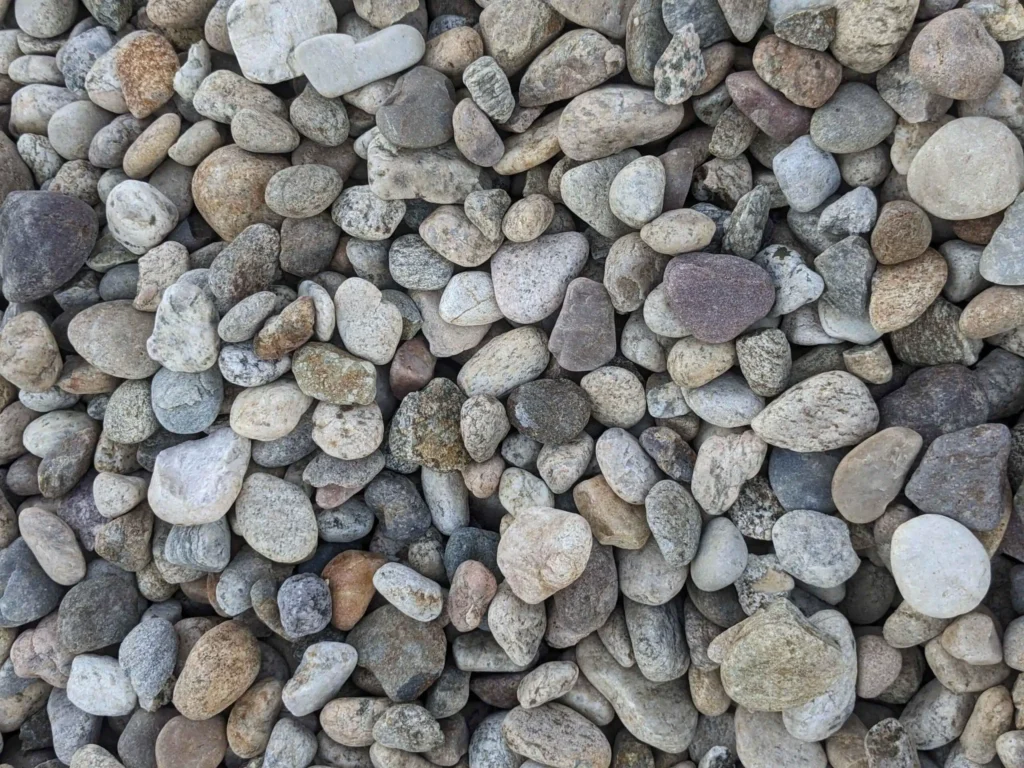 GUIDEThe Different Types of Gravel and How to ChooseA plain-language guide to the main types of gravel, covering pea gravel, crushed stone, river rock and decomposed granite.Read guide →
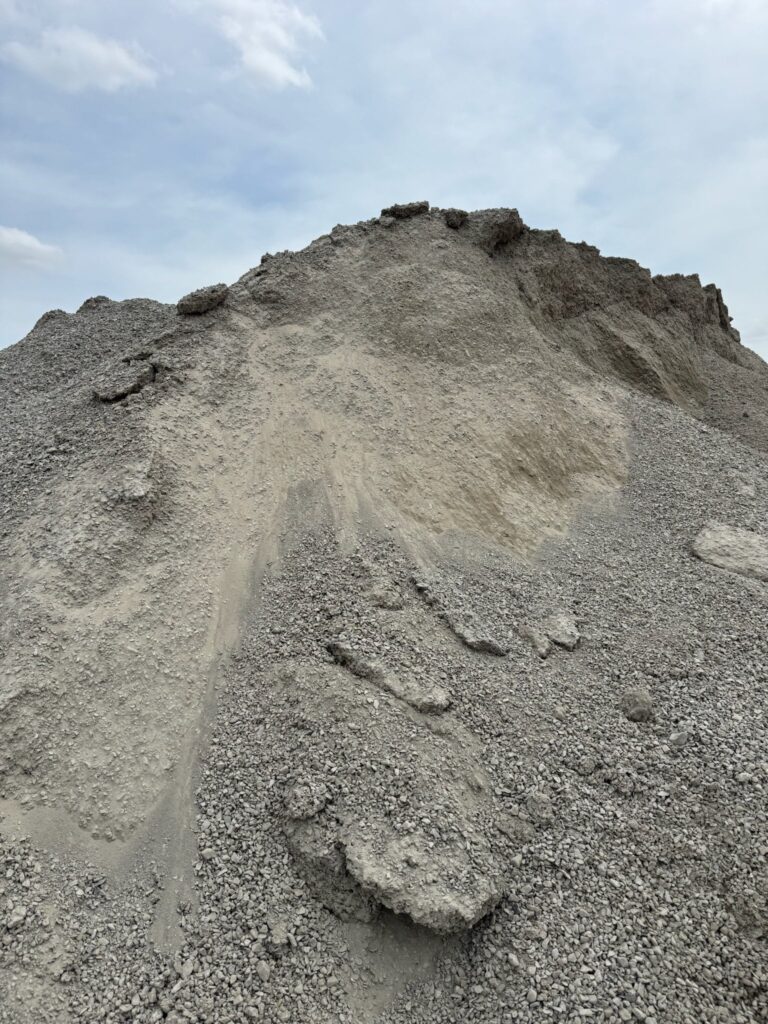 GUIDEWhat Are Screenings? A Guide to Crushed Stone FinesScreenings are fine crushed stone used for paver bases, joint fill and walkways. See what screenings are, common types, and mistakes to avoid.Read guide →GUIDEWhat to Put Under River Rock for Landscaping BedsHere is what to put under river rock landscaping: a compacted base where needed, then landscape fabric, then rock, to stop weeds and settling.Read guide →
Frequently Asked Questions
How much compost do I need to improve gumbo clay in Houston?
One cubic yard covers 324 square feet at a 1-inch depth. To fork 2 inches into a 25-foot by 35-foot backyard you need about 5.4 cubic yards, so round up to 6. A 4-foot by 8-foot raised bed filled 12 inches deep needs about 1.2 yards after settling.
How fast can you deliver compost in Houston?
Smaller 3-ton orders usually arrive within 1 to 2 business days. Mid-size 8-ton loads often ship same or next day. Full 15-ton truckloads ship on our free-delivery tier with scheduling confirmed ahead of time.
Will compost help with Houston's poor drainage?
Yes. Gumbo clay is fertile but airless and drains slowly, drowning roots after heavy rain. Forking 2 to 3 inches of compost keeps roots above the standing water.
When is the best time to apply compost in Houston?
Fall, from September into November, is excellent because the heat eases and compost integrates before cool-season crops. Late winter into spring, February through April, is the other prime window before summer heat and the heaviest rains arrive.
Should I build raised beds or dig into the gumbo?
Build raised beds. Blend compost with Topsoil and Garden Soil or down into the gumbo. Raised, free-draining beds keep roots out of the water that gumbo holds after a storm.
Can I dig compost into wet gumbo clay?
No. Working gumbo when it is saturated turns it into heavy smearing clods. Wait a couple of dry days after rain until the clay is moist but not wet, then fork the compost into the top several inches.
Do you deliver compost outside the city of Houston?
Yes. We serve Pasadena, Pearland, College Station, Austin, and Round Rock. Nearby cities like Pasadena and Pearland are on our regular routes, while farther markets such as Austin and Round Rock should plan an extra day during peak season.
How much area does a full 15-ton load cover?
A 15-ton load is roughly 30 cubic yards. At a half-inch topdressing depth that covers nearly 19,000 square feet, enough for a large lawn plus a season of raised-bed refills in one free delivery.
Is your compost safe for organic vegetable gardens?
Yes. Our compost is fully matured and stable, made from yard trimmings and clean organic feedstock with no raw-manure nitrogen-burn risk. It is well suited to organic vegetable beds across the Gulf Coast climate.