
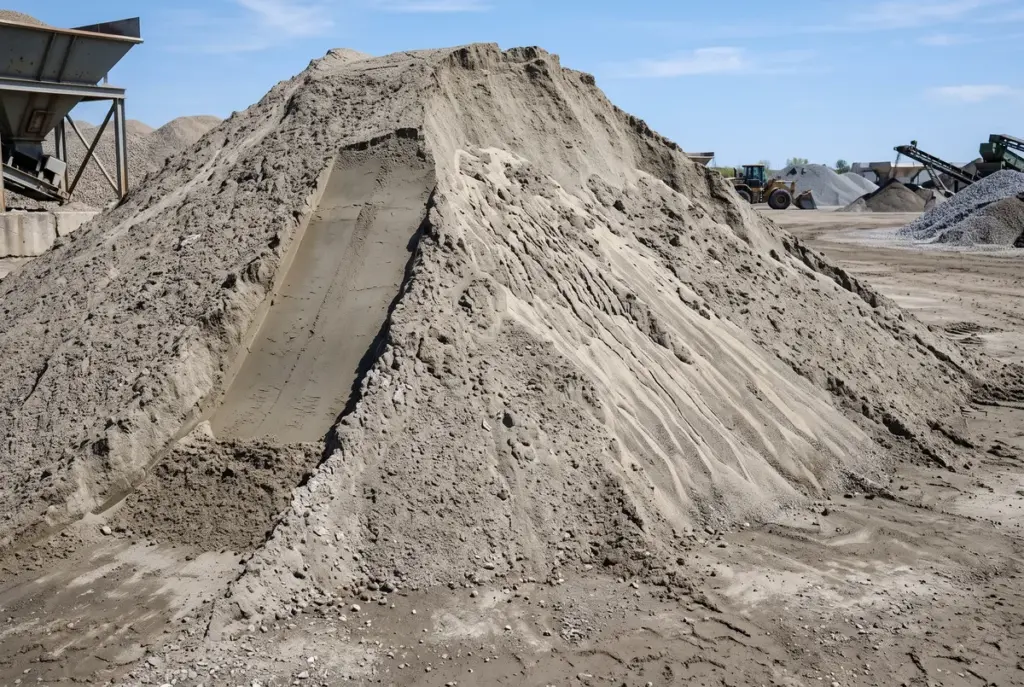
Concrete Sand Delivery in Milwaukee, WI
Bulk concrete sand delivered in Milwaukee, WI. Stone size 0 - 3/8. Tan / gray color.
Concrete sand is the unglamorous workhorse behind nearly every solid build in the Milwaukee area, and most pros along the Lake Michigan shore reach for it without a second thought. It is a coarse, washed sand graded from 0 to 3/8 inch with a tan and gray cast, screened so the particles lock together under load instead of shifting. That gradation is exactly what makes it the standard fine aggregate for mixing concrete, bedding pavers, cradling pipe, and feeding the mortar and parge work that holds up so many of the city's historic brick and Cream City masonry projects.
Why Milwaukee Crews Rely on Concrete Sand
Milwaukee sits on heavy, clay-rich glacial soils that drain slowly and heave hard when winter sets in. Builders here learned generations ago that a stable build starts with the right sand under it. A bedding layer that holds water is a layer that will freeze, expand, and lift whatever sits on top of it. Concrete sand sidesteps that problem because it is washed and coarse enough to shed water instead of trapping it. It earns its keep in four core jobs around the metro, and locals lean on each one heavily.
- Concrete mixing. As the fine aggregate in a standard mix, concrete sand fills the voids between the stone and gives footings, slabs, and driveway aprons their workability and strength. With the frost line running deep here, deep footings eat a lot of mix, and the sand component adds up fast on a full pour.
- Paver bedding. A screeded one-inch layer of concrete sand sets the base for patios and walkways across Bay View, Wauwatosa, and the western suburbs. Pair it with a compacted Paver Base below and you get a surface that rides out repeated freeze-thaw cycles without humping or settling unevenly.
- Pipe bedding. Utility and drainage crews cradle PVC and clay pipe in concrete sand because it compacts evenly and will not point-load the line as the trench backfills and the surrounding clay shifts with the seasons.
- Masonry work. While finish mortar usually calls for finer Mason Sand, concrete sand is the go-to for parging, scratch coats, and structural fill behind retaining and foundation walls all over the older neighborhoods. Where a backfill is purely non-structural, crews drop to cheaper Fill Sand instead.
Because it is washed, the silt and organic fines are gone, so it will not muddy a mix or trap water against a slab. That matters a lot in a town where the ground stays cold and wet well into spring and where a poorly drained base shows itself the first hard winter.
Local Delivery and Lead Times Across the Metro
We deliver concrete sand throughout Milwaukee and the wider Milwaukee-Waukesha MSA, from the lakefront and the Historic Third Ward out to Waukesha, West Allis, and the Menomonee Valley job sites. For a single ton on a smaller residential order, plan on 1 to 2 business days. Step up to six tons or more and we can usually hit same or next day, which is the sweet spot for most contractor schedules. Bulk loads of sixteen tons and up move fast because they ride a full dedicated truck straight to your staging area.
Our reach extends well beyond the city line. Crews working the corridor toward Chicago, about 81 miles south, or out toward Hammond around 103 miles, can still pull from the same yard network. We also serve projects reaching toward South Bend, roughly 126 miles, when the spec calls for a consistent washed sand that local pits cannot match on short notice. Tell us the access on your site when you book, because tight urban lots near downtown and alley-only delivery in the older neighborhoods change which truck we send.
How Much Concrete Sand You Need
Concrete sand is sold by the ton, and one ton of this material weighs in around 2,700 pounds per cubic yard, so a ton covers a touch under three-quarters of a yard. Here is the math most Milwaukee crews use for a paver bedding layer.
Say you are building a 20-foot by 20-foot patio, 400 square feet, with a standard 1-inch sand setting bed. That is about 1.23 cubic yards of sand, which works out to roughly 1.7 tons once you account for compaction. Round up to 2 tons so you are not chasing a half load mid-job. For a concrete slab, figure the sand at about 40 to 45 percent of the dry mix volume and scale from there. Always order a little long, because running short on a Friday afternoon can stall a pour over a whole weekend.
- Small patio or walkway bedding: 1 to 2 tons
- Two-car driveway slab base and mix sand: 6 to 10 tons
- Foundation backfill or large pour: 16 tons and up
Local Pricing Context
Concrete sand in the Milwaukee market starts , and the per-ton rate drops as your load grows. A single ton runs $142 with a $273 delivery fee on a 1 to 2 business day window, which suits a quick repair or a small backyard project. At six tons or more the price falls to with a reduced $147 delivery fee and same or next day service. Order sixteen tons or more and you lock in the best rate with free delivery, which is why most full driveway and foundation jobs are scoped to hit that bulk tier. Pooling a season's worth of sand into one bulk drop is the simplest way to cut your cost per ton in this market, especially when you can stage it on site for several jobs.
Placement and Installation Tips
For paver bedding, screed concrete sand to a uniform inch over compacted Paver Base, set your pavers, then sweep more sand into the joints. Do not over-thicken the bed or it will rut under traffic. For concrete, batch it dry and add water last so you can read the slump, especially when the lakefront wind is pulling moisture off the surface fast and skinning the top of a pour. When bedding pipe, place the sand in lifts and compact each one rather than dumping the full depth at once, which leaves soft pockets that settle later. On a wet Milwaukee spring site, let the sand drain on a tarp before you work it so you start with a consistent moisture content.
Seasonal Notes for Wisconsin
Wisconsin's build window is real but short. The best stretch for sand-dependent work runs from late April through October, once the frost is out and before the ground freezes again. Order early in spring when yards are flush and lead times are shortest, because every contractor in the metro is competing for the same trucks once the snow clears. If you are stockpiling for a fall pour, keep the sand tarped so it does not freeze into a solid block, and remember that very cold concrete sand will slow your set times on chilly mornings. A few crews keep working into November on protected interior slabs, but most lakefront exterior work shuts down once the hard frosts arrive. Plan deliveries around the weather and you will keep your Milwaukee jobs moving from thaw to first frost without a costly mid-project gap.
About Concrete Sand
Concrete Sand is a coarse, washed fine aggregate graded from 0 to 3/8 inch, carrying a natural tan and gray color. It is the most widely specified sand in residential and light commercial construction because its gradation and angular particle shape give it the strength, drainage, and compaction that finer sands cannot match.
The material is washed during processing to strip out silt, clay, and organic fines. That cleaning step is what separates true concrete sand from cheaper pit-run sand. Clean sand mixes into concrete without weakening the paste, beds pavers without holding water, and cradles pipe without trapping moisture against the line. It weighs roughly 2,700 pounds per cubic yard, so it is dense, stable, and slow to migrate once placed and compacted.
Concrete sand serves four primary roles. As the fine aggregate in a concrete mix, it fills the gaps between coarse stone and controls workability. As a paver setting bed, a screeded layer gives a firm, free-draining cradle for the units above. As pipe bedding, it compacts evenly to support utility and drainage lines. And in masonry, it backs scratch coats, parge work, and bulk wall fill.
It pairs naturally with related materials on the same job. Many crews run it alongside finer Mason Sand for finish mortar, Paver Base as the compacted sub-layer beneath the bedding sand, and Fill Sand where a cheaper, non-structural backfill is all the spec requires. Sold by the ton, concrete sand is the dependable, all-purpose sand that belongs on nearly every build.
What Concrete Sand costs in Milwaukee
In the Milwaukee market, concrete sand is sold by the ton and priced at the gate before delivery is added on. Send your ZIP and load size and we will send back a same-hour quote with the truck rate and the per-ton figure spelled out. One ton covers about 80 sq ft at a 3 inch finished depth, so a 400 sq ft driveway pad runs roughly 5 tons.
How crews use Concrete Sand in Milwaukee
Crews working out of Milwaukee tend to call for concrete sand on a few repeat jobs each week. The first is pipe bedding, typically laid in tight urban lots and infill builds with a base lift compacted before the finish course goes on. The second is base course gravel, which lands here in dense neighborhoods where curb access is short and usually ships as a 4 to 8 ton order. With a population around 569,330, Milwaukee pulls a mix of single-truck homeowner orders and contractor full-loads through the season.
Delivery day in Milwaukee
On the day of the drop, the dispatcher pulls the closest yard, batches your ticket with other Milwaukee stops, and sends a window the night before. Tandem-axle dumps need at least 12 ft of clear width and 14 ft overhead to set the bed; tri-axles need 14 ft of clearance on both counts and a level pad to tip safely. Standard lead time on this lane is Mon-Sat, with same-day windows held open for orders that hit the desk before 11 AM and clear payment.
Related materials we deliver in Milwaukee

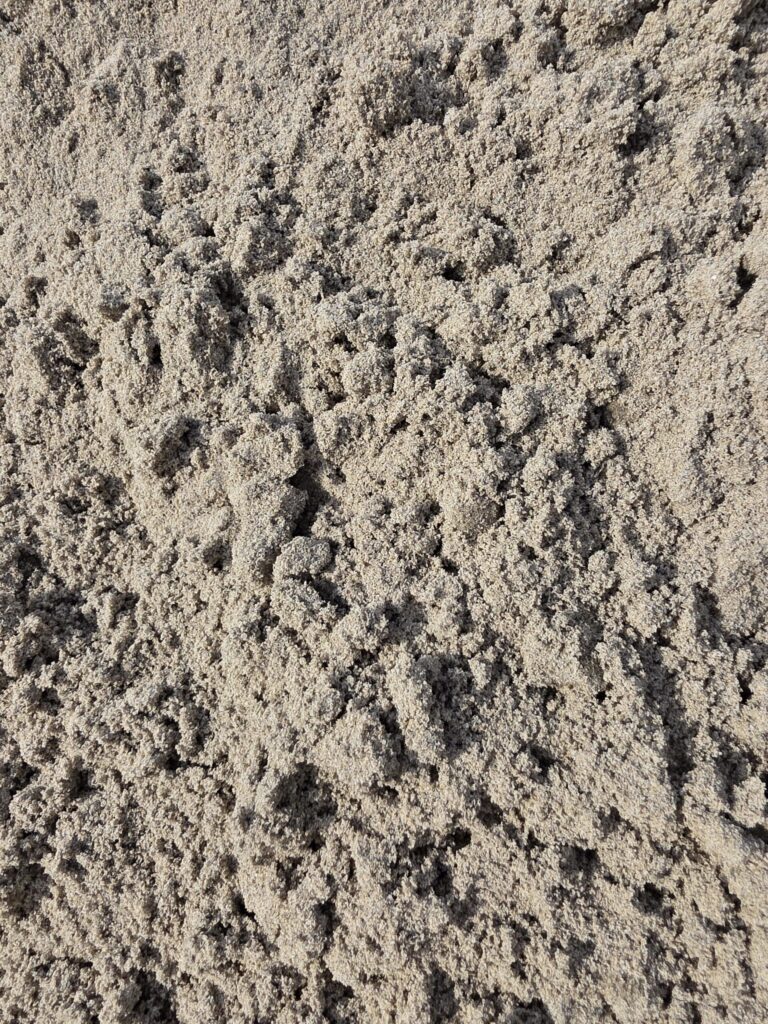
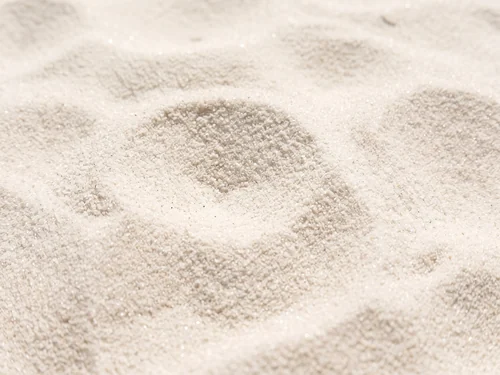
Estimate how much you need
Calculate Your Project
Estimate only. Add 10-15% for compaction and waste.
Browse more
Available in nearby cities
Plan your project
Related guides
 GUIDEWhat to Put Under River Rock for Landscaping BedsHere is what to put under river rock landscaping: a compacted base where needed, then landscape fabric, then rock, to stop weeds and settling.Read guide →GUIDEHow to Clean River Rock and Restore Its ColorLearn how to clean river rock landscaping with rinsing, soap and vinegar methods, plus common mistakes to avoid for a brighter, longer lasting rock bed.Read guide →
 GUIDEHow to Lay a Gravel Driveway: Step-by-Step GuidePractical, field-tested guide: how to lay gravel driveway. Pulled from real US installer notes and 2026 supplier price data.Read guide →
 GUIDEDoes Gravel Stop Weeds? Honest Answer + What WorksPractical, field-tested guide: does gravel stop weeds. Pulled from real US installer notes and 2026 supplier price data.Read guide →
Frequently Asked Questions
What is concrete sand used for in Milwaukee?
Milwaukee crews use concrete sand as the fine aggregate in concrete mixes, as a one-inch bedding layer under pavers, as pipe bedding for utility and drainage lines, and for masonry scratch coats and wall fill. Its washed, coarse gradation makes it strong, stable, and free-draining, which matters on the area's heavy clay soils.
How fast can you deliver concrete sand in Milwaukee?
Single-ton residential orders typically arrive within 1 to 2 business days. Orders of six tons or more usually ship same or next day, and large bulk loads of sixteen tons and up move quickly on a dedicated truck. We serve the full Milwaukee-Waukesha metro.
How many tons of concrete sand do I need for a patio?
For a 20-foot by 20-foot patio with a one-inch bedding layer, plan on roughly 1.7 tons, which most crews round up to 2 tons to avoid a partial reorder. Concrete sand weighs about 2,700 pounds per cubic yard, so one ton covers a little under three-quarters of a yard.
What is the difference between concrete sand and mason sand?
Concrete sand is coarser, graded from 0 to 3/8 inch, and built for strength in concrete, paver bedding, and pipe bedding. Mason Sand is finer and smoother, which makes it the better choice for finish mortar and brick joints. Many Milwaukee jobs use both.
Can concrete sand handle Wisconsin freeze-thaw cycles?
Yes. Because it is washed and free-draining, water does not pool in the bedding layer and freeze, which is what causes pavers to heave. Pairing concrete sand over a compacted Paver Base gives the most freeze-thaw resistance through Wisconsin winters.
When is the best time to order concrete sand in Milwaukee?
Late April through October is the prime build window, once the frost is out of the ground. Order early in spring when yard stock is high and truck lead times are shortest, since demand spikes across the metro as soon as the snow clears.
Do you deliver concrete sand outside the city of Milwaukee?
Yes. Beyond the city and the Milwaukee-Waukesha MSA, we reach job sites along the corridor toward Chicago about 81 miles south, Hammond around 103 miles, and as far as South Bend roughly 126 miles when a consistent washed sand is needed.
Can I use concrete sand for pipe bedding?
Absolutely. Concrete sand is a preferred pipe bedding material because it compacts evenly in lifts and supports the pipe without point-loading it. Place it in layers and compact each lift rather than dumping the full trench depth at once.
Should I order extra concrete sand for compaction?
Yes. Sand loses volume when compacted, so most crews add about 15 to 20 percent over the loose calculation and round up to the next full ton. Hitting the sixteen-ton bulk tier also earns free delivery, so consolidating orders saves money.