Compost Delivery in Boston, MA
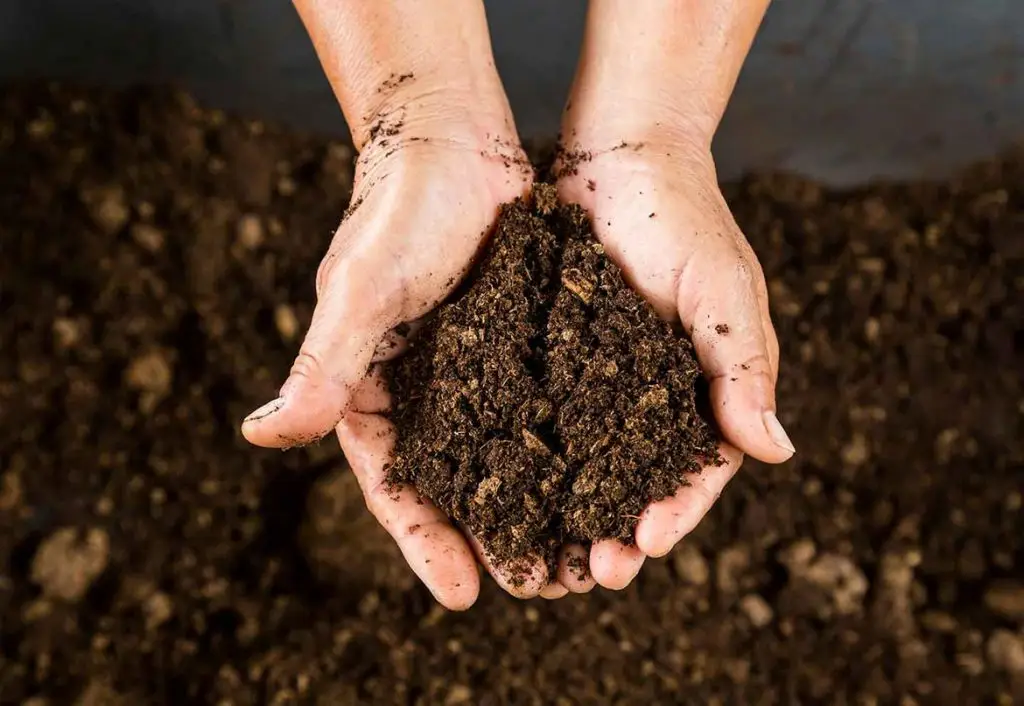
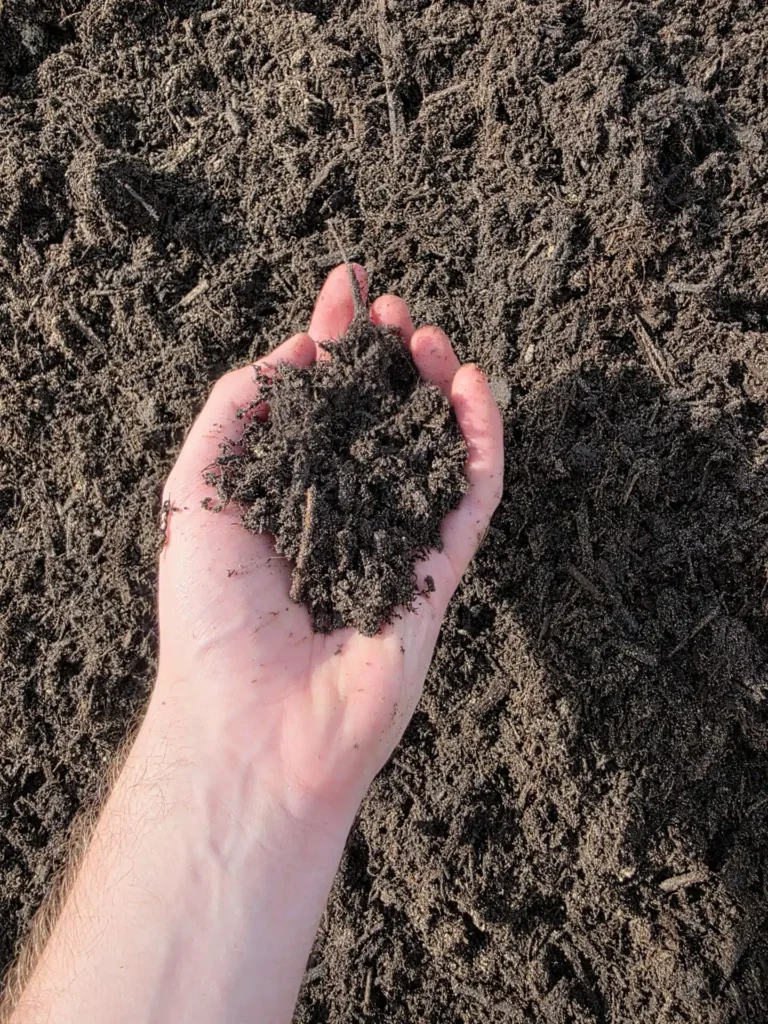
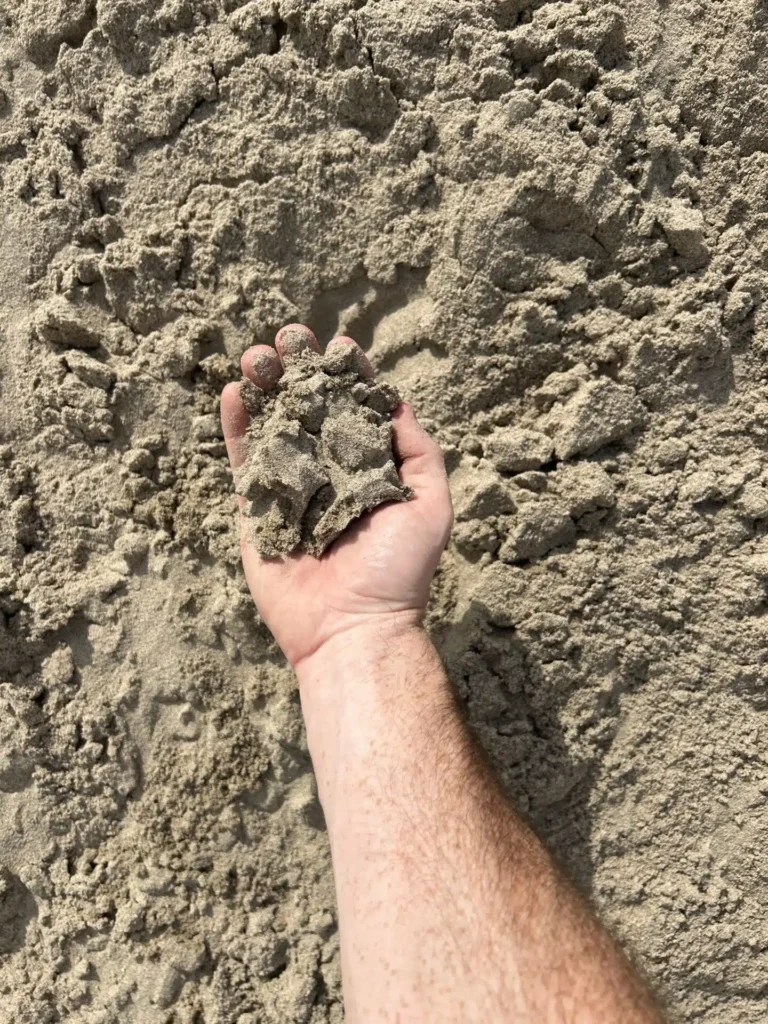
Bulk compost delivered in Boston, MA. Dark brown color.
From $101/ton delivered, free delivery on full loads
Bulk Compost Delivery in Boston, Massachusetts
Boston’s soils tell the story of New England. Across much of the metro you find dense, acidic glacial till, the rocky, compacted ground the last ice age left behind, often topped with a thin layer of tired urban fill in the older neighborhoods. It drains slowly in spring, runs acidic enough to hold back many vegetables and lawns, and compacts under foot traffic. Bulk compost is the most reliable way to turn that difficult ground into productive soil. It lightens heavy till, raises organic matter, feeds soil biology, and helps buffer the acidity New England gardeners constantly battle. Our compost is a dark brown, fully screened organic amendment, and it is one of the most in-demand materials we deliver across Greater Boston each season. Pricing starts at $101 per yard delivered, with meaningful savings as the load grows.
Why Boston Gardeners Rely on Compost
The top use we see across the Boston metro is soil amendment, and the heavy glacial till is the reason. When you fold two to three inches of compost into the top eight to ten inches of that till, it loosens, drains faster after spring rains, and finally gives roots room to spread. The organic matter also helps moderate the soil’s acidity and feeds the microbiology that thin urban soils lack. From Dorchester to Cambridge to Newton, compost is the engine behind nearly every garden that performs.
Boston customers turn to compost most often for these projects:
- Soil amendment: Breaking up dense, acidic glacial till so beds drain and roots run deeper.
- Raised garden beds: Blending compost with Topsoil and Garden Soil to build rich beds above rocky or contaminated urban fill, a common choice in older Boston neighborhoods.
- Lawn topdressing: A thin layer raked into cool-season fescue and bluegrass to feed turf naturally through the New England seasons.
- Vegetable plots: Powering the short but productive Northeast growing season for tomatoes, greens, and roots.
After planting, most Boston gardeners finish beds with a layer of Hardwood Mulch to retain moisture through summer dry spells and to insulate roots as the cold returns.
Local Delivery and Lead Times Across Greater Boston
We deliver compost throughout the Boston-Cambridge-Newton MSA, from the downtown core near 02108 out to Cambridge, Somerville, Newton, Quincy, and the inner suburbs. We also run larger regional loads down the corridor toward New York when order size justifies the trip. Boston’s dense streets, tight driveways, and permit-sensitive neighborhoods mean delivery logistics matter, so we coordinate the drop carefully and stage it where your wheelbarrow run is shortest. Most small and mid-size orders arrive within 1 to 2 business days. Larger loads frequently qualify for same or next-day delivery, which helps a great deal given how compressed the spring planting window is here.
Compost is sold by the cubic yard and weighs about 1,000 pounds per yard once screened and moist, so each truckload carries a generous volume, keeping deliveries efficient even on Boston’s congested routes.
How Much Compost Do You Need
Compost is sold by the cubic yard, so estimating up front saves you a second delivery into a tight city schedule. One cubic yard covers about 100 square feet at a 3-inch depth, the standard for amending a planting bed, while a thin topdressing pass stretches a yard further.
Picture a typical Greater Boston project. You are building three raised beds, each 4 feet by 8 feet at 12 inches deep, on top of rocky fill in a Cambridge backyard. A 50 percent compost blend works out to about 96 cubic feet of mix, roughly 3.6 cubic yards, so you would order around 1.8 yards of compost and balance the rest with Garden Soil and Topsoil. For amending a 400 square foot lawn renovation area at 3 inches before reseeding, plan on about 3.7 yards of compost. Round up so the job finishes in one trip.
Boston Compost Pricing
Bulk compost in Boston starts at $101 per unit delivered, and your per-ton cost falls as the order grows. We keep three straightforward tiers:
- 3 ton minimum: $135 per ton with a $263 delivery fee, arriving in 1 to 2 business days.
- 8 ton minimum: $115 per ton with a reduced $141 delivery fee, often same or next day.
- 15 ton minimum: $101 per ton with free delivery.
For a multi-bed build or a full lawn renovation, ordering up to the 15 ton tier earns the lowest material price and drops the delivery fee to zero, which is worth coordinating among neighbors on a tight city block. Smaller homeowner orders at the 3 ton tier still get fair, transparent pricing with nothing hidden at the curb.
Installing and Spreading Compost
In heavy New England till, technique pays off. Spread the compost evenly over the bed, then work it into the top eight to ten inches with a fork or tiller so it blends with the native soil rather than perching as a wet layer on top of the dense till. For lawn topdressing, keep the layer to about a quarter inch and rake it down into the grass canopy so you do not smother cool-season turf. After planting, finish with Hardwood Mulch to hold moisture through summer and protect roots into the cold months. In older Boston neighborhoods where urban fill may be contaminated, building raised beds with a compost blend is often the safest route.
Seasonal Notes for Massachusetts
New England gives you a short, defined season, so timing is everything. Spring, from April once the ground thaws and dries through May, is the prime window to amend beds before planting, and it is by far our busiest delivery stretch around Boston and Cambridge. Fall, from September into October, is an excellent second window. Compost worked in before the freeze settles over winter and gives roots a head start in spring. Avoid working soggy ground during the muddy thaw of early spring, since turning saturated till only compacts it further. The ground freezes hard in winter, so plan deliveries for the open seasons. Whether you are renovating a single bed in Jamaica Plain or staging a multi-yard load for a build out in Newton, our screened compost gives Greater Boston soil the structure and life it needs to perform.
Matching Compost to Common Boston Projects
Greater Boston’s projects fall into a few recognizable types. Triple-decker and rowhouse yards in the dense inner neighborhoods are usually small, shaded, and built on disturbed urban fill, so they do best with raised beds filled from a compost blend rather than any attempt to amend the questionable native ground. Single-family lots in the suburbs of Newton and Quincy more often have real, if heavy, glacial till that responds well to a straightforward compost incorporation. The strong community-garden tradition across the city, from the Fenway Victory Gardens onward, drives steady demand as well, since shared vegetable plots burn through nutrients quickly and depend on regular compost inputs to keep producing through the short season.
The compressed New England calendar is the factor that catches newcomers off guard. The ground stays frozen or sodden well into spring, then everything happens at once in a narrow April-to-May window before summer, so demand for compost spikes hard and fast around Boston. Planning your delivery early in that window, rather than waiting for the first warm weekend when every gardener in the metro calls at once, is the difference between getting material on your schedule and waiting in line. Get the compost worked in early, plant, and finish with Hardwood Mulch, and your beds are set up to make the most of the season New England gives you.
About Compost
About Our Compost
Our compost is a premium, fully screened organic soil amendment with a rich dark brown color and a clean, earthy finished smell. It is produced from aged plant-based feedstocks broken down through a controlled, heat-managed composting process. The heat phase kills weed seeds and pathogens while preserving the beneficial microbiology that makes compost so valuable in the ground. The finished material is stable and mature, so it will not draw nitrogen out of your soil the way unfinished product can.
Sold by the cubic yard, this compost weighs roughly 1,000 pounds per yard depending on moisture. It is screened to a fine, uniform texture that spreads cleanly and folds smoothly into existing soil. That consistency makes it easy to work by hand in small urban beds and just as practical for machine spreading on larger sites.
Typical uses include amending native soil to improve structure and drainage, building custom raised bed mixes alongside Topsoil and Garden Soil, topdressing lawns to feed turf naturally, and renovating tired planting beds. In acidic, compacted soils it is valued for raising organic matter and helping moderate pH over time. Vegetable growers rely on it for heavy-feeding crops, and landscape crews use it as the organic foundation of new installs. Because it is mature and screened, it integrates into the soil right away rather than needing more time to break down.
Compost is an amendment and a blend component, not a surface mulch, and it is not meant to sit on top of a bed as decoration. For that role, pair it with Hardwood Mulch after planting. Used as designed, worked into the soil or mixed into a custom blend, this compost delivers consistent results across garden beds, raised beds, and turf projects of every size.
What Compost costs in Boston
Local Boston yards quote compost by the ton; the delivered number includes fuel, the truck, and the haul. Pricing in Boston starts at $101 per ton on full-truck loads, which works out to roughly $51 per cubic yard at the typical density of 1000 lb per yard. A ton of this material spreads across about 216 sq ft when laid 3 inches deep, useful when you are sizing a patio base or a walkway run.
How crews use Compost in Boston
In and around Boston, compost shows up most often on two project types. The most common deployment is planting bed gravel, often in tight urban lots and infill builds in two to three inch lifts. At roughly 654,776 people, the Boston order mix leans toward 3 to 8 ton residential drops with the occasional 16 ton job for a contractor.
Delivery day in Boston
A typical Boston drop is dispatched from the closest yard with a two hour window and a heads-up call once the truck is loaded. Tandem trucks want a 12 ft lane in and out; tri-axles need 14 ft, and both want firm ground at the tipping spot so the load releases cleanly. Standard lead time on this lane is Mon-Sat, with same-day windows held open for orders that hit the desk before 11 AM and clear payment.
Related materials we deliver in Boston
Delivered pricing in Boston
| Order size | Price / ton | Delivery fee | Lead time |
|---|---|---|---|
| 3+ tons | $135 | $263 | 1-2 business days |
| 8+ tons | $115 | $141 | Same/next day |
| 15+ tons | $101 | Included | Free delivery |
Estimate how much you need
Calculate Your Project
Estimate only. Add 10-15% for compaction and waste. Compost
Browse more
Available in nearby cities
Plan your project
Related guides
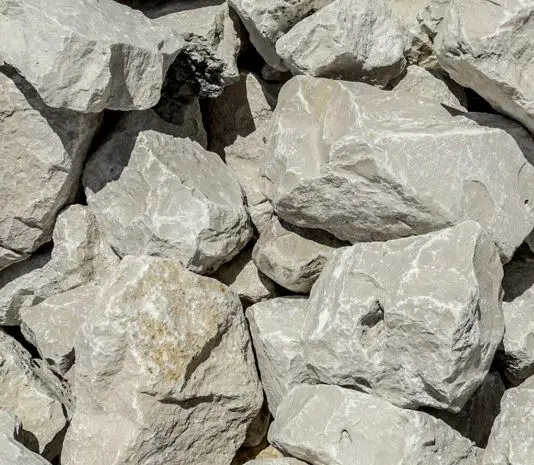 GUIDEHow Deep Should a Gravel Driveway Be? Layer GuidePractical, field-tested guide: how deep should gravel driveway be. Pulled from real US installer notes and 2026 supplier price data.Read guide →
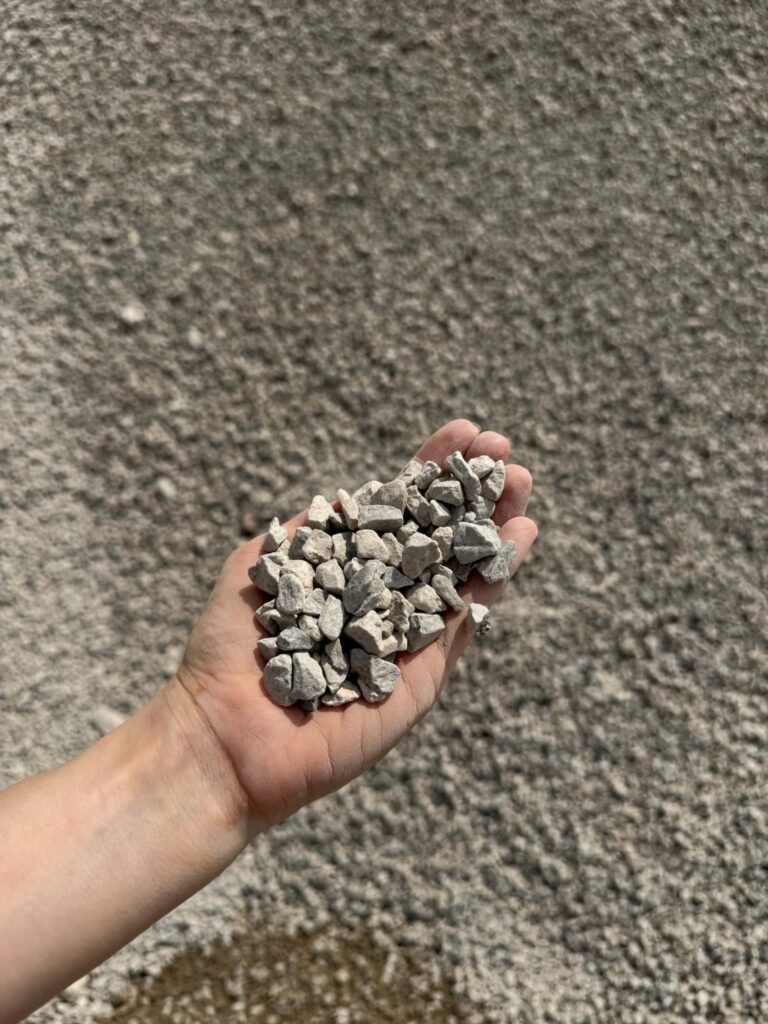 GUIDEWhat Is #57 Stone? Uses, Size, and Cost ExplainedPractical, field-tested guide: what is 57 stone. Pulled from real US installer notes and 2026 supplier price data.Read guide →
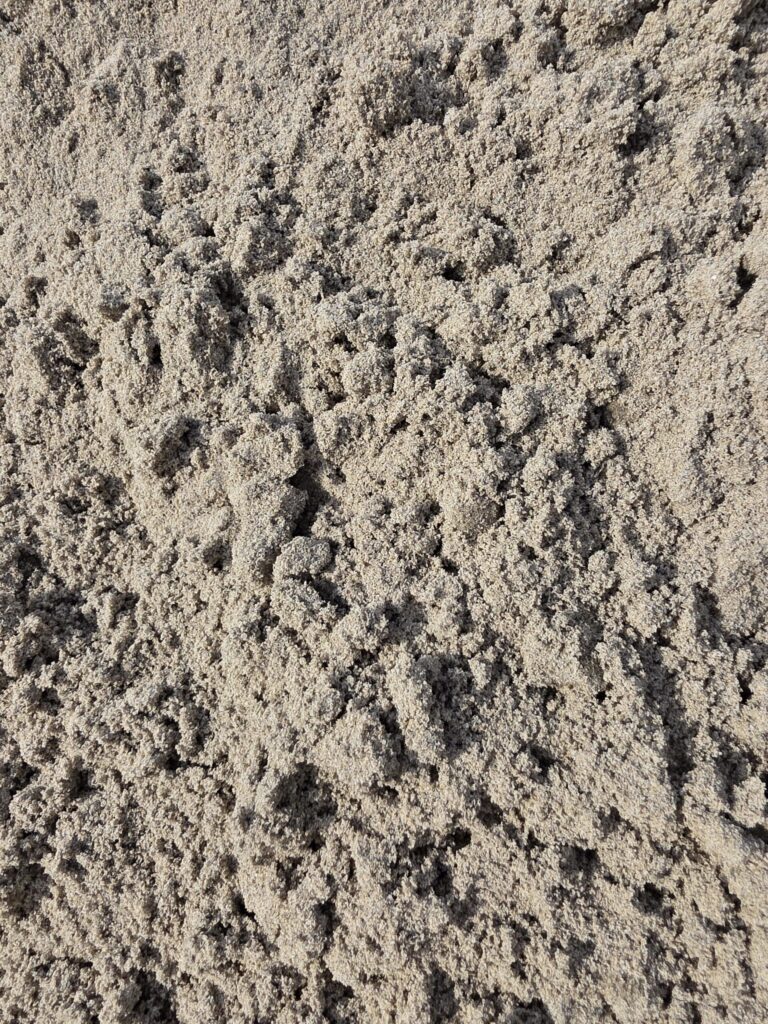 GUIDEHow Much Gravel Do I Need? Quick Sizing GuidePractical, field-tested guide: how much gravel do i need. Pulled from real US installer notes and 2026 supplier price data.Read guide →
 GUIDEDoes Gravel Stop Weeds? Honest Answer + What WorksPractical, field-tested guide: does gravel stop weeds. Pulled from real US installer notes and 2026 supplier price data.Read guide →
Frequently Asked Questions
How much does bulk compost delivery cost in Boston?
Compost in Boston starts at $101 per unit delivered. Pricing runs in three tiers: $135 per ton at a 3 ton minimum with a $263 delivery fee, $115 per ton at an 8 ton minimum with a $141 delivery fee, and $101 per ton at a 15 ton minimum with free delivery. Larger orders earn the lowest per-unit cost.
How much compost do I need for my Boston garden?
Compost is sold by the cubic yard, and one yard covers about 100 square feet at a 3-inch depth. For amending a 400 square foot lawn renovation at 3 inches before reseeding you would order roughly 3.7 yards. Round up so the job finishes in one delivery.
How fast can you deliver compost in Greater Boston?
Most small and mid-size orders arrive within 1 to 2 business days across the Boston-Cambridge-Newton metro. Loads at the 8 ton tier or larger often qualify for same or next-day delivery, which helps given the short spring planting window. We coordinate carefully for Boston's tight streets and driveways.
What is the minimum compost order you deliver?
Our smallest tier starts at a 3 ton minimum, which fits most homeowner bed and lawn projects. Moving up to the 8 ton or 15 ton tiers lowers your per-ton price and cuts or removes the delivery fee. On a tight city block, neighbors sometimes combine an order to reach the 15 ton free-delivery tier.
Will compost help Boston's heavy glacial till soil?
Yes. Working two to three inches of compost into the top eight to ten inches of glacial till loosens its structure, improves drainage after spring rains, and feeds soil life. It also helps raise organic matter and moderate the acidity common in New England soils. Blend it in rather than leaving it on the surface.
My Boston soil is acidic. Does compost help?
Compost helps over time by adding organic matter that buffers soil and supports healthier biology, which eases the acidity New England gardeners battle. For a faster pH correction you may still want a lime application based on a soil test, but compost is the long-term foundation for balanced, productive beds.
What is the difference between compost, topsoil, and garden soil?
Compost is a concentrated organic amendment that improves and feeds soil, Topsoil supplies the bulk mineral base, and Garden Soil is a ready-to-plant blend. Many Boston customers combine all three when building raised beds above rocky or old urban fill, often in roughly equal thirds for a rich, free-draining mix.
When is the best time to add compost in Massachusetts?
Spring, from April once the ground thaws and dries through May, is the prime window to amend beds, and it is our busiest delivery season around Boston. Fall from September into October is an excellent second window. Avoid working soggy ground during the muddy early-spring thaw, which only compacts the till.
Should I use raised beds in older Boston neighborhoods?
Often yes. In older neighborhoods where urban fill may be rocky or contaminated, building raised beds filled with a compost, Garden Soil, and Topsoil blend is the safest route for growing food. It lets you control the soil completely and sidestep concerns about what is in the native ground.
Do you deliver compost outside the city of Boston?
Yes. We serve the full Boston-Cambridge-Newton MSA, including Cambridge, Somerville, Newton, and Quincy, and we run larger regional loads down the corridor toward New York. Delivery fees vary by distance and order size, and free delivery is available at the 15 ton tier.