Compost Delivery in New York, NY
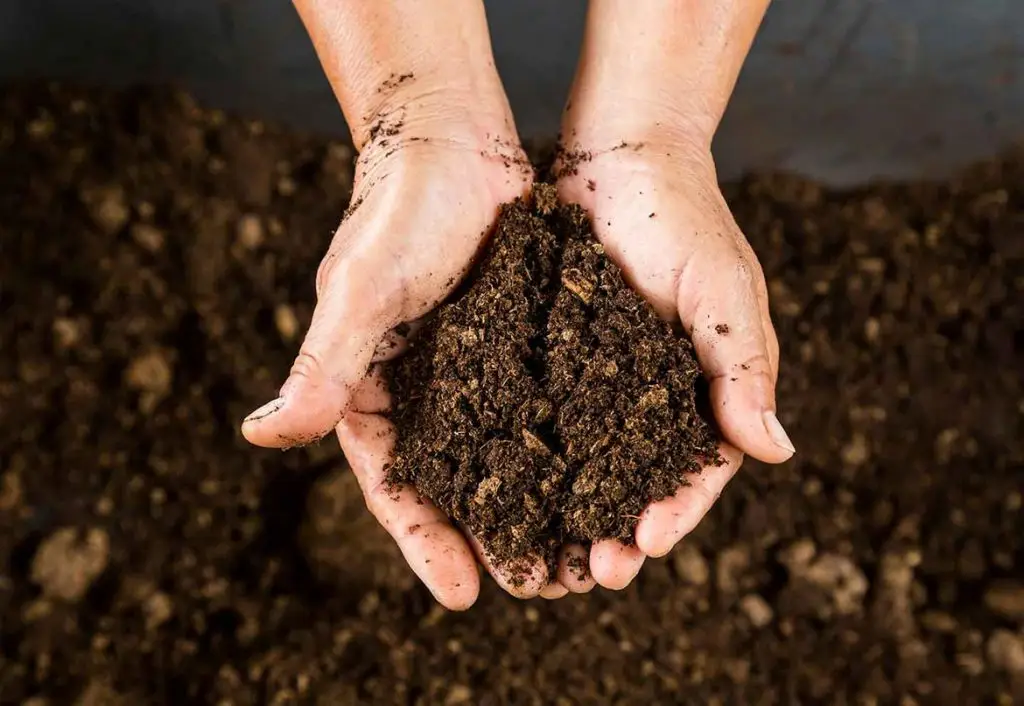
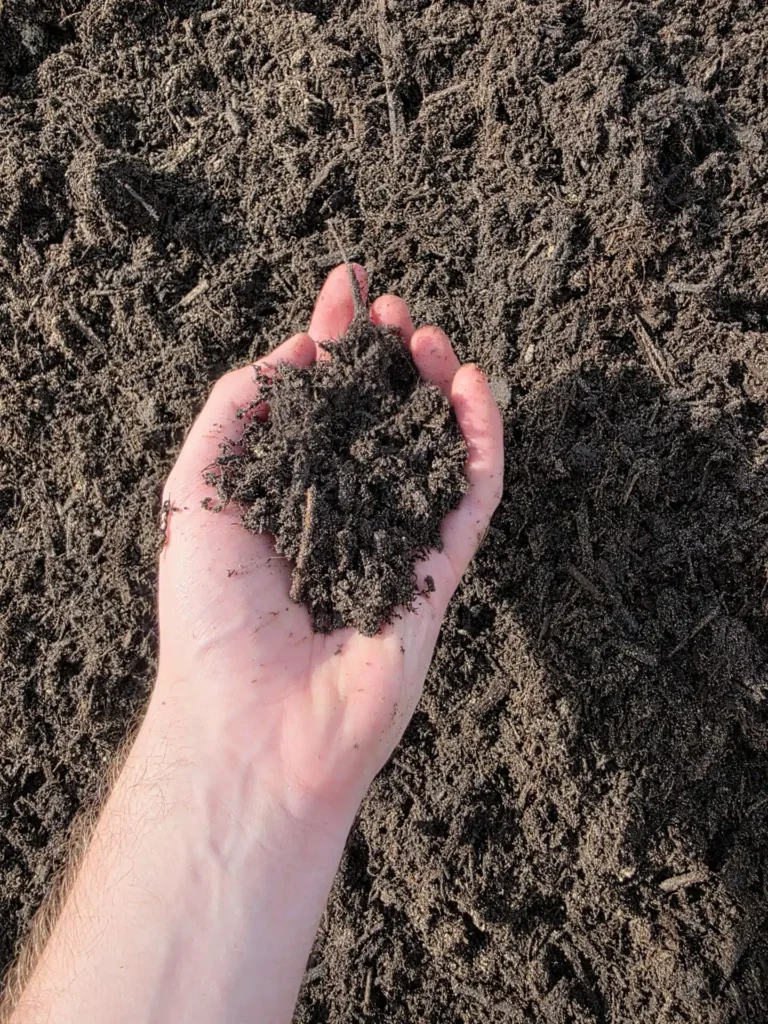
Bulk compost delivered in New York, NY. Dark brown color.
From $105/ton delivered, free delivery on full loads
Bulk Compost Delivery in New York, NY
Few cities ask more from a small patch of soil than New York. Brownstone backyards in Brooklyn, rooftop planters in Manhattan, community gardens in the Bronx, and the long ribbon of street trees that line every borough all draw from ground that has been compacted, paved over, and stripped of organic matter for generations. That is exactly the gap bulk Compost fills. Our dark brown, fully screened compost runs about 1,000 pounds per cubic yard and arrives ready to dig in, top-dress, or blend, with delivery starting at just $105 per yard for New York customers.
Unlike bagged product from a hardware store, bulk compost lets you treat real square footage without hauling fifty plastic sacks up a stoop. Whether you garden in Astoria or manage grounds for a co-op board, a single drop covers far more ground for far less money per cubic foot.
Why New Yorkers Use Compost
The native soil under most of the five boroughs is a tired mix of glacial till, fill, and construction debris. Decades of foot traffic and shade have left it dense and low in nutrients. Compost is the single most effective way to rebuild that ground without a full excavation. Here is where it earns its keep across the city:
- Raised garden beds: Community plots and backyard beds in Queens and Brooklyn blend compost with Garden Soil to create a fertile, fast-draining root zone for tomatoes, greens, and herbs.
- Lawn topdressing: A quarter-inch to half-inch layer raked over an existing lawn in spring feeds the turf and improves the heavy clay underneath. Pair it with Topsoil where you need to level low spots first.
- Bed blending: Mixed into existing borders at roughly one part compost to three parts native soil, it loosens compaction and holds moisture through July heat.
- Tree pits and planters: Street trees and large containers benefit from an annual top layer that mimics the leaf litter they never get in the city.
Once your beds are amended, a finishing layer of Hardwood Mulch locks in moisture and keeps weeds down between waterings.
Local Delivery and Lead Times in New York
We deliver compost across all five boroughs and out into the surrounding metro within the New York-Newark-Jersey City MSA. Because city streets are tight and many addresses have parking and access constraints, we ask for a clear staging spot, a driveway apron, a curb cut, or a stretch of legal curb where the truck can tip the load. Smaller orders of about 3 yards typically arrive within 1 to 2 business days. Mid-size loads near 8 yards can often go out same or next day. Full truckloads of 15 yards or more ship on our free-delivery tier.
If you garden or manage property outside the core city, we run the same routes out to Bethlehem (72 mi), Allentown (78 mi), Philadelphia (81 mi), Scranton (99 mi), and Reading (104 mi). Customers in those outlying areas should plan an extra day for scheduling, especially during the spring rush.
How Much Compost Do You Need
Compost is sold by the cubic yard, and one cubic yard covers 324 square feet at a 1-inch depth. That math makes planning easy. For a 20-foot by 30-foot Brooklyn backyard you want to top-dress an inch deep, you would order about 2 yards. To build a new 4-foot by 8-foot raised bed filled 12 inches deep, figure roughly 1.2 yards once you account for settling. A typical co-op courtyard renovation amending several borders often lands in the 5 to 8 yard range.
Here is a quick coverage example. Say you manage a 1,500 square foot lawn in Riverdale and want a half-inch spring topdressing. That works out to about 2.3 cubic yards. Round up to 3 yards so you have material to spare for the planting beds along the fence.
New York Compost Pricing
Bulk pricing rewards larger orders, and our tiers are built so the more you take, the less you pay per ton. Compost in New York starts at $105 per yard. Our delivered tiers break down like this:
- 3-ton minimum: $141 per ton with a $273 delivery fee, arriving in 1 to 2 business days. Best for a single backyard or a couple of raised beds.
- 8-ton minimum: $120 per ton with a reduced $147 delivery fee, often same or next day. A strong fit for a full courtyard or multiple beds.
- 15-ton minimum: $105 per ton with free delivery. This is the sweet spot for community gardens, landscape contractors, and multi-property managers.
Because compost weighs around 1,000 pounds per yard, a 15-ton load works out to roughly 30 yards of finished material, enough to top-dress a large lawn and refill a season of beds in one drop.
Spreading and Installation Tips
Topdressing a Lawn
Spread compost thin, never more than half an inch at a time, and work it into the canopy with the back of a rake or a stiff broom so the grass blades stay upright. Water lightly afterward to settle it into the thatch.
Filling Beds
For raised beds, blend compost with Topsoil and Garden Soil rather than planting into straight compost, which can hold too much water and burn tender roots. A 1:1:1 ratio gives you structure, fertility, and drainage all at once.
Amending Borders
Fork 2 to 3 inches of compost into the top 6 inches of an existing bed in fall or early spring, then mulch over the top. The freeze-thaw cycle does much of the mixing for you over a New York winter.
Compost for Community Gardens and Rooftop Growing
New York has one of the most active urban-agriculture scenes in the country, from GreenThumb community gardens scattered across every borough to the rooftop farms and terraces that have become a defining feature of city living. Both depend heavily on imported organic matter, because there simply is no good native soil to draw on. Community gardens use bulk compost to rebuild plots that have been worked hard season after season, restoring fertility that intensive vegetable growing strips out fast. A single 8-yard drop split among garden members goes a long way and is far cheaper per cubic foot than the bagged product most volunteers otherwise haul in by hand.
Rooftop and terrace growing is a different challenge, where weight is the limiting factor. At roughly 1,000 pounds per cubic yard, compost is lighter than topsoil or sand, which is part of why rooftop mixes lean on it. Blended with Garden Soil, it gives container beds fertility and moisture retention without overloading the structure. Plan access carefully, since the material still has to be carried or hoisted up.
Soil and Drainage Across the Boroughs
Soil conditions vary more across New York than newcomers expect, and the right compost approach depends on what is under your feet:
- Sandy soils: Much of Brooklyn and Queens sits on sandy outwash that drains fast but loses nutrients quickly, so compost works to hold moisture and feed plants, and should be reapplied yearly.
- Compacted fill: The Bronx and upper Manhattan tend toward dense, rocky fill, where compost forked in deeply creates air pockets and breaks up the debris-laden subsoil of older lots.
- Clay pockets: Staten Island has genuine clay, so blend compost with Topsoil to lighten the mix and keep beds draining after heavy rains.
Seasonal Notes for New York
New York gardeners get a real window in spring once the ground thaws, usually late March into May, and that is our busiest stretch, so order early. Fall, from September through the first hard frost, is the second best time to amend beds, since compost worked in before winter has months to break down further. Summer deliveries are fine for topdressing and container work, but avoid heavy bed-building in the peak July humidity when soils stay wet. The city's heavy clay and frequent freeze-thaw make annual compost additions one of the highest-return moves any New York grower can make.
Ready to schedule a drop in Manhattan, Brooklyn, Queens, the Bronx, or Staten Island? Tell us your access situation and target depth, and we will size the right load for your project.
About Compost
About Our Compost
Our bulk compost is a fully matured, screened soil amendment with a rich dark brown color and an earthy, neutral smell that signals it is finished and stable. It is produced from yard trimmings, leaf litter, and clean organic feedstock that is windrowed, turned, and cured until it reaches a uniform crumb texture. We screen the finished product to remove sticks, stones, and clumps, so what you receive spreads cleanly and blends easily.
At roughly 1,000 pounds per cubic yard, this is a lighter material than topsoil or sand, which makes it easy to move with a wheelbarrow and rake into place. The carbon-to-nitrogen ratio is balanced for general garden use, meaning it feeds plants slowly without the nitrogen burn risk of raw or hot manure.
and Garden Soil to create a custom root-zone mix, then finish planting areas with Hardwood Mulch to retain moisture. It is suitable for organic growing and works well as the biological backbone of any soil-building program.
Because compost continues to settle slightly after spreading, order about 10 to 15 percent more than your bare coverage math suggests. Sold by the cubic yard in bulk, it delivers far better value than bagged product for any project larger than a single small bed, and it ships loose for direct dumping or staged placement at your site.
What Compost costs in New York
Around New York, compost is quoted by the ton with delivery layered in based on distance from the closest yard. Pricing in New York starts at $105 per ton on full-truck loads, which works out to roughly $53 per cubic yard at the typical density of 1000 lb per yard. Plan on roughly 216 sq ft of coverage per ton at 3 inches deep, which puts a single-car driveway in the 3 to 5 ton bracket.
How crews use Compost in New York
New York contractors keep compost on the order sheet for a short list of standard installs. Top of the list is planting bed gravel, where the material is rolled out in tight urban lots and infill builds and screeded to grade. New York sits at about 8,336,817 residents, which means we see steady weekday traffic from landscape crews and weekend pickups from owner-builders.
Delivery day in New York
Delivery in New York runs out of the nearest pit; you get a two hour arrival window the evening prior and a call when the driver leaves the scale. Plan for 12 ft of clear path for a tandem and 14 ft for a tri-axle, plus a level area at the dump point so the bed lifts straight. Standard lead time on this lane is Mon-Sat, with same-day windows held open for orders that hit the desk before 11 AM and clear payment.
Related materials we deliver in New York
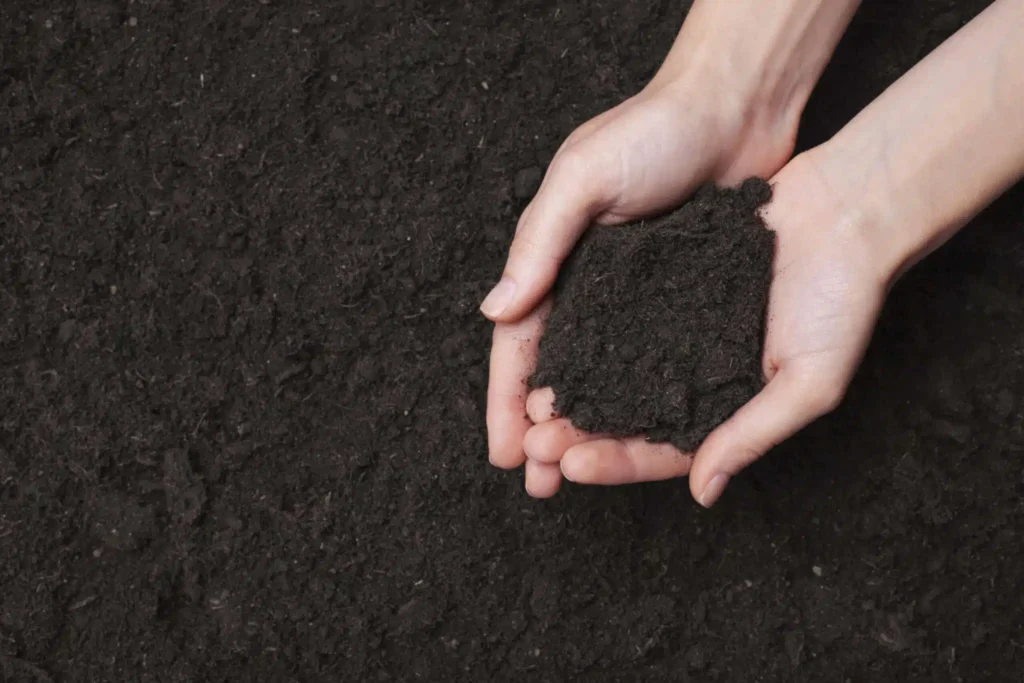 From $44.03/yard
- SizeScreened, no size grade
- Density2200 lb/yd³
- ColorDark brown
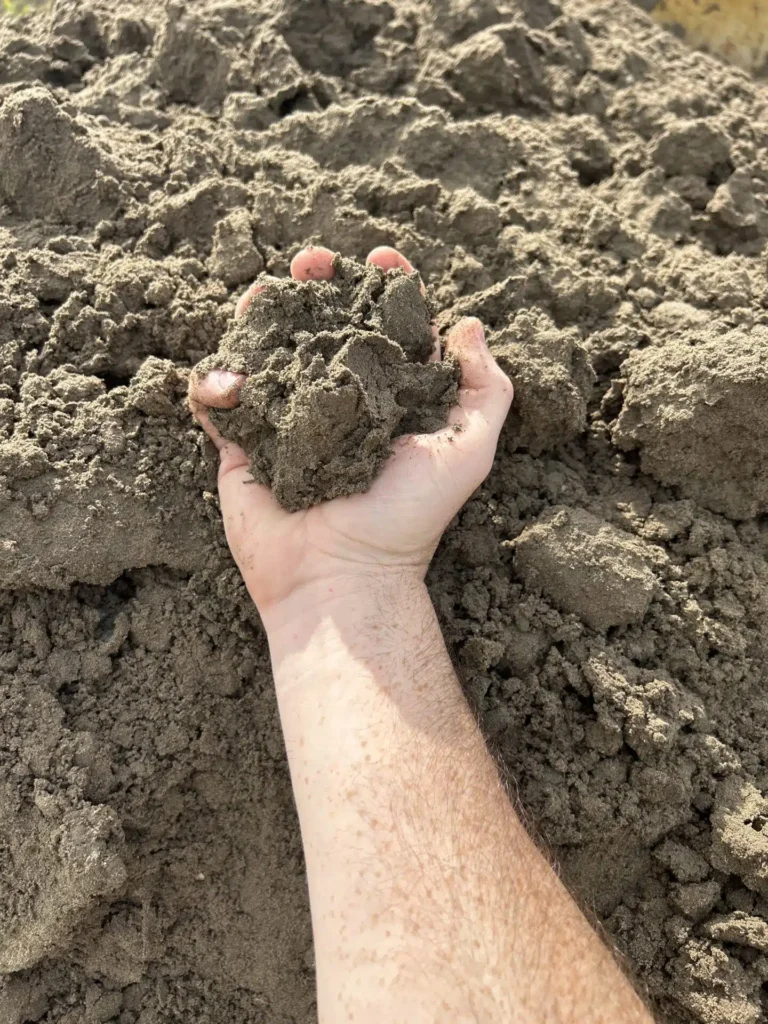 From $40.95/yard
- Density2200 lb/yd³
- ColorBrown
 From $44.03/yard
- Density2000 lb/yd³
- ColorDark brown
Delivered pricing in New York
| Order size | Price / ton | Delivery fee | Lead time |
|---|---|---|---|
| 3+ tons | $141 | $273 | 1-2 business days |
| 8+ tons | $120 | $147 | Same/next day |
| 15+ tons | $105 | Included | Free delivery |
Estimate how much you need
Calculate Your Project
Estimate only. Add 10-15% for compaction and waste.
Browse more
Available in nearby cities
Plan your project
Related guides
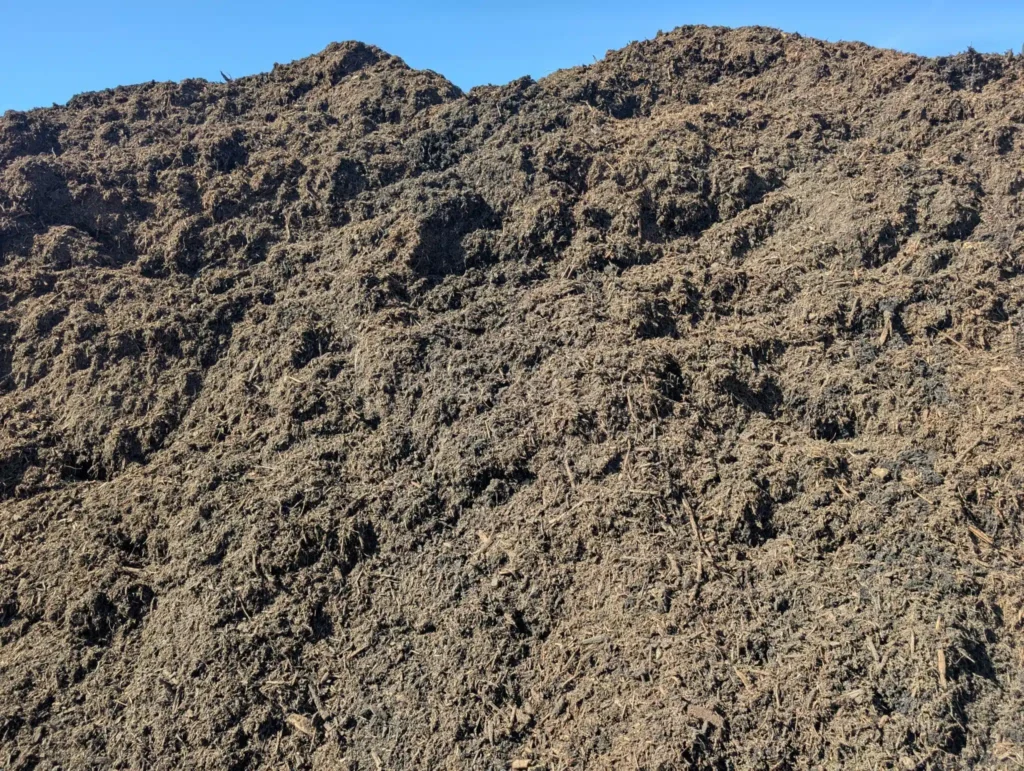 GUIDEHow to Lay a Gravel Driveway: Step-by-Step GuidePractical, field-tested guide: how to lay gravel driveway. Pulled from real US installer notes and 2026 supplier price data.Read guide →
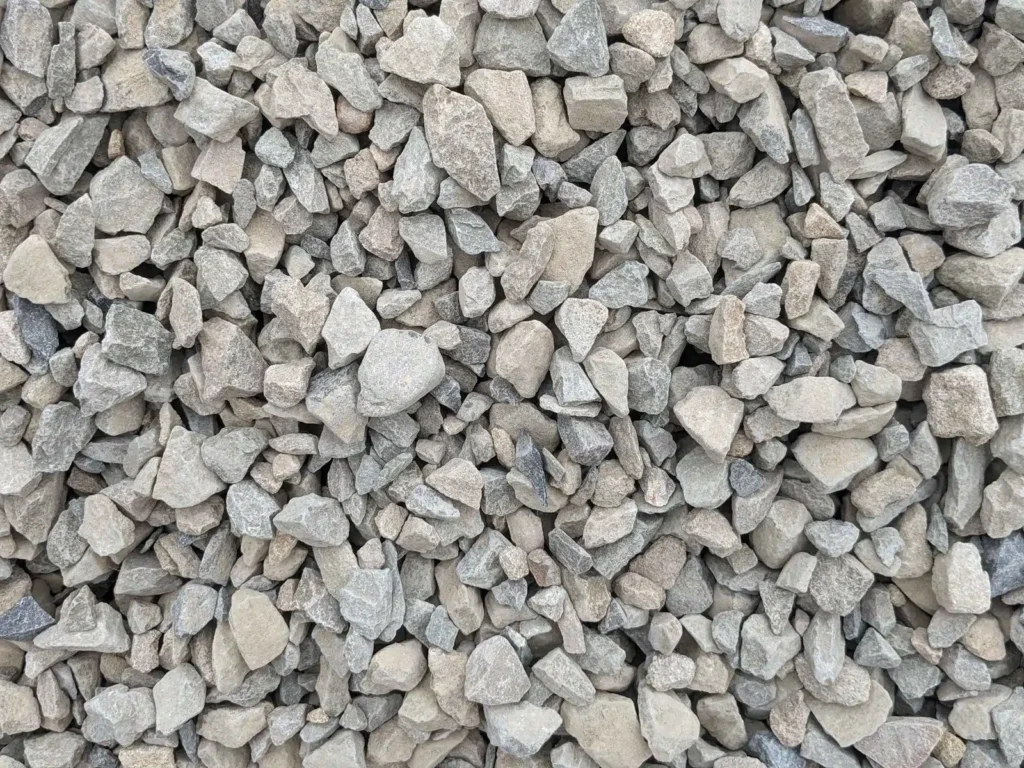 GUIDEDoes Gravel Stop Weeds? Honest Answer + What WorksPractical, field-tested guide: does gravel stop weeds. Pulled from real US installer notes and 2026 supplier price data.Read guide →
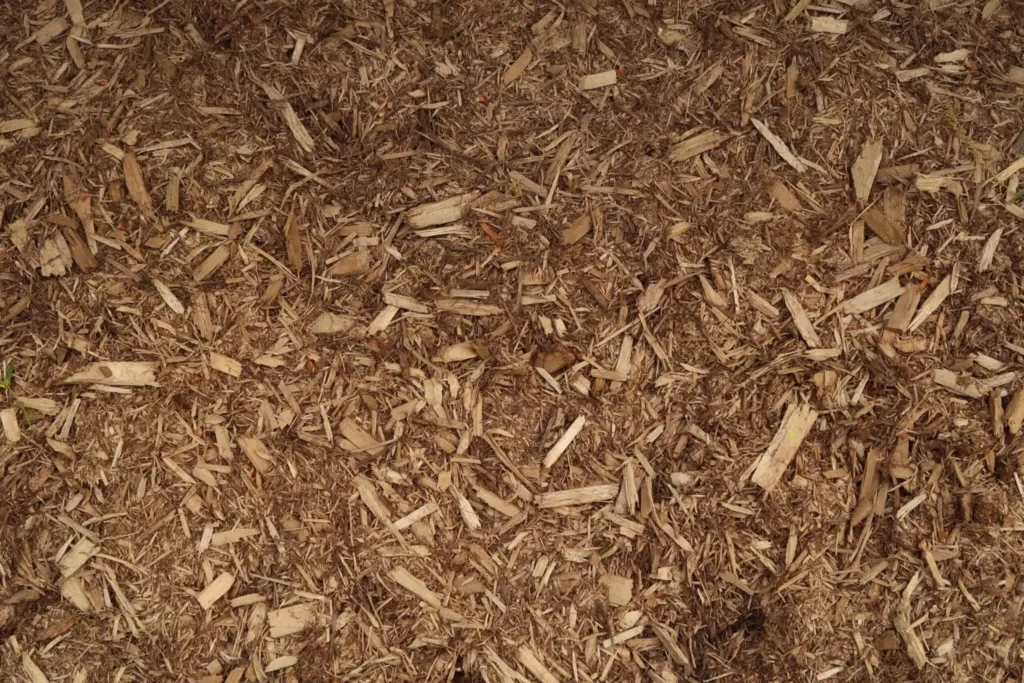 GUIDEHow Much Gravel Do I Need? Quick Sizing GuidePractical, field-tested guide: how much gravel do i need. Pulled from real US installer notes and 2026 supplier price data.Read guide →GUIDEWhat Is #57 Stone? Uses, Size, and Cost ExplainedPractical, field-tested guide: what is 57 stone. Pulled from real US installer notes and 2026 supplier price data.Read guide →
Frequently Asked Questions
How much compost do I need for a raised bed in New York?
One cubic yard covers 324 square feet at a 1-inch depth. A standard 4-foot by 8-foot raised bed filled 12 inches deep needs about 1.2 cubic yards once you allow for settling. Order roughly 10 percent extra so you are not short on the final fill.
How fast can you deliver compost in New York City?
Smaller 3-ton orders typically arrive within 1 to 2 business days. Mid-size 8-ton loads can often ship same or next day. Full 15-ton truckloads ship on our free-delivery tier with scheduling confirmed in advance.
What is the minimum compost order for delivery?
Our smallest delivered tier is a 3-ton minimum at $141 per ton plus a $273 delivery fee. Stepping up to the 8-ton tier lowers the rate to $120 per ton and cuts the delivery fee to $147, so combining projects often pays off.
When is the best time to apply compost in New York?
Spring, from late March through May once the ground thaws, is ideal for topdressing and bed building. Fall, from September to the first hard frost, is also excellent because the material has all winter to break down further. Avoid heavy bed work during peak July humidity when soils stay wet.
Can compost improve the heavy clay soil common in the boroughs?
Yes. Forking 2 to 3 inches of compost into the top 6 inches of clay-heavy New York soil loosens compaction, improves drainage, and adds organic matter. Annual additions paired with the natural freeze-thaw cycle steadily rebuild tired city ground.
Should I plant directly in straight compost?
No. Pure compost can hold too much water and is too rich for tender roots. Blend it with Topsoil and Garden Soil, often at about a 1:1:1 ratio, to balance fertility, structure, and drainage before planting.
Do you deliver compost outside New York City?
Yes. We run the same routes out to Bethlehem, Allentown, Philadelphia, Scranton, and Reading. Customers in those outlying areas should plan an extra day for scheduling, especially during the busy spring season.
How much area does a full 15-ton load cover?
A 15-ton load is roughly 30 cubic yards of compost. At a half-inch topdressing depth that covers nearly 19,000 square feet, enough for a large lawn plus a full season of bed refills in a single free delivery.
What access do you need to deliver in the city?
We need a clear staging spot where the truck can tip the load safely, such as a driveway apron, curb cut, or a legal stretch of curb. Because city streets are tight, let us know about parking restrictions and overhead clearance when you book.
Is your compost safe for organic vegetable gardens?
Yes. Our compost is fully matured and stable, made from yard trimmings and clean organic feedstock with no nitrogen-burn risk from raw manure. It is well suited to organic vegetable beds and serves as the biological foundation of a soil-building program.