Fire Pit Gravel Calculator
Quickly estimate cubic yards, tons, and material cost for your river-rock. Adjust the inputs below and the result updates in real time.
Calculate Your Project
Estimate only. Add 10-15% for compaction and waste. river-rock
How this calculator works
Cubic yards = (area × depth ÷ 12) ÷ 27
Tons = cubic yards × density × 27 ÷ 2000
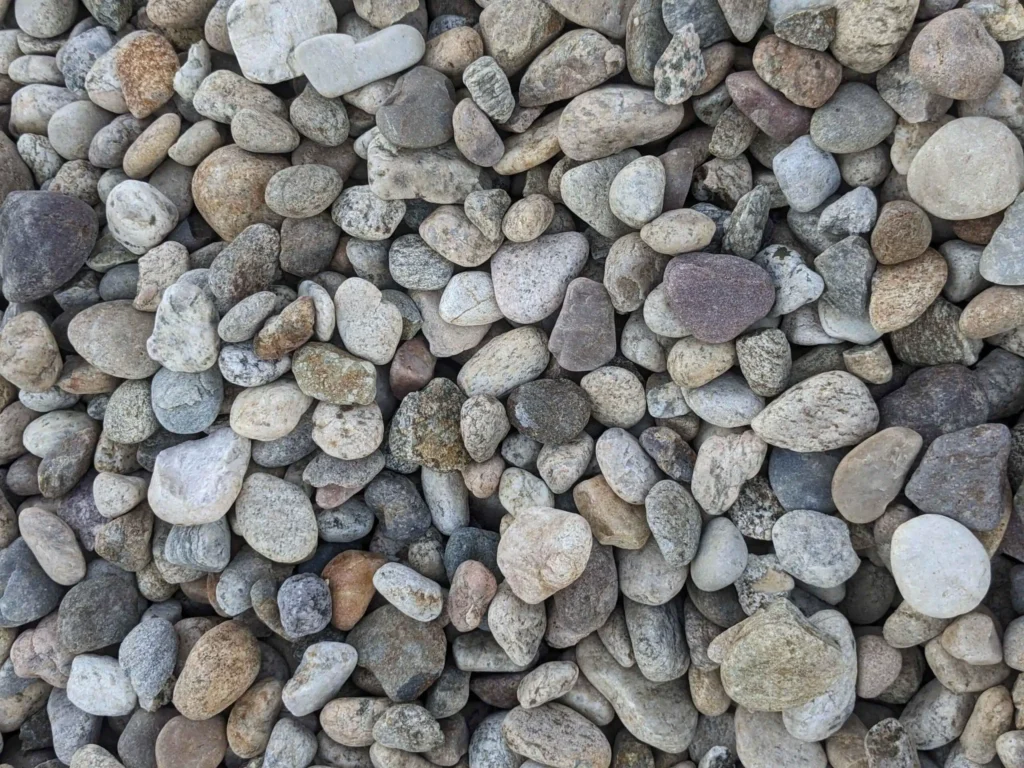
Decorative gravel around a fire pit. River rock is heat-stable; pea gravel can spall – use this calc to plan.
Enter your area and depth, and we’ll compute cubic yards, tons, and a delivered material cost using current 2026 quarry pricing.
What the fire pit gravel calculator computes
Fire pit gravel projects have two distinct volume requirements: the base layer under the fire pit ring and the surrounding gravel ground cover. The calculator handles both. Inputs are fire pit inner diameter, surrounding gravel area dimensions, and finished depth. Outputs are cubic yards and tons for the inside base and the perimeter ground cover separately.
A standard 36 inch diameter fire pit with a 12 foot diameter gravel ground cover surrounding it needs about 0.4 tons of inside fill plus 1.5 tons of perimeter Pea Gravel or River Rock. The inside fill is what the fire burns on; the perimeter is the social gathering surface around the fire.
Inside-the-ring materials
The material inside the fire pit ring sits directly under the fire. Three materials work safely. Pea Gravel is the universal pick: rounded fragments do not retain heat catastrophically, the natural color reads as intentional, and the cost is low. Specifically use 3/8" Natural Pea Gravel because the rounded shape distributes heat without creating sharp fragments under thermal stress.
Decomposed Granite (DG) is the upgrade option. The fines compact to a near-paved surface inside the ring, supporting heavy wood loads without shifting. DG's tan color complements stone or block fire pit rings naturally. The cost is moderate ($55 to $80 per ton).
Avoid Crushed Stone (#57 Crushed Stone, #67 Stone, 3/4" Crushed Stone) for the inside of the fire pit. The angular fractured surfaces under repeated thermal cycling crack and chip; over years the crushed stone becomes a fine fragment hazard.
Absolutely never use River Rock inside the fire ring. Rounded river rock can contain trapped moisture that explodes under fire heat, sending sharp fragments outward. River Rock is fine for the perimeter ground cover where it never sees direct fire, but it is dangerous inside.
Perimeter ground cover and seating area
The gravel perimeter around the fire pit is the social space where chairs sit and people gather. Inset 4 to 8 feet of gravel around the fire pit ring is the typical scale. The material choice prioritizes appearance and walkability over fire resistance.
Pea Gravel is the most popular choice: comfortable underfoot, soft enough that dropped phones survive, easy to install. River Rock provides a more dramatic visual but is uncomfortable to walk on barefoot and harder to keep chair-flat. Decomposed Granite is the best of both: walkable, visually intentional, supports chair feet without divots.
The perimeter installs at 2 inch finished depth over a 2 inch base of Paver Base. Total trench depth is 4 inches below finished grade. Filter fabric goes between the base and the surface gravel. Edging around the perimeter holds the gravel in place; a stone or steel edge integrated with the fire pit hardscape reads as a single design.
Fire safety and code compliance
Most US jurisdictions require fire pits to be 10 feet or more from any structure and 25 feet or more from any property line. Gas-fueled fire pits have stricter clearances (often 5 feet from structures but specific to the fuel type). Verify with the local fire marshal before construction; the difference between a permitted and unpermitted fire pit can be a fine or forced demolition.
Combustible vegetation around the fire pit should be cleared to 3 feet beyond the gravel perimeter. Overhanging tree branches need to be 10 feet above the fire pit ring at minimum. These clearances matter most for wood-burning pits; gas fire pits have lower spark risk and tighter allowable clearances.
The fire pit ring itself should be non-combustible: brick, block, natural stone, or steel. Spark screens reduce ember escape during use, especially on windy nights. A bucket of sand or a hose nearby is required by code in some jurisdictions and is just smart in any case.
Project costs and install timing
A typical residential fire pit project (36 inch ring, 12 foot diameter perimeter) costs $150 to $400 in aggregate materials (Pea Gravel for ring fill and perimeter, Paver Base under the perimeter, fabric and edging). The fire pit ring itself adds $200 to $1,500 depending on whether it is built from concrete block (cheap), prebuilt steel ring kit (mid-range), or custom stone (premium).
Install timing is one weekend for a DIY project. Day one: excavate the pit area and perimeter (rent a small ditch witch or use shovels for small projects), set the ring, place the inside fill. Day two: lay base, fabric, and surface gravel for the perimeter, install edging. Most fire pits go from "no fire pit" to "first fire" within 16 to 20 hours of work.
Delivery: same-day windows before 11 AM. A 2-ton order of Pea Gravel arrives on a tandem-axle truck with the full base material on the same truck if the load is under 10 tons total. Plan the drop on the driveway and wheelbarrow to the fire pit location; most fire pit areas are not accessible to delivery trucks directly.
Wood-burning versus gas fire pit material choices
The fuel type fundamentally changes the material specs for the fire pit area. Wood-burning fire pits run hotter (peak surface temperatures around 1,200 degrees F) and produce sparks and embers. They demand a fully non-combustible surround: 3 feet of stone or gravel around the ring, no flammable furniture within 5 feet, no overhanging vegetation within 10 feet vertical.
Gas fire pits (natural gas or propane) run cooler (peak around 800 degrees F), produce no sparks, and have predictable flame patterns. The surrounding material can sit closer (12 to 18 inches of buffer is typical), and decorative materials like glass beads, lava rock, or ceramic logs replace the loose gravel inside the ring. The reduced spark risk also allows fire pits closer to the house (some codes allow gas units within 5 feet of structures versus 10 feet for wood).
For gas fire pits, the gas line install matters more than the gravel work. Natural gas lines require a permit and typically a licensed installer in most jurisdictions; propane lines are usually owner-installable but require code-compliant fittings and pressure testing. Budget $300 to $800 for gas line install on a residential fire pit.
Aggregate choice for the surrounding gravel deck does not change by fuel type; Pea Gravel, River Rock, or Decomposed Granite all work either way. The differences are inside the ring and in the clearance distances.
For shared properties (multi-family rentals, vacation home rentals, HOA common areas) most insurance policies prefer gas fire pits over wood-burning. The reduced spark risk and predictable shutoff (a valve at the wall versus waiting for embers to die) lowers liability premiums and is often a requirement in vacation rental insurance riders. Check with the property insurer before committing to a fire pit fuel type if the property is rented or shared.
Materials this calculator covers
From $60/ton- Size1 - 3"
- Density2700 lb/yd³
- ColorMixed natural
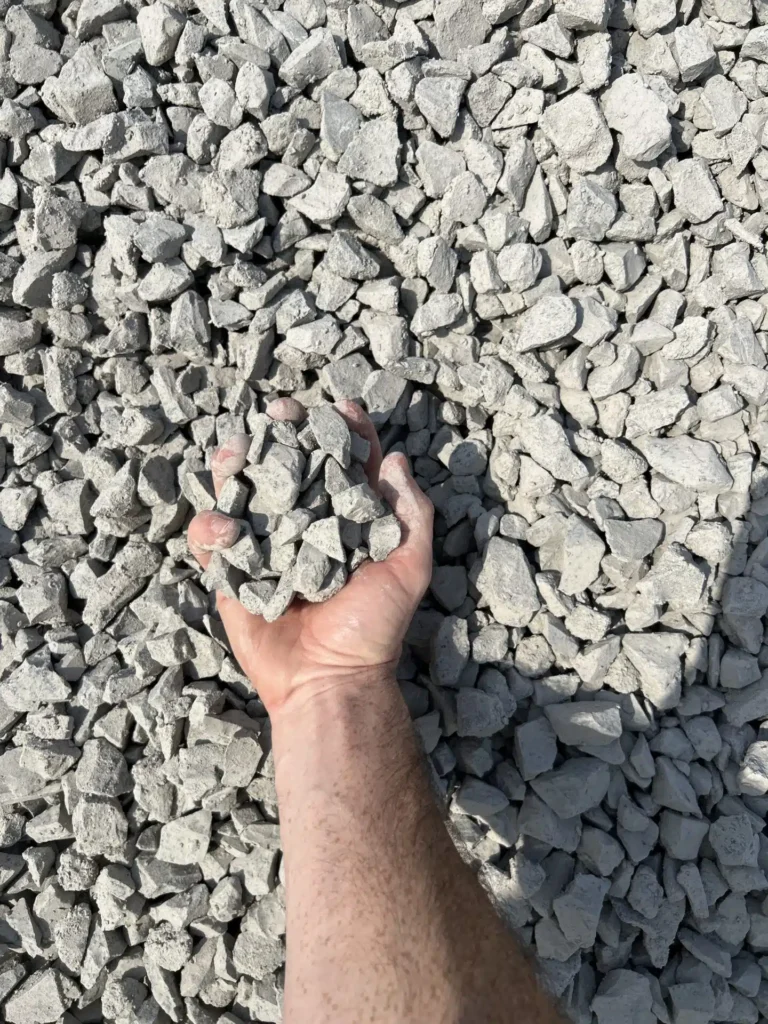 From $44/ton
- Size3/4 - 1"
- Density2700 lb/yd³
- ColorGray
 From $37/ton
- Size1/4 - 3/8"
- Density2800 lb/yd³
- ColorTan / mixed
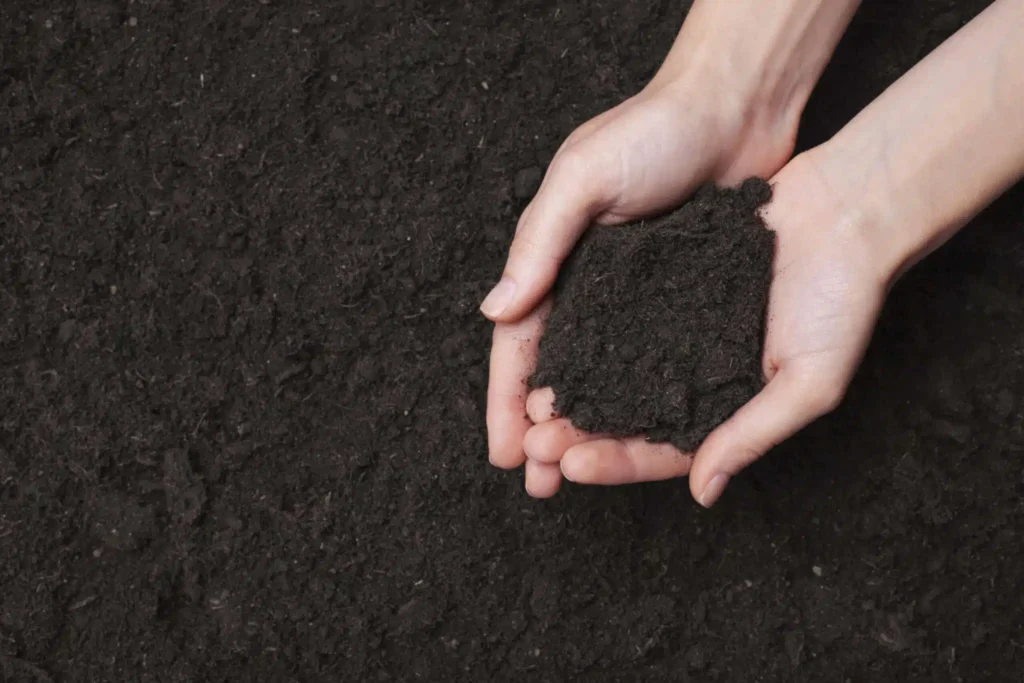 From $30/yard
- Sizescreened"
- Density2200 lb/yd³
- ColorDark brown
Other calculators
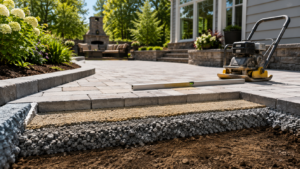 CALCULATORPaver Base CalculatorEstimate the paver base + sand bedding for a patio, walkway, or pool deck install.Open calculator →
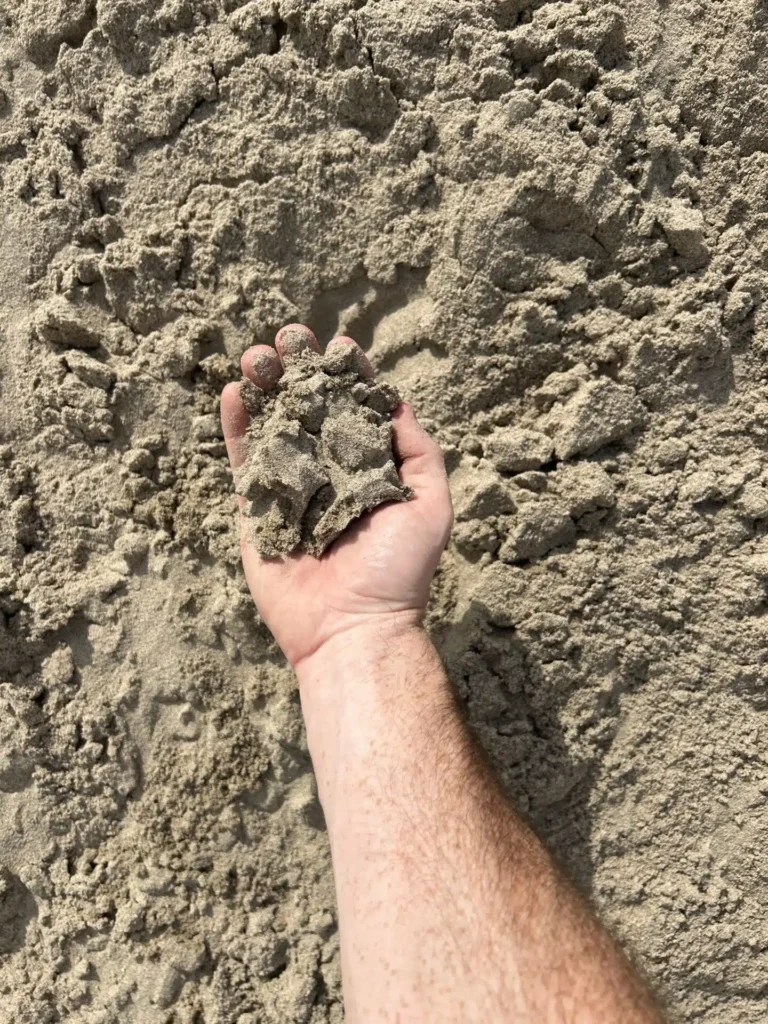 CALCULATORPolymeric Paver Sand CalculatorPolymeric paver sand for filling joints between pavers.Open calculator →
 CALCULATORParking Lot Gravel CalculatorCommercial parking lot aggregate planner. Defaults to 6" depth of crusher run.Open calculator →
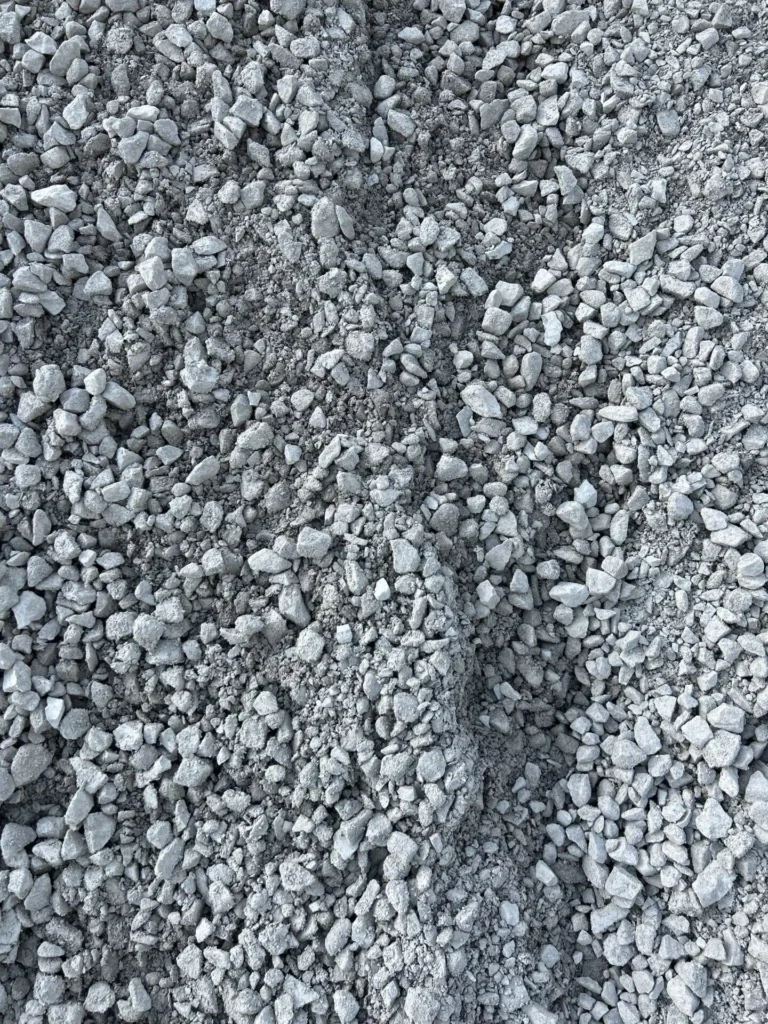 CALCULATORRoad Base CalculatorFor driveway base courses and rural road repair - Class 5 base estimator.Open calculator →
Related guides
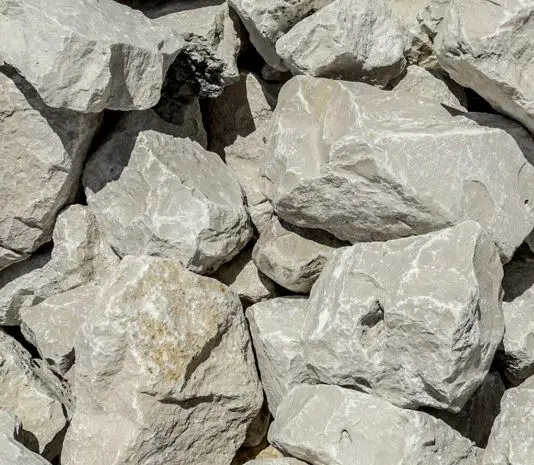 GUIDEHow Deep Should a Gravel Driveway Be? Layer GuidePractical, field-tested guide: how deep should gravel driveway be. Pulled from real US installer notes and 2026 supplier price data.Read guide →
 GUIDEWhat Is #57 Stone? Uses, Size, and Cost ExplainedPractical, field-tested guide: what is 57 stone. Pulled from real US installer notes and 2026 supplier price data.Read guide →
 GUIDEHow Much Gravel Do I Need? Quick Sizing GuidePractical, field-tested guide: how much gravel do i need. Pulled from real US installer notes and 2026 supplier price data.Read guide →GUIDEDoes Gravel Stop Weeds? Honest Answer + What WorksPractical, field-tested guide: does gravel stop weeds. Pulled from real US installer notes and 2026 supplier price data.Read guide →
Frequently Asked Questions
How does this calculator work?
Enter area in sq ft and depth in inches. We convert to cubic yards, multiply by density to get tons, and divide by 2,000.
What if I don't know the depth?
Most projects use 4 inches. Drainage applications go deeper (6-12 in).
Why is the estimate different from my supplier quote?
Within 10% is normal - supplier quotes include delivery + minimum-load surcharges that depend on your distance from the quarry.
Should I round up?
Yes - round up to the nearest half-ton. The price-per-ton usually drops on larger orders.
Does this include delivery cost?
No - the result is material cost only. Get a delivered quote with your ZIP for the full price.
Can I use this for another material?
Density varies by material. This calculator is tuned for river-rock; switch to the matching calculator for accurate results.