Compost Delivery in Dallas, TX
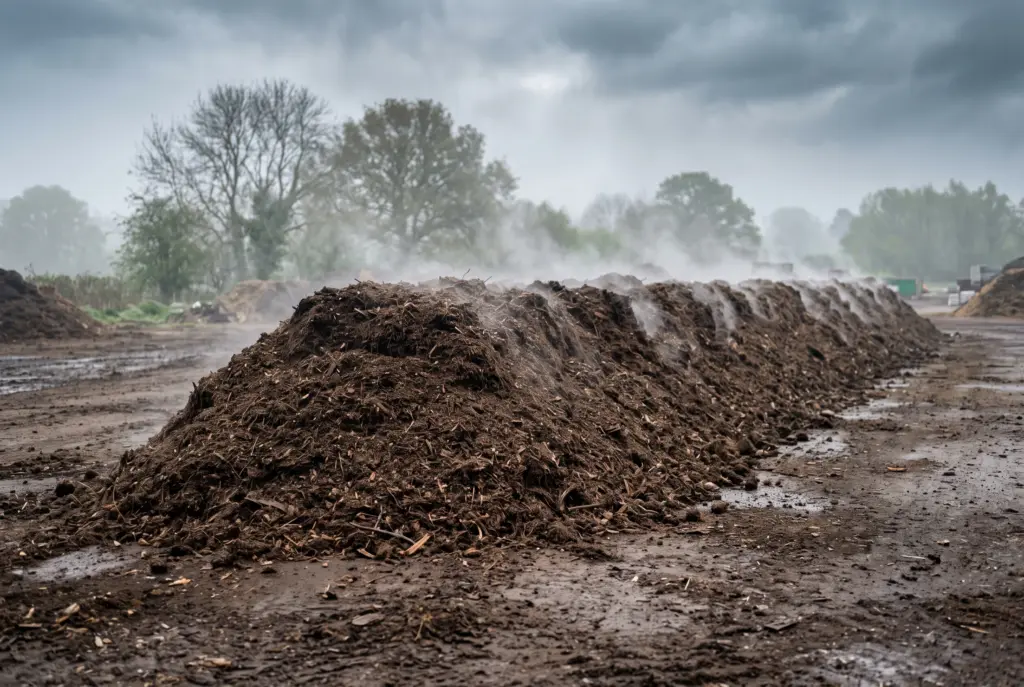
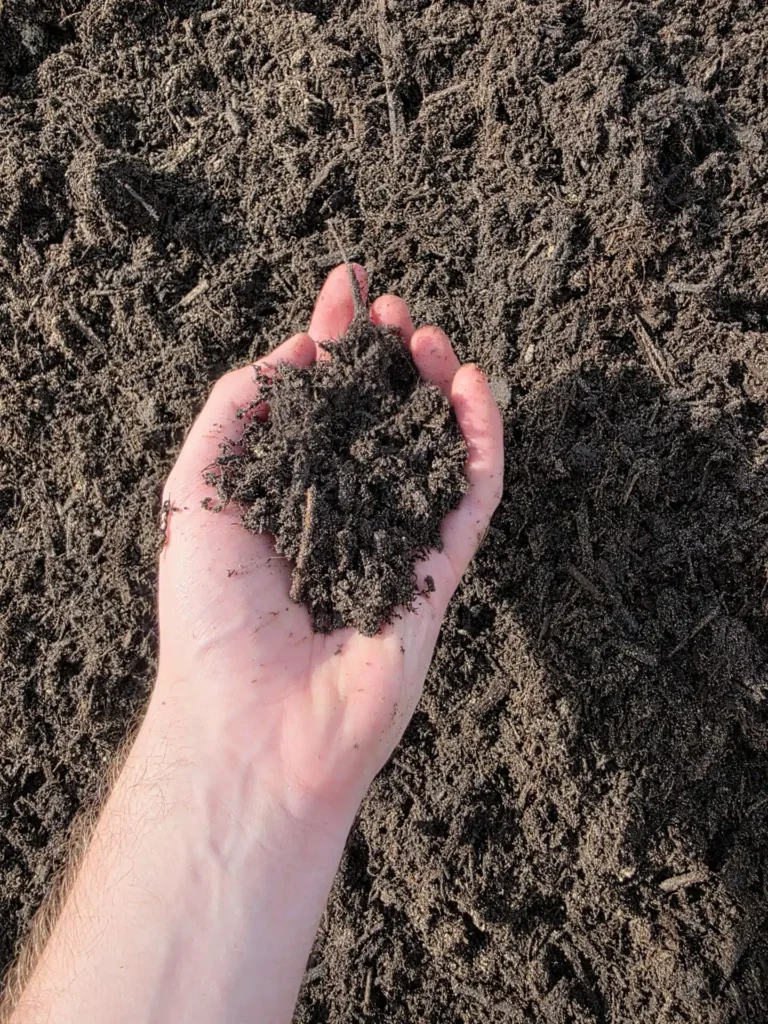
Bulk compost delivered in Dallas, TX. Dark brown color.
From $77.00/ton delivered, free delivery on full loads
Compost Delivery in Dallas, TX
Dallas is built on black clay, the dense, sticky gumbo soil of the Blackland Prairie that swells when it is wet and cracks open when it dries. It is fertile but punishing to work, and it traps water in winter while shedding it in the summer heat. Compost is the one material that tames it. Worked into that clay it opens up structure, improves drainage during the spring storms, and helps the ground hold steady moisture through triple-digit July afternoons. MyGravelBuddy delivers screened, dark brown Compost across the city and the wider Dallas-Fort Worth-Arlington metro, with bulk pricing that starts at $77 per yard on larger loads. From a backyard vegetable garden in Oak Cliff to a full lawn renovation up in North Dallas, we bring the material to you by the truckload.
Why Dallas Gardeners Rely on Compost
The clay is the whole story here. Blackland Prairie soil is high in nutrients but its tight structure means roots struggle, water pools after a storm and then bakes into a brick, and the constant shrink-swell cycle stresses everything planted in it. Compost is the standard remedy across the metro. Tilled into the top several inches it breaks up the clay, opens drainage channels, and adds organic matter that keeps the soil workable and the moisture more even. Blended with Topsoil, it makes a reliable fill for raised beds, which is how a lot of Dallas growers sidestep the gumbo entirely.
Heat and water management are the second driver. Dallas summers are long and brutal, and compost-amended beds hold moisture far better between waterings, which keeps irrigation bills down and plants alive through August. Local crews lean on it for vegetable beds, lawn topdressing on St. Augustine and Bermuda turf, tree planting backfill to break up the clay, and as the rich base under a finishing layer of Hardwood Mulch.
Common Local Projects
- Raised vegetable beds blended with topsoil across Oak Cliff, Lakewood, and Lower Greenville
- Lawn topdressing and renovation on St. Augustine and Bermuda turf
- Tree and shrub planting backfill to break up Blackland clay
- New-construction soil repair where topsoil was scraped off the lot
- Pollinator and native beds amended for drainage and fertility
Local Delivery and Lead Times in Dallas
We deliver to every Dallas ZIP, from downtown near 75201 out across the metroplex. On orders of 8 tons or more we typically deliver same or next day, and smaller 3-ton loads arrive within 1 to 2 business days. Spring and early fall are the busy windows, when the weather is mild enough to plant and renovate, so booking a few days ahead helps lock in your slot.
Our reach blankets the close-in metro. We regularly serve Irving and Grand Prairie about 9 and 12 miles out, Mesquite and Garland around 12 to 13 miles, and Carrollton near 15 miles, so coordinating compost across job sites in different suburbs is easy on a single run. Dallas yards range from tight intown alleys to wide suburban lots, all familiar ground for our drivers. If a truck cannot reach the backyard, tell us where the cleanest drop is and we will set the pile so your crew can wheelbarrow it the short way.
Bulk delivery also beats bagged compost on simple math. One cubic yard replaces close to 36 of the one-cubic-foot bags you would otherwise haul home and split open by hand, so even a small 3-yard bed-fill is over 100 bags. Taking it as a single dark pile dropped on a Lakewood driveway or a Garland cul-de-sac saves the labor and the plastic, and your crew can start filling beds the moment the truck clears.
How Much Compost Do You Need?
Compost is sold by the cubic yard, and one yard covers about 100 square feet at a 3-inch depth, or roughly 160 square feet at 2 inches for topdressing. Here is a typical Dallas scenario: renovating a tired 3,000-square-foot St. Augustine lawn in North Dallas with a half-inch compost topdressing. That works out to close to 5 yards spread thin and dragged in. For raised beds, three 4-by-8-foot boxes a foot deep need about 4 yards of fill, of which most growers make roughly 2 yards compost and the rest topsoil.
The formula is simple: area in square feet times depth in inches, divided by 324, gives cubic yards. For raised beds, multiply length by width by depth in feet and divide by 27. Round up when you land between sizes, since a slightly fuller amendment does more to break up clay.
Local Pricing in the Dallas Metro
Bulk pricing rewards larger loads. Our Dallas compost runs $103 per ton on a 3-ton minimum order with a $200 delivery fee, a fit for a single home garden or a few raised beds. Step up to $88 per ton at 8 tons and the delivery fee falls to $108 while you unlock same or next-day service. At 15 tons and above the price drops to $77 per ton with free delivery, the tier where landscapers, builders, and multi-property jobs land, and the source of that headline $77 per yard rate. If you are coordinating compost across several Dallas-area addresses in Irving, Garland, or Mesquite, combining them into one 15-ton load is the most economical path.
Installation and Spreading Tips
Working clay is all about timing and depth. Never till Blackland gumbo when it is soaking wet, since that smears it into a dense block; wait until it has dried to a crumbly, workable state a day or two after rain. Work 2 to 3 inches of compost into the top 6 to 8 inches with a tiller, then rake level. For lawn topdressing, mow short, core aerate to punch through the clay surface, then spread a thin quarter to half inch of compost and drag it in so the grass blades stay above the layer and the cores fill with organic matter.
For raised beds, blend compost with Topsoil or a bagged Garden Soil at roughly half and half for vegetables, since pure compost holds too much water in a box over clay. Once plants are in, cap the bed with two inches of Hardwood Mulch to shade the soil and slow evaporation through the Dallas summer. Water deeply after planting so the compost settles into the clay below and bonds with it.
Seasonal Notes for Texas
Dallas's compost calendar works around the heat and the clay's moods. The two best windows are early spring, roughly March into May before triple-digit days arrive, and early fall, September into November once the worst heat breaks, which is the prime stretch for fall vegetables and lawn renovation. Avoid heavy bed work in the depth of summer, when fresh compost dries out fast and transplants struggle. The bigger rule in Dallas is moisture: the Blackland clay must be neither bone-dry nor soaked when you work it, so aim for the crumbly window a day or two after a spring storm. In low spots that pool during those storms, blend in extra topsoil to keep drainage moving so crowns are not sitting in water through a wet winter. Whether you are amending a lot in Dallas or running a load out to Irving or Carrollton, timing delivery to that workable clay window gives you the best mix and the least compaction.
About Compost
About Compost
Compost its long-lasting soil-building value.
Sold by the cubic yard, this product weighs roughly 1,000 pounds per yard, light enough to spread and blend quickly by hand or with a compact skid steer. A standard 3-inch application covers about 100 square feet per yard for bed amendment, while a thin topdressing layer at a quarter to half inch will stretch across 600 to 1,200 square feet of lawn per yard. It mixes cleanly with topsoil and sand and rakes out evenly because it ships screened rather than chunky.
Typical uses include raised-bed fill blended with topsoil, vegetable and flower bed amendment, lawn topdressing and overseeding, tree and shrub planting backfill, and soil structure repair on compacted, clay-heavy, or depleted ground. Unlike a decorative mulch, compost is a working amendment: it improves drainage in clay, boosts water retention in sandy soil, feeds soil microbes, and slowly releases nutrients to plants. For vegetable beds it is usually blended roughly half and half with topsoil rather than used straight, since pure compost can hold too much moisture and run nutrient-rich. As a soil-conditioning grade rather than a finished planting medium, it performs best worked into the root zone or screened across an existing lawn, then watered in to settle and bond with the soil below.
What Compost costs in Dallas
In the Dallas market, compost is sold by the ton and priced at the gate before delivery is added on. Pricing in Dallas starts at $77 per ton on full-truck loads, which works out to roughly $39 per cubic yard at the typical density of 1000 lb per yard. One ton covers about 216 sq ft at a 3 inch finished depth, so a 400 sq ft driveway pad runs roughly 2 tons. Compared to the TX state average for compost, Dallas comes in lower than the typical posted rate.
How crews use Compost in Dallas
Crews working out of Dallas tend to call for compost on a few repeat jobs each week. The first is planting bed gravel, typically laid in tight urban lots and infill builds with a base lift compacted before the finish course goes on. With a population around 1,304,379, Dallas pulls a mix of single-truck homeowner orders and contractor full-loads through the season.
Delivery day in Dallas
On the day of the drop, the dispatcher pulls the closest yard, batches your ticket with other Dallas stops, and sends a window the night before. Tandem-axle dumps need at least 12 ft of clear width and 14 ft overhead to set the bed; tri-axles need 14 ft of clearance on both counts and a level pad to tip safely. Standard lead time on this lane is Mon-Sat, with same-day windows held open for orders that hit the desk before 11 AM and clear payment.
Related materials we deliver in Dallas
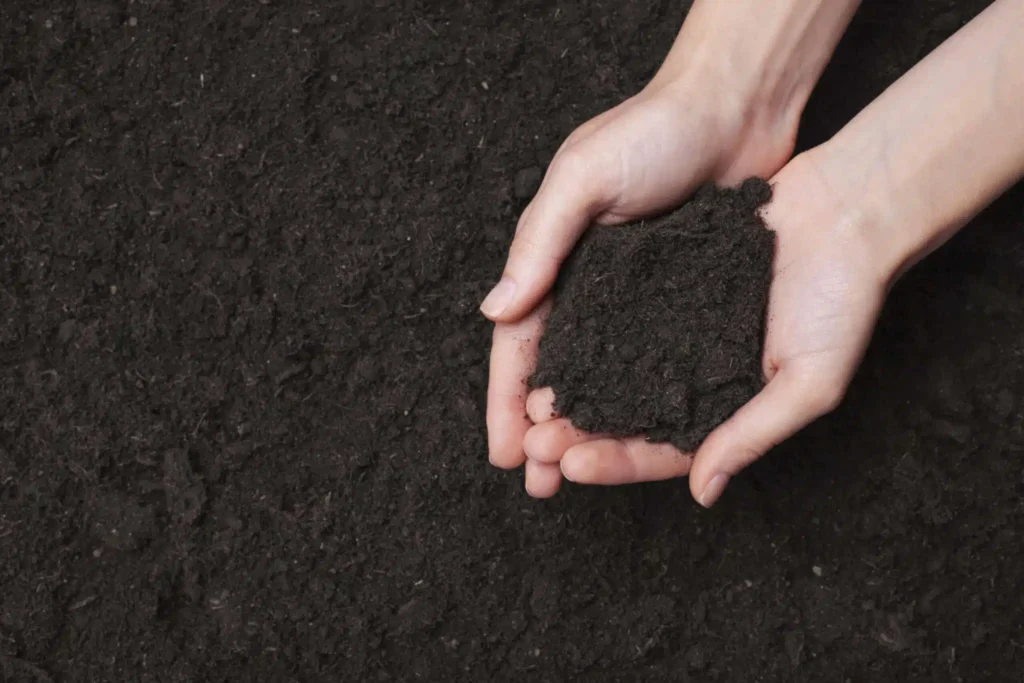 From $44.03/yard
- SizeScreened, no size grade
- Density2200 lb/yd³
- ColorDark brown
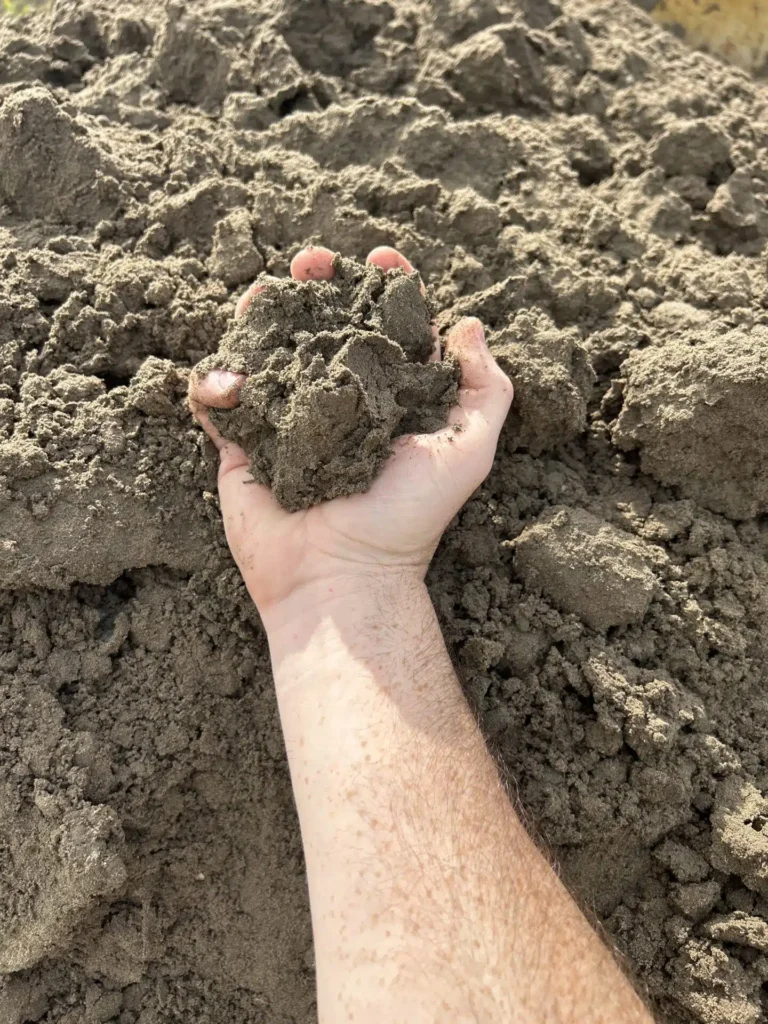 From $40.95/yard
- Density2200 lb/yd³
- ColorBrown
 From $44.03/yard
- Density2000 lb/yd³
- ColorDark brown
Delivered pricing in Dallas
| Order size | Price / ton | Delivery fee | Lead time |
|---|---|---|---|
| 3+ tons | $103 | $200 | 1-2 business days |
| 8+ tons | $88.00 | $108 | Same/next day |
| 15+ tons | $77.00 | Included | Free delivery |
Estimate how much you need
Calculate Your Project
Estimate only. Add 10-15% for compaction and waste.
Browse more
Available in nearby cities
Plan your project
Related guides
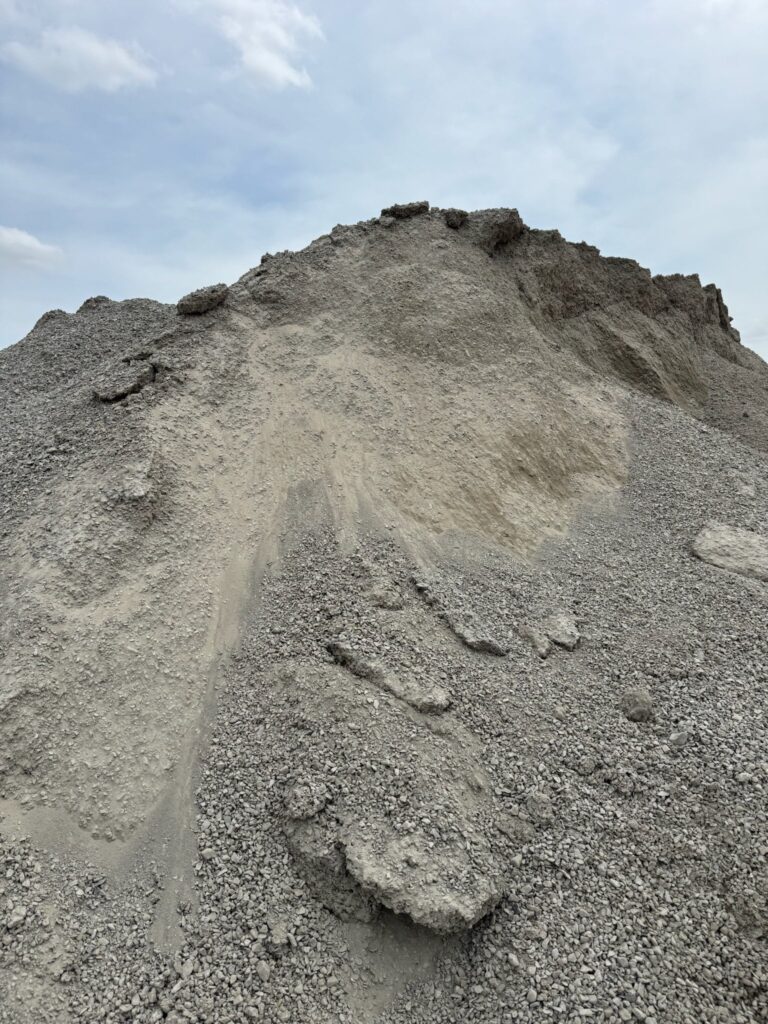 GUIDEWhat Are Screenings? A Guide to Crushed Stone FinesScreenings are fine crushed stone used for paver bases, joint fill and walkways. See what screenings are, common types, and mistakes to avoid.Read guide →
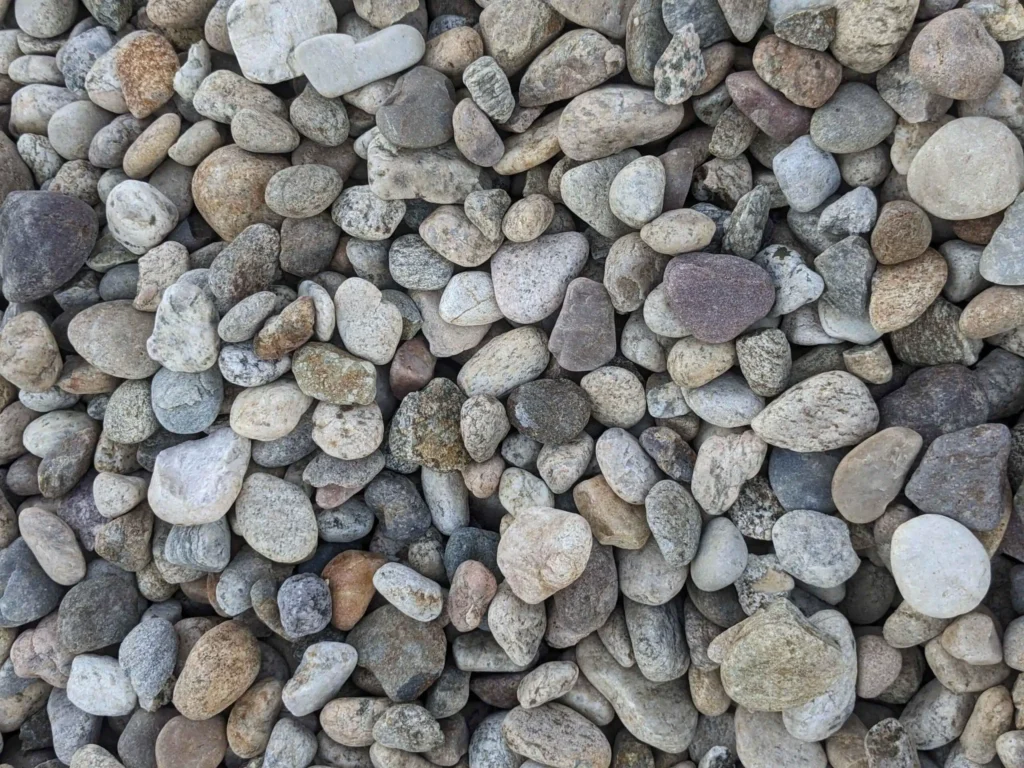 GUIDEWhat to Put Under River Rock for Landscaping BedsHere is what to put under river rock landscaping: a compacted base where needed, then landscape fabric, then rock, to stop weeds and settling.Read guide →GUIDEHow to Clean River Rock and Restore Its ColorLearn how to clean river rock landscaping with rinsing, soap and vinegar methods, plus common mistakes to avoid for a brighter, longer lasting rock bed.Read guide →
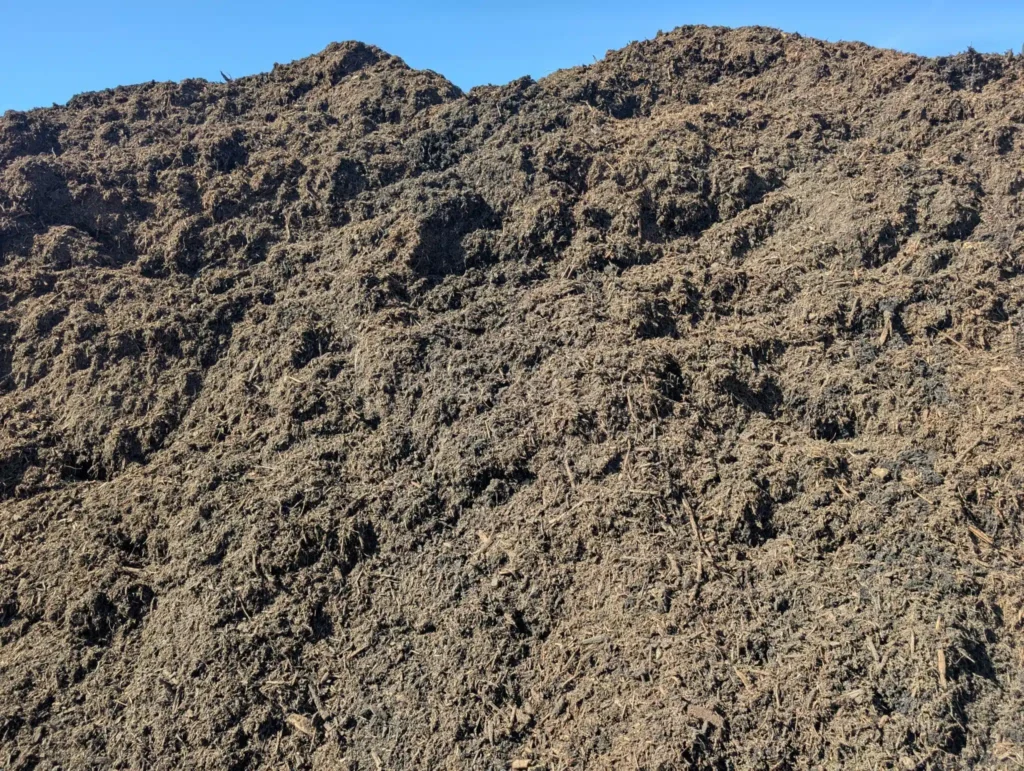 GUIDEHow to Lay a Gravel Driveway: Step-by-Step GuidePractical, field-tested guide: how to lay gravel driveway. Pulled from real US installer notes and 2026 supplier price data.Read guide →
Frequently Asked Questions
How much compost do I need for raised beds in Dallas?
How fast can you deliver compost in Dallas?
Orders of 8 tons or more usually arrive same or next day across the metroplex. Smaller 3-ton loads come within 1 to 2 business days. Spring and early fall are the busiest windows, so book a few days ahead to secure your slot.
What is the minimum order for bulk compost delivery?
The smallest bulk tier is 3 tons at $103 per ton with a $200 delivery fee, which suits a single home garden or a few raised beds. Larger loads lower both the per-ton price and the delivery fee, with free delivery starting at 15 tons.
What does compost cost in the Dallas area?
Pricing starts at $77 per yard on the best-value tier. By weight it is $103 per ton at 3 tons, $88 per ton at 8 tons, and $77 per ton at 15 tons and up. Delivery is $200 at the small tier, $108 at 8 tons, and free at 15 tons.
Will compost help my Dallas black clay soil?
Yes. Compost is the standard fix for Blackland Prairie gumbo. Tilled into the top 6 to 8 inches it breaks up the tight clay, opens drainage so water does not pool after storms, and helps the soil hold steadier moisture through the summer heat.
When is the best time to add compost in Dallas?
Two windows work best: early spring, March into May before triple-digit heat, and early fall, September into November once the worst heat breaks. Fall is ideal for cool-season vegetables and lawn renovation. Always work the clay when it is crumbly, not soaked.
Can I topdress my Dallas lawn with compost?
Yes, and it is one of the best ways to improve clay-bound turf. Mow short, core aerate to punch through the surface, then spread a thin quarter to half inch and drag it in so the cores fill with organic matter and the grass stays above the layer.
Should I use straight compost or blend it for vegetable beds?
Blend it. Pure compost holds too much water in a box over clay and runs nutrient-rich for most vegetables. Mix it roughly half and half with topsoil or a bagged garden soil, then cap with hardwood mulch to shade the soil from the Dallas sun.
Why should I not till compost into wet clay?
Wet Blackland clay smears into a dense, airless block when you work it, which undoes the benefit of amending. Wait until the soil has dried to a crumbly, workable state, usually a day or two after a spring storm, then till the compost in.
Do you deliver compost across the Dallas suburbs?
Yes. We cover the full Dallas-Fort Worth-Arlington metro and regularly serve Irving and Grand Prairie about 9 to 12 miles out, Mesquite and Garland near 12 to 13 miles, and Carrollton around 15 miles. Combining several addresses on one run lowers the cost.