
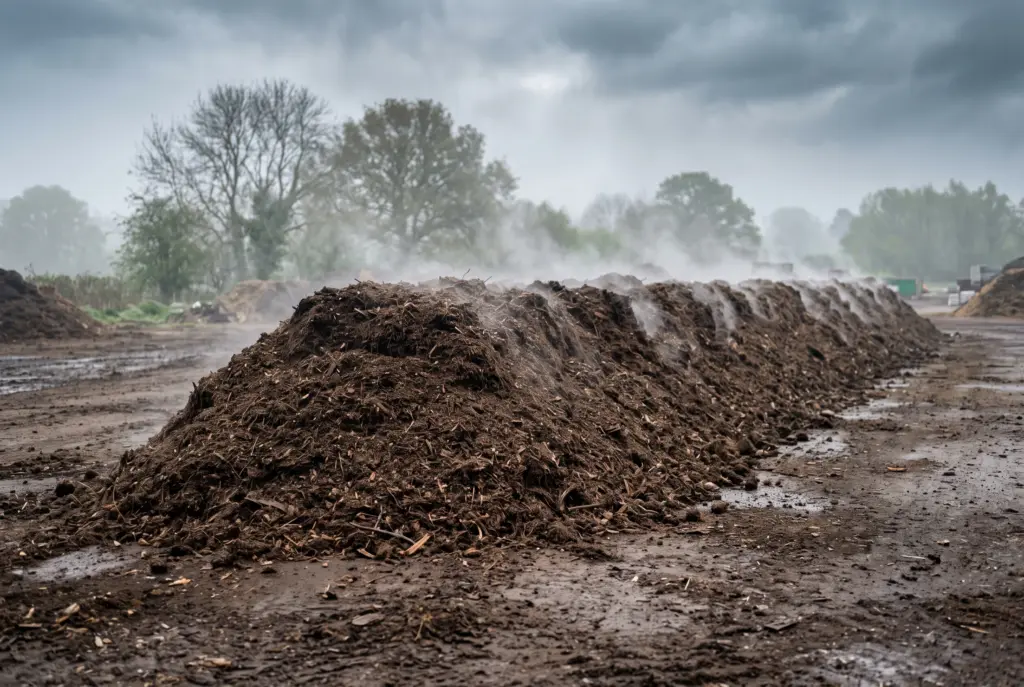
Compost Delivery in Detroit, MI
Bulk compost delivered in Detroit, MI. Dark brown color.
Compost Built for Detroit's Soil and Seasons
Detroit gardens on the flat clay plain of southeast Michigan, where short, intense summers follow long, cold winters and a freeze-thaw cycle that works the ground hard. The native soil here is largely heavy lake-bed clay, fertile in theory but dense, slow to drain, and quick to compact under foot traffic and snow load. On top of that, the city's well-known network of community gardens and reclaimed lots often sits on disturbed urban ground that needs serious rebuilding. Dark brown screened compost is the single most useful material for that work. Folded into a bed, it loosens the clay, restores organic matter, and rebuilds the biological life that turns tired ground into a productive growing space.
Across the Detroit-Warren-Dearborn metro, compost does a wide range of jobs. Community growers in neighborhoods from the east side to Southwest Detroit blend it into rows on lots where the topsoil is thin or fill-laden. Homeowners in Dearborn, Warren, and the Grosse Pointes work it into vegetable plots and topdress lawns beaten down by winter. Anyone building raised beds, a smart move on uncertain urban soil, mixes compost with clean fill to create a planting medium that drains through spring and holds moisture through the dry weeks of midsummer. Compost is the backbone of Detroit's urban growing revival.
Demand in metro Detroit is squeezed into a short, intense window, so timing matters more than in milder regions. The rush hits hard from late April through June, once the frost is reliably gone and every gardener, community plot, and landscaper wants material at the same moment, which tightens supply fast. A lighter second wave comes in early fall for lawn repair before the cold returns. Booking a load ahead of the spring crunch rather than during it usually means a quicker drop and a better tier price. Because the growing season is short here, getting compost into the ground early pays off, and planning the order before the rush is the difference between planting on schedule and waiting in line.
What Compost Does for Detroit Soil
Compost is fully decomposed organic matter, broken down by microbes until it is dark, crumbly, and stable. It functions as a soil amendment rather than a fast fertilizer, improving structure, water movement, and nutrient holding at the same time. That structural benefit is exactly what southeast Michigan's clay needs. Lake-bed clay seals tight when wet and cracks hard when dry, leaving roots starved of air. Working compost in opens that ground up and steadies how it behaves through Detroit's swings between snowmelt and summer heat.
- Soil amendment: Tilling two to three inches of compost into the top eight inches of a bed loosens compacted clay and rebuilds organic matter the freeze-thaw cycle and tillage burn off.
- Raised garden beds: A blend of about one part compost to two parts Topsoil makes a fertile, free-draining fill, ideal on uncertain urban lots.
- Lawn topdressing: A quarter to half inch raked over a lawn each spring helps turf recover from a hard Michigan winter.
- Bed blending: Mixed with Garden Soil and topped with a layer of Hardwood Mulch, compost feeds ornamental beds slowly across the whole season.
Local Delivery and Lead Times in Detroit
We deliver bulk compost throughout the Detroit metro, from Midtown and Corktown out to Dearborn, Warren, Sterling Heights, Livonia, and down through Southwest Detroit. Most metro orders arrive within 1-2 business days, and larger loads booked a day ahead often go out same or next day. We time drops around the I-75, I-94, and Lodge Freeway rush windows when a driveway or lot has room for the truck.
Compost is sold and priced by the cubic yard and hauled loose in dump trucks. Have a clear drop area ready, a corner of the driveway, an alley apron, or a tarp on the lawn works fine, since loose compost shovels and barrows easily. We also serve the broader region: Toledo is about 53 miles south, Cleveland roughly 90 miles, and we coordinate longer hauls toward Parma (93 miles) and Akron (117 miles) for the right volume.
How Much Compost Do You Need?
Coverage math keeps a project on track. One cubic yard covers about 100 square feet at three inches deep, the standard depth for amending a bed before planting. So a 10 by 20 foot vegetable garden, 200 square feet, needs roughly 2 yards to lay a solid three-inch layer before tilling.
Scaling up, a typical Detroit backyard lawn renovation of 2,000 square feet topdressed at a half inch wants close to 3 yards. Filling four 4 by 8 foot raised beds to a 10-inch depth runs near 4 yards once you account for settling. Order a little over your estimate, since compost compacts as it settles and after the first heavy rain or snowmelt.
Local Pricing for Detroit Compost
Bulk compost in Detroit. Pricing is tiered, so larger loads cost less per unit. Our entry tier covers a minimum of 3 tons with a $224 delivery fee, arriving in 1-2 business days. Step up to 8 tons and the rate drops to with a reduced $120 delivery fee, often delivered same or next day. At 15 tons the rate falls to with free delivery. For community gardens pooling an order or anyone tackling a full lot, that top tier is the clear value.
Installation and Spreading Tips
Spread compost once the ground has thawed and dried enough to be workable, not while it is still soaked from snowmelt. Barrow it to the bed, rake it level, and for amendment work, till or fork it into the top six to eight inches. For lawns, drag a leveling rake or the back of a steel rake across the topdressing so it settles down to the soil rather than smothering the grass blades.
Seasonal Notes for Michigan
Michigan's short season makes timing important. Late spring, once the frost is out and the clay has drained, is prime for amending vegetable beds and topdressing lawns ahead of the growing months. Fall amendment also works well, letting the material integrate over winter so beds are ready early the next year. Avoid spreading a thin layer just before a hard rain on a slope, and skip frozen ground entirely. Time it to a dry, workable window and your Detroit compost gets straight to work in the warm season.
Pairing Compost With Other Materials
Compost rarely goes in alone on a Detroit job, and the right partners make a real difference. For new beds over lake-bed clay or uncertain lot soil, layer compost above a base of screened Topsoil and till them together so the bed gets both structure and biology. For ornamental plantings, top the worked-in compost with two to three inches of Hardwood Mulch to hold moisture through the summer dry spells and keep weeds down. When building a vegetable bed from scratch on a reclaimed lot, a three-way blend of compost, Garden Soil, and topsoil gives a fertile, free-draining medium you can trust over questionable ground. Ordering these together on one delivery cuts trips and helps community gardens and homeowners reach the higher volume tiers, where the lower per-ton rate and delivery savings add up across a full project.
About Compost
About Our Compost
Our compost brings to a soil.
This is a versatile, general-purpose grade. As a soil amendment it is tilled into existing ground to raise organic matter, loosen compaction, and feed soil biology. In raised beds it blends with topsoil or garden soil to build a fertile, well-draining medium, which makes it a natural fit for urban lots with uncertain native dirt. On lawns it works as a fine topdressing that filters to the root zone. In vegetable and ornamental beds it supplies a slow, steady release of nutrients fast fertilizers cannot match.
Compost is not a potting mix and is rarely used straight as a planting medium; its strength lies in blending and amending. Typical use rates run two to three inches tilled in for bed preparation and a quarter to half inch for lawn topdressing. Because it is screened, it spreads evenly and rakes to a smooth, consistent depth. Sold loose by the cubic yard and delivered in bulk by dump truck, it is far more economical than bagged product for any project larger than a single small bed. Its matured, screened consistency from load to load is a real asset for community gardens and crews rebuilding multiple plots, where every bed needs the same dependable starting material.
What Compost costs in Detroit
Around Detroit, compost is quoted by the ton with delivery layered in based on distance from the closest yard. Send your ZIP and load size and we will send back a same-hour quote with the truck rate and the per-ton figure spelled out. Plan on roughly 216 sq ft of coverage per ton at 3 inches deep, which puts a single-car driveway in the 3 to 5 ton bracket.
How crews use Compost in Detroit
Detroit contractors keep compost on the order sheet for a short list of standard installs. Top of the list is planting bed gravel, where the material is rolled out in tight urban lots and infill builds and screeded to grade. Detroit sits at about 632,464 residents, which means we see steady weekday traffic from landscape crews and weekend pickups from owner-builders.
Delivery day in Detroit
Delivery in Detroit runs out of the nearest pit; you get a two hour arrival window the evening prior and a call when the driver leaves the scale. Plan for 12 ft of clear path for a tandem and 14 ft for a tri-axle, plus a level area at the dump point so the bed lifts straight. Standard lead time on this lane is Mon-Sat, with same-day windows held open for orders that hit the desk before 11 AM and clear payment.
Related materials we deliver in Detroit
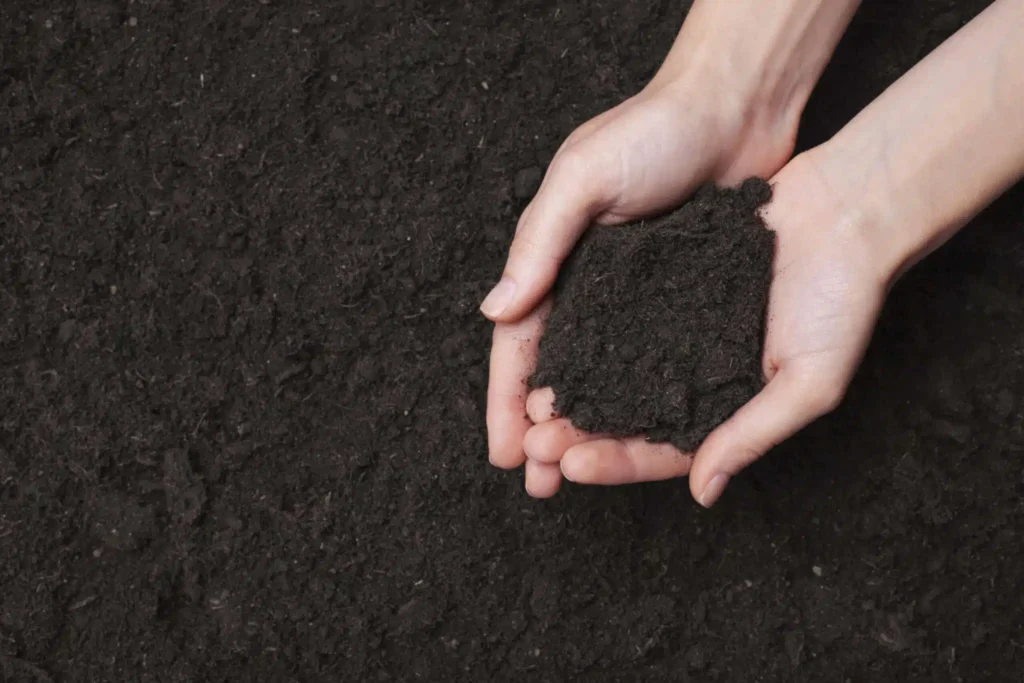 From $44.03/yard
- SizeScreened, no size grade
- Density2200 lb/yd³
- ColorDark brown
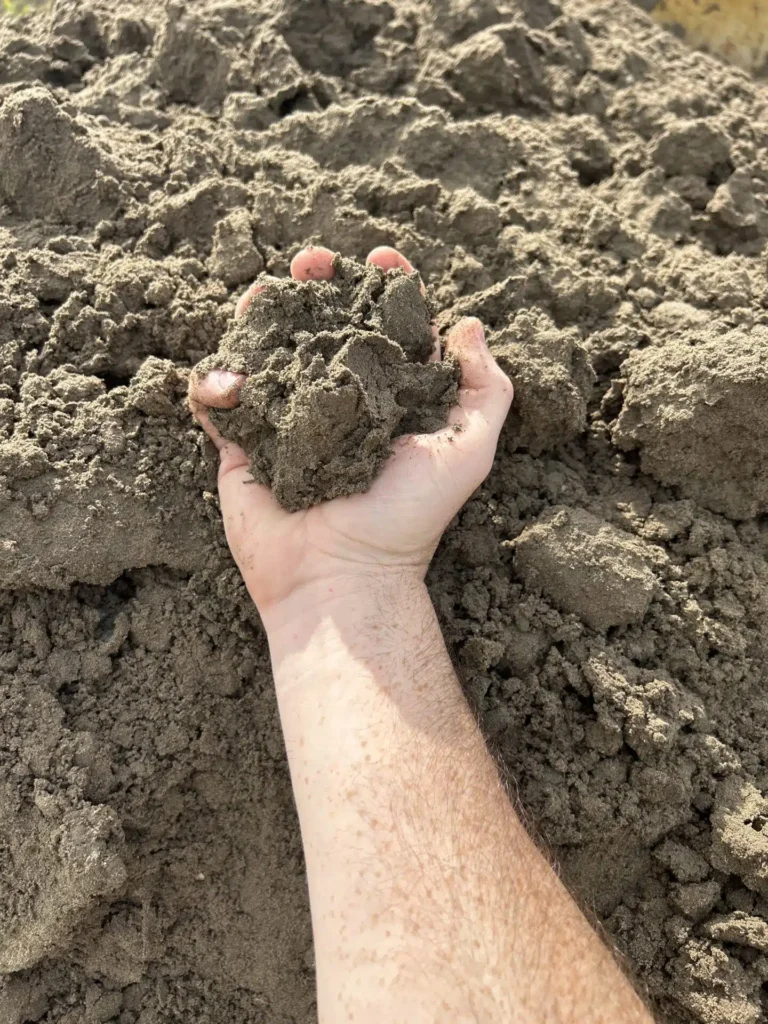 From $40.95/yard
- Density2200 lb/yd³
- ColorBrown
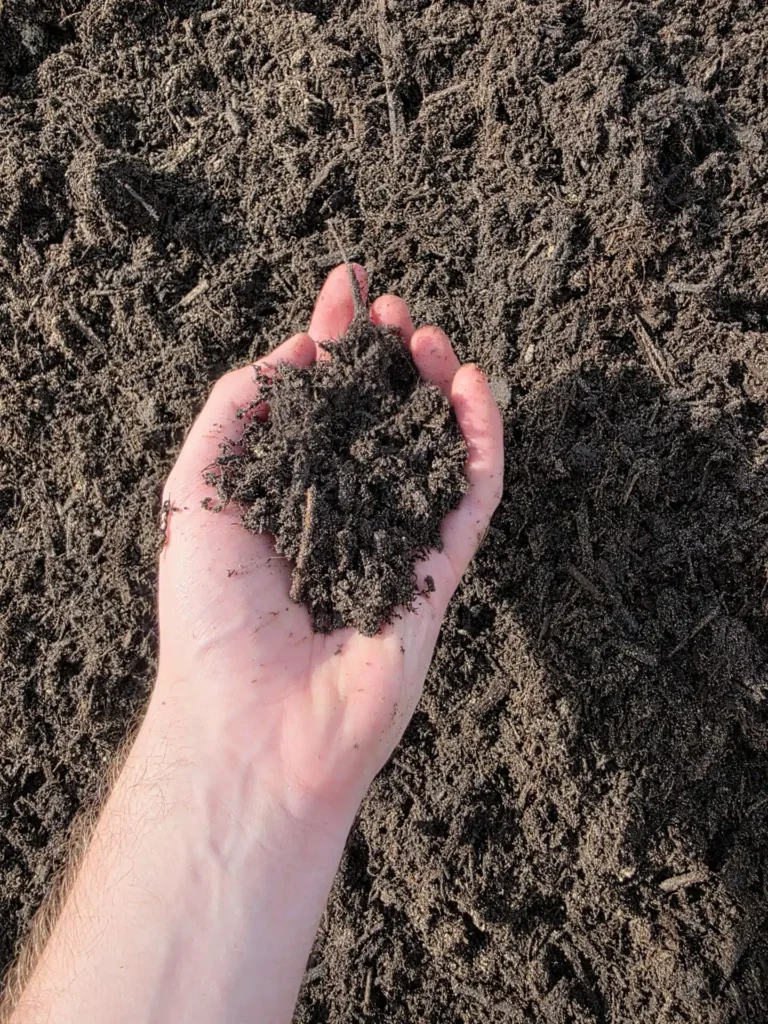 From $44.03/yard
- Density2000 lb/yd³
- ColorDark brown
Estimate how much you need
Calculate Your Project
Estimate only. Add 10-15% for compaction and waste.
Browse more
Available in nearby cities
Plan your project
Related guides
 GUIDEHow Much Does Gravel Cost? A Practical Pricing GuideHow much does gravel cost and why does it vary? See the real factors behind ton pricing, delivery, and order size before you buy.Read guide →
 GUIDEGravel Size Chart: Pea Gravel to Crushed StoneA gravel size chart showing pea gravel, crushed stone and river rock diameters side by side, so you can match the right size to your project.Read guide →
 GUIDEThe Different Types of Gravel and How to ChooseA plain-language guide to the main types of gravel, covering pea gravel, crushed stone, river rock and decomposed granite.Read guide →
 GUIDEWhat Are Screenings? A Guide to Crushed Stone FinesScreenings are fine crushed stone used for paver bases, joint fill and walkways. See what screenings are, common types, and mistakes to avoid.Read guide →
Frequently Asked Questions
How much compost do I need for a raised bed in Detroit?
How fast can you deliver compost in the Detroit metro?
Most Detroit-area orders arrive within 1-2 business days. Larger loads booked a day ahead often go out same or next day. We schedule drops around the I-75, I-94, and Lodge Freeway rush windows when the site has room for the truck.
Will compost help with Detroit's heavy lake-bed clay?
Yes. Southeast Michigan's native clay seals tight when wet and cracks hard when dry, starving roots of air. Tilling two to three inches of compost into the top eight inches loosens it and improves drainage so roots can breathe through the season.
Is compost good for a community garden on a reclaimed lot?
When should I add compost in Michigan?
Late spring, once the frost is out and the clay has drained, is prime for amending beds and topdressing lawns. Fall amendment also works, letting the material integrate over winter so beds are ready early the next year. Avoid frozen ground.
Can I use compost by itself as planting soil?
Compost is an amendment, not a standalone planting medium. Blend it with topsoil or garden soil for beds, or till it into existing ground. Used straight it holds too much water and lacks the mineral structure plants need.
Do you deliver compost outside the city of Detroit?
Yes. We cover the full Detroit-Warren-Dearborn metro, including Warren, Sterling Heights, Livonia, and Dearborn. We also coordinate regional hauls toward Toledo, about 53 miles south, and Cleveland for the right volume.
Should I add mulch over fresh compost in beds?
In ornamental beds, a layer of hardwood mulch over compost in first, then mulch lightly once plants are up and established.