Tons of gravel in a dump truck typically range from 10 to 30+ depending on the vehicle’s axle configuration and legal weight restrictions. Accurate capacity knowledge prevents costly overloading fines, ensures project budgets stay on track, and guarantees safe material transport to your job site. This comprehensive guide breaks down truck classifications, weight calculations, and practical ordering strategies for contractors and homeowners across the United States in 2026.
TL;DR / Quick Summary
A standard dump truck in the United States typically hauls between 10 and 16 tons of gravel, though capacity varies significantly by vehicle configuration. Tandem-axle dump trucks, the most common commercial haulers, reliably carry 12–16 tons, while tri-axle models can manage 15–20 tons. For heavy-duty projects, super dump and quad-axle trucks transport 25–30+ tons per load. Actual capacity depends on several critical factors: the density and moisture content of the bulk material, legal weight limits enforced by state and federal regulations, and the truck’s axle configuration. Gravel types like crusher run or pea stone have different densities, affecting how much volume fits within legal weight thresholds. Always order by weight (tons) rather than volume (cubic yards) to avoid discrepancies—one cubic yard of gravel typically weighs 1.2–1.5 tons, but this varies with material starting conditions. Understanding these variables helps contractors and homeowners plan deliveries accurately, prevent overloading fines, and optimize project budgets in 2026.
Key Takeaways
-
Dump truck capacity varies significantly based on truck type and legal regulations.
-
Gravel density and moisture content directly impact the actual weight a truck can carry.
-
Overloading can lead to fines, safety hazards, and mechanical damage.
-
Converting between tons and cubic yards is essential for accurate ordering.
-
Project size dictates the most economical dump truck choice.
When ordering tons of gravel in a dump truck, you’re working with two critical variables: the truck’s physical capacity and legal weight limits. A standard tandem-axle dump truck typically carries 12–16 tons, while larger configurations can haul 20–30+ tons. However, the actual weight depends on gravel type, moisture content, and regional regulations. Understanding these factors prevents costly overages, ensures safe transport, and helps you select the right truck for your project. Whether you need crusher run for a driveway base or bulk material for landscape work, knowing the tonnage upfront eliminates guesswork and keeps your budget on track.
How Many Tons of Gravel Fit in a Dump Truck?
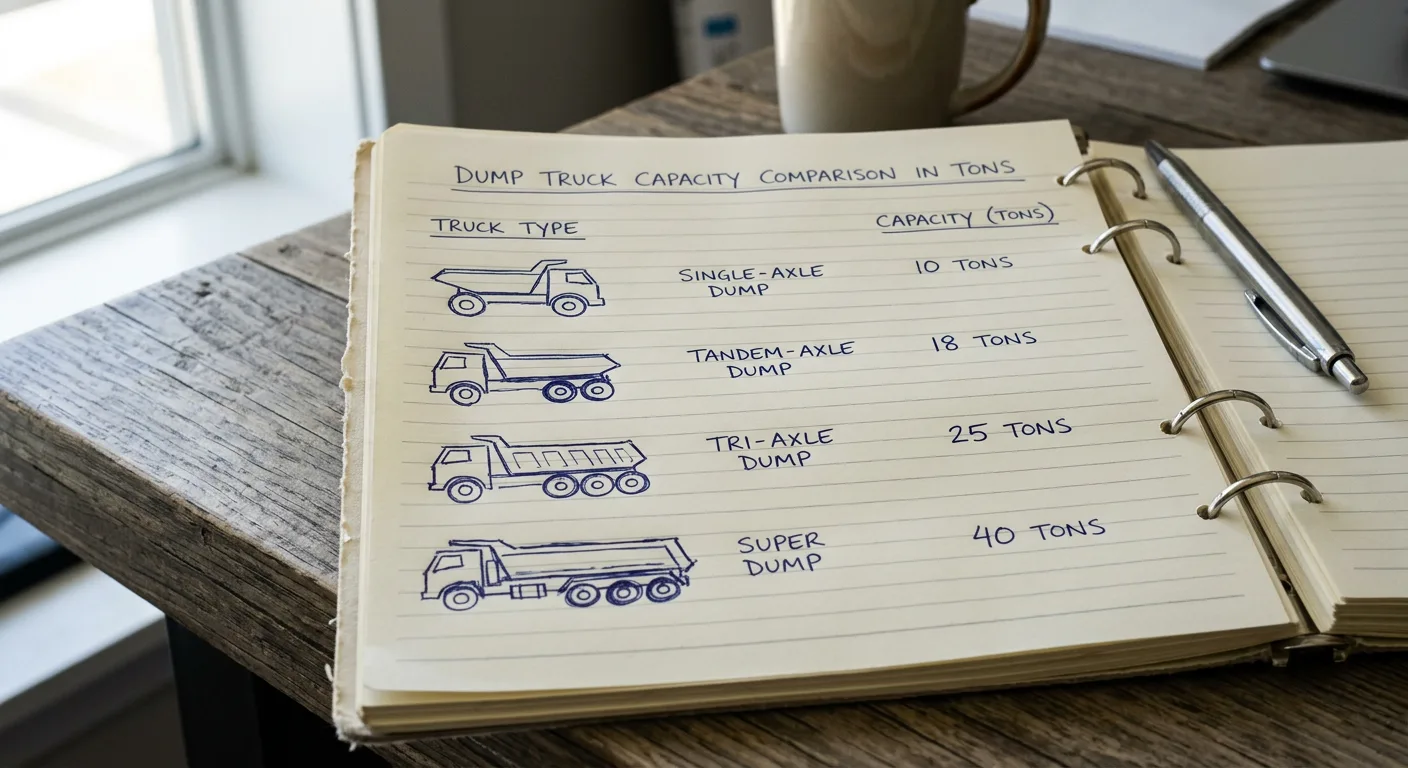
The capacity of a dump truck varies significantly based on its size and configuration. A standard single-axle dump typically carries 8–12 tons of gravel, while a tandem-axle model hauls 12–16 tons. Larger trucks like tri-axles and super dumps can manage 18–30+ tons, though legal weight limits in your state may cap actual loads. Understanding this range is essential for ordering the right amount of material and avoiding costly multiple trips or overages.
Measuring a dump truck load isn’t as straightforward as it might seem. Suppliers typically quote capacity in tons rather than cubic yards, since weight—not volume—determines what a truck can legally carry. However, the exact tonnage depends on several variables: the type of gravel, its moisture content, compaction during loading, and the truck’s gross vehicle weight rating (GVWR). What fits in one load for pea gravel may differ from a load of crushed stone or crusher run, even in the same truck.
The Average Load for Residential and Commercial Projects
For residential projects, a standard tandem-axle dump truck delivering 12–16 tons of gravel is the workhorse. This volume typically covers driveways, patios, or landscaping needs for most homeowners without requiring multiple deliveries. A single load can spread across roughly 100–150 square feet at a 4-inch depth, depending on the material type.
Commercial operations often use larger trucks or schedule multiple deliveries. A contractor building a parking lot or preparing a foundation may order several loads from tri-axle or super dump trucks, each carrying 18–30 tons. The supplier will calculate the total material needed and dispatch the appropriate fleet to complete the job efficiently.
Understanding the Starting Point: Average Capacity
The starting ton bulk of material in a dump truck begins with the truck’s empty weight and its GVWR. For bulk material starting estimates, most suppliers assume a standard tandem-axle truck can accept 12–16 tons before hitting legal limits. This baseline helps contractors and homeowners understand whether one delivery suffices or multiple trips are necessary. Moisture content and gravel density shift this figure, so always confirm the actual tonnage with your supplier before finalizing an order.
How Do Different Dump Truck Types Affect Gravel Capacity?
The type of dump truck you choose directly determines how much gravel it can carry. Capacity varies significantly across truck classifications, from small single-axle models to massive quad-axle haulers. Understanding these differences helps you select the right vehicle for your project and avoid multiple trips or costly overloads. Each truck type has distinct advantages, limitations, and legal weight thresholds that affect real-world gravel delivery.
Single-Axle and Small Dump Truck Capacities
Single-axle dump trucks represent the smallest category and are typically used for light residential work or small landscaping jobs. These vehicles usually carry between 5 to 8 tons of gravel, making them suitable for modest driveways, garden beds, or minor site preparation. Their compact size allows access to tight spaces and residential properties where bigger trucks won’t fit. However, their limited capacity means you’ll need multiple loads for larger projects, which can increase delivery costs and labor time.
Small dump trucks are often owner-operated and common in suburban areas. They’re economical for homeowners needing just a few tons single capacity per delivery, but they’re impractical for commercial-scale work.
Tandem-Axle and Tri-Axle Trucks: The Workhorses
A tandem-axle dump truck is the industry standard for most gravel deliveries across the United States. With two rear axles, these vehicles can haul 12 to 16 tons of gravel reliably while staying within legal weight limits. The tandem-axle configuration distributes weight more effectively than single-axle designs, improving stability and load capacity. A standard tandem dump truck strikes an excellent balance between maneuverability and payload, making it the go-to choice for residential and medium-sized commercial projects.
Tri-axle trucks step up the capacity further, carrying 15 to 20 tons of gravel. These vehicles have three rear axles, allowing them to haul substantially more material while maintaining legal compliance. Tri-axles are preferred for larger construction sites, parking lot installations, and bulk material deliveries where efficiency matters. The increased axle configuration spreads the load across more tires, reducing ground pressure and improving traction on soft or unprepared surfaces.
Super Dump and Specialized Heavy Haulers
A super dump truck (also called a quad-axle or four-axle dump) represents the heavy end of the spectrum. These big vehicles can legally haul 25 to 30+ tons of gravel depending on state regulations and road conditions. The extra axles distribute weight across more contact points, allowing haulers to move significantly more bulk material per trip. Super dumps are common in high-volume operations like quarry deliveries, major highway projects, and large commercial developments.
Specialized heavy haulers may include drop-deck or lowboy configurations, though these are less common for standard gravel work. The choice between a tandem, tri-axle, or super dump ultimately depends on your project scope, budget, and delivery frequency. Larger trucks reduce the number of trips needed, lowering per-ton delivery costs, but they may not access all job sites or comply with local weight restrictions.
What Factors Influence the Weight of Gravel in a Dump Truck?
The actual weight of gravel loaded into a dump truck depends on several interconnected factors beyond simple truck dimensions. Understanding these variables is essential for accurate ordering and safe transport. Gravel density, moisture content, and material type all directly affect how much tonnage a truck can safely carry, making it impossible to assume a one-size-fits-all answer when planning material starting ton estimates.
Gravel Density and Type: Why Not All Gravel Weighs the Same
Different gravel types have significantly different densities. Pea gravel, for example, typically weighs around 1.3 to 1.4 tons per cubic yard due to its rounded shape and the air gaps between stones. Crushed stone, by contrast, can weigh 1.4 to 1.6 tons per cubic yard because angular pieces pack more tightly together. Jersey shore gravel and river rock fall somewhere in between. These variations mean that two trucks loaded to the same visual height can carry vastly different weights.
Understanding how density affects the mechanical properties of a load is critical. Denser materials like crushed limestone or granite chips create more compact loads with better load distribution across the truck bed. Lighter, rounder gravels shift more easily during transport, potentially affecting the truck’s stability and handling. When starting ton bulk material estimates, always confirm the specific gravel type with your supplier, as this directly impacts how many tons your truck will actually carry.
The Impact of Moisture Content on Gravel Weight
Moisture is one of the most overlooked factors in gravel weight calculations. Wet gravel weighs considerably more than dry gravel—sometimes 10 to 15 percent more. A load delivered after heavy rain or from a quarry with high water saturation can push a truck dangerously close to or over its legal weight limit. Material starting from wet stockpiles requires careful recalculation before loading.
Contractors and homeowners often underestimate this effect. A truck that safely carried 14 tons of dry gravel last week might exceed its limit with the same visual load after precipitation. This is why bulk material suppliers often reduce their stated capacity during wet seasons or recommend ordering slightly less tonnage when conditions are damp.
Understanding Volume vs. Weight: Cubic Yards Versus Tons
Many people order gravel by cubic yards, but weight is what actually matters for dump truck capacity and legal compliance. One cubic yard of gravel does not always equal the same tonnage. The conversion depends entirely on the gravel’s density and moisture state. A cubic yard of pea gravel might weigh 1.3 tons, while a cubic yard of crushed stone could reach 1.6 tons.
Ordering by tons eliminates this confusion and ensures you receive exactly what fits safely in your truck. Bulk material deliveries are always safer and more predictable when quoted by weight rather than volume. If a supplier only quotes in cubic yards, ask them to convert to tons based on the specific gravel type you’re purchasing.
How Do You Calculate Your Gravel Needs for a Project?
Accurate calculations are the foundation of any successful gravel project. Whether you’re building a driveway, laying a patio base, or installing landscape stone, knowing precisely how much material to order prevents costly shortages or expensive overages. The process involves measuring your project area, determining the desired depth, converting those dimensions to volume, and then translating volume into weight. Getting these calculations right from the start will improve both your timeline and budget.
Estimating Area and Depth: The First Steps
Begin by measuring the length and width of your project area in feet. Multiply these dimensions to determine the square footage. For irregular shapes, break the area into rectangles or triangles, calculate each section separately, and sum the totals. Next, decide on the proper depth for your application. Driveways typically require 4-6 inches of compacted gravel, while pathways might need only 2-3 inches. Landscape stone projects often call for 3-4 inches to ensure adequate coverage and drainage. Always account for compaction—gravel settles by roughly 20-30% after installation, so add extra depth to your initial measurements.
Converting Cubic Feet/Yards to Tons
Once you have square footage and depth, convert to cubic feet by multiplying area × depth (in feet). Divide cubic feet by 27 to get cubic yards. The critical step is converting volume to weight, which requires knowing your gravel’s density. Most crushed stone weighs 1.2-1.5 tons per cubic yard, though this varies by type and moisture. Common calculations errors include forgetting to convert inches to feet (divide by 12) or using the wrong density factor. For example, 100 square feet at 4 inches deep equals 33.3 cubic feet, or 1.23 cubic yards—approximately 1.6-1.8 tons of standard gravel.
Using Online Calculators and Professional Assistance
Numerous online gravel calculators can improve the accuracy of your estimates by automating conversions and accounting for material density. Many quarries and suppliers in the US offer their own tools tailored to regional gravel types. However, always verify results with your supplier, as they know the exact weight characteristics of their inventory. Professional landscapers can also provide site assessments, especially for complex projects involving drainage considerations or multiple material layers. When ordering Tons of Gravel in a Dump Truck, confirm your calculations with the delivery company—they can advise on truck capacity and whether your quantity requires multiple loads.
Understanding the Difference: Tons vs. Cubic Yards for Gravel
Gravel is measured in two primary ways: by weight (tons) and by volume (cubic yards). Understanding the distinction between these measurements is essential when ordering material for your project. A cubic yard represents a volume measurement—3 feet by 3 feet by 3 feet of space. A ton, by contrast, measures weight. The relationship between the two isn’t fixed because gravel density varies depending on type, moisture content, and composition. This is why the same volume of material can weigh different amounts, and why ordering by the wrong unit can lead to shortfalls or excess inventory.
When to Order by Ton
Ordering by ton is the preferred method for most commercial and bulk material deliveries. Weight-based ordering is more accurate because it accounts for the actual density of your specific gravel type. When you order 10 tons of material, you know exactly how much weight you’re receiving, regardless of how many yards per truck that represents. This approach is especially important for projects where structural integrity matters—driveways, parking lots, and foundation work all benefit from precise tonnage specifications. Legal regulations also favor ton-based ordering; dump trucks operate under strict weight limits, and suppliers calculate loads by weight to remain compliant. Bulk material suppliers typically quote prices per ton, making this measurement the industry standard for cost estimation and delivery planning.
When to Order by Cubic Yard
Cubic yards per measurement may be necessary when working with landscape designers, contractors unfamiliar with weight conversions, or suppliers who primarily quote in volume. Homeowners often find cubic yards more intuitive—it’s easier to visualize a yard of material than to understand tons. However, converting cubic yards to tons requires knowing your gravel’s density. Most gravel weighs between 1.2 and 1.5 tons per cubic yard, so many yards of material can range significantly in actual weight. If a supplier quotes cubic yards per mile or provides estimates in volume only, request a conversion to tons before finalizing your order. This ensures you receive the correct amount and helps avoid confusion during delivery.
What Are the Legal Weight Limits for Dump Trucks Hauling Gravel?
Federal and state regulations establish strict weight limits for dump trucks to protect road infrastructure, ensure driver safety, and prevent accidents. Understanding these legal constraints is essential when ordering gravel delivery, as they directly determine how much material a truck can actually haul on public roads.
Federal and State Regulations
The Federal Highway Administration (FHWA) sets baseline gross vehicle weight rating (GVWR) limits, capping most commercial trucks at 80,000 pounds (40 tons) total. However, individual states impose stricter axle-weight limits that often restrict actual payload capacity. Single-axles typically max out at 20,000 pounds, tandem axles at 34,000 pounds, and tri-axles at 54,000 pounds. These regulations prevent overloading dump truck incidents that would damage pavement and compromise structural integrity.
State-specific restrictions vary significantly. Some states allow higher weights on designated routes, while others enforce lower limits during wet seasons. Always verify your state’s Department of Transportation requirements before scheduling delivery, as regulations differ per mile traveled and by county.
Consequences of Overloading a Dump Truck
Exceeding legal weight limits carries steep penalties. Drivers and operators face fines ranging from $500 to $10,000 per violation, depending on the severity and state. Beyond financial consequences, overloading compromises vehicle safety—it increases stopping distance, reduces steering control, and accelerates tire wear and brake failure. Overloaded trucks pose serious risks to other motorists and can result in catastrophic accidents.
Mechanical damage is inevitable when weight limits are exceeded. Suspension components, frame welds, and axles deteriorate rapidly under excessive load, leading to costly repairs and downtime that far exceed the savings from a single oversized delivery.
How Weight Limits Impact Gravel Deliveries
Legal weight constraints directly determine how much gravel a dump can actually haul per trip. A standard tandem-axle truck might be rated for 16 tons legally, but denser materials or moisture content could push it toward that ceiling. This reality affects project planning—larger jobs may require multiple truck load gravel deliveries rather than one trip. Working with your supplier to understand their truck’s actual legal capacity ensures accurate scheduling and prevents costly delays or rejected loads at the jobsite.
What is Crusher Run Gravel and How Much Fits in a Dump Truck?
Crusher run is a blend of crushed stone and stone dust designed specifically as a compactable base layer for construction and landscaping projects. Unlike loose gravel, crusher run compacts densely when properly tamped, creating a stable foundation that resists shifting and settling. This material runs often in applications ranging from driveways and parking areas to shed pads and building foundations, making it one of the most practical choices for projects requiring durability and drainage.
Properties and Uses of Crusher Run
Crusher run consists of angular stone fragments mixed with fine dust particles. The angular edges lock together mechanically, while the dust fills voids and improves load-bearing capacity. When compacted, crusher run creates a well-draining, structurally sound base that prevents water pooling and frost heave—critical concerns in colder US climates.
Common applications include:
-
Driveway and parking lot foundations
-
Shed and deck pads
-
Patio and walkway bases
-
Retaining wall backfill
-
Road subgrade preparation
The material’s ability to compact tightly means it requires less depth than standard gravel to achieve the same stability—typically 4–6 inches versus 6–8 inches for loose stone.
Typical Dump Truck Capacity for Crusher Run
A standard tandem-axle dump truck can haul 12–16 tons of crusher run, the same weight range as other gravel types. Larger trucks accommodate more: tri-axle trucks typically carry 15–20 tons, while super dump trucks manage 25–30 tons or more. Because crusher run‘s density is comparable to crushed stone (roughly 1.3–1.5 tons per cubic yard), the tonnage estimates remain consistent with other aggregates.
One key difference: crusher run‘s compaction properties mean you may need fewer tons overall compared to loose gravel for the same project depth, potentially reducing the number of truck loads required.
Why Choose Crusher Run for Your Project?
Crusher run outperforms loose gravel in several ways. Its mechanical interlocking creates a stable, long-lasting foundation that resists rutting and erosion. The material drains water efficiently, preventing puddles on parking areas and driveways. For projects where a solid, professional-grade base matters—commercial lots, high-traffic driveways, or structures bearing significant weight—crusher run delivers superior performance and longevity compared to standard aggregate options.
How Can You Avoid Overloading a Dump Truck with Gravel?
Preventing overloading dump trucks is critical for safety, legal compliance, and protecting equipment. Both customers and gravel suppliers share responsibility for ensuring loads stay within safe limits. When ordering gravel, always communicate clearly about your project’s needs and ask your supplier how much weight they plan to load onto the vehicle. This upfront conversation helps prevent excessive tonnage that could compromise the truck’s structural integrity or violate state weight regulations. In 2026, many reputable suppliers use certified scales at their facilities to verify loads before dispatch, but it’s worth confirming this practice when you place your order.
Communication with Your Gravel Supplier
Clear communication is your first line of defense against overloading. When requesting a delivery, specify both the type and quantity of gravel you need, and ask what truck size they’ll use. A responsible supplier will match the vehicle to your order, ensuring the Tons of Gravel in a Dump Truck stays within legal limits. Don’t hesitate to ask about the truck’s rated capacity and whether they weigh loads before leaving the yard. This dialogue helps both parties think through logistics and prevents misunderstandings that could lead to dangerous situations on the road.
Verifying Load Weight on Arrival
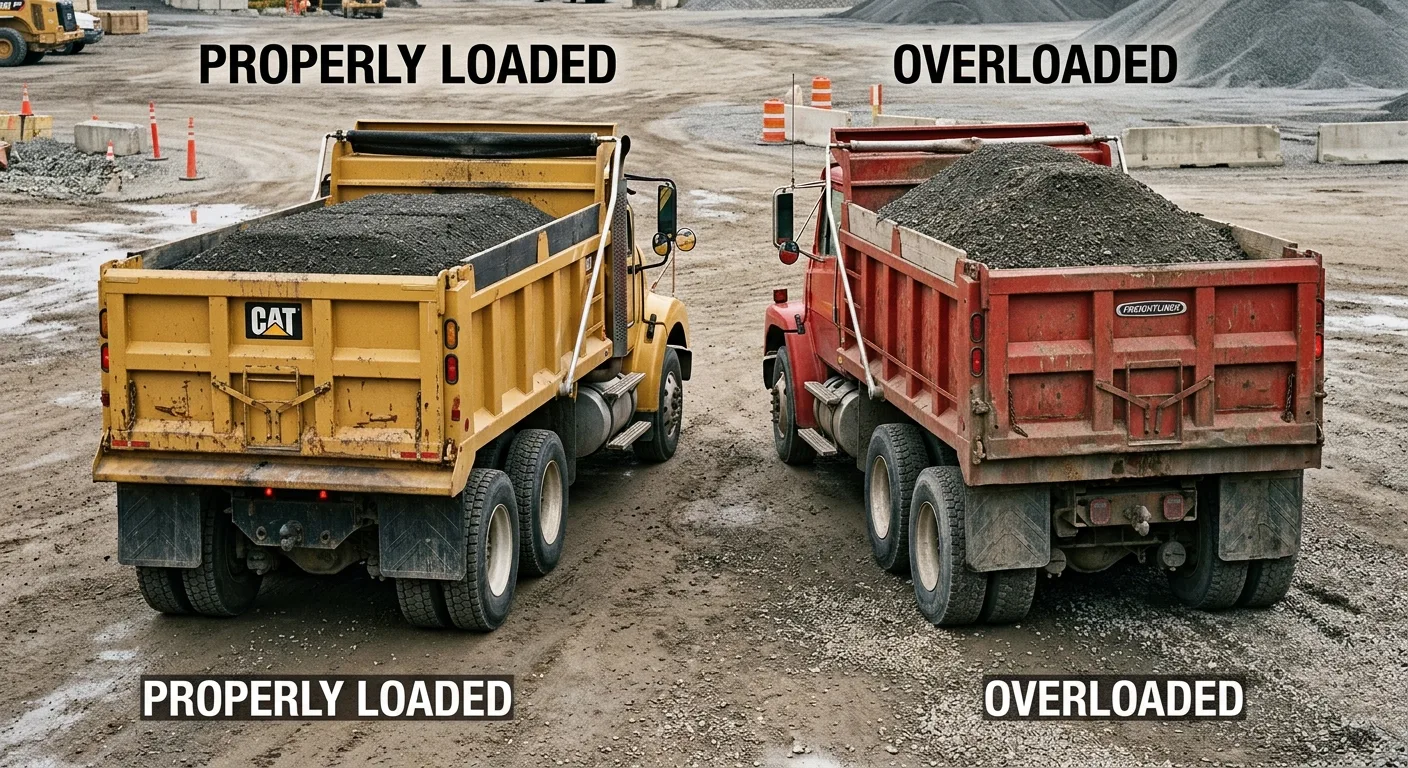
While most customers can’t weigh a truck at their delivery site, you can still verify the load makes sense. A well-loaded truck should sit level on its suspension without sagging excessively. If the vehicle appears overloaded—tires bulging, suspension compressed to its limits, or the bed overflowing—you have grounds to question the delivery. Some commercial projects require certified weight tickets from the quarry or transfer station, which document the exact tonnage loaded. For residential deliveries, trust your supplier’s reputation and ask for documentation if you have concerns about whether the delivered amount matches your invoice.
The Dangers of Going Beyond Capacity
Overloading creates serious risks beyond potential fines. Excessive weight strains axles, brakes, and tires, increasing the likelihood of mechanical failure during transport. A truck hauling more than its rated capacity takes longer to stop, handles poorly on turns, and poses a danger to other motorists. State and federal inspectors actively enforce weight limits at weigh stations and can issue citations that range from hundreds to thousands of dollars, depending on how much the vehicle exceeds legal thresholds. Beyond financial penalties, overloading can void insurance coverage if an accident occurs, leaving both the hauler and customer liable for damages. Responsible ordering practices protect everyone involved.
What Are the Costs Associated with Gravel Delivery by Dump Truck?
Gravel delivery pricing breaks down into two main components: the material cost and the transportation fee. Understanding how these charges stack up helps you budget accurately and avoid surprises at checkout. Most suppliers quote gravel on a per-ton basis, while delivery fees depend on distance, truck type, and load size. The starting price for bulk gravel typically ranges from $15 to $75 per ton, depending on gravel type, quality, and your location in the US.
Price Per Ton vs. Delivery Fees
Gravel is almost always priced per-ton at the quarry or supplier. A standard tandem-axle dump truck carrying 12–16 tons of gravel costs differently than a smaller truck hauling 10 tons. Your starting point for material cost depends on the gravel type—pea gravel costs more than crusher run or crushed limestone. Delivery fees are separate and typically charged per trip or per mile. Some suppliers include a mileage surcharge; others set a flat fee for deliveries within a certain radius. Distance from the quarry to your job site is the biggest factor affecting your final delivery cost.
Factors Influencing Overall Cost
Several variables determine your total expense. Fuel prices directly impact per-mile charges, and seasonal demand can shift material pricing. The type of dump truck used also affects cost—a single-axle truck is cheaper to operate than a tri-axle, but it carries less material, potentially requiring multiple trips. Overhead costs for the supplier (equipment maintenance, labor, insurance) are built into the per-ton price. Order volume matters too: buying 30 tons in one delivery is more economical than ordering 10 tons three separate times.
Tips for Economical Gravel Ordering
Calculate your exact gravel needs before calling a supplier to avoid over-ordering or shortfalls that require a second trip. Consolidate orders with neighbors or contractors if possible—bulk purchases often qualify for discounts. Ask suppliers if they offer pricing breaks for larger loads or multiple deliveries. Ordering during off-peak seasons (fall or winter) can reduce costs. Compare quotes from at least two local suppliers; prices vary significantly based on quarry location and local competition.
Common Questions About Tons of Gravel in a Dump Truck
How many tons of gravel can a standard dump truck carry?
A standard dump truck typically carries between 10–16 tons of gravel, though the exact amount depends on the truck’s classification and legal weight restrictions in your state. Single-axle trucks sit at the lower end of this range, while tandem configurations push closer to 16 tons. Always verify with your supplier that the load complies with local regulations before delivery.
How much gravel can a tandem-axle dump truck hold?
A tandem-axle dump truck can reliably haul around 12 to 16 tons of gravel. This truck type strikes a practical balance between capacity and maneuverability, making it the industry standard for residential and medium-sized commercial projects across the US.
How do you convert cubic yards of gravel to tons?
To convert cubic yards to tons, you need the density of your specific gravel type. As a general baseline, one cubic yard of gravel weighs approximately 1.2 to 1.5 tons. If you have 10 cubic yards, you’re looking at roughly 12 to 15 tons—though moisture and material composition significantly affect this figure. Online calculators help, but always confirm conversions with your local supplier.
What is crusher run and how much fits in a dump truck?
Crusher run is a compacted mixture of crushed stone and stone dust, commonly used as a stable foundation for driveways, parking pads, and shed bases. A dump truck can carry the same tonnage of crusher run as standard gravel, adhering to the truck’s weight capacity—typically 10 to 20+ tons depending on truck size. Its ability to compact makes it ideal for base layers.
Can a dump truck legally haul 20 tons of gravel?
Yes, larger trucks like tri-axle, super dump, or quad-axle models can legally haul 20 tons or more, up to 30 tons in some cases. However, vehicle classifications and state-specific weight limits must be followed. Always confirm with your supplier that the truck can legally handle your desired tonnage in your region.
How many cubic yards of gravel are in a dump truck load?
The number of cubic yards in a dump truck load varies by truck size and material density. For a standard tandem-axle truck carrying 12–16 tons, this translates to roughly 9–12 cubic yards, assuming one yard gravel weighs 1.3 tons. Larger trucks will carry proportionally more cubic yards.
Why does the same truck haul different tonnages on different jobs?
A truck may haul different tonnages because of variations in material density (different gravel types, sand, or crushed stone), moisture content, and the specific legal weight restrictions that apply to the routes it runs through. Gross vehicle weight ratings and local road conditions also play a role.
How many tons of gravel do I need for a driveway?
The amount needed depends on length, width, and depth. For example, a 100-foot-long, 10-foot-wide driveway laid 4 inches deep might require roughly 15–20 tons of gravel. Measure your area precisely, calculate cubic yards, and then convert to the need tons using your gravel supplier’s density information.
Conclusion: Getting the Right Number of Tons of Gravel in a Dump Truck
Accurately determining how many tons of gravel in a dump truck you need and can receive is vital for any project’s success. Truck size, gravel density, moisture content, and legal weight limits all shape what’s actually deliverable. Clear communication with your supplier—confirming tonnage before arrival—prevents costly mistakes and safety risks. Whether you’re ordering crusher run for a driveway foundation or standard crushed stone for landscaping, respect the truck’s capacity and your region’s regulations. By matching your material needs to the right dump truck type and verifying load details upfront, you keep costs predictable and your project on schedule.