Introduction
Planning a driveway project and wondering how much gravel you actually need? You’re not alone. One of the most common mistakes homeowners and contractors make is either underestimating or overordering gravel — both of which can cost time, money, and effort.
At Gravel Buddy, we help customers every day calculate the right amount of gravel for driveways, landscaping, drainage systems, and construction projects. Whether you’re building a new driveway or upgrading an existing one, getting the quantity right is the first step toward a successful project.
In this complete guide, we’ll break down:
- How to calculate gravel correctly
- The formulas you need
- Gravel depth recommendations
- Cost estimates
- Pro tips to avoid mistakes
By the end, you’ll know exactly how much gravel your project requires.
Why Getting the Right Gravel Amount Matters
Before we jump into calculations, it’s important to understand why accuracy matters.
1. Avoid Overspending
Ordering too much gravel means paying for materials you don’t need — plus extra delivery costs.
2. Prevent Project Delays
Ordering too little means stopping mid-project and waiting for another delivery.
3. Ensure Proper Coverage
Incorrect depth can lead to:
- Weak driveways
- Poor drainage
- Uneven surfaces
Getting the right amount ensures durability and long-term performance.
Basic Gravel Calculation Formula
Let’s start with the core formula used across the industry.
Formula:
Length (ft) × Width (ft) × Depth (ft) = Cubic Feet
Cubic Feet ÷ 27 = Cubic Yards
Example:
- Length = 100 ft
- Width = 10 ft
- Depth = 4 inches (0.33 ft)
Step 1:
100 × 10 × 0.33 = 330 cubic feet
Step 2:
330 ÷ 27 = 12.22 cubic yards
👉 So you need approximately 12–13 cubic yards of gravel
Recommended Gravel Depth for Driveways
Depth is one of the most important factors in your calculation.
Standard Depth Guidelines
1. Light Use (Cars Only)
- Depth: 3–4 inches
- Best for: Residential driveways
2. Medium Use (SUVs, Pickup Trucks)
- Depth: 4–5 inches
3. Heavy Use (Trucks, Equipment)
- Depth: 5–8 inches
- Requires base layers
Layered Driveway Structure (Recommended)
For best results, use multiple layers:
Bottom Layer (Base)
- Crushed stone or #3 gravel
- Depth: 3–4 inches
Middle Layer
- Crusher run or base gravel
- Depth: 2–3 inches
Top Layer
- Pea gravel or #57 stone
- Depth: 2 inches
👉 Total Depth: 6–8 inches
Step-by-Step: How to Calculate Gravel for Your Driveway
Step 1: Measure Your Driveway
Use a measuring tape to find:
- Length
- Width
👉 Tip: Break irregular shapes into rectangles.
Step 2: Decide Depth
Choose based on usage:
- 3 inches = Light
- 6+ inches = Heavy-duty
Step 3: Convert Inches to Feet
Divide by 12
Example:
4 inches ÷ 12 = 0.33 ft
Step 4: Apply Formula
Multiply:
Length × Width × Depth
Then divide by 27
Step 5: Add Extra (Waste Factor)
Always add 10–15% extra
👉 Gravel settles and compacts over time.
Gravel Quantity Chart (Quick Reference)
| Area (sq ft) | Depth (inches) | Cubic Yards Needed |
|---|---|---|
| 100 sq ft | 3 inches | 0.93 yards |
| 200 sq ft | 4 inches | 2.47 yards |
| 500 sq ft | 4 inches | 6.17 yards |
| 1000 sq ft | 4 inches | 12.35 yards |
| 1000 sq ft | 6 inches | 18.52 yards |
Best Types of Gravel for Driveways
Choosing the right gravel is just as important as quantity.
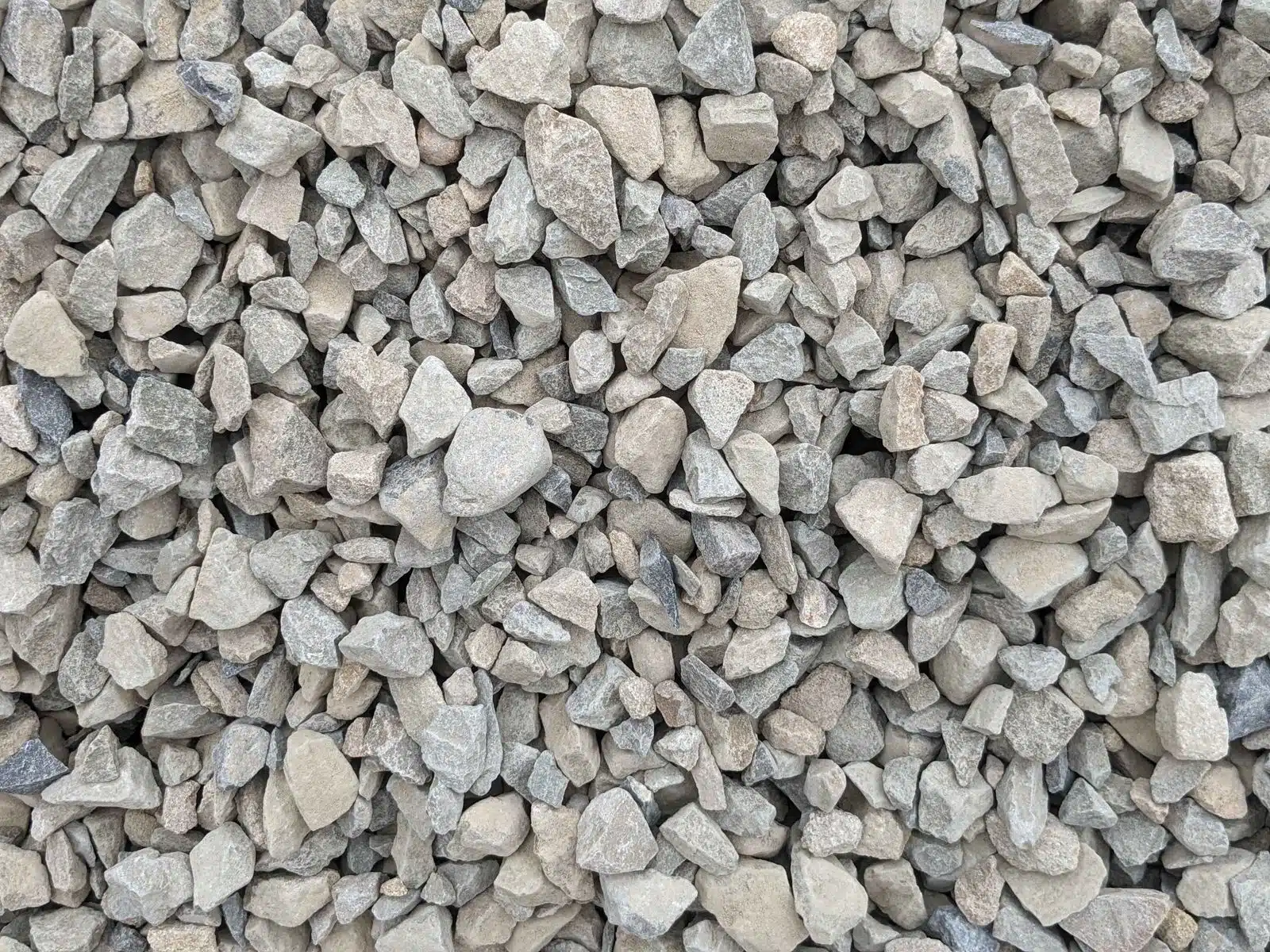
1. Crushed Stone (#57 Stone)
- Angular shape
- Locks in place
- Best for top layer
2. Crusher Run
- Mix of stone and dust
- Compacts well
- Ideal for base layer
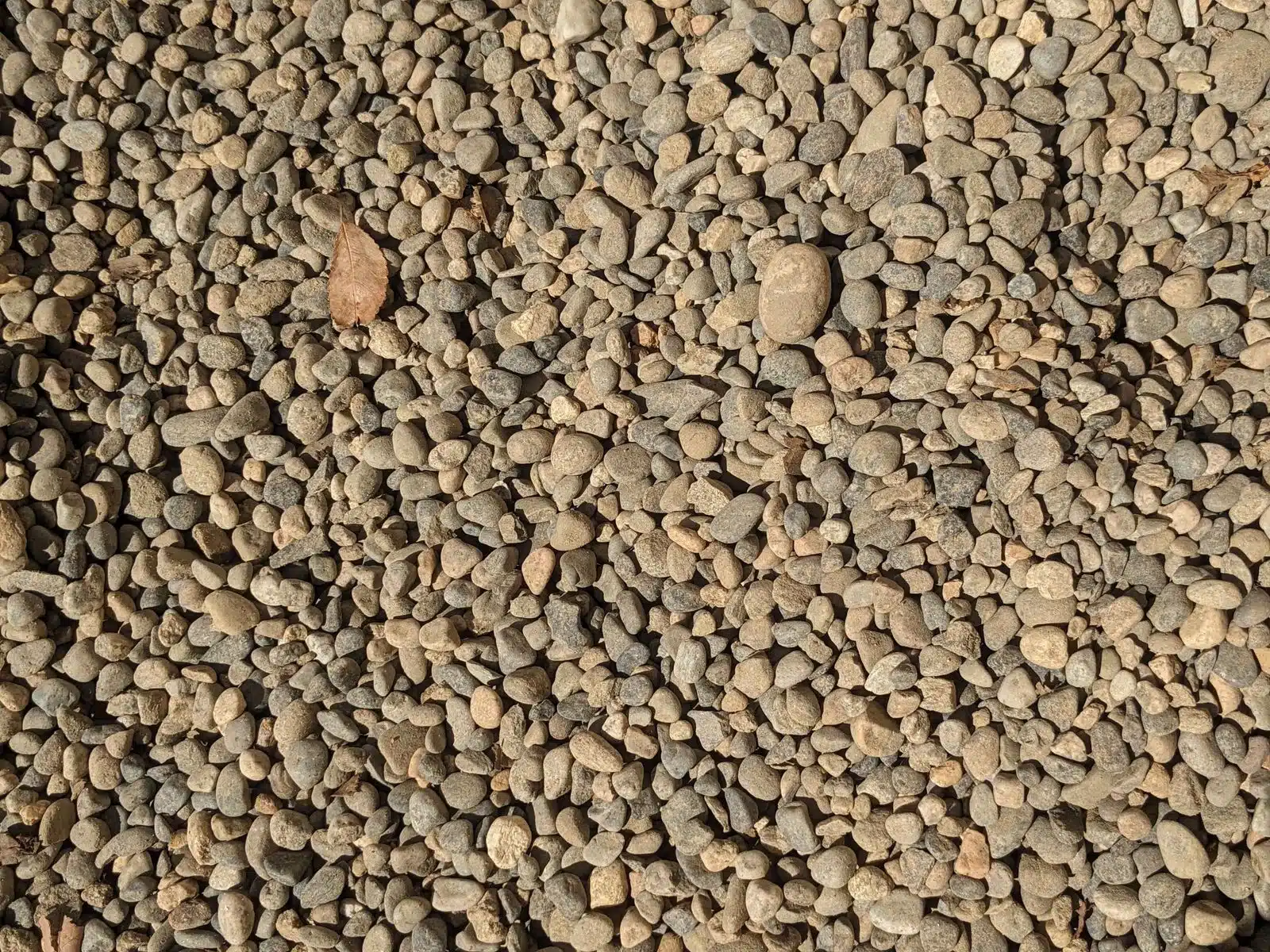
3. Pea Gravel
- Smooth and decorative
- Not ideal alone for driveways
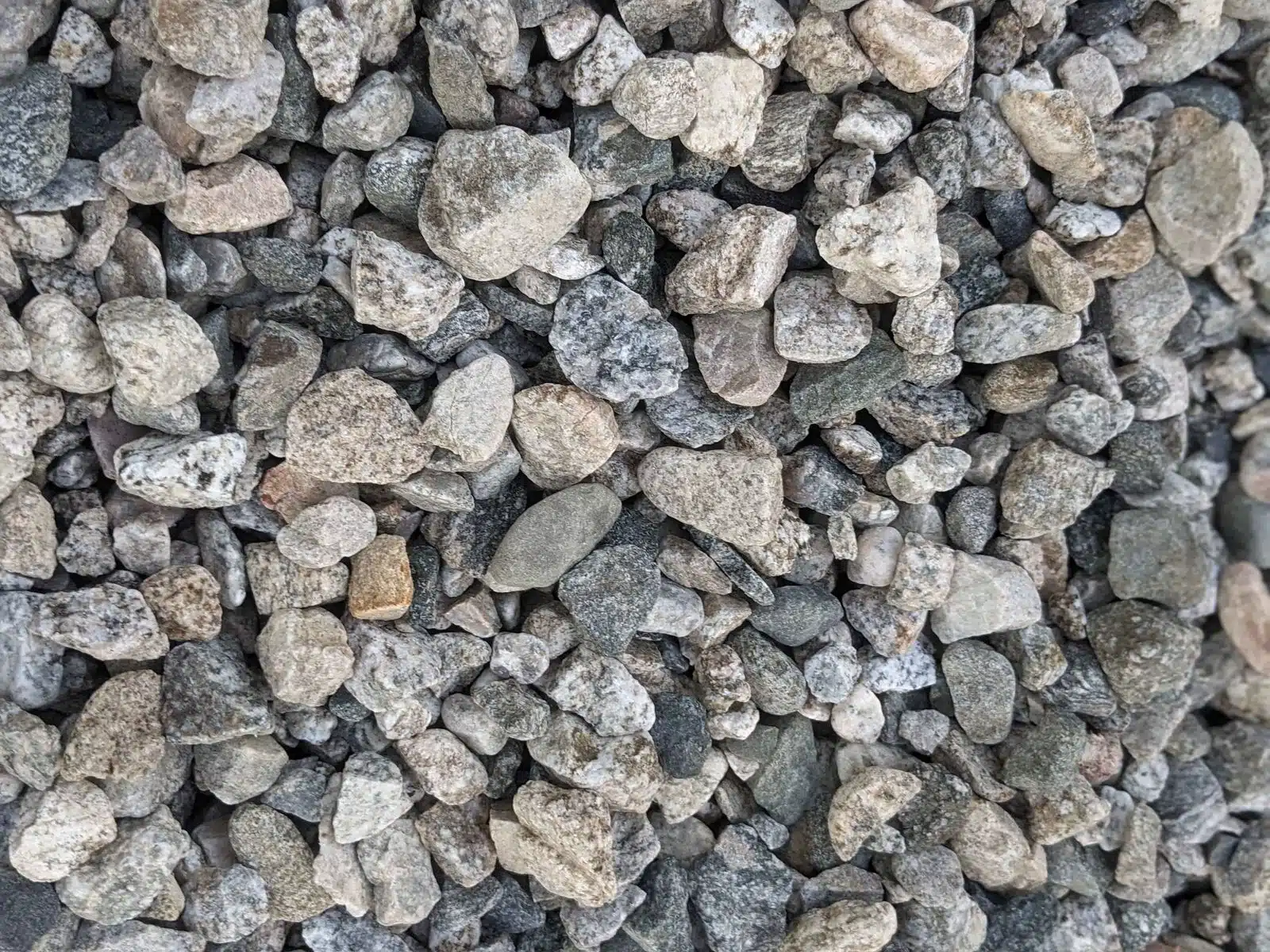
4. Base Gravel (#3 or #4)
- Large stones
- Excellent foundation
Gravel Cost Breakdown
Costs vary depending on location and material type.
Average Prices (USA)
- Gravel: $30–$75 per yard
- Delivery: $50–$150 per load
Example Cost Calculation
12 yards × $50 = $600
Delivery = $100
👉 Total = $700
Common Mistakes to Avoid
1. Ignoring Compaction
Gravel settles after installation — always order extra.
2. Wrong Gravel Type
Using pea gravel alone = unstable driveway.
3. Incorrect Depth
Too thin = weak structure.
4. Skipping Base Layer
Leads to sinking and potholes.
Pro Tips for a Perfect Gravel Driveway
✔ Use Landscape Fabric
Prevents weeds and improves durability.
✔ Compact Each Layer
Use a plate compactor for best results.
✔ Create Proper Drainage
Slight slope prevents water buildup.
✔ Choose the Right Mix
Layered system = long-lasting driveway.
Gravel vs Concrete vs Asphalt
| Feature | Gravel | Concrete | Asphalt |
|---|---|---|---|
| Cost | Low | High | Medium |
| Installation | Easy | Complex | Moderate |
| Maintenance | Medium | Low | Medium |
| Lifespan | 10–15 years | 30+ years | 20 years |
👉 Gravel is best for affordability and flexibility.
When to Order Gravel
Best time:
- Dry weather
- Before project start
Avoid:
- Rainy days
- Frozen ground
How Gravel Buddy Makes It Easy
At Gravel Buddy, we simplify everything:
✔ Easy ordering process
✔ Fast and reliable delivery
✔ High-quality materials
✔ Expert guidance
Whether you need a few yards or bulk delivery, we ensure you get the right amount — every time.
FAQs
1. How many tons of gravel do I need?
1 cubic yard ≈ 1.4 tons. Multiply yards by 1.4.
2. Should I use landscape fabric?
Yes, it prevents weeds and improves stability.
3. How deep should a driveway be?
Typically 4–6 inches minimum.
4. Can I lay gravel over grass?
Not recommended. Remove grass for best results.
5. How often do I need to add gravel?
Every 1–3 years depending on usage.
6. What is the best gravel for driveways?
Crusher run + #57 stone combination.
Final Thoughts
Calculating how much gravel you need doesn’t have to be complicated. With the right measurements, proper depth, and a little extra for safety, you can confidently order the exact amount required for your project.
A well-built gravel driveway is not only cost-effective but also durable and visually appealing — when done right.